REVIEW · SHANGHAI
Private Chinese Dim Sum Cooking Class in Shanghai
Book on Viator →Operated by Shanghai Pathways · Bookable on Viator
Soup dumplings meet hands-on cooking. In Shanghai, this private dim sum class puts you in a modern studio kitchen with an expert chef, so you learn xiaolongbao and spring-roll technique instead of just watching from the sidelines.
I love the chef’s undivided attention, especially during the part where dough gets kneaded and fillings get portioned correctly. I also love that the included lunch is built from what you make, so you get a real feel for how dim sum should taste. The main drawback is you’re responsible for getting yourself to the central Shanghai meeting point, since hotel pickup and drop-off aren’t included.
In This Review
- Key highlights to know before you go
- Why dim sum cooking feels like Shanghai, not a tourist show
- What you’ll make: xiaolongbao soup dumplings and spring rolls
- Xiaolongbao: the broth + pork filling combo
- Spring rolls: dough, stuffing, and pan-fried results
- One note on expectations
- The 2-hour studio flow: from instruction to your plate
- Before class: choose morning or afternoon
- Arrive, greet your guide, and meet your chef
- Chef demonstration, then you take over
- Finish by eating what you made
- The chef experience: what Chef Michael-style teaching gets right
- How the private format helps you learn
- The take-home win
- Price and value: is $141.40 per person worth it?
- Practical planning: what to bring, where to go, and how to get ready
- Get to the studio on your own
- Dietary needs
- Think about your hunger level
- Mobile ticket
- Who this dim sum class fits best
- Should you book this private dim sum cooking class in Shanghai?
- FAQ
- How long is the private Chinese dim sum cooking class in Shanghai?
- Is this a private tour or shared class?
- What dishes will I learn to make?
- Is lunch included?
- Are drinks included?
- Do I choose a morning or afternoon class?
- Where does the class start and what time is it?
- Are dietary requirements accommodated?
- What is the cancellation policy?
Key highlights to know before you go
- Private class format means only your group participates, with one instructor watching your work
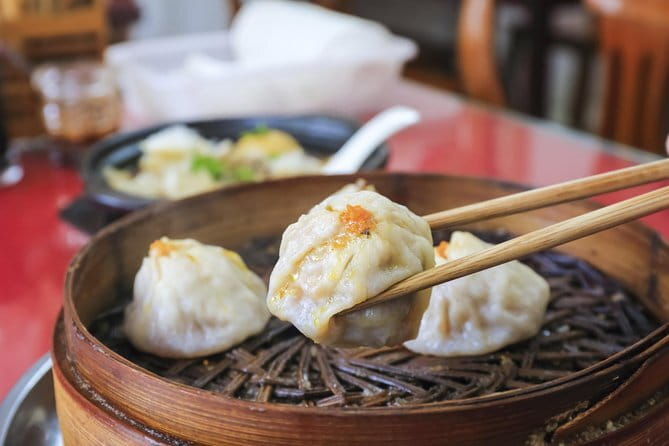
- Xiaolongbao focus on broth base plus dumpling filling (minced pork, soy sauce, green onion)
- Spring-roll hands-on time with handmade dough and stuffing, then pan-fried results
- Two scheduling options with a morning or afternoon class to fit your day
- Modern studio setup with cooking equipment included and a mobile ticket for smoother check-in
Why dim sum cooking feels like Shanghai, not a tourist show
Dim sum is one of those food traditions that makes sense even if you’re not an expert. It’s hands-on, bite-sized, and built around small details: how dough folds, how filling tastes, and how the final steam or pan-fry changes everything.
This experience leans hard into that practical side. You’re not only tasting Shanghai favorites like xiaolongbao and spring rolls. You’re learning the steps that explain why they taste the way they do. That’s the big difference between a restaurant meal and a cooking class: here, you connect the flavor to the process.
Also, this is set up as a private activity. That means you can ask questions as you go, and your chef can correct small mistakes before they snowball. In short: you get more time for technique and less time waiting.
You can also read our reviews of more tours and experiences in Shanghai.
What you’ll make: xiaolongbao soup dumplings and spring rolls
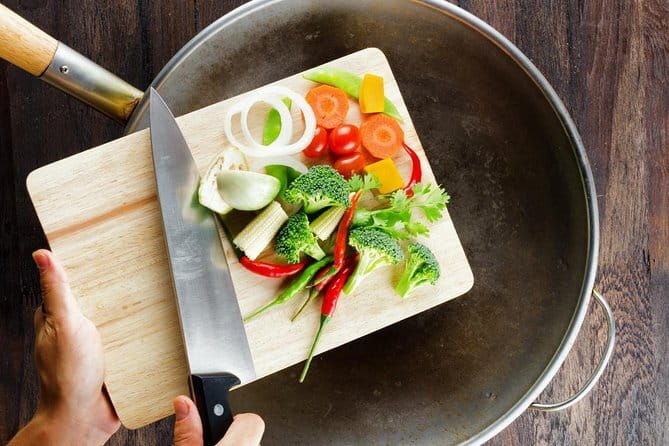
You’ll build the meal around classic dim sum staples, with special attention on xiaolongbao and spring rolls.
Xiaolongbao: the broth + pork filling combo
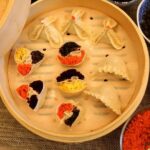
You’ll work on a savory soup base for xiaolongbao, then top it with dumplings stuffed with minced pork, salty soy sauce, and fresh green onion. That filling mix matters because it’s not just flavor. It also affects how the dumplings feel when you shape them and how the final bite turns out when steamed.
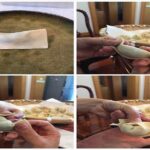
You’ll learn how the dumplings come together, including how the dough is handled and how the stuffing gets added. The goal is a dumpling you can seal and shape cleanly, so it holds together when cooked.
Spring rolls: dough, stuffing, and pan-fried results
You’ll also learn spring-roll technique, including kneading handmade dough and stuffing the rolls with ingredients your chef guides you through. The class is designed so you practice the work, not just memorize steps.
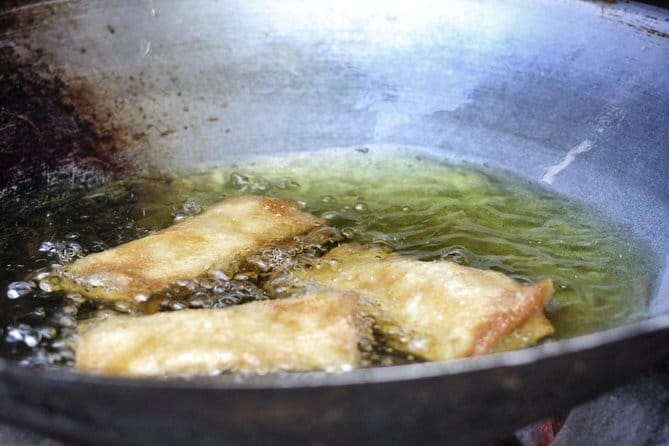
And you don’t only cook them. The experience includes eating Shanghai-style bite-size snacks, including fried spring rolls. That’s a nice reality check: you can compare what you made with what you were aiming for in terms of texture and taste.
One note on expectations
The menu details you’ll focus on are centered on dumplings and spring rolls. If you’re hoping for a huge variety of dim sum items, this may feel more focused than you’d like. But if you want to leave with technique for two staples you’ll actually make again, it’s a smart trade.
The 2-hour studio flow: from instruction to your plate
Timing here is tight in a good way. Plan on about 2 hours from start to finishing your meal.
Before class: choose morning or afternoon
You can pick a morning or afternoon session. The experience start time shown is 10:00 am, which likely lines up with the morning option. Either way, you’ll want to build in travel time to central Shanghai so you’re not rushing right before cooking begins.
Arrive, greet your guide, and meet your chef
You’ll make your own way to the cooking studio in central Shanghai, then greet your gastronomic guide. After that, the chef leads the class.
Because this is private, you and your group won’t be blended into a larger crowd. It’s built for your pace and your questions.
Chef demonstration, then you take over
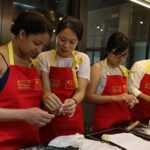
You’ll start with an informative demonstration on the core dishes. After the show-and-tell portion, you practice preparing fresh ingredients while your chef watches you work.
Expect active tasks like:
- kneading and handling dough by traditional technique
- stuffing dumplings for xiaolongbao
- seasoning the soup base used under the dumplings
- filling and shaping spring rolls
The key benefit of this format is feedback. If your dough feels wrong or the filling is portioned off, you learn faster with real-time corrections.
Finish by eating what you made
Once the prep and cooking steps are complete, you dine with your gastronomic guide. This is where the class becomes more than a skill lesson. You taste your own xiaolongbao and spring rolls as a complete plate, not scattered samples.
It’s also a good moment to ask about what to adjust next time at home, since you’re eating with the process still fresh in your mind.
The chef experience: what Chef Michael-style teaching gets right
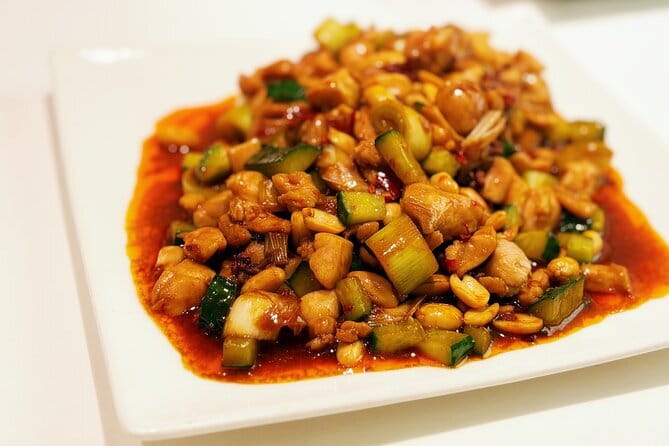
From the tone of the class reviews, the real standout is the teaching style. One example shared is Chef Michael, described as professional and nice, with clear instruction that kept the class moving smoothly. People also mentioned they learned a lot, and that the session felt quick.
That matches what you should look for in a good dim sum class: a chef who explains enough for you to succeed, without turning it into a lecture.
How the private format helps you learn
A private class matters most at the “hands are messy” stage. That’s when:
- dough can be too sticky or too dry
- seals can open during cooking
- filling portions can throw off texture
With a chef watching your work, you’re more likely to finish with dumplings and rolls that actually meet the target.
The take-home win
The reviews also point to getting recipes home. Even if you’re not planning to cook daily, having the exact guide helps you recreate the taste later, which is the difference between a fun meal and a skill you can use.
Price and value: is $141.40 per person worth it?
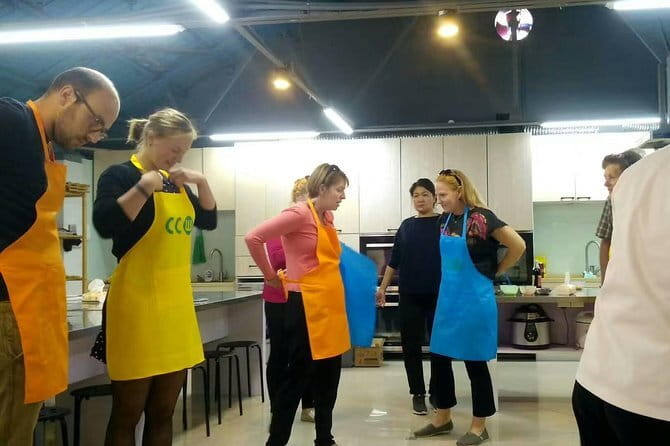
At $141.40 per person for a roughly 2-hour private class with a professional instructor and equipment, the value depends on what you want out of the experience.
Here’s what you get that often costs extra elsewhere:
- Hands-on instruction (not just tasting)
- Cooking equipment included
- A meal included (lunch)
- A private group setup with only your party participating
What’s not included:
- Hotel pickup and drop-off
- Food and drinks unless specified
So yes, you’re paying for time with a chef plus the food you make. If your goal is a quick souvenir meal, it might feel pricey. If your goal is to learn how to make xiaolongbao-style dumplings and spring rolls, it’s a fair setup because you’re not paying for only one cooked dish. You’re paying for a guided process you can repeat.
One small planning note: group discounts are mentioned as a feature. If you’re traveling with friends and can book together, that can improve the cost-per-person.
Practical planning: what to bring, where to go, and how to get ready
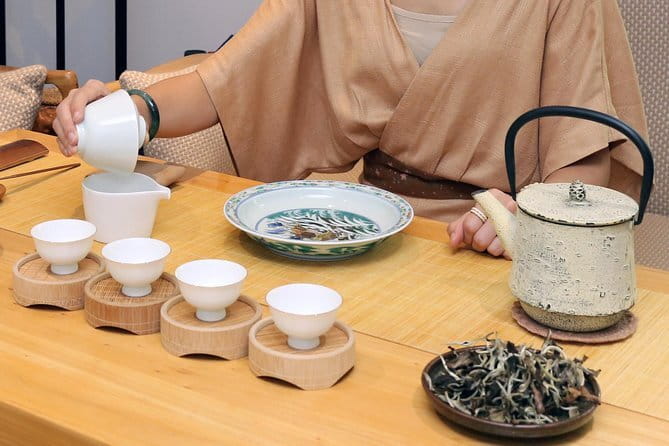
This class is in a central Shanghai cooking studio and is near public transportation. That’s a relief if you don’t want to rely on taxis for a single stop.
Get to the studio on your own
There’s no hotel pickup. You’re expected to make your way there, so I recommend picking a route ahead of time and leaving a small buffer.
Dietary needs
You can and should advise any dietary requirements at booking. If you’re vegetarian or have allergies, send the details early so the class can plan for it.
Think about your hunger level
Because lunch is included, you don’t need to eat a heavy meal right before class. But arrive hungry enough to enjoy the food you make at the end. The learning moment and the lunch moment come together.
Mobile ticket
A mobile ticket is part of the setup. That usually means less paper hassle and faster check-in, as long as you have your phone ready.
Who this dim sum class fits best
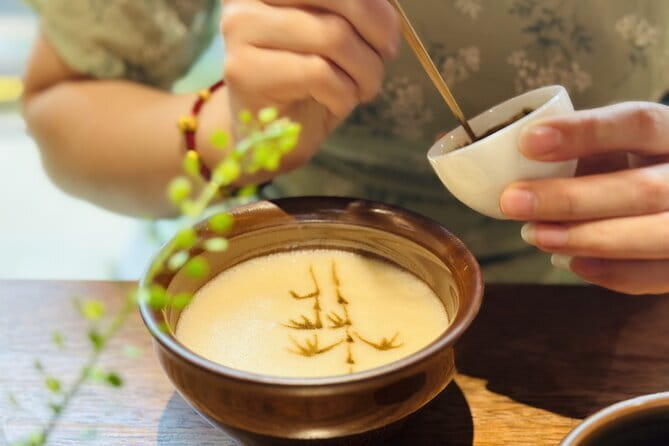
This is a strong choice if you:
- want hands-on cooking, not just a food tasting
- like learning from a chef with real-time feedback
- want a Shanghai food experience focused on two core items you can actually recreate
- are on a schedule and prefer a 2-hour format
- are traveling with a small group that wants a more private experience
It may be less ideal if:
- you want a full-day food tour with lots of different dishes
- you strongly prefer a package that includes hotel pickup and drop-off
- you’re only interested in eating, not cooking
Should you book this private dim sum cooking class in Shanghai?

If you want a fun, skill-building food experience that ends with lunch from your own work, I think it’s a smart book. The private setup plus the focus on xiaolongbao and spring rolls makes it more than a one-time meal. You leave with technique, not just photos.
Book it especially if you’re the type who enjoys learning the “why” behind a dish: broth base, dumpling filling, dough handling, and spring-roll structure. Just make peace with the one trade-off: you’ll need to get yourself to the central studio. If that’s manageable, this class is an easy yes for a Shanghai-focused food day.
FAQ
How long is the private Chinese dim sum cooking class in Shanghai?
The class lasts about 2 hours.
Is this a private tour or shared class?
It is a private tour/activity. Only your group will participate.
What dishes will I learn to make?
You’ll learn dumpling and spring-roll techniques, including making xiaolongbao and pan-fried spring rolls.
Is lunch included?
Yes. Lunch is included.
Are drinks included?
Food and drinks are not included unless specified.
Do I choose a morning or afternoon class?
Yes, you can select a morning or afternoon class to match your schedule.
Where does the class start and what time is it?
The start location is Shanghai, Shanghai, with the start time listed as 10:00 am. You’ll make your own way to the cooking studio in central Shanghai.
Are dietary requirements accommodated?
Please advise any specific dietary requirements at the time of booking.
What is the cancellation policy?
You can cancel for free up to 24 hours in advance for a full refund. Changes made less than 24 hours before the start time aren’t accepted.