REVIEW · ROME
Rome: Pizza Pro, a Hands-On Cooking Class Castel Sant Angelo
Book on GetYourGuide →Operated by Alecu Andreea · Bookable on GetYourGuide
Two hours to knead real Roman pizza. You get a hands-on pizza class in the center of Rome, a short walk from Piazza Navona, led by Italian chef Alecu Andreea.
I also love the full rhythm of the meal: start with bruschetta and a glass of prosecco, then make and eat your own pizza with ingredients you choose. One thing to think about: the kitchen space is on the small side, so bigger groups can feel a bit cramped.
In This Review
- Key Points You’ll Care About
- Central Rome Convenience: Piazza Navona and Campo de’Fiori Area
- Your Chef and the Teaching Style (Alecu Andreea, English and Italian)
- Bruschetta First: How the Class Sets the Pace
- Hands-On Pizza Making: Dough, Shaping, and Your Own Pie
- Baking and Eating Together: Turning Lessons Into a Meal
- Tiramisu and Limoncello: The Sweet Finish Done Italian-Style
- Price and Value: Is $67.97 Worth It?
- Small Kitchen Reality: Comfort for Couples vs. Groups
- Who This Pizza Class Suits Best
- Should You Book Pizza Pro Near Castel Sant Angelo?
- FAQ
- How long is the Rome pizza cooking class?
- What is included in the price?
- Where does the class start and end?
- What languages are used during the class?
- Do I choose what goes on my pizza?
- Is there free cancellation or pay later?
Key Points You’ll Care About
- Prime central meeting point: Via di Banco di Santo Spirito 19, easy to reach from major sights like Piazza Navona
- Step-by-step pizza coaching from an English/Italian instructor (Alecu Andreea)
- Hands-on dough work: knead, stretch, shape, then bake your pizza
- Included drinks and meal: bruschetta, prosecco, plus beer or a non-alcoholic drink
- Dessert finale: tiramisu paired with a shot of limoncello
- Take-home value: you get recipes to recreate what you learned later
Central Rome Convenience: Piazza Navona and Campo de’Fiori Area
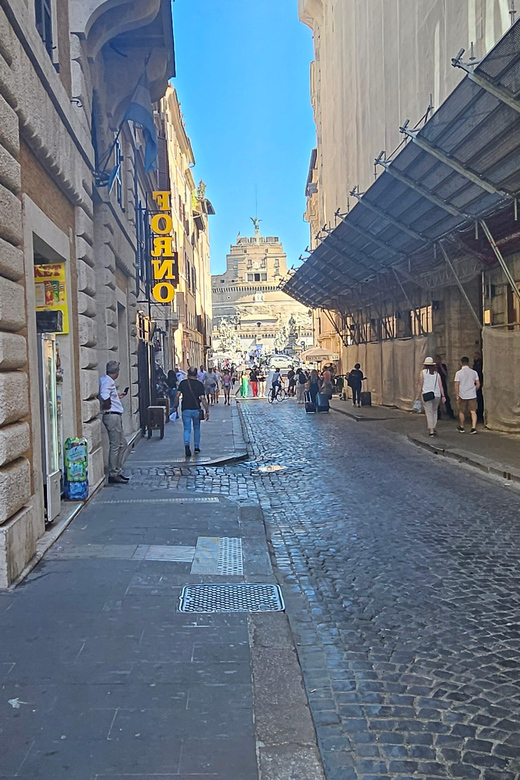
This is the kind of cooking class that fits cleanly into a Rome day, because it’s in the old-city core. The experience is described as being about a 5-minute walk from Piazza Navona, and it’s also positioned around Piazza Campo de’Fiori. In practical terms, that means you’re not spending your limited time commuting across town.
The meeting point is Via di Banco di Santo Spirito 19, and the activity ends back at the same place. That round-trip setup matters because you can plan your day without worrying about where you’ll be dumped after the class.
If you like your food experiences attached to walkable neighborhoods, this one has that going for it. You can pair it with sightseeing before or after, and you’ll still be close to the “Rome feels like Rome” streets. Just remember: you’re coming into a kitchen, so plan for a little mess and smell of dough in your day, because that comes with the territory.
You can also read our reviews of more tours and experiences in Rome.
Your Chef and the Teaching Style (Alecu Andreea, English and Italian)
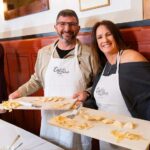
The class is guided by Italian chef Alecu Andreea, with instruction in English and Italian. That bilingual setup helps a lot if you’re not fluent. You get step-by-step guidance for pizza creation, from dough preparation to how the baking part works.
What you want from a cooking class in Italy isn’t just tasting. It’s learning the method you can repeat at home. The structure here is designed for that: you’ll go through the process in stages, rather than being left to figure out dough by trial and error.
The reviews also point to something small but important: when language gets in the way, translation support can make the difference between feeling lost and feeling confident. If you’re going with a partner, it can feel especially relaxed because the instruction focuses on what you’re doing, not just what’s happening behind glass.
Bruschetta First: How the Class Sets the Pace
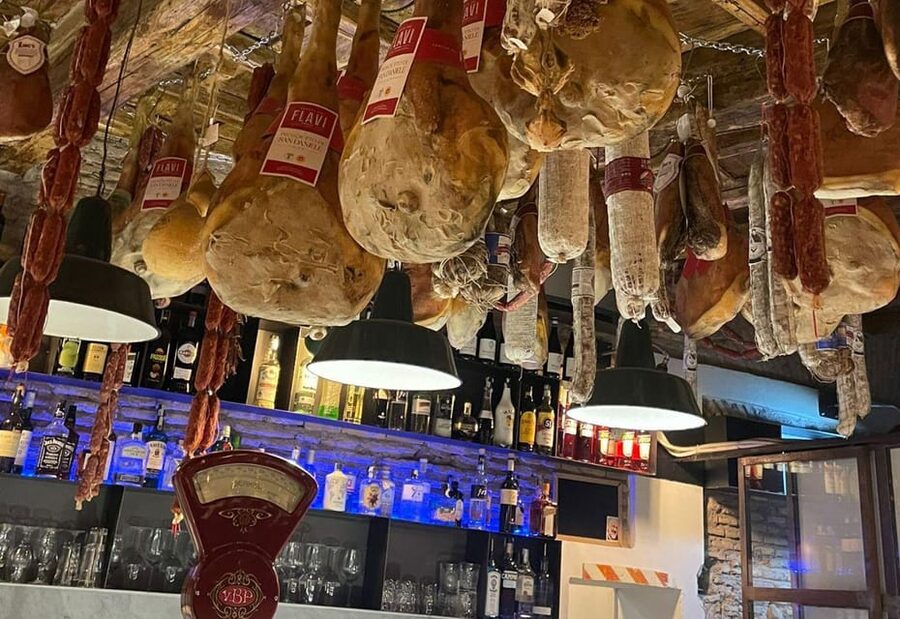
Before you touch dough, you start with bruschetta. It’s described as crusty bread topped with fresh tomatoes, aromatic herbs, and a drizzle of balsamic glaze. That first course is more than a snack. It’s a timing tool.
You arrive hungry, you eat something classic and fresh, and then you’re ready to focus when the chef starts walking you through pizza-making. It also gives you a quick taste of the ingredients logic behind Italian cooking: simplicity, freshness, and balance.
Drinks kick in right away, too. You get one glass of prosecco, plus later or alongside the meal a glass of beer or a non-alcoholic drink. This matters if you’re the type of person who gets flustered when cooking while hungry. The class keeps you comfortable, with food and drink while you learn.
Hands-On Pizza Making: Dough, Shaping, and Your Own Pie
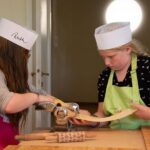
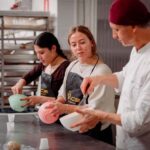
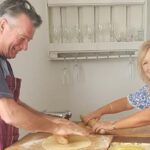
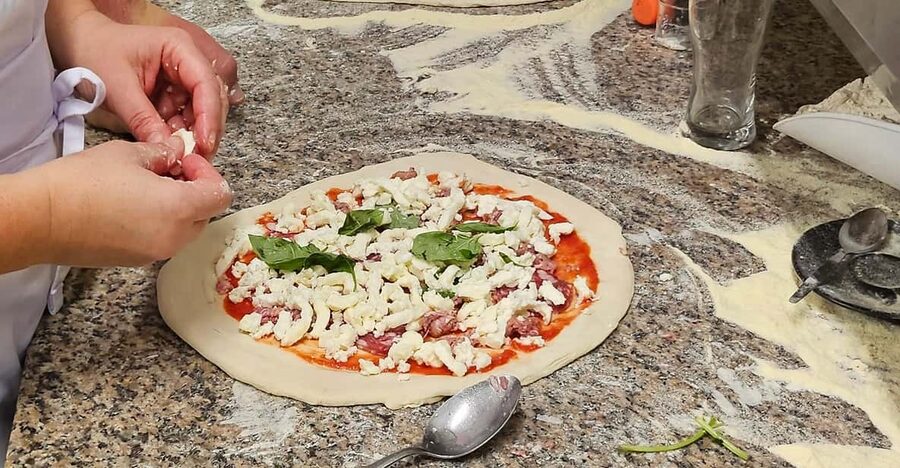
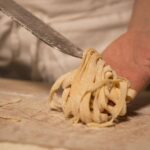
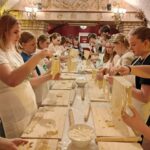
This is the core experience: you make the pizza. The class is hands-on, and you’ll work the dough—knead, stretch, and shape it—under step-by-step guidance. That’s the difference between a cooking demo and a real skill-building session.
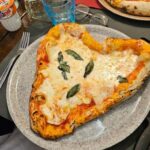
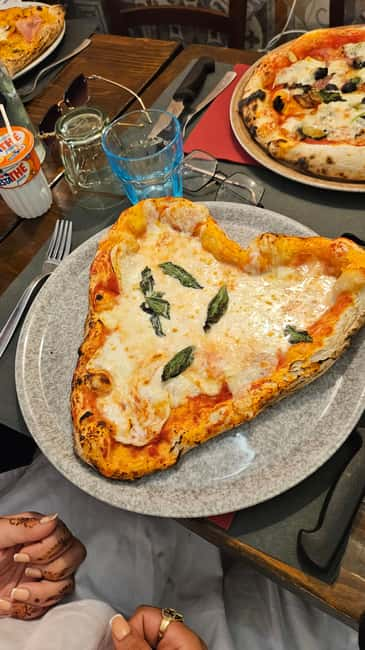
The great part for you is creative control. You make your own handmade pizza using ingredients of your choosing. That means you aren’t just repeating a preset recipe. You can build what you actually like, whether you’re craving a classic Margherita-style approach or something more custom with sauces, cheeses, and toppings.
The process is also about technique, not only ingredients. You learn how to handle dough and what “good pizza dough” looks like, so you can improve your results later at home. And because you eat what you make, you get immediate feedback. If your dough felt elastic in your hands, it’s likely to translate into a satisfying bite.
Practical tip: wear something you don’t mind getting a little flour on. Even if the kitchen keeps things controlled, pizza dough has a way of leaving its mark.
Baking and Eating Together: Turning Lessons Into a Meal
After shaping, the class moves toward the baking phase. The included structure notes training in baking techniques, and the meal is built around taking out and enjoying the pizza you made. That means the cooking isn’t a separate activity that ends and then you go elsewhere to eat.
Instead, the class becomes a full mealtime: you’re learning and eating within the same 2.5-hour window. For me, that’s a big part of why the format feels efficient. You don’t lose time transferring between locations, and you don’t lose momentum after you’ve learned the hardest part.
You also get a sense of how ingredients behave once heated. That’s hard to learn from reading alone. It’s also one of the reasons this kind of class can feel worthwhile even if you’ve cooked before. You’re not just copying; you’re tasting your own technique.
And don’t ignore the “take-home recipes” detail. Recipes are included at the end, which helps you remember what you did, especially if you’re booking this during a busy sightseeing stretch.



Tiramisu and Limoncello: The Sweet Finish Done Italian-Style
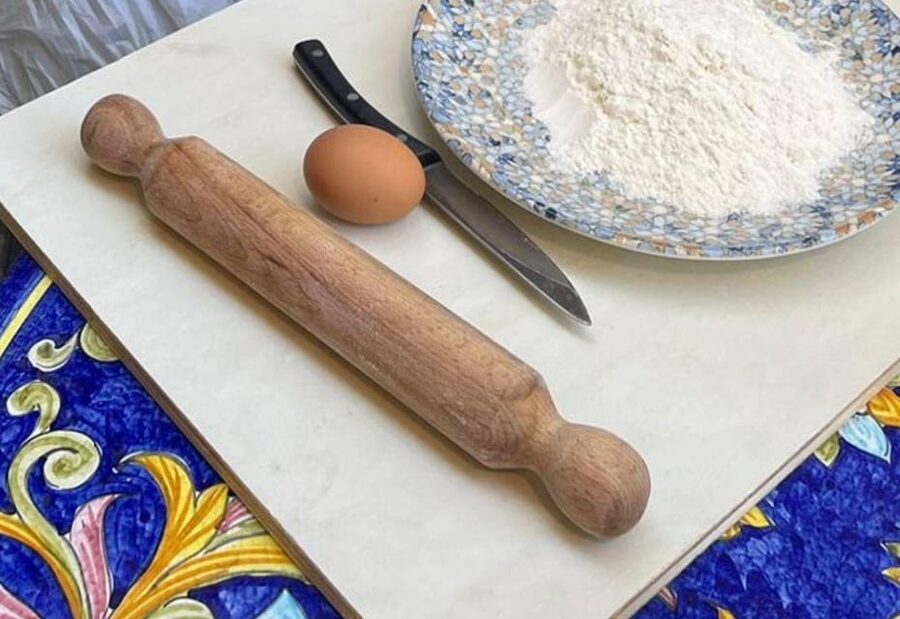
Classes that stop at pizza can feel unfinished. This one plans the close carefully.
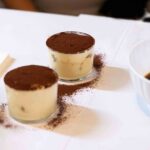
You’ll have tiramisu, described as a blend of espresso-soaked ladyfingers, creamy mascarpone, and a hint of cocoa. Then you get a shot of limoncello, Italy’s signature lemon digestif. Together, they create a classic end-of-meal arc: creamy coffee sweetness first, bright citrus shot afterward.
What this does for you is pacing. After making dough, you want something that feels rewarding, not just another course. Tiramisu brings comfort. Limoncello cuts through with a sharp, clean finish that helps digestion and makes the meal feel complete.
If you’re traveling with someone who loves dessert, this is a strong win. The class clearly treats dessert as part of the experience, not an afterthought.
Price and Value: Is $67.97 Worth It?
At $67.97 per person for a 2.5-hour class, the value comes from what’s included, not just the cooking.
You get:
- Bruschetta appetizer
- One glass of prosecco
- One glass of beer or a non-alcoholic drink
- Your own handmade pizza with ingredients of your choosing
- Tiramisu
- One shot of limoncello
- Recipes to take home
That’s multiple food and drink items plus real instruction from an Italian chef. In Rome, a full meal plus drinks can easily add up on its own, and you’d still be missing the structured pizza practice and the recipes afterward.
So for me, the best way to judge this price is to think of it as a guided dinner experience where you also learn a skill. If you’re the type who’ll actually cook pizza at home again, the recipe take-home piece pushes the value upward. If you’re mostly there for snacks, you might feel more satisfied with a standard tasting meal instead.
Small Kitchen Reality: Comfort for Couples vs. Groups
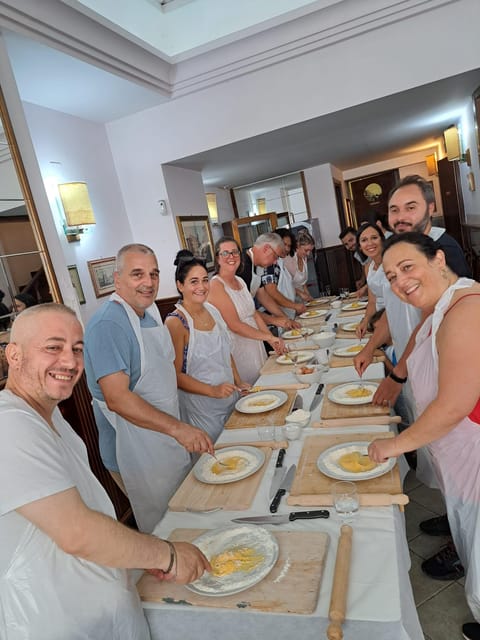
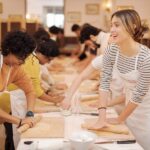
The kitchen is described as small, and one review flags that groups can find it a bit complicated because of space. That’s useful information for you when deciding whether to book with friends or a larger party.
If you’re going as a couple, the class can feel more personal. One review specifically highlights an experience described as being just the two of them with good cooperation from the cook and support from the agency for translation.
If you’re a group, consider what kind of cooking vibe you prefer. If you like everyone working shoulder-to-shoulder, small spaces can be fine. If you want lots of room to spread out tools and move comfortably, go in knowing the practical limit.
The good news: despite the tight setup, the tone sounds friendly and focused on sharing the process. The experience is built around interaction, so even in a compact kitchen, you should still get a clear role in making your pizza.
Who This Pizza Class Suits Best
This class fits well if you fall into any of these buckets:
- You want an authentic, food-centered activity that isn’t just watching
- You like hands-on lessons with an Italian chef and bilingual support
- You’re a beginner who wants structure, or a returning cook who wants technique feedback
- You enjoy eating what you make, not just leaving with ideas
It’s also a strong choice if you’re short on time and want something that combines shopping-free dining (no searching for ingredients), drinks, and dessert in one predictable block.
You might want to consider skipping it if you hate cooking in close quarters or you’re only after a low-effort snack break. The class includes real work with dough, and it’s designed for people who enjoy that.
Should You Book Pizza Pro Near Castel Sant Angelo?
I’d book this if you want a Rome experience that’s genuinely practical: you get guided pizza-making, you eat the results, and you leave with recipes you can actually use later. The central location around Piazza Navona/Campo de’Fiori makes it easy to slot into your day, and the included lineup (prosecco, bruschetta, tiramisu, limoncello) makes it feel like a complete meal, not a bare-bones workshop.
If your group is large or you’re very sensitive to tight spaces, you should weigh the small-kitchen issue before committing. But for couples, solo foodies, and anyone who wants to learn dough technique instead of just tasting pizza, this is a smart, value-forward choice.
FAQ
How long is the Rome pizza cooking class?
It lasts about 2.5 hours, and starting times vary by availability.
What is included in the price?
The class includes bruschetta, one glass of prosecco, one glass of beer or a non-alcoholic drink, your own handmade pizza with ingredients you choose, tiramisu, and one shot of limoncello. Recipes are also included.
Where does the class start and end?
It starts at Via di Banco di Santo Spirito 19 and ends back at the same meeting point.
What languages are used during the class?
Instruction is available in English and Italian.
Do I choose what goes on my pizza?
Yes. You make your own handmade pizza, and you can choose your ingredients.
Is there free cancellation or pay later?
Yes. You can reserve and pay later, and you can cancel up to 24 hours in advance for a full refund.
If you want, tell me your group size and what kind of pizza you like (classic Margherita vs. more adventurous toppings). I’ll suggest how to approach your choices during the class so you get a pizza you’ll actually want to recreate at home.