REVIEW · SHANGHAI
2.5hrs Chinese Kitchen Cooking Class: Art Steamed Dumplings
Book on Viator →Operated by Trippest Travel · Bookable on Viator
Dumplings make the best homework. In this Shanghai class, you’ll shape steamed dumplings with special colorful touches in a small group (max 15), sipping included tea as you work. One watch-out: the session also spends time on culture, tea, and dumpling meaning, so it’s not a nonstop technique drill for people who want only cooking.
This is built for real beginners. You meet at Guangyuan Road (Guang Yuan Lu, Xu Hui Qu), near public transportation, which keeps the whole plan from turning into a hunt for your ride. If you want a hands-on food story that fits easily into a day of sightseeing, this one does the job.
You’ll learn the practical stuff: kneading dough by hand, rolling the wrapper with a Chinese-style approach, marinating pork (or choosing a vegetarian version), and folding dumplings in different ways. Along the way you’ll pick up the Chinese names and the symbolic meaning behind the shapes, plus how long to steam and how to make the dipping sauce.
In This Review
- Key Things You’ll Actually Care About
- Why This Steamed Dumpling Class Feels Like a Banquet Secret
- Meeting at Guangyuan Road: Simple Logistics for a 2:30 Start
- From Kneading Dough to Rolling It Chinese-Style
- Marinating Pork (or Going Vegetarian) Without Making It Complicated
- Folding Dumplings, Learning Names, and Timing the Steam
- Sauce and Tea: Turning Your Work Into a Meal
- The Chef Factor: When Patient Teaching Makes You Faster
- Price and Value: What $109.88 Buys You in Shanghai
- Who Should Book This Dumpling Class
- Should You Book This Class, or Choose Something Else?
- FAQ
- Where is the class meeting point?
- How long is the dumpling class?
- Does the class offer a vegetarian option?
- What’s included in the price?
- Is hotel pickup or drop-off included?
- How large is the group?
Key Things You’ll Actually Care About
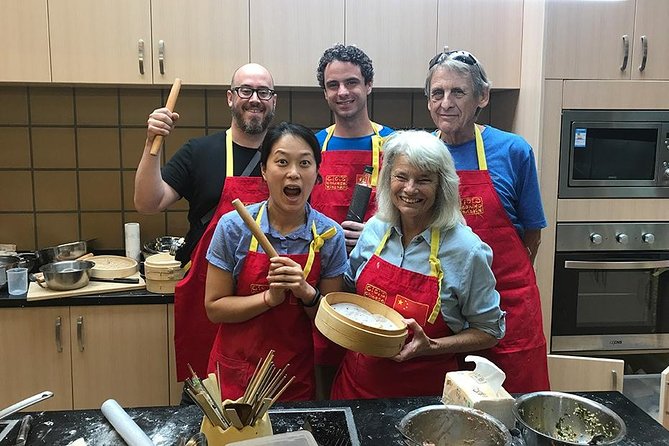
- Max 15 people means more attention at the table and fewer “wait and watch” moments.
- Included tea keeps you comfortable while you learn dough, filling, and steaming timing.
- Pork or vegetarian filling gives you a choice without losing the core dumpling technique.
- Colorful chopped vegetables go into the mix in a way you won’t usually see in everyday restaurants.
- Folding styles + Chinese names help you understand what you’re making, not just copy a shape.
- Homemade sauce and shared eating make the class feel complete, not like a demo.
Why This Steamed Dumpling Class Feels Like a Banquet Secret
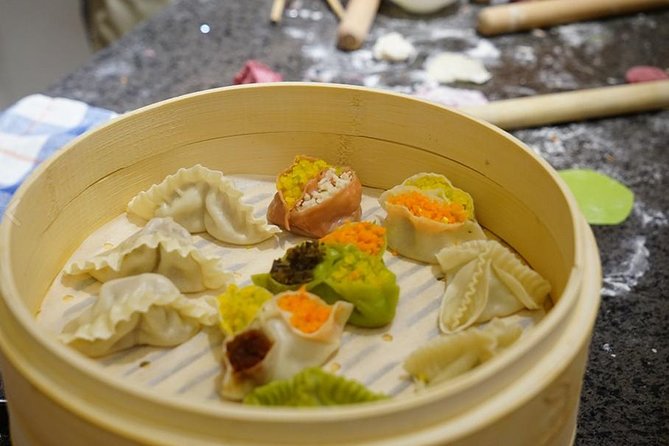
There’s a difference between eating dumplings and making them. Here, the goal isn’t just food—it’s the look, the fold, and the small choices that turn a basic wrapper into something you’d expect at a special table.
The class focuses on steamed dumplings that you might not find in ordinary restaurant settings. The shapes can be striking—part of what they teach is how to create those “state banquet or five-star hotel” style dumpling looks, not just any dumpling that will survive the pot.
I also like that the learning feels structured but relaxed. You work with a chef who guides you through dough, filling, assembly, and steaming, and then you sit down together to eat what you made. That pairing—hands-on prep plus a group meal—is where the value shows up.
One more point: this class has room for conversation. Some people loved the culture and tea chat so much that the cooking portion may feel a bit lighter than expected if you’re mainly chasing serious technique time.
You can also read our reviews of more tours and experiences in Shanghai.
Meeting at Guangyuan Road: Simple Logistics for a 2:30 Start
You’ll meet at Guangyuan Road in the Xu Hui District (Guang Yuan Lu, Xu Hui Qu, Shanghai). The good news is that it’s near public transportation, so you’re not locked into a car or complicated pickup.
The schedule has a start around mid-afternoon (2:30 pm noted), with time set aside before that for introductions and ingredient context. In other words, you’ll arrive, settle in, and get moving without a long waiting window.
A small practical note: there’s no hotel pickup or drop-off included. If you’re staying far from Xu Hui or you’re relying on taxis only, factor that into your planning so you don’t feel rushed.
And since the class is capped at 15 people, showing up on time matters. When a room is small, late arrivals can throw off the whole flow—dough and filling move fast.
From Kneading Dough to Rolling It Chinese-Style
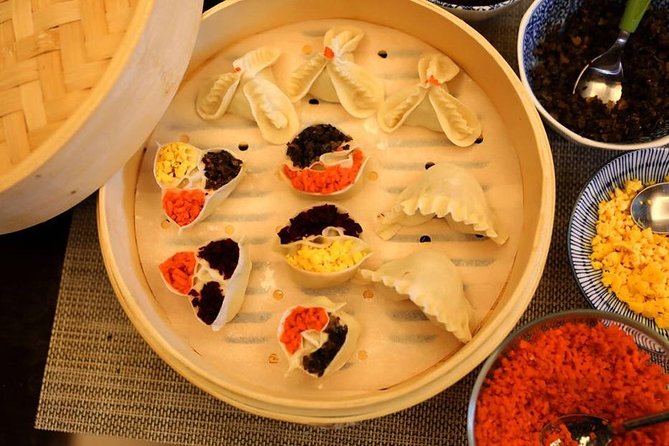
This is one of the most useful parts of the class, especially if you’ve never made dumplings before. You’ll knead dough by hand, then learn how to make the wrapper. The wrapper step is where many dumpling workshops either skip detail or move too fast, but here you get a Chinese-style approach using a rolling method rather than a western “just roll it flat and hope” strategy.
You also learn how the wrappers connect to the final look. Dumpling shape isn’t random. It’s linked to wrapper size and thickness, which affects how the fold holds and how the dumpling steams through.
Another helpful touch is that you’re not just taught the motions. You’ll learn the Chinese names of different dumplings and what they symbolize. That may sound like fun trivia, but it changes the way you pay attention. When you know what shape you’re aiming for, you’re less likely to treat it like a craft project that only ends in okay-looking results.
Marinating Pork (or Going Vegetarian) Without Making It Complicated
The filling is pork-based for the standard version, with a vegetarian option available. If you have dietary preferences, you’ll want to note them at booking since the class is vegetarian-friendly and vegan vegetarian applicable.
The chef teaches you how to marinate the pork in an easy way that’s described as healthy. Even if you already cook meat at home, this kind of structured guidance is valuable because dumpling fillings can turn bland fast or go too salty if you wing it.
For vegetarian versions, you’ll still work through the same dumpling workflow—wrappers, filling, folding, steaming. That keeps the class from feeling like two different experiences.
You’ll also add colorful chopped vegetables. This isn’t just decoration. It helps explain how fillings and finishing details work together, giving you those dumplings that look “special” instead of the plain ones you might see at a casual stall.
Folding Dumplings, Learning Names, and Timing the Steam
Folding is the heart of this class—and where your hands get the most practice. You’ll learn different folding ways, and you’ll also learn what the dumplings are called in Chinese and what those shapes mean.
This is exactly the kind of skill you can’t really pick up from eating. A restaurant dumpling doesn’t teach you pressure points, seam alignment, or how to avoid leaks. Here, you build that knowledge by making folds yourself.
Then comes one of the most important technical lessons: steaming time. Steaming is where dumplings can go from perfect to pasty if you don’t know what “enough time” actually means for your specific setup. The chef teaches you how long it’s best to steam, so you’re not guessing with a timer and a sense of dread.
If you’re worried your dumplings will look messy, don’t. The class is designed for normal people, not professional dough engineers. The fun isn’t just the end result—it’s learning why your dumpling behaves the way it does when it hits the steamer.
Sauce and Tea: Turning Your Work Into a Meal
You won’t leave with only raw technique. You’ll make a sauce to dip your dumplings into, and you’ll enjoy the meal as part of the class.
Included tea is part of the rhythm here. You sip while you cook, which sounds small, but it helps you stay relaxed during the most fiddly steps—kneading, rolling, filling, and folding are all hands-on and a little slow the first time.
The dipping sauce also matters because it connects the whole experience. Dumplings can be delicious on their own, but the right sauce gives you the taste balance that makes the dumpling feel complete.
And here’s a big value point: you’re eating what you made, in the same environment where you learned it. That feedback loop is hard to replicate when you just take a cooking “tour” where you watch someone else do everything.
The Chef Factor: When Patient Teaching Makes You Faster
Two instructor names come up in the feedback I’d pay attention to if you care about teaching quality. Yin is described as very nice, with a welcoming vibe that made time feel enjoyable even beyond the stove. Cici is mentioned as a helpful chef who was especially nice.
That matters because dumplings are a skill. If the teacher is patient, you stop wasting energy on frustration and start focusing on details like fold tightness and wrapper thickness.
The class also includes cultural context. You’ll learn about cooking culture and local ingredients early on, and you may chat about Chinese history and culture as the class moves. This is a plus if you like food stories and context. It can be a drawback if you expected pure hands-on instruction with minimal talk.
Price and Value: What $109.88 Buys You in Shanghai
At $109.88 per person, this isn’t a bargain-basement street snack experience. You’re paying for guided teaching, ingredients, and a full small-group class that ends with a shared meal.
The value equation looks stronger when you factor in the details:
- Small group size (max 15), which usually means more real help.
- English-speaking chef, so you’re not stuck guessing about technique.
- Tea included, plus the dumplings and sauce you make and eat.
- Vegetarian-friendly setup, so you’re not “limited” in the class.
It’s also scheduled as a compact 2 hours 30 minutes class, which is a good length for visitors. Long cooking marathons are fun, but they can collide with sightseeing. This one fits into an afternoon and gives you a clear finish: eat, then end with a recipe.
One more practical angle: it’s commonly booked about 17 days in advance on average. If you’re traveling in peak season or on a busy schedule, booking earlier tends to reduce last-minute stress.
Who Should Book This Dumpling Class
This is a strong match if you want:
- A small-group Shanghai cooking experience with real interaction
- A first-time dumpling lesson that still teaches technique steps (dough, filling, folding, steaming)
- A chance to learn the Chinese names and symbolic meaning behind dumpling shapes
- A vegetarian-friendly option without changing the entire class experience
It may be less ideal if:
- You want only hands-on cooking time with minimal cultural chat
- You’re looking for a deep, multi-course Shanghai food feast that lasts half a day or more
Also, children under 3 can join for free, which can help families decide if the class is worth the effort. Just note that cooking classes involve hot steam and shared working space, so you’ll still want to use common sense about supervising very young kids.
Should You Book This Class, or Choose Something Else?
I’d book it if you’re excited by the idea of making dumplings that look like something from a special occasion, not just a quick meal. The combination of dough skills, fold practice, steaming timing, sauce-making, and then eating together is a complete loop—and that’s what makes these classes memorable.
I’d think twice if you’re the type who learns only through nonstop instruction. This class includes cultural and tea talk, and some people may find the balance slightly more social than expected. If that sounds like your style, you’re in the right place.
If you want a Shanghai souvenir that’s edible and teachable—something you can recreate at home—this is a smart choice.
FAQ
Where is the class meeting point?
The class meets on Guangyuan Road (Guang Yuan Lu, Xu Hui Qu, Shanghai). The activity ends back at the meeting point.
How long is the dumpling class?
The duration is approximately 2 hours 30 minutes.
Does the class offer a vegetarian option?
Yes. The class is vegetarian-friendly, and vegan/vegetarian is applicable. You should write down your food preference at booking.
What’s included in the price?
It includes the cooking class, complimentary tea, and a friendly English-speaking chef.
Is hotel pickup or drop-off included?
No. Hotel pickup and drop-off services are not included.
How large is the group?
The class has a maximum of 15 travelers.