REVIEW · KATHMANDU
Women Empowerment Project(Nepali cooking class & jewelry workshop
Book on Viator →Operated by Human welfare committee · Bookable on Viator
Momos and purpose in one afternoon. This Kathmandu experience pairs Nepalese cooking with women’s empowerment, so your time at the Human welfare committee means something beyond lunch.
I really like the hands-on pace and how friendly it feels, even if you’re not the chatty type. You learn classic dishes like masala chai and momos, then end the second day making jewelry you can actually keep.
One heads-up: this is active and practical. You’ll get hands-on with dough and cooking, and jewelry crafting isn’t for you if you want zero mess and zero concentration.
In This Review
- Key highlights worth clearing space for
- Why this empowerment project beats another cooking class
- Day 1 at Human welfare committee: masala chai, pakoda, and momo prep
- Buff momo vs veg momo: what you’ll actually figure out
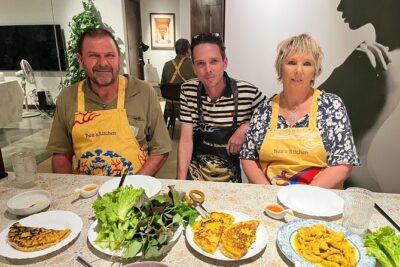
- The lunch table: eating what you made, with real people
- Day 2 jewelry workshop: craft something you can wear
- Who might meet: Aastha, Syanbi (the Momo Queen), Buddha, and Tara
- Price and value: what $50 buys you in real terms
- Location and timing: plan around Paknajol and a 3-hour rhythm
- What to pack (and what to expect) for hands-on cooking and jewelry
- Should you book this Women Empowerment Project class?
- FAQ
- How much does it cost?
- How long is the experience?
- What do I cook on Day 1?
- What do I do on Day 2?
- Where does the experience start?
- Is it a private experience?
- What is the cancellation timeline?
Key highlights worth clearing space for
- Two-day flow: chai and snacks on Day 1, jewelry workshop on Day 2.
- You cook the meal: from dumpling prep to eating what you made together.
- Classic Nepalese dishes: masala chai, pakoda, and both buff and vegetable momos.
- A friendly, low-pressure vibe: lots of conversation, patient help, and encouragement.
- You meet the project team: the Human welfare committee plays a direct role in the experience.
- Mobile ticket + private setup: only your group participates, and you start at HandicraftPaknajol.
Why this empowerment project beats another cooking class
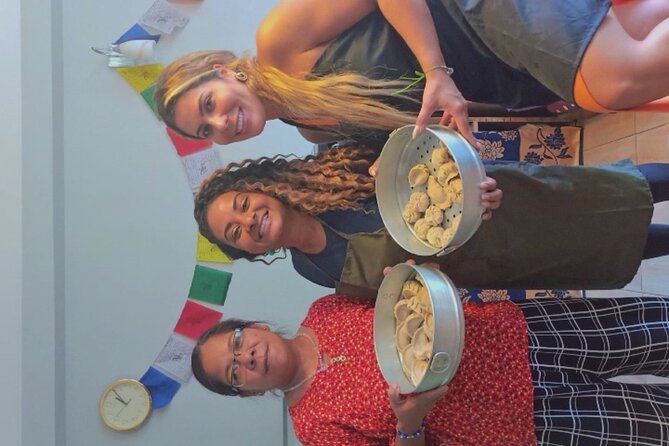
In Kathmandu, you can find cooking classes that focus only on food. This one adds a second ingredient: women’s empowerment in Nepal, tied to the Women Empowerment Project run through the Human welfare committee.
That changes the mood. You’re not just copying recipes. You’re learning skills, meeting people connected to the project, and seeing how everyday activities can create real support.
It also feels practical. You won’t be trapped in a lecture. You’ll be working with your hands, asking questions, and eating lunch you made yourself.
And yes, the food matters here. You’ll learn how Nepalese flavor actually comes together: from spices in chai to the technique of shaping momos.
You can also read our reviews of more tours and experiences in Kathmandu.
Day 1 at Human welfare committee: masala chai, pakoda, and momo prep
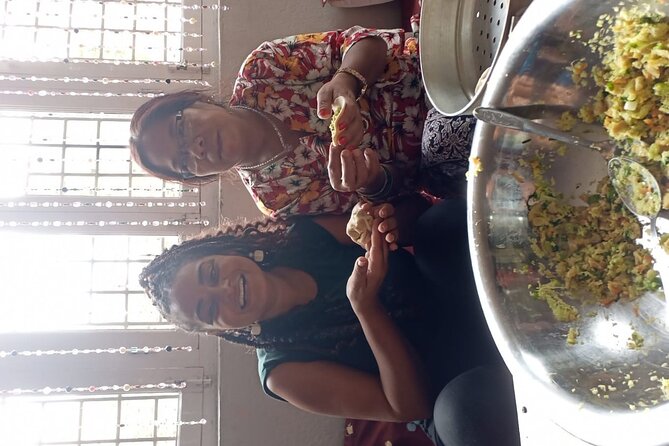
Day 1 is built like a confidence ladder. First you get set up with a warm introduction, then you start cooking right away.
The session begins with traditional masala chai. You’ll make a cup that’s comforting but also very specific in balance—spice, warmth, and the kind of aroma that makes the whole room feel awake. After that, you move into Nepali snacks, including pakoda, which gives you a chance to practice batter and frying technique in a guided way.
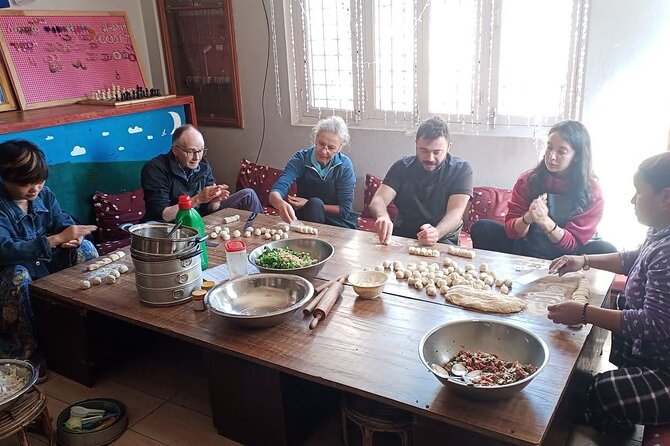
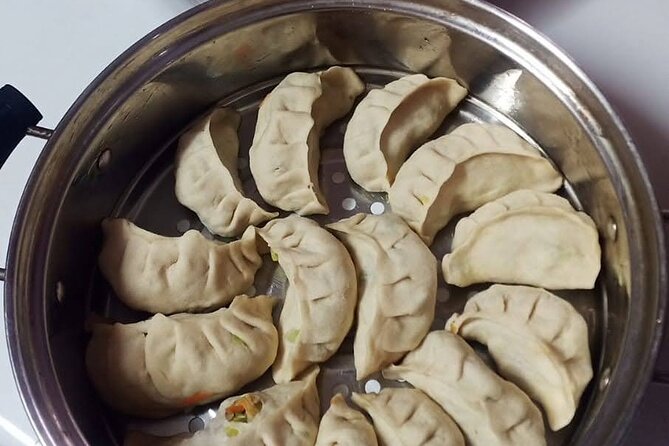
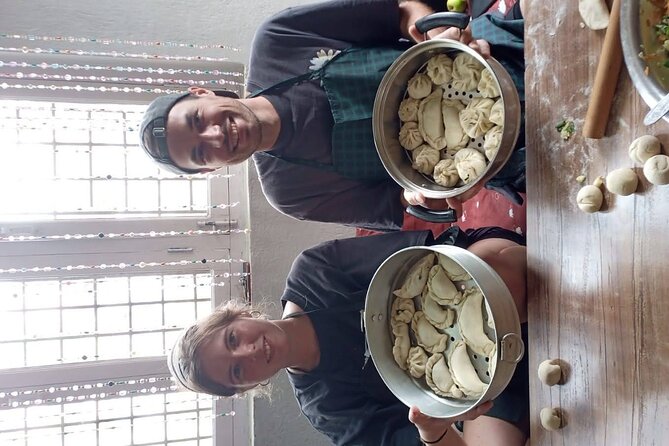
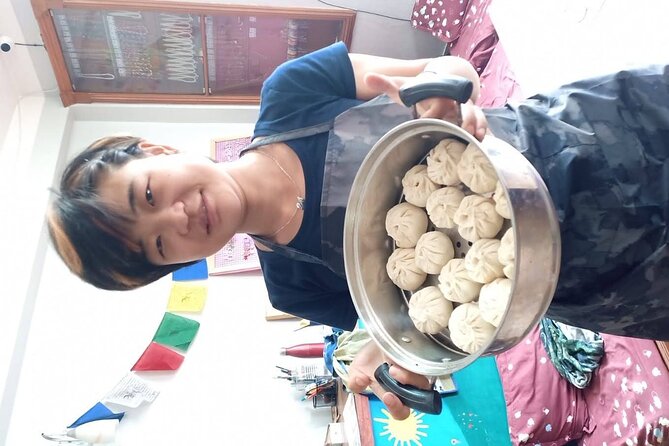
Then comes the big moment: making momós. You’ll work on dough and filling, and you’ll shape dumplings you’ll later eat. The class includes both buff momo and veg momo, so you get to understand how different fillings behave and how the cooking results can vary.
This day wraps with lunch built around the dumplings you helped prepare. It’s not just a meal break. It’s the payoff for the work you did earlier.
Buff momo vs veg momo: what you’ll actually figure out
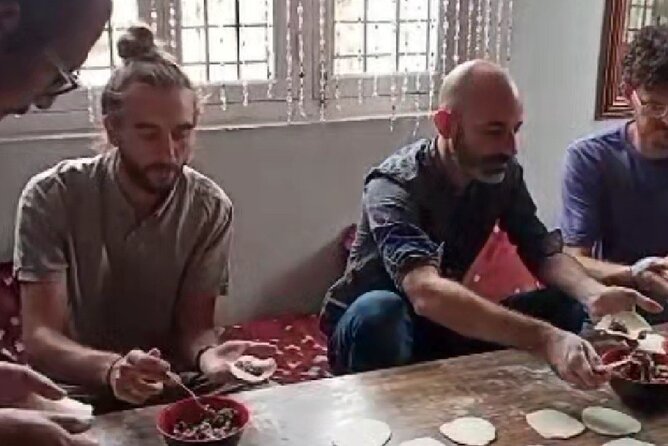
A lot of cooking classes skip the details that make food taste right. Here, you get enough hands-on time to notice the difference between fillings and shaping.
For buff momos, you’ll learn how to season and handle a meat filling. The dough part is key too: if the wrapper is right, the dumplings hold together better and cook more evenly. You also get practice shaping so they look like they belong in Nepal, not like they wandered in from another kitchen.
For veg momos, you’ll see how vegetable fillings bring moisture and texture in a different way. You’ll understand why the veg mixture can change how you portion and seal. It’s a useful lesson if you ever want to recreate momos at home.
And the teaching style seems designed for beginners. Multiple sessions highlight patient instruction and a teacher who makes momo-making feel doable—not mysterious.
The lunch table: eating what you made, with real people
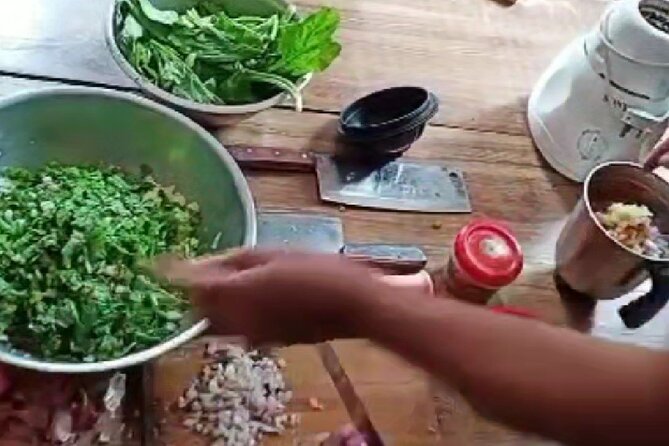
Lunch is simple in concept: you gather and eat. But the effect is bigger than you’d expect.
Because you made the dumplings (and the prep felt collaborative), lunch turns into a shared moment rather than a random stop. You’ll likely eat with volunteers and project members. That matters when you’re trying to understand the purpose behind the experience, not just the menu.
Also, you don’t have to worry about it being a stiff, formal meal. The tone described from the sessions is warm, relaxed, and easy to join. People repeatedly mention how comfortable the group environment feels—especially if you’re thinking you might be awkward.
Day 2 jewelry workshop: craft something you can wear
Day 2 shifts gears from the kitchen to your hands and creativity.
You’ll go to the Human welfare committee again for the jewelry workshop, where you craft your own pieces. The setup is beginner-friendly, with guidance for people who are new to the craft and support for anyone who wants to refine their skills.
The best part is that you create something physical at the end of the day. Food teaches you flavor. Jewelry teaches you patience and technique. And in this case, it also connects to the same empowerment mission driving the project.
If you like making things with your hands, this second day gives the trip balance. If you’re only interested in food, you might wonder whether jewelry is extra. It is extra. But it also turns your payment into something tangible you take home.
Who might meet: Aastha, Syanbi (the Momo Queen), Buddha, and Tara
The guiding team is part of what makes this experience feel welcoming.
In the sessions, names like Aastha and Syanbi come up, with Syanbi described as the Momo Queen. Other guides such as Buddha and Tara are also mentioned in the context of teaching and helping run the class.
You should treat this as a helpful clue, not a guarantee. Still, it suggests you’re in good hands, with people who take time and explain things clearly enough for you to succeed.
Price and value: what $50 buys you in real terms
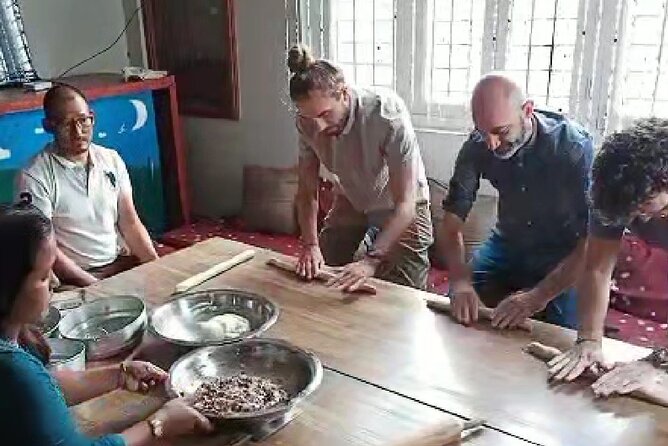
At $50 per person for about two days, this is strong value for a city like Kathmandu, especially because you’re not just watching.
You get:
- Multiple cooking components on Day 1: masala chai, pakoda, and momos (including buff and veg).
- A lunch tied to what you cooked.
- A second workshop on Day 2 focused on jewelry crafting.
- Admission included, and you’ll have a mobile ticket.
The practical way to think about the price: you’re paying for instruction, ingredients, and time from a project team, plus direct contribution to a women’s empowerment effort. For many people, that emotional value is as important as the food.
And since it’s described as private (only your group participates), it’s often easier to ask questions and stay comfortable than in a big mixed crowd.
Location and timing: plan around Paknajol and a 3-hour rhythm
You start at HandicraftPaknajol, Kathmandu 44600. The activity ends back at the meeting point, so you don’t need to figure out a separate drop-off.
The opening window listed is Monday to Wednesday, 10:00 AM to 6:00 PM. Your confirmation happens at booking, so you’ll want to align your sightseeing schedule around the session time you’re assigned.
Each day is listed at about 3 hours, so you can treat this like an afternoon-sized block. It’s a nice way to break up the harder sightseeing days when your feet and brain are tired but you still want something real.
It’s also near public transportation, so you’re not stuck relying on a private car.
What to pack (and what to expect) for hands-on cooking and jewelry
No one wants to show up unprepared. Since this is hands-on, bring your common sense travel basics:
- Closed-toe shoes you don’t mind getting a little messy.
- Something comfortable for sitting and working at close range.
- If you’re sensitive about smells or heat, plan for short bursts of cooking activity.
The cooking part involves dough and food preparation. The jewelry part involves crafting. Either way, you’ll be working, learning, and creating, not just observing.
If you care about photos, consider that you’ll be focused on doing the steps. The upside is you’ll have plenty of proof at the end: lunch you made and jewelry you created.
Should you book this Women Empowerment Project class?
Book this if you want an experience that feels meaningful without being preachy. You’ll learn real Nepalese comfort foods like masala chai and momos, then you’ll spend Day 2 crafting jewelry with a project team tied to women’s empowerment.
Skip it if you only want pure sightseeing content and hate hands-on classes. Also skip if you’re expecting a long, deep cooking course. This is a structured 2-day experience, but it’s not a multi-week culinary school.
For most people, though, this is a smart add to a Kathmandu visit: it’s cultural, practical, and gives you two takeaways—skills and something physical to bring home.
FAQ
How much does it cost?
The price is $50.00 per person.
How long is the experience?
It runs for about 2 days (each day is listed as about 3 hours).
What do I cook on Day 1?
You’ll make masala chai, Nepali snacks like pakoda, and momos including buff momo and vegetable momo. You’ll also eat the momos for lunch.
What do I do on Day 2?
Day 2 is a jewelry workshop where you craft your own jewelry with guidance.
Where does the experience start?
It starts at HandicraftPaknajol, Kathmandu 44600, Nepal, and ends back at the same meeting point.
Is it a private experience?
Yes. It’s private, so only your group participates.
What is the cancellation timeline?
You can cancel for a full refund if you cancel at least 24 hours in advance of the experience start time, and free cancellation is offered.