REVIEW · KATHMANDU
Half Day Cooking Class in Thamel with Local Market Visit
Book on GetYourGuide →Operated by Nepal Cooking School · Bookable on GetYourGuide
Kathmandu food starts with spices. In Thamel, you’ll learn Nepalese cooking in a small group, right at the source ingredients and techniques. I like that the class is hands-on (you cook and eat right away) and that it includes a local market visit so you understand what’s going into your meal. One thing to consider: depending on timing, the market stop may feel shorter than you expect, so it’s smart to confirm your exact schedule with the school.
What I really love is the step-by-step cooking flow: you cook one course, then eat it while it’s hot and fresh. I also like the three menu options and the way you still get to experience popular dishes like momos without the class feeling repetitive.
The possible drawback is simple: you have only about three hours, so this is not a slow, leisurely cooking tour. If you want lots of free time to wander on your own or to shop for spices at length, you may feel a bit pressed.
In This Review
- Key highlights worth your attention
- Why a Thamel Half-Day Class Fits Kathmandu So Well
- The Local Market Walk: Turning Ingredients Into Flavor
- Hands-On Cooking: One Course at a Time, With Real Spice Control
- Three Menus, Four Courses, and the Momos Factor
- Price and Value: What $21 Covers in Thamel
- Timing Tips: 9 AM, 1:30 PM, or 4:30 PM
- What to Bring and What to Tell Your Instructor
- Who This Cooking Class Is Best For (and Who Might Skip It)
- Should You Book This Half-Day Cooking Class in Thamel?
- FAQ
- How long is the cooking class?
- What meals and courses are included?
- Do I get an English-speaking instructor?
- Is pickup included?
- Are there different class times?
- What should I bring and what about allergies?
Key highlights worth your attention
- Market-first ingredients: you shop locally, then cook what you just picked.
- Cook, then eat: one course at a time means less waiting and better flavor.
- Spice control is real: you can add more or less chili to match your taste.
- Three menu choices: enough variation that you can choose a style that fits you.
- Momos are built in: the class is set up so nobody misses them.
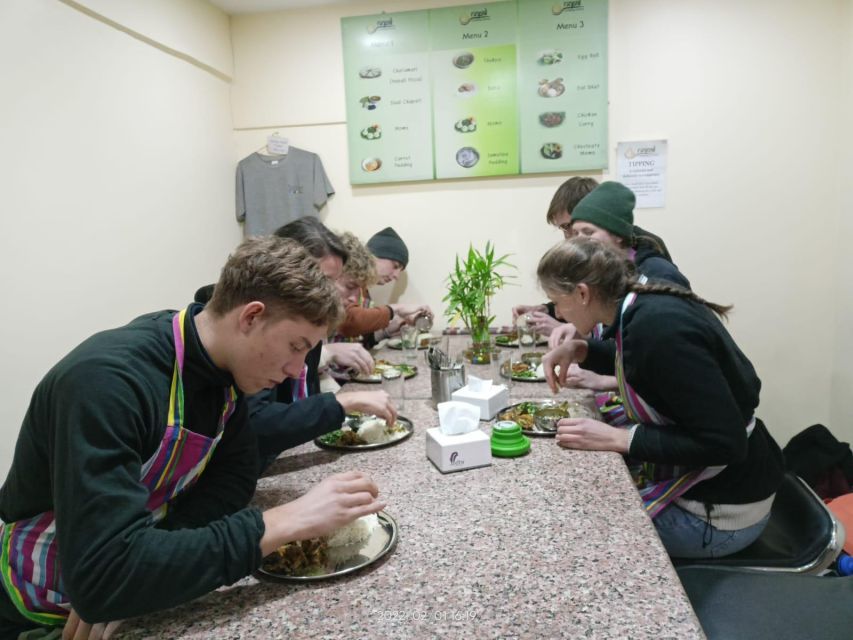
- Small group format: limited to 8 participants, so you get more instructor attention.
Why a Thamel Half-Day Class Fits Kathmandu So Well
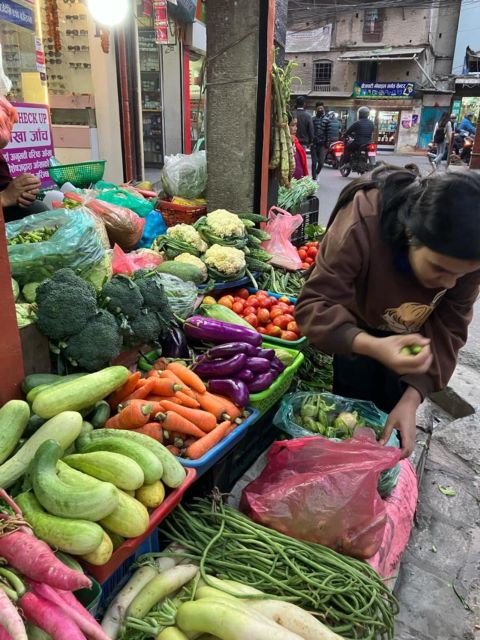
Thamel is the easiest place to start if you’re short on time. This class runs about 3 hours, and you’re picked up from inside Thamel on foot (so you’re not stuck waiting for a vehicle or navigating traffic). That matters in Kathmandu, where your best window for activities is often the one you can actually get to without stress.
I also like that the format is straightforward: you show up hungry, meet an English-speaking instructor, do a local market visit, then cook and taste a full meal over the next few hours. In other words, it’s not just watching someone cook for you. You’ll be actively working, making choices, and learning as you go—exactly what you want when you’re traveling and trying to understand a cuisine, not just take a souvenir photo.
For value, the class is built around practical outcomes. You don’t leave with a generic recipe list. You leave with a sense of how Nepali and Newari flavors are assembled: spice levels, cooking order, and how sauces and fillings are balanced. That’s the kind of knowledge you can actually use later.
You can also read our reviews of more tours and experiences in Kathmandu.
The Local Market Walk: Turning Ingredients Into Flavor
You’ll go to a local market to pick up fresh ingredients for your cooking class. Even if you’ve cooked before, this part is where you start “thinking Nepal” instead of “thinking grocery store.” You’ll see how ingredients are grouped and chosen, and you’ll connect those choices to what you’ll cook later.
Here’s the practical way to use this market time: look for what changes the dish most—aromatics, dried spices, fresh herbs, and vegetables. In Nepalese cooking, spices aren’t just a flavor add-on; they guide the dish. If you pay attention during the market stop, you’ll understand why certain recipes start with particular aromas and why the final taste can be made milder or hotter.
One note for your planning: there can be days when the market visit feels different in practice. A previous participant mentioned that on a Saturday morning the market stop didn’t happen as expected. So don’t assume every class day runs the exact same way. If a full market walk is important to your day (for example, you want to browse spices longer), message or ask ahead so you know what your shift includes.
Hands-On Cooking: One Course at a Time, With Real Spice Control
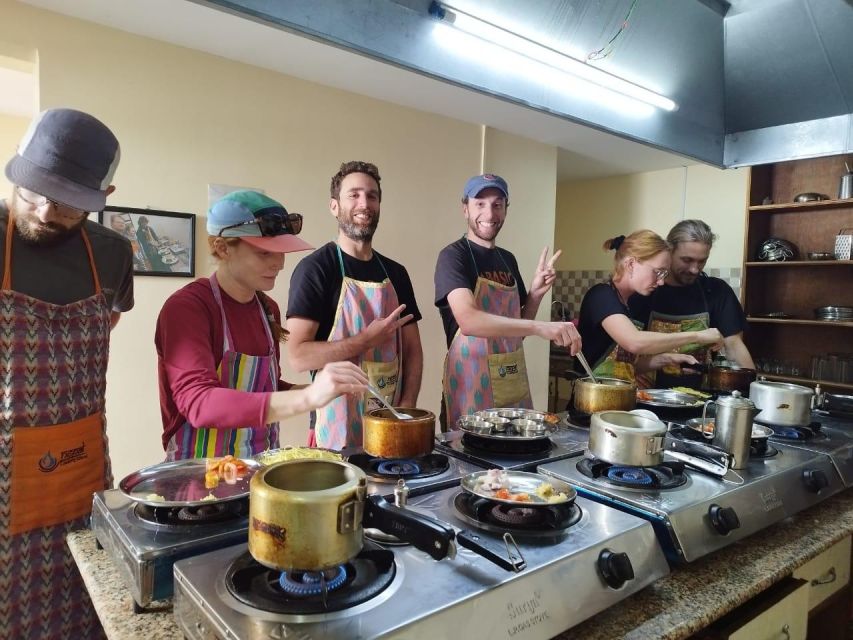
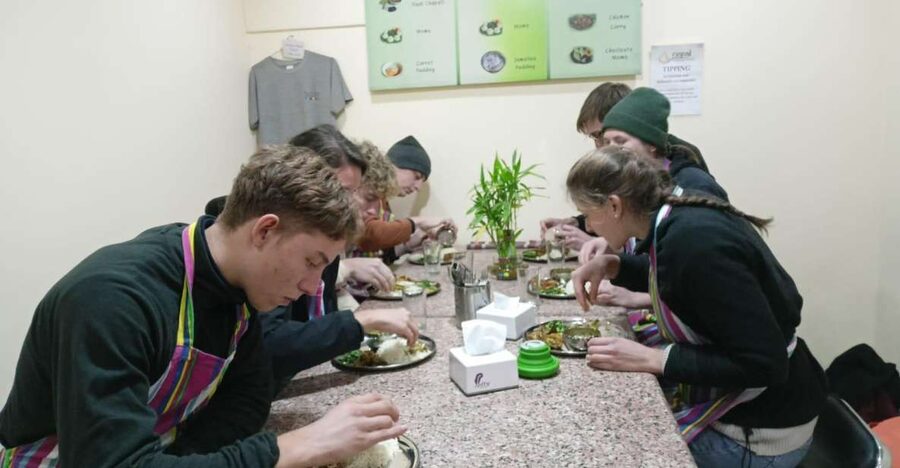
The cooking style is step by step. Your English-speaking instructor walks you through the process, and the pace is designed for people who are learning. You cook one course, then you eat it. That’s not just a nice perk. It’s a flavor advantage. Hot food tastes different from food that sits. You also get immediate feedback on your seasoning—so you learn faster.
The class is also built around spice flexibility. You can add as much or as little of each ingredient as you like. Don’t like spicy food? You can keep chili light or skip it. This is one of the smartest parts of the experience because it removes the common travel-class problem: you’re stuck making something that’s too hot for you to enjoy.
If you’re used to restaurant Nepalese dishes, this helps you understand what’s happening behind the curtain. Many flavors come from layers—spice warmed in oil, aromatics cooked to release aroma, then ingredients added in the right order. Cooking your own version makes those layers obvious.
And because it’s a small group (up to 8 people), you’re not shouting across a kitchen. You’ll usually have enough room to work, ask questions, and get corrections without feeling rushed.
Three Menus, Four Courses, and the Momos Factor
You’ll cook four courses of traditional Nepali and Newari food. What makes this more than a single-dish class is the range across courses—different fillings, sauces, and cooking methods so you understand the structure of the meal.
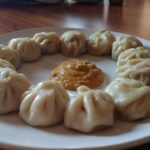
There are three different menus, and each menu includes four traditional dishes. That means you can pick a menu that matches your interests. If you love dumplings, momos are included on each menu, so you won’t get the classic experience of choosing wrong and missing the headline dish.
A detail I think is worth mentioning: the menu system appears flexible. One participant described that individual dishes could be swapped or adjusted within the selected menu, which makes sense for a cooking school with a small group. If you have dietary needs or you just dislike one ingredient, it’s often easier to adjust within the menu framework than to rebuild the entire class.
Because you cook one course and eat it, the four-course structure also feels doable. You’re not stuck waiting for a full-course meal that takes hours. Each dish lands, you taste it while it’s fresh, then you move on with better understanding of how your choices affect the final flavor.
Price and Value: What $21 Covers in Thamel
At $21 per person for a roughly 3-hour experience, the cost makes sense when you match it to what’s included. You get:
- The cooking class itself
- Four courses of food that you cook and taste
- All equipment and ingredients
- A local market visit
- An English-speaking instructor
- Masala tea and drinking water
- Pick up inside Thamel by walking (not a long transfer)
It’s also good value because you’re not paying for an instructor plus kitchen time only. You’re paying for ingredients, labor, and learning. Plus, the class ends with you eating what you made. That turns the experience into a meal, not just a lesson.
Small group limits to 8 participants also improve the value. In crowded classes, you can lose time waiting and asking. Here, it’s more likely you’ll get your questions answered and your technique corrected.
One thing I’d keep in mind: alcohol is not included. If you want beer or spirits with dinner afterward, plan to do that separately rather than expecting it in your class price.

Timing Tips: 9 AM, 1:30 PM, or 4:30 PM
You can choose from three shifts: 9:00 am, 1:30 pm, and 4:30 pm. Your best choice depends on how you like to structure your day in Kathmandu.
Morning is ideal if you want a fresh start and you’re planning to explore after the class. Afternoon works well if you want to avoid a super early start but still get your day organized. Evening can be a great option if you want something that still feels like a shared activity in the middle of Thamel’s energy.
Also, remember what to bring and how to prep. Wear comfortable shoes, and plan to arrive hungry. The class provides a lot of food across the four courses, and there’s masala tea early on, so you’ll want to pace your appetite—not just snack all morning beforehand.
If you’re the kind of person who needs a predictable schedule, pick the shift that best matches your other plans. Because it’s a short format, late changes elsewhere can throw off your timing more than with a full-day tour.
What to Bring and What to Tell Your Instructor
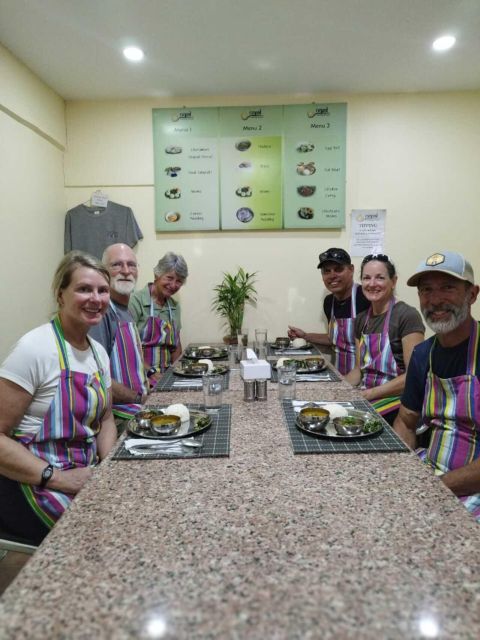
Bring a camera. That’s the one explicit item listed, and it’s a good idea because you’ll likely want photos of the ingredients during the market visit and the dishes you cook.
More important than gear is communication. If you have dietary restrictions or allergies, tell the cooking school ahead of time. The instructor can make accommodations or suggest alternatives based on what you can eat. Even if your restriction is minor, it’s worth mentioning so you don’t spend your class worrying about ingredients.
Also, consider your spice preference before you start. You can control chili intensity as you cook, but it helps to set your expectation early so you don’t accidentally add too much. If you’re traveling with someone who loves spicy food, you can still cook at their pace while keeping your own portion comfortable.
Finally, keep it relaxed. This kind of class works best when you treat it like learning a new skill, not like a test. The best results come when you ask questions and taste as you go.
Who This Cooking Class Is Best For (and Who Might Skip It)
I’d recommend this class if you want:
- A short, structured way to learn Nepali and Newari cooking
- Hands-on instruction rather than a lecture
- A market connection so the food feels rooted in place
- A small group setting where you can actually participate
It’s also a strong fit if you’re traveling solo. The course is designed to welcome individual participants into a shared kitchen workflow, and a small group helps you feel included without needing a big tour bus.
You might consider skipping it if you’re looking for a full foodie day with deep shopping time, because the class is built around a set three-hour window and a cooking rhythm. You also might not love it if you strongly dislike cooking tasks and would rather watch from the side—this class is about doing, not just observing.
Should You Book This Half-Day Cooking Class in Thamel?
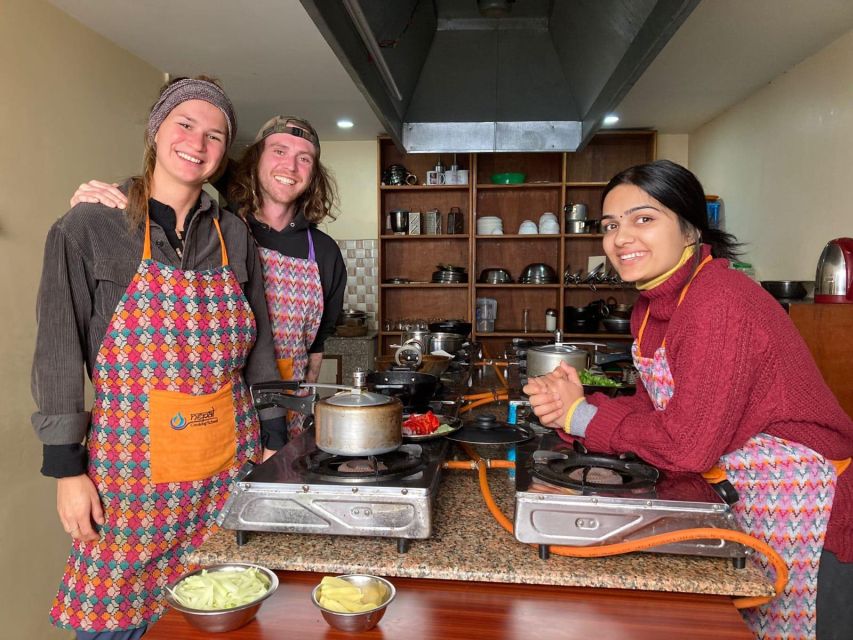
If you’re in Kathmandu and you want something practical that teaches you real flavor logic, this is an easy yes. The biggest reasons to book are the combination of a market visit, cook-and-eat immediately structure, and the fact that you’ll make four courses across a set of traditional menus. That’s a lot of payoff for a half day.
Choose it if you want to leave with more than memories—leave with techniques, timing, and spice control you can use again at home. I’d also book it if you like the idea of momos being included no matter which menu you pick.
If you’re very sensitive about schedule details, message ahead and confirm how the market visit will run for your exact shift. That one check can remove uncertainty and help you get the experience you’re picturing.
FAQ
How long is the cooking class?
The experience runs for about 3 hours.
What meals and courses are included?
You cook and taste 4 courses of traditional Nepali and Newari food.
Do I get an English-speaking instructor?
Yes. The cooking instructor speaks English.
Is pickup included?
There is pickup inside Thamel by walking. Pickup outside the Thamel area is not included.
Are there different class times?
Yes. There are three shifts: 9:00 am, 1:30 pm, and 4:30 pm.
What should I bring and what about allergies?
Bring a camera. If you have dietary restrictions or allergies, inform the cooking school so the instructor can suggest alternatives or accommodations.