REVIEW · TASHKENT
Plov and Samsa Cooking Class in Tashkent
Book on GetYourGuide →Operated by Asli Travel · Bookable on GetYourGuide
Plov and samsa in Tashkent sounds simple, until you’re the one cooking it. This hands-on class teaches you two Uzbek staples—plov (palov) and samsa—in about 3 hours in a home-style setting. I especially like how you’re not just watching; you’re cutting onions, carrots, and meat (with a possible vegan option), then working through the cooking steps yourself.
I also like the way the session is built around real timing and technique. You’ll fry, cook, and steam your dishes, and while the palov is steaming you get a break to make samsa—those baked, stuffed triangles. One thing to keep in mind: pickup and drop-off are not included, so you’ll need a solid plan to reach the meeting point on your own.
In This Review
- Key Points at a Glance
- Cooking Plov in a Real Uzbek Home Setting
- Your Hands-On Workflow: Chopping, Frying, Cooking, and Steaming
- Samsa Break While the Plov Steams
- What You Actually Make and Eat: The Plov and Samsa Payoff
- Price and Logistics: Is $160 Worth It?
- Language, Etiquette, and What to Bring
- Who This Cooking Class Fits Best
- Should You Book the Plov and Samsa Class in Tashkent?
- FAQ
- How long is the plov and samsa cooking class?
- What dishes will I learn to cook?
- Is this a private class?
- What is the price?
- Is pickup or drop-off included?
- Can vegans join?
- What languages are used during the class?
- What should I bring?
- Is the venue wheelchair accessible?
- What’s the cancellation policy?
Key Points at a Glance
- Plov + samsa, both cooked by you, not just demonstrated
- Onion and carrot prep skills you can actually reuse later at home
- Steam-timed kitchen rhythm: palov simmers, then samsa comes next
- Samsa-making method includes ghee, rolling, portioning, chilling, and baking
- Private group format (priced for up to 2), so it feels less rushed
Cooking Plov in a Real Uzbek Home Setting
If you want a cooking class that feels like food culture, this is the kind where the kitchen is the classroom. The experience takes place in Tashkent Province in a home environment, led by an instructor and host team that guides you through the whole process. The goal is simple: you learn the steps behind Uzbek palov, then you eat what you helped make.
The best part for me is that it’s not all theory. Even before you start cooking, you’re getting the kind of practical direction you can translate later: how to prep ingredients, how to handle heat, and how the dish comes together in stages. And because it’s a private group, you get more attention than you’d typically get in a big group class.
You should also know the communication setup can vary. The instructor team is listed as Russian and English speaking, but the hostess is said to have a basic level of English. In practice, that usually means you’ll rely on your cook-along rhythm plus the team’s help to keep you moving. If you speak only English, you’ll still have enough hands-on support to follow along.
A small but important caution: one participant reported a cancellation and refund problem, which is rare but real enough to mention. If you book, confirm details you receive after booking and keep an eye on written instructions so you’re not stuck without clear answers.
Your Hands-On Workflow: Chopping, Frying, Cooking, and Steaming
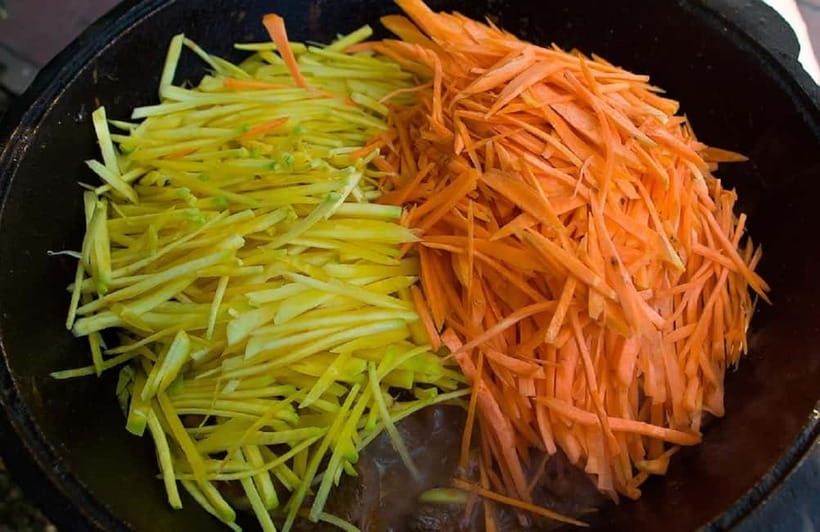
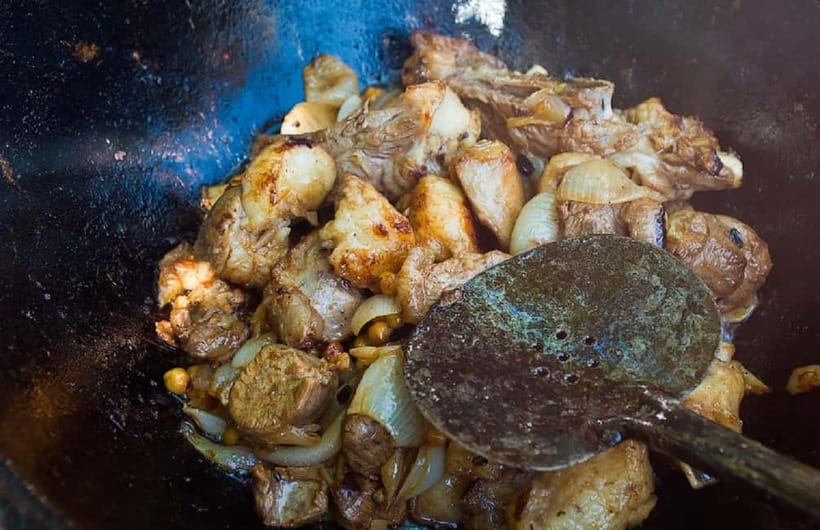
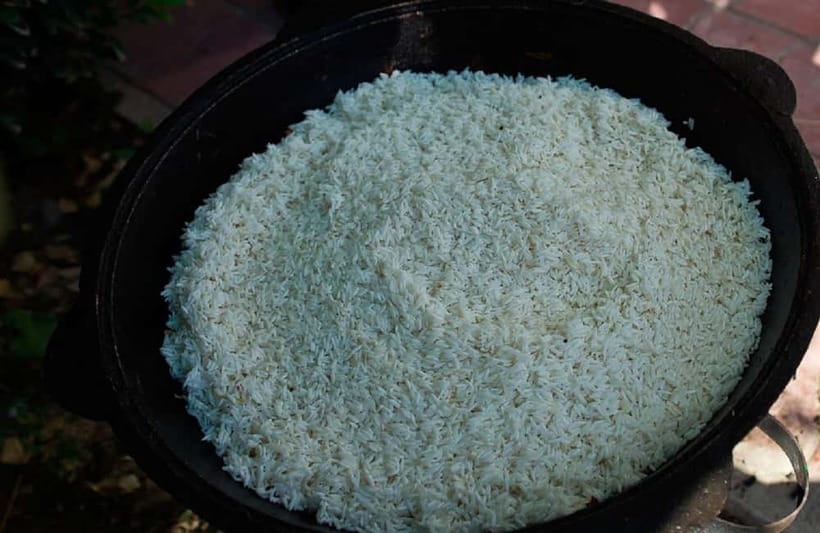
This class is structured around active participation. You’ll cut onions and carrots, prepare meat (or possibly skip meat for vegans), and clean the rice. Then you move into the cooking steps that make palov what it is: frying for flavor, cooking for texture, and steaming for that final, cohesive result.
Here’s the workflow you should expect:
You start by working with the base ingredients—onion, carrot, and meat if you’re doing the standard version. You’ll use sunflower oil and spices like cumin to build aroma early. The class includes garlic and raisins, which can surprise people used to plain rice dishes. Raisins aren’t there just for sweetness. They add a small burst that balances the savory elements and rounds out the flavor.
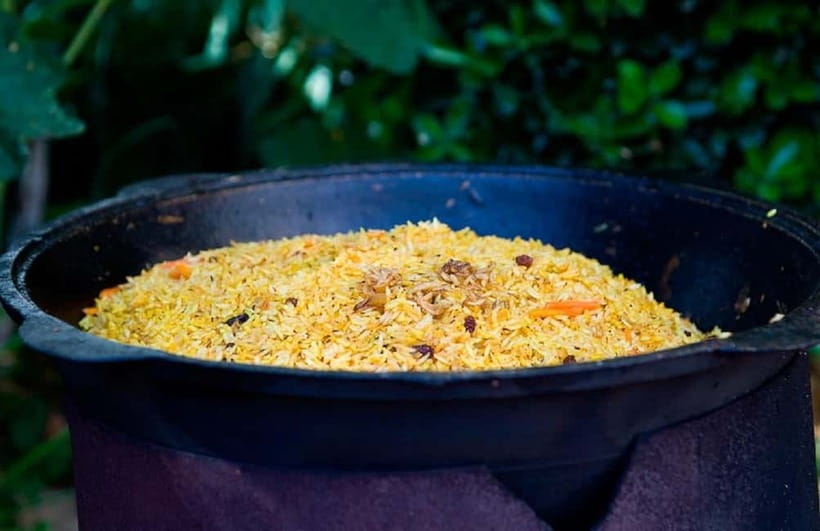
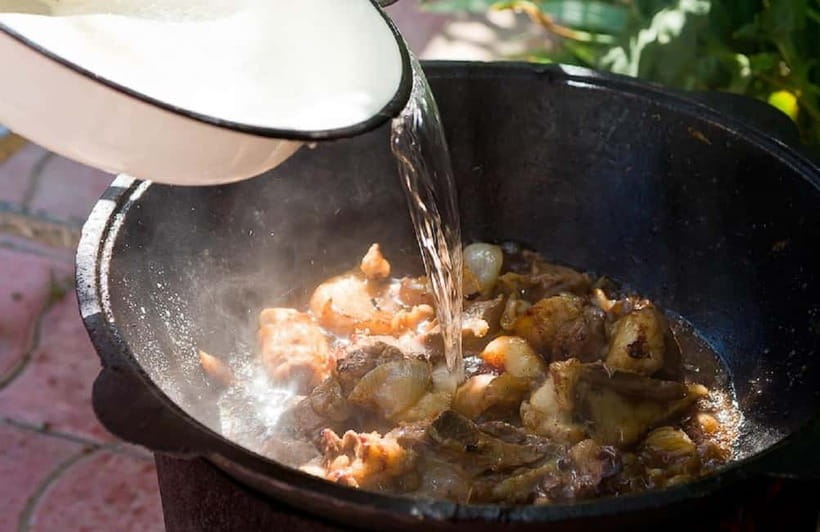
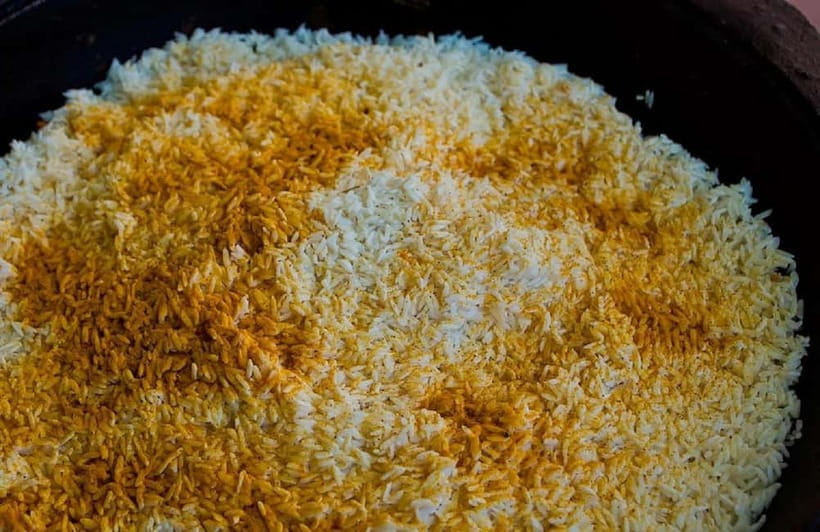
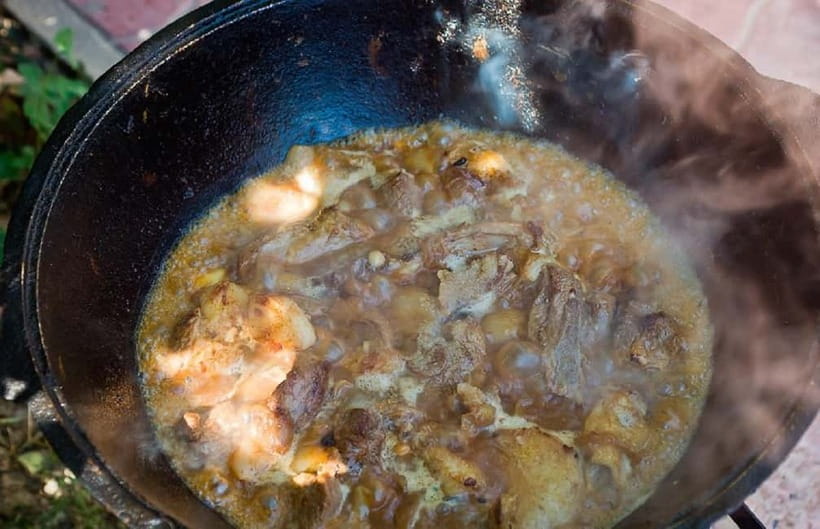
Then you get to the part that separates good plov from flat rice: timing. During the palov process, once you add water for steaming, the kitchen shifts from chopping and stirring into a wait-and-watch phase. That waiting time matters because steaming pulls the dish together. If you rush, you lose the final texture. If you overcook, the rice can turn heavy.
The team supports you throughout, but the class is designed so you do the key tasks. You’re not just assigned one job. You’ll handle multiple steps—prep, fry, cook, then steam—so you understand how each stage affects the final outcome.
Comfortable clothes are a real requirement here. Even if the kitchen isn’t industrial, you’ll be standing, moving around hot surfaces, and working with ingredients that get messy. Plan for a hands-on day.
Samsa Break While the Plov Steams
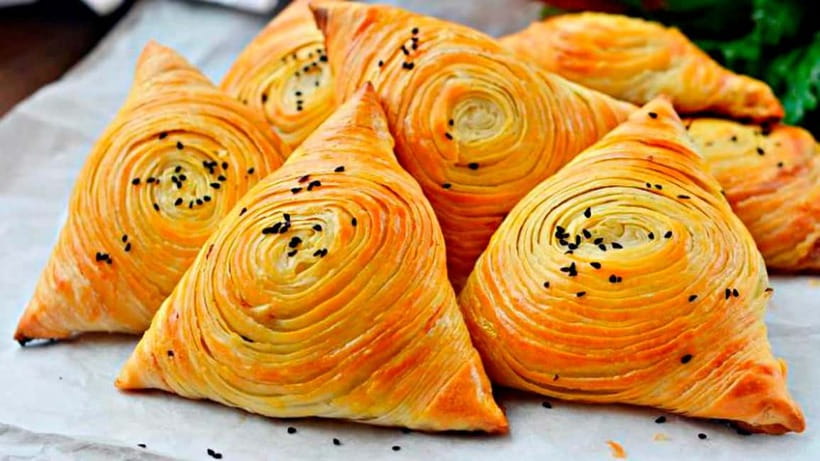
What I like about this class is the pacing. You don’t cook one dish for three straight hours and then call it done. Once the palov is steaming, the team gives you a break to make samsa, an Uzbek baked fast food that’s all about technique and shape.
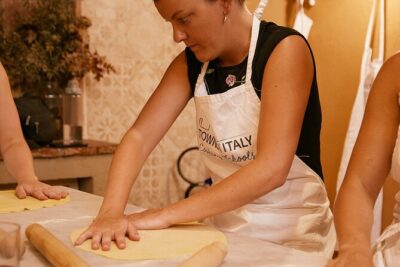
Samsa is essentially dough shaped into triangles, filled with a savory stuffing, and baked until the outside turns crisp. In this class, you’ll follow a method that’s simple but not lazy. You start with dough that gets rolled out and spread with ghee (clarified butter). Then you roll it tightly, divide it into equal portions, and chill those dough patties. After that, each portion is rolled out, stuffed with minced meat, and baked in the oven.
A couple practical things to know:
First, dough work rewards calm. If your rolling is uneven, your triangles may end up with different thicknesses, which changes baking time. You’ll get help from a team member, but your hands still do the work.
Second, samsa is a good palate reset. While palov is rich and rice-forward, samsa is baked and portable-feeling. Even if you’re not eating right away during baking, the moment you go from steam cooking to oven baking keeps the session fun instead of repetitive.
At the end, you return to the palov cooking phase and finish your meal together. That flow is a smart way to learn two techniques in one sitting: stovetop heat management plus oven baking.
What You Actually Make and Eat: The Plov and Samsa Payoff
You’ll leave with two dishes you can describe clearly, not just taste. That matters if you love cooking and want the memory to stick.
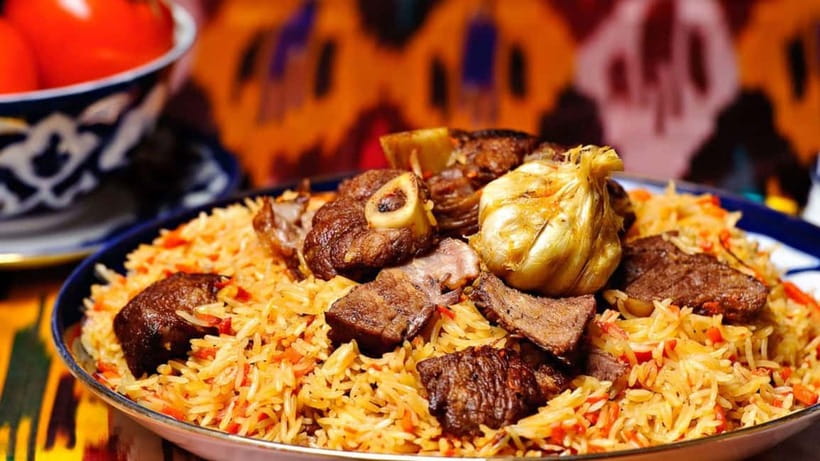
For plov, the included ingredient list tells you what to expect: rice, meat, carrot, onion, garlic, cumin, raisins, and sunflower oil. Every one of those plays a role:
- Onion and carrot create the savory base and color
- Cumin adds that unmistakable warm spice note
- Garlic brings a sharper depth
- Raisins add sweetness and balance
- Sunflower oil carries flavors and helps the dish build richness
- Steaming is what ties the rice and sauce into one cohesive bite
For samsa, you get to experience how ghee and rolling create layers and texture in the dough. The baked triangles come from stuffing seasoned minced meat into rolled dough and baking until crisp.
And then there’s the meal itself. In the best versions of this experience, you don’t just eat what you made—you also get welcomed with additional snacks and tea. Some participants describe the host family as warm and organized, offering traditional small bites and desserts and making it feel like you’re joining their day, not renting it. It’s also been noted that food may be packed for you to take away, which is a nice bonus if you have plans afterward.
Price and Logistics: Is $160 Worth It?
The price is $160 per group, up to 2 people, for 3 hours. That makes it feel pricey if you’re comparing to big-group cooking classes. But for a private group and hands-on instruction, it starts to look more reasonable.
Here’s how I evaluate value for this kind of class:
You’re paying for three things:
1) Private attention while you chop, fry, cook, and steam
2) Two full dish outcomes—plov plus samsa—where you handle the key steps
3) Ingredient access and guidance, including specialized steps like ghee rolling, portioning and chilling, and the steaming stage of palov
If you split the cost with one person, you’re basically buying a guided cooking session where you finish with food that’s substantial and culturally specific. If you’re a solo traveler, the math is tougher—but the upside is you still get the full private-group feel.
Logistically, the big thing is that pickup/drop-off is not included. That affects value because the class time is only 3 hours, and you don’t want to lose your day to complicated transport. Plan to get there on time with low stress.
Also note the class has rules: alcohol and drugs are not allowed. That’s normal for a home-based cultural experience and helps keep the atmosphere comfortable.
Language, Etiquette, and What to Bring
Communication is the practical challenge in many home-style classes, so here’s what you can take from the details provided. The instructor team works in Russian and English, and the hostess has a basic level of English. You should still be able to follow along with hands-on guidance, but if you want the smoothest experience, bring patience and a willingness to learn by doing.
What to bring is straightforward: comfortable clothes. You’re working with oil, rice, and dough. Even if aprons aren’t mentioned, long sleeves or clothing that you don’t mind getting slightly messy can make you happier.
For etiquette, think in terms of being a respectful house guest. This kind of cooking class runs best when you treat it like someone is sharing their process with you. Ask questions, follow instructions during hot steps, and let the team guide the pace—especially during steaming and oven baking.
Finally, wheelchair accessibility is included. So if you need that, you can consider the experience with confidence.
Who This Cooking Class Fits Best
This class is a great fit if you want more than a souvenir meal. It’s best for:
- Food lovers who learn by doing and want to understand technique, not just recipes
- People who like spice and rice dishes, especially cumin-heavy Uzbek cooking
- Couples or friends who can share the group price (up to 2)
- Anyone curious about samsa, since you’ll practice the dough steps and stuffing-bake process
If you’re vegan, there’s a stated possibility of cooking without meat. That’s not a guarantee of a fully vegan meal, but it does mean they’re aware of the dietary need and may adapt.
This also works well for people who enjoy cultural warmth. Multiple parts of the experience are designed around hospitality—snacks, tea, and a friendly family atmosphere are part of how the session is described—so you’re not only learning cooking, you’re seeing how a home treats guests.
Should You Book the Plov and Samsa Class in Tashkent?
I’d book it if you want a hands-on cooking session in a real home setting, and you’re okay managing the logistics of getting yourself to the meeting point since pickup isn’t included. The structure is efficient: plov prep and steaming, then a samsa-making break, then back to finish and eat together.
Two decision filters will help you choose confidently:
- If you love cooking and want to learn technique you can repeat—chopping, frying, steaming, and ghee-based dough work—this is a strong match.
- If you’re the type who needs everything perfectly documented and timed, I recommend double-checking your confirmation details and staying aware of communication, since one participant experienced a cancellation/refund issue.
If your main goal is a quick taste with zero cooking effort, this won’t feel as rewarding. But if you want to leave with rice you helped cook, triangles you helped bake, and the confidence to explain what makes Uzbek palov special, this class is well worth your time.
FAQ
How long is the plov and samsa cooking class?
The class lasts 3 hours.
What dishes will I learn to cook?
You’ll learn to cook plov (palov) and samsa.
Is this a private class?
Yes. It’s a private group, priced for up to 2 people.
What is the price?
The price is $160 per group up to 2.
Is pickup or drop-off included?
No. Pickup and drop-off are not included.
Can vegans join?
There is a possibility of making the dishes without meat for vegans.
What languages are used during the class?
The instructor is listed as Russian and English. The hostess has a basic level of English.
What should I bring?
Bring comfortable clothes.
Is the venue wheelchair accessible?
Yes, it’s listed as wheelchair accessible.
What’s the cancellation policy?
You can cancel up to 24 hours in advance for a full refund.