REVIEW · BOLOGNA
Home Cooking: Pasta Making with Natural Colors in a Tiny Group
Book on Viator →Operated by Bologna: Modern Pasta Making Class with Natural Colors · Bookable on Viator
Colorful pasta starts with your hands in Bologna. This class is a relaxed, hands-on way to learn fresh pasta and playful shapes, plus how to tint dough naturally without chemicals. It’s the kind of food activity that feels like fun—yet you walk away with skills you can actually use.
I love two things most: the way you practice classic shapes like tortellini and tagliatelle, and the genuinely cool color work using purple potatoes, beetroot, seaweeds, herbs, and powders. You’ll also get plenty of modern takes on traditional dough, so you’re not stuck copying one “perfect” method.
One thing to consider: this is a compact apartment setup with lots of hands-on rolling and shaping, so wear comfy clothes and plan to get a bit flour on you. If you need gluten-free, lactose-free, or vegan adjustments, you’ll want to arrange that in advance.
In This Review
- Key highlights at a glance
- Inside Bologna’s apartment studio, where pasta feels easy
- What you do first: organic dough prep that sets you up to succeed
- Classic pasta shapes: tortellini, cappelletti, garganelli, tagliatelle, lasagne
- Natural colors: the Bologna pasta trick using purple potato, beet, and seaweed
- Hands-on shaping: hearts, boats, pyramids, bonbon (and why it’s worth your time)
- Your host and the small feel of the class
- Taking your pasta home and cooking it later
- Price and value: what $95.31 buys you in Bologna
- Who should book this class (and who might rethink it)
- Should you book this Bologna pasta-making class?
- FAQ
- How long is the pasta making class?
- Is the class offered in English?
- Is the pasta class vegetarian?
- Can you do gluten-free, lactose-free, or vegan options?
- What natural ingredients are used for color?
- Where does the class meet and where does it end?
Key highlights at a glance
- Tiny-group, private class: only your group participates, in a local apartment setting
- Natural-color dough: purple potatoes, beetroot, seaweeds, herbs, and powders
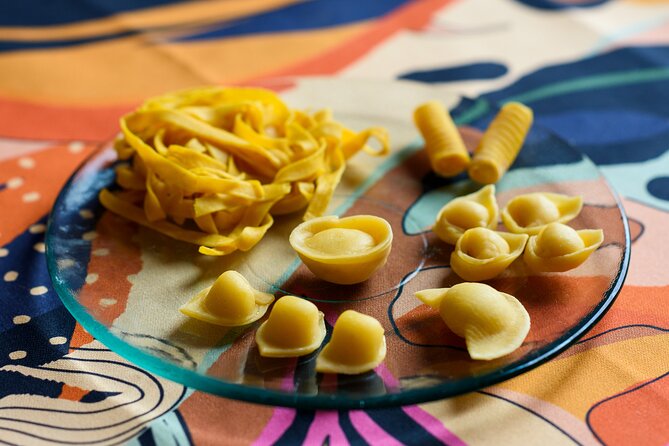
- Classic + playful shapes: tortellini, cappelletti, garganelli, tagliatelle, lasagne plus hearts, boats, pyramids, bonbon
- Organic starting point: you begin by preparing the dough with organic ingredients
- Vegetarian and cruelty-free ingredients throughout
- Take-home fresh pasta: you leave ready to cook your own creations at home
Inside Bologna’s apartment studio, where pasta feels easy
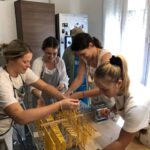
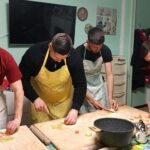
This experience happens in an apartment located in an historical building in Bologna. The vibe is part old-world, part practical workshop: antique touches, but with the tools you need to make pasta without guesswork. You’re not standing in a big classroom trying to keep up. You’re at a real table, with room to work.
It’s also a nice change from tours that only show you food from the outside. Here, you’re making it. And since it’s offered in English, you can focus on technique instead of translating kitchen chaos.
The meet point is Via Saragozza, 27 (40123 Bologna). The class ends back at the same place, so you’re not left figuring out where the instructor’s headed next. Also, it’s near public transportation, which matters in Bologna where you’ll often be walking from transit anyway.
You can also read our reviews of more tours and experiences in Bologna.

What you do first: organic dough prep that sets you up to succeed
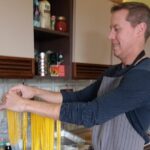
The class starts with dough prep using organic ingredients. That part is underrated, because if you start with the right texture, everything that follows gets easier. You learn how to put dough together and handle it so it rolls and shapes without turning into a sticky mess.
Dough prep also gives you a baseline for the rest of the lesson. Even if you’re not a confident cook, you’ll get your hands trained on the basics early. You’re not thrown into fancy shapes immediately.
Then comes the fun part: you begin making the classic pasta shapes, and you also explore the modern-style forms that feel a little like folding paper—except edible. If you like puzzles, this is your moment.
Classic pasta shapes: tortellini, cappelletti, garganelli, tagliatelle, lasagne
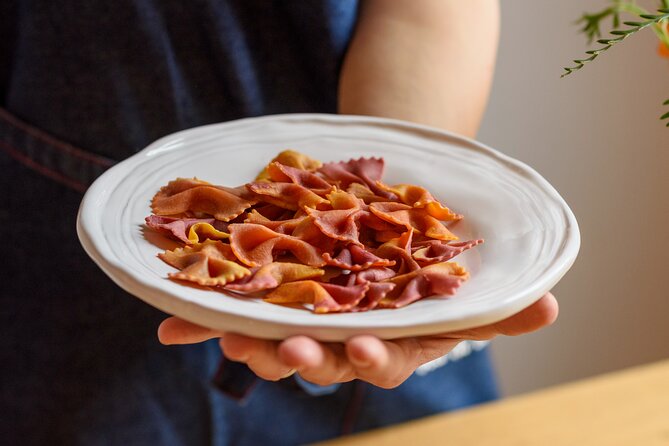
You’ll work through a set of familiar pasta names, which is great because these are shapes people actually order in Bologna and across Emilia-Romagna. The lesson doesn’t just toss vocabulary at you; it teaches you how the dough becomes those forms.
Here’s what you can expect in the class flow:
- Classic stuffed shapes such as tortellini and cappelletti
These are great practice because the “how” matters: folding, sealing, and getting consistent size so the pieces cook evenly.
- Tube-and-cut style pasta like garganelli
This shape helps you understand how edges and texture change the look and bite of pasta.
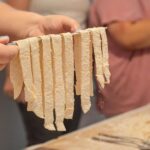
- Long-sheet pasta like tagliatelle (and lasagne-style preparation)
If you’ve ever wondered how restaurant-perfect pasta stays flat and orderly, this section shows you how control comes from handling and thickness.
- Lasagne as part of the training
This is useful even if you don’t cook it often, because it reinforces how you manage sheets and portioning.
I like that the classics are paired with a modern approach. You can see tradition clearly, then you learn how to put your own spin on it. It makes you feel capable instead of just “learning a script.”
Natural colors: the Bologna pasta trick using purple potato, beet, and seaweed
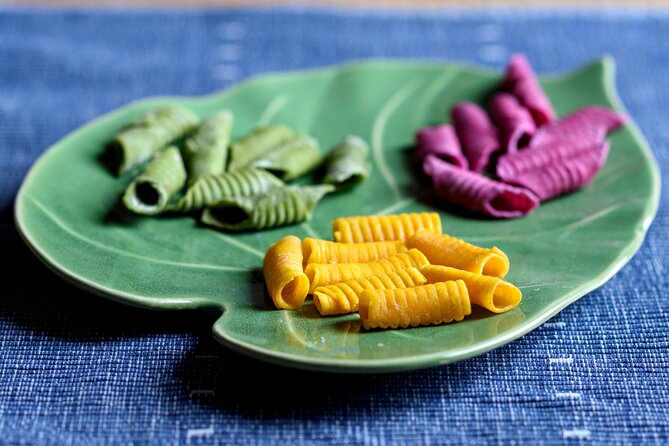
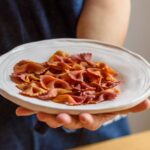
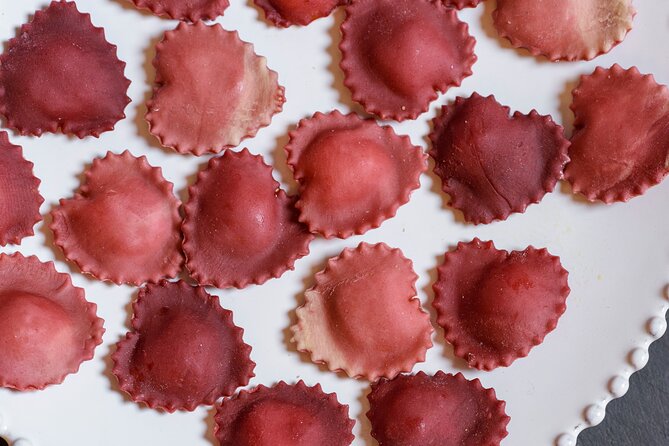
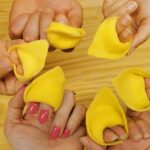
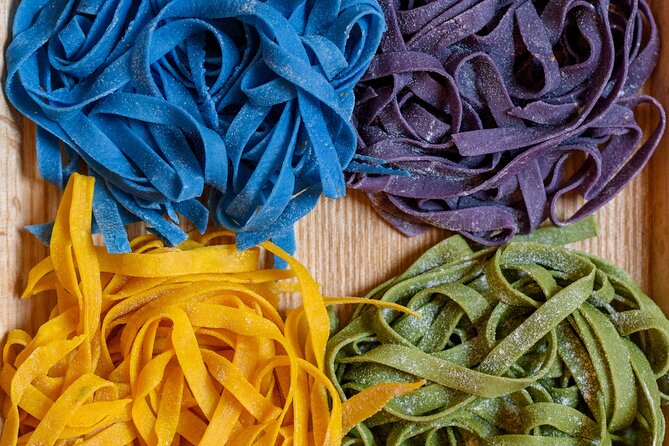
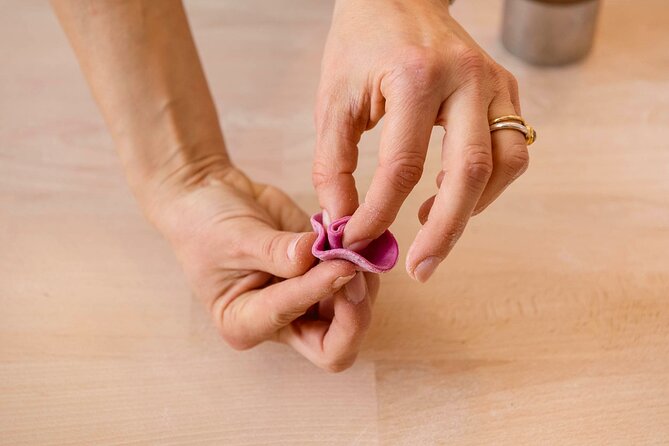
This is the signature idea of the course: adding color and patterns using natural ingredients. Instead of relying on food dye, you work with items like purple potatoes, beetroot, seaweeds, herbs, and powders.
The colors aren’t just for looks. They change how you think about dough handling. Different add-ins can affect color distribution and dough behavior, so you learn a practical “toolbox” mindset: how to incorporate, how to work the dough, and how to keep the texture workable.
You also get patterns and artistic touches. That’s where the shapes start to feel like little origami projects. Some forms are simpler, and others are more intricate, but you’re not expected to be perfect. The point is learning the method so you can repeat it later.
A key detail I appreciate: the class emphasizes vegetarian and cruelty-free ingredients. So you’re not only learning a technique; you’re learning a way of building a meal that aligns with common dietary ethics.
Hands-on shaping: hearts, boats, pyramids, bonbon (and why it’s worth your time)
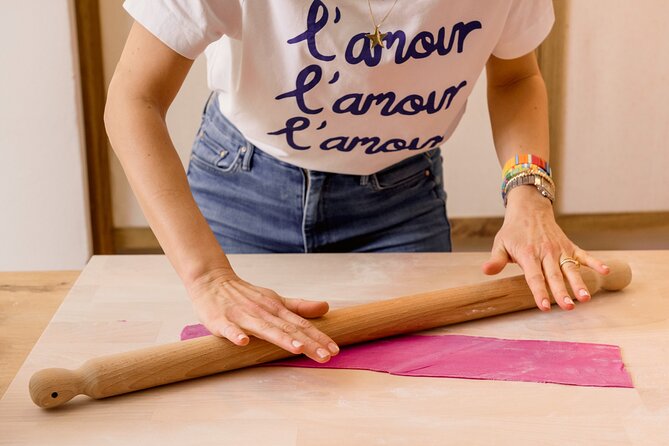
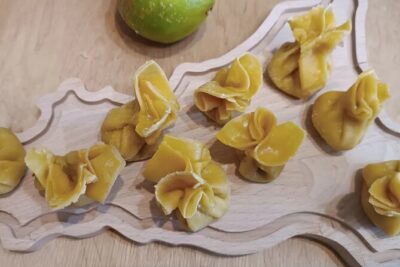
After the classics, the class expands into more playful forms: hearts, little boats, pyramids, and bonbon. This matters even if your goal is only to learn tortellini at home, because these shapes teach you the mechanics behind pasta forming.
You practice:
- dough thickness and folding control
- sealing and shaping consistency
- how to make pieces look deliberate instead of accidental
Some shapes are simple enough to be confidence builders. Others are more fiddly, which is where you pick up the technique that makes the stuffed or structured forms work too. In other words, the “fun shapes” are not filler. They’re training.
And yes—this whole part is meant to be relaxing and funny. The atmosphere is upbeat, and you’re working with food, not memorizing a lecture.
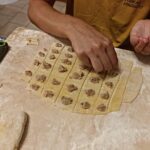
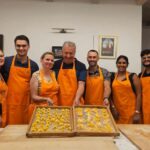
Your host and the small feel of the class
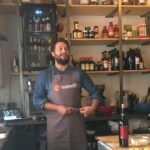
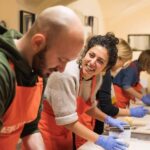
The experience is hosted in a personal home setting by Sara and her husband. That “home studio” feel is part of why the class works so well. It stays relaxed and hands-on instead of feeling rushed.
Sara explains clearly and keeps the pace friendly. It also helps that the group stays small and private, since you’re not fighting noise or waiting your turn in a crowded room. You get attention when something doesn’t click immediately—exactly what you need for a skill-based class.
If you’ve ever taken cooking classes where you’re basically watching someone else cook and you’re just hovering over a cutting board, this one is the opposite. You get your hands on the dough from start to finish.
Taking your pasta home and cooking it later
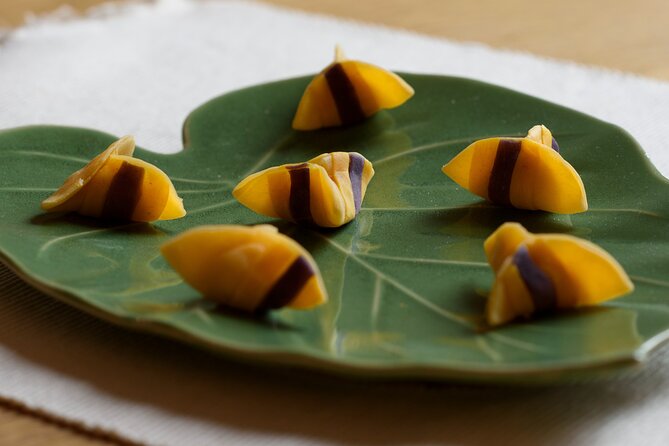
A big practical win: you take home the fresh pasta you make. The class is designed so that after the masterclass, you’re ready to cook your own pasta at home.
That turns the learning into a real dinner plan. You don’t have to squeeze everything into one meal time. You can make space later for a pasta night and feel proud because you made it yourself.
Everything you produce is vegetarian, and because the class uses natural colors and patterns, your pasta also looks like a story you can actually put on a plate. It’s a great way to bring Bologna flavor home without buying yet another edible souvenir.
Price and value: what $95.31 buys you in Bologna
At about $95.31 per person for roughly 2 hours 30 minutes, you’re paying for more than ingredients. You’re paying for:
- guided dough prep with organic starting ingredients
- hands-on instruction through multiple pasta types
- the natural-color component (purple potato, beet, seaweed, herbs, powders)
- a private, intimate apartment setting
- fresh pasta to take home
In this price range, what makes it feel worthwhile is the skill density. In one session, you learn several shapes, not just one. You also gain the method behind coloring dough naturally, which is a specific, memorable technique. Even if you don’t cook every day, the class gives you enough knowledge to repeat the process later.
If you’re comparing this to buying fresh pasta in a shop, the value is different. A shop purchase is instant gratification. This is a skill lesson with edible results and a take-home payoff.
Who should book this class (and who might rethink it)
This is a great fit if you want:
- a practical food experience that goes beyond tasting
- hands-on learning with a friendly instructor
- to learn authentic Bologna-friendly pasta shapes
- natural ingredient creativity (color and pattern work)
It’s also a good option even if you’re not an expert in the kitchen, because the class is relaxed and designed so you can follow along without stress.
One caution: if you need special dietary versions, the course can do that only if you ask in advance for gluten-free, lactose-free, or vegan options. Make that request early so the ingredients are ready.
Also, because it’s a hands-on apartment class, it’s best if you’re comfortable getting a little messy. If that sounds like a nightmare, you may prefer a tasting-focused food tour.
Should you book this Bologna pasta-making class?
Book it if you like learning by doing, want to make several pasta shapes, and are curious about coloring dough with things like beetroot and seaweed. The best sign here is the combination: real technique plus playful shapes, taught in a relaxed home setup with Sara guiding the process.
Don’t book it only if you’re looking for a passive experience or you need special dietary accommodations and you’re unsure you can request them ahead of time.
If you want a memorable Bologna food skill you’ll actually use again, this is a strong choice.
FAQ
How long is the pasta making class?
It runs about 2 hours 30 minutes.
Is the class offered in English?
Yes, the class is offered in English.
Is the pasta class vegetarian?
Yes. The ingredients used are vegetarian and cruelty free.
Can you do gluten-free, lactose-free, or vegan options?
You can request gluten free, lactose-free, or vegan options in advance.
What natural ingredients are used for color?
The class uses natural colors such as purple potatoes, beetroot, seaweeds, herbs, and powders.
Where does the class meet and where does it end?
It meets at Via Saragozza, 27, 40123 Bologna BO, Italy, and it ends back at the same meeting point.