REVIEW · TUSCANY
Siena: Organic Cooking Class & Tastings
Book on GetYourGuide →Operated by Slow cooking experience · Bookable on GetYourGuide
Pasta class in a Tuscan organic kitchen. You’ll learn pasta-making techniques and taste what makes organic Italian cooking tick. It’s practical, ingredient-focused, and pairing-led, all in one day around Siena.
What I like most is getting real hands-on instruction (kneading dough, shaping pasta, building sauces), not just watching. And I love that the experience is guided by English-speaking sommelier Alina, with tastings that connect food to wine and olive oil.
One consideration: the meeting spot is specific and rural (Localita’ Dolciano, by the gate), so build in a few minutes to find it calmly.
In This Review
- Key highlights worth planning for
- Localita’ Dolciano: The Setting That Makes Siena Cooking Feel Real
- The Pasta-Making Core: Dough, Shapes, Sauces
- Why Organic Ingredients Change the Way You Cook
- Pairings With Sommelier Alina: Wine and Olive Oil That Make Sense
- Lunch, Dessert, and Liquors: The Full Food Flow
- Price and Value: What $124.61 Buys You in Tuscany
- Practical Tips Before You Go (Meeting Point, Shoes, Timing)
- Who This Organic Siena Pasta Class Is Perfect For
- Should You Book? My Clear Verdict
- FAQ
- Where is the meeting point?
- Is the class taught in English?
- How long is the experience?
- Does the experience include wine and olive oil tasting?
- What meals and drinks are included?
- Is the cooking class hands-on?
- What should I bring?
- Is there a cancellation option?
- Can I reserve without paying right away?
- How much does it cost?
Key highlights worth planning for
- Organic-focused pasta lessons using local-style ingredients you’ll understand, not just recipes you’ll memorize
- Sommelier-led wine and olive oil tasting tied directly to what you’re cooking
- Full meal flow: lunch with wines plus dessert and liquors included
- From dough to finished shapes: knead, cut/shape, cook, then match sauces
- English instruction with a relaxed, hands-on pace for beginners and experienced cooks
Localita’ Dolciano: The Setting That Makes Siena Cooking Feel Real
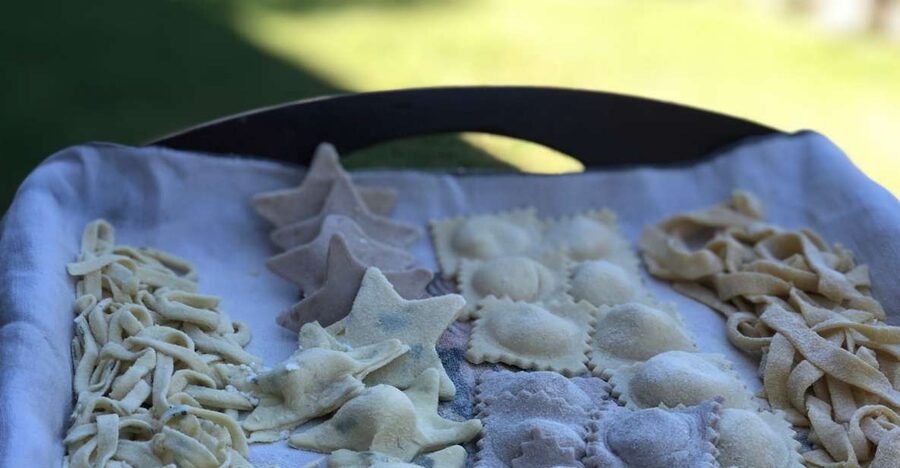
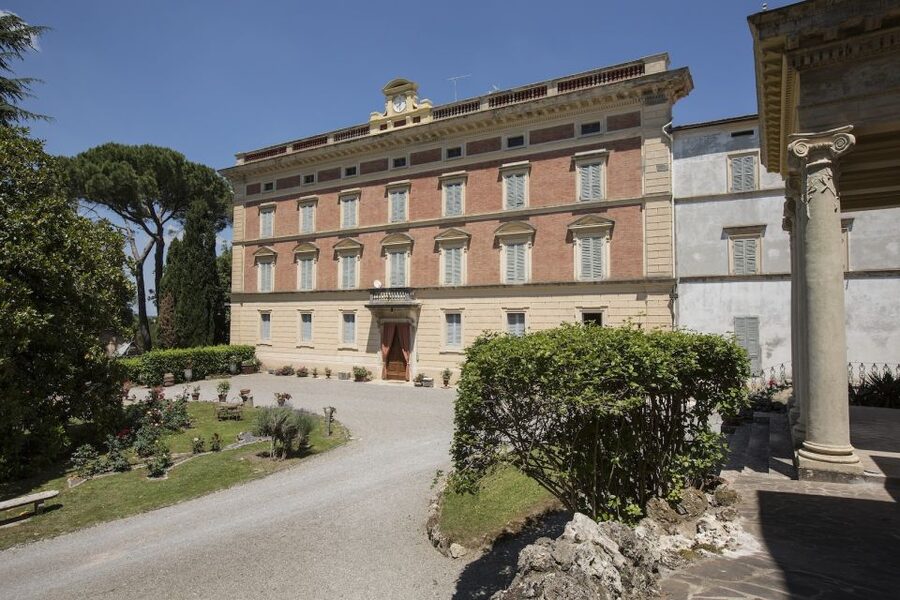
This is a Tuscany day where the focus stays on food and technique. You start and end in the same place: Localita’ Dolciano, 3, a countryside pocket near Borgo Dolciano. That matters more than it sounds, because you’re not constantly transitioning between stops. You settle in, cook, taste, and eat as part of one continuous experience.
Your meeting point is very clear in spirit even if the exact pin can be tricky online: arrive 5 minutes early, then look for your host at the gate just after the gate of Borgo Dolciano. If you’re arriving by taxi or on foot from somewhere nearby, give yourself a little extra time so you’re not rushing at the start.
You’ll be in English throughout, so you can actually ask the practical questions you’re thinking while your dough is in front of you. And the vibe is hands-on and small-group. That’s a big deal with pasta, where the right texture and timing are hard to learn from a distant demonstration.
You can also read our reviews of more tours and experiences in Tuscany.
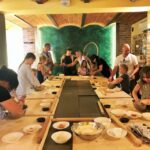
The Pasta-Making Core: Dough, Shapes, Sauces
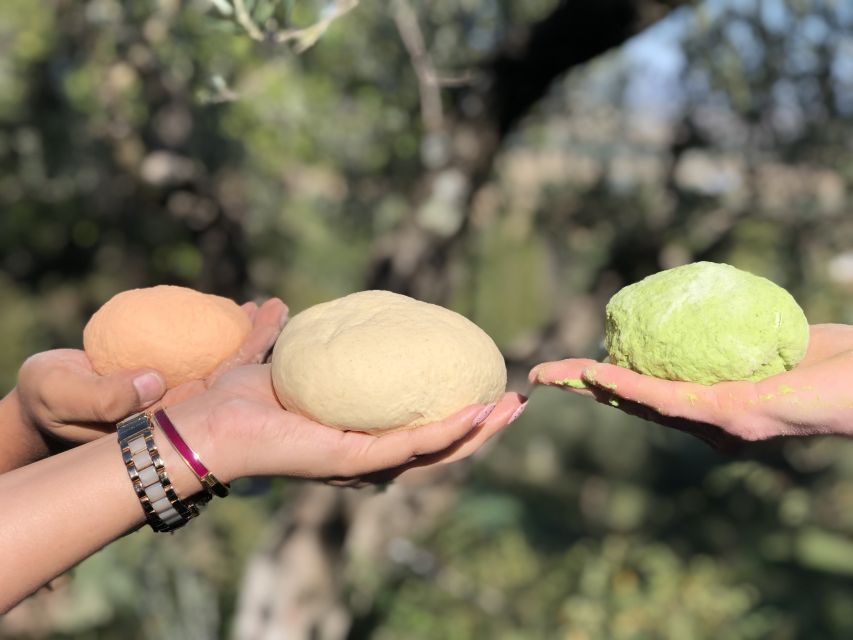
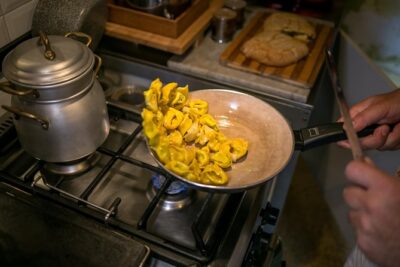
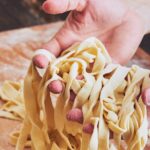
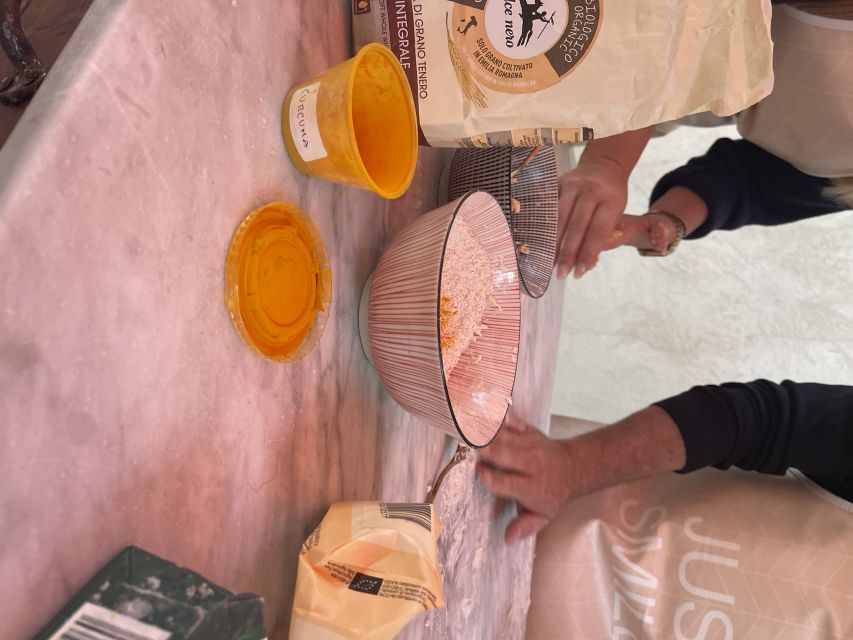
The day’s center is a hands-on pasta lesson that walks you through pasta like an Italian home cook would. You’ll start by making dough from scratch, and you’ll work it with guidance until it reaches the right feel. Kneading may sound simple, but small changes in texture matter, and this kind of class is built around those details.
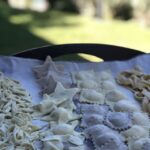
Next comes the fun part: shaping. You’ll learn how to cut and shape pasta so it cooks properly and holds sauce well. There’s a reason this step is taught directly. Pasta shapes aren’t only about looks; each one behaves differently in boiling water and when paired with sauce.
Then you’ll shift to sauces. You’ll create sauces designed to complement your pasta, balancing flavors so the sauce doesn’t overpower the noodles. This is where a lot of cooking classes fall short, because they stop at the pasta. Here, sauce-building is part of the same learning loop.
By the end, your takeaway is more than a meal. It’s a method you can reuse: dough texture, shaping cues, and how to think about pairing sauce with pasta type.
Why Organic Ingredients Change the Way You Cook
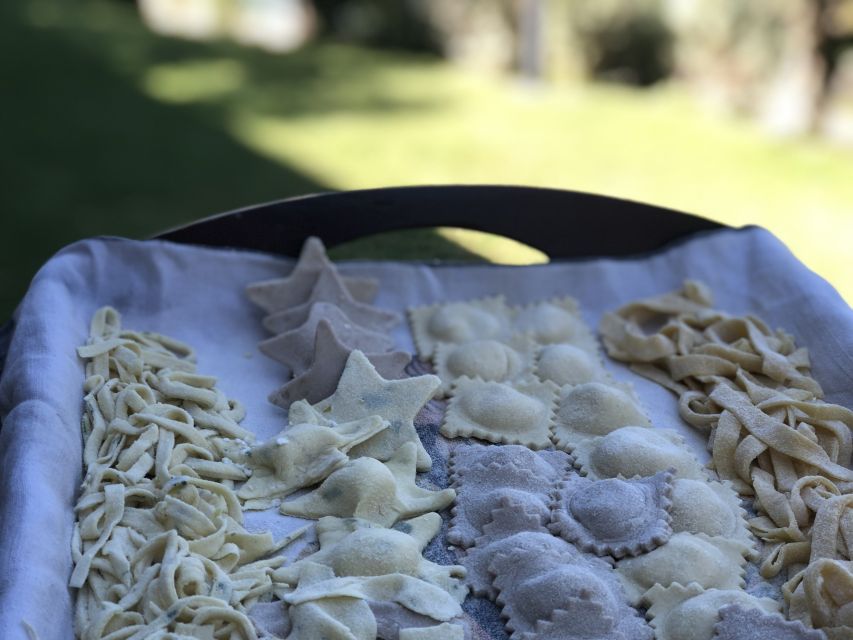
The class is explicitly about organic ingredients and using what’s available locally. That doesn’t just make the marketing nicer. It changes how you taste and what you’ll pay attention to while cooking. When ingredients are high-quality and the approach is ingredient-led, you start noticing flavor patterns faster—like how herbs, tomatoes, and oils express themselves when they’re handled simply and treated with respect.
You’ll also get guidance on learning from the ingredient chain: how things grow, and how you can use them in cooking. Even if you’re not trying to become an agronomist, understanding the connection between growing and cooking helps you cook better at home. You get a practical mindset: choose quality, use it at the right moment, and let it do the work.
This is also where the class leans toward “healthy Italian dishes” without making food feel like a diet. Healthy here means smart ingredients and straightforward techniques that don’t hide behind heavy sauces. You’ll see how classic Italian flavors can still feel light and clear.
Pairings With Sommelier Alina: Wine and Olive Oil That Make Sense
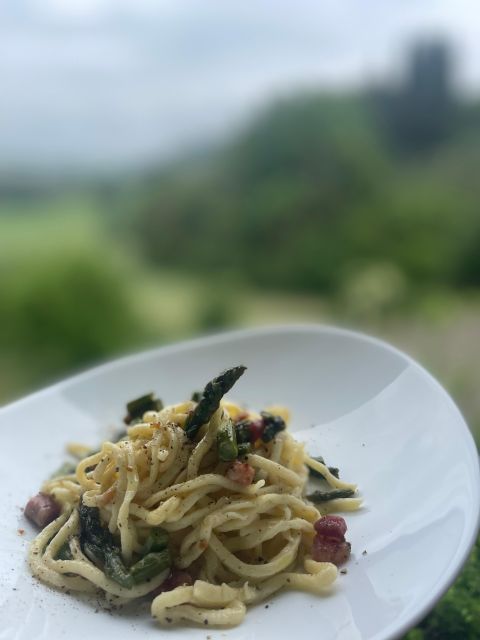
One of the standout features is the pairing layer, taught by professional sommelier Alina. This isn’t wine as a separate activity. It’s wine and olive oil tastings designed to connect directly with the food you’re making.
You’ll take part in a wine and olive oil tasting, then you’ll get lunch with wines. The goal is to help you understand how different wines and oils interact with what’s on your plate. That includes subtle things like why certain oils match well with certain pasta and how wine character can either lift flavors or clash if you pick wrong.
As you cook, you’ll also hear pairing tips tied to pasta shapes. That’s useful because it gives you a framework you can use later, not just a one-time drink recommendation.
English instruction helps here too. If you want to learn without translating in your head, you’ll feel comfortable asking questions about what you’re tasting and why it works.
Lunch, Dessert, and Liquors: The Full Food Flow
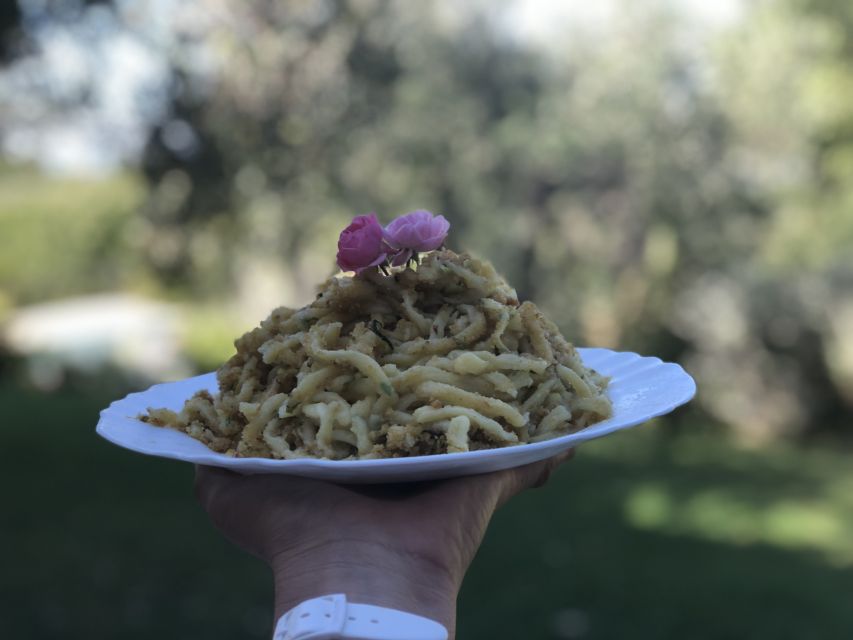
This class is built like a meal day, not a short workshop followed by an awkward gap. After the cooking and tastings, you’ll enjoy lunch with wines, then dessert, and liquors.
That included structure matters for value. It means you’re not paying extra for multiple stops, and you’re not stuck wondering where to eat while the rest of the group is already settled into the day. You get a complete sequence: taste, cook, eat, then finish sweet and spirits.
Also, since the food and drinks are connected to the cooking experience, the day feels cohesive. Instead of tasting randomly chosen wines, you taste with context: pasta dough, shapes, sauce choices, then wine and olive oil that complement those choices.
If you enjoy food pairing and want a day where you can ask questions while eating, this part is one of the best reasons to book.
Price and Value: What $124.61 Buys You in Tuscany
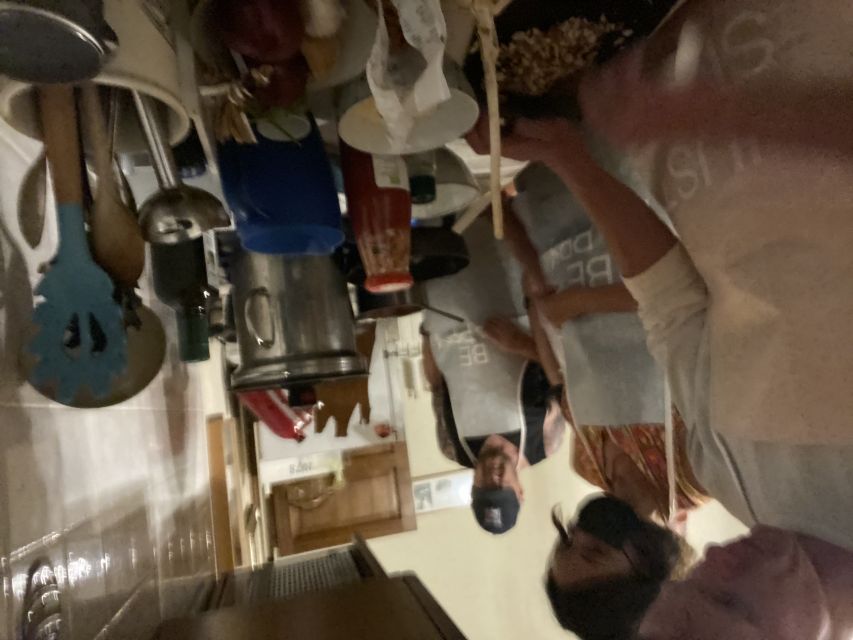
At $124.61 per person, you’re paying for more than a cooking lesson. You’re paying for a full day experience that includes the cooking class plus multiple food and drink components: coffee, wine and olive oil tasting, lunch with wines, dessert, and liquors.
That bundle is the value play. Many pasta classes only cover the cooking portion and then you’re on your own for drinks and meals. Here, the tastings and meal flow mean you’re essentially getting a guided culinary day with food and beverage included.
You’ll also be paying for the instructor’s specialist angle: not only teaching cooking, but bringing professional sommelier insight via Alina. If you like learning how to match wine and oils to what you eat, that ingredient is harder to find in cheaper, purely demo-based options.
The only “cost” is your time. It’s a one-day activity, and you’ll need to plan your start time around the schedule offered for that day.
Practical Tips Before You Go (Meeting Point, Shoes, Timing)
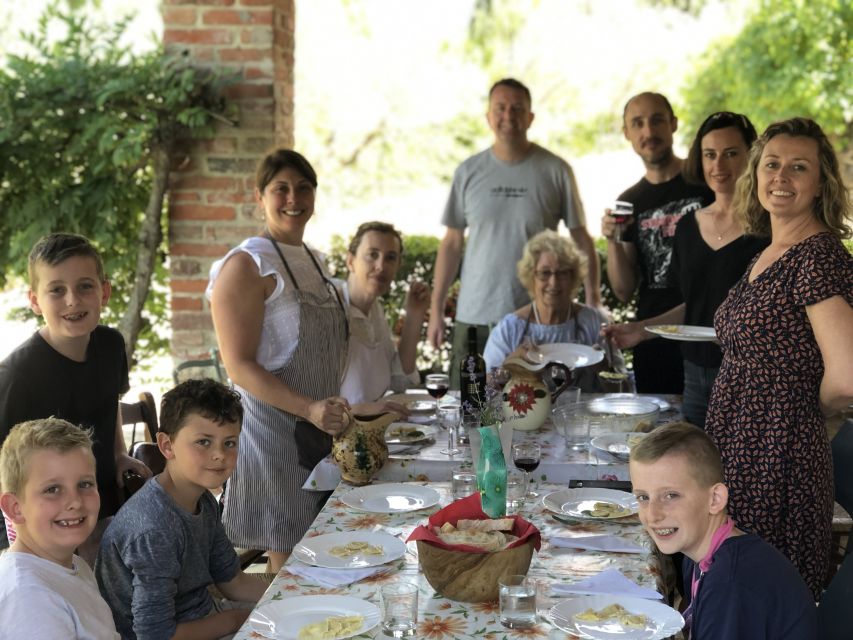
You’ll meet at Localita’ Dolciano, 3. Since it’s a countryside location and the instructions mention the gate area, don’t treat the meeting point like a city address. Arrive 5 minutes early, and plan to find the host at the gate just after the gate of Borgo Dolciano.
Wear comfortable shoes. This is a farm or borgo-style setting, and you’ll likely move around during prep and tastings.
The experience is in English, so if you’re comfortable speaking your questions plainly, you’ll get more from it. If you’re not a fluent Italian-food jargon person, don’t worry. The teaching is focused on practical steps you can repeat.
Finally, remember it’s a one-day experience with starting times that vary. When you choose your slot, think about how you’ll get there and how you’ll enjoy the rest of the day after cooking and eating.
Who This Organic Siena Pasta Class Is Perfect For
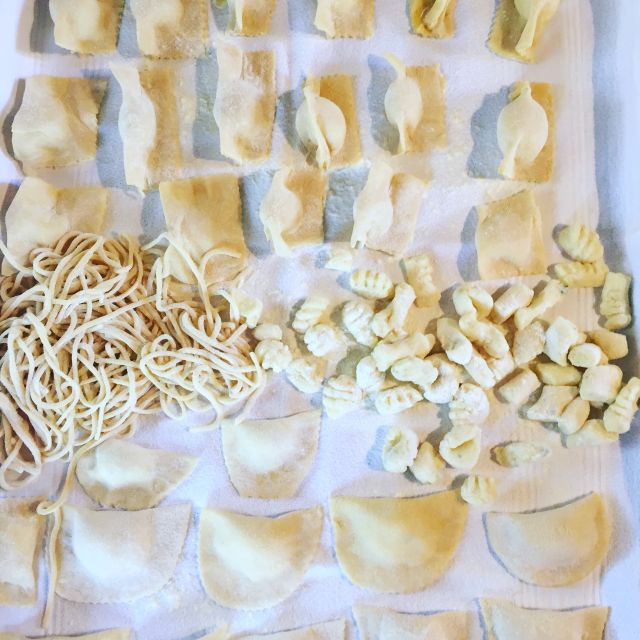
This works best for people who want skills, not just a photo-worthy plate. If you enjoy cooking at home and you want to learn the logic behind pasta dough, shaping, and sauce pairing, you’ll like how structured the class feels.
It’s also a strong fit for food lovers who care about ingredients and want to understand how organic and locally sourced produce shows up in flavor. You’ll get that “why” behind the taste, especially with the focus on growing and using organic ingredients.
If you’re traveling solo, as a couple, or with friends, the small-group setup helps you get attention and guidance while you work with dough. And the sommelier-led tastings are especially good if you’re interested in learning how wine and olive oil can change the whole eating experience.
If you’re a total beginner, you’ll still find value because the class is designed to guide you through each step. If you’re a confident home cook, the pairing and texture-focused coaching may be the part that refreshes your habits.
Should You Book? My Clear Verdict
I’d book this Siena organic pasta class if you want a hands-on Tuscany day that blends cooking and tasting into one smooth plan. The combination of pasta-making plus wine and olive oil tasting, a full lunch with wines, and dessert and liquors included makes it feel like you’re getting a guided food day rather than a short workshop.
What pushes it from nice to worthwhile is the professional sommelier angle from Alina. If you care about pairing and you like learning how food and drinks interact, that layer adds real learning value.
I’d hesitate only if you hate rural meeting points or you’re likely to arrive late. Since the meeting spot is at Localita’ Dolciano by the gate area, show up on time and you’ll have a calmer start.
FAQ
Where is the meeting point?
You meet at Localita’ Dolciano, 3. You should arrive 5 minutes early, and your host will wait at the gate just after the gate of Borgo Dolciano.
Is the class taught in English?
Yes. The instructor provides instruction in English.
How long is the experience?
It’s a one-day experience. Exact start times vary, depending on availability.
Does the experience include wine and olive oil tasting?
Yes. The experience includes a wine and olive oil tasting.
What meals and drinks are included?
Included are coffee, lunch with wines, dessert, and liquors, along with the cooking class.
Is the cooking class hands-on?
Yes. The experience is described as a hands-on pasta-making class where you learn dough preparation, shaping, and cooking steps.
What should I bring?
Wear comfortable shoes.
Is there a cancellation option?
Yes. Free cancellation is available up to 24 hours in advance for a full refund.
Can I reserve without paying right away?
Yes. It offers a reserve now & pay later option, so you can book and pay nothing today.
How much does it cost?
The price is $124.61 per person.