REVIEW · ROME
Authentic Cooking Class in Rome with Lunch or Dinner
Book on Viator →Operated by J&H Enterprises, LLC · Bookable on Viator
One walk, then straight to homemade pasta. This Rome combo tour pairs a guided sightseeing stroll with a hands-on pasta making class led by a local chef, and you eat what you make right after. I especially like the small-group feel (max 12) and the way the cooking lesson pushes you to recreate classic Italian dishes at home. The one drawback to keep in mind is that the walking portion can be longer than it sounds, and there have been occasional last-minute changes or guide-meeting mixups.
You start at Piazza di Spagna (a great Rome landmark to anchor your day), then move through big sights like the Trevi Fountain and the Pantheon area, with stories along the way. After the wish-at-the-fountain moment, you head into your 3-course meal setup—starter, main, and dessert—with a chef guiding you step-by-step.
If you want a straightforward, practical experience—less theater, more cooking—this tour can be a solid value for your first days in Rome. Just don’t book it as your one and only plan if your schedule is ultra-tight.
In This Review
- Key highlights you’ll feel fast
- From Spanish Steps to the Trevi Fountain: your Rome warm-up walk
- Trevi Fountain wishing: a tradition with actual rules
- The 3-course meal plan: what you’ll cook, and what you’ll learn from the chef
- Pasta from scratch: where the experience gets real
- Bruschetta and the starter: hands-on, but not always identical
- Dessert: tiramisu or crostata, and how much you’ll make
- Your guide makes or breaks the day: English help during Rome history and in the kitchen
- Price and logistics: what you’re paying for, and where it can wobble
- Small-group dinner energy: max 12, max attention
- Who should book this Rome pasta walk-and-class
- Should you book this Rome cooking class with lunch or dinner?
- FAQ
- How long is the cooking class and walking tour?
- Where do we meet, and where do we end?
- Is the pasta making hands-on?
- What dishes are included in the meal?
- Do I get lunch or dinner?
- Is the class offered in English?
Key highlights you’ll feel fast
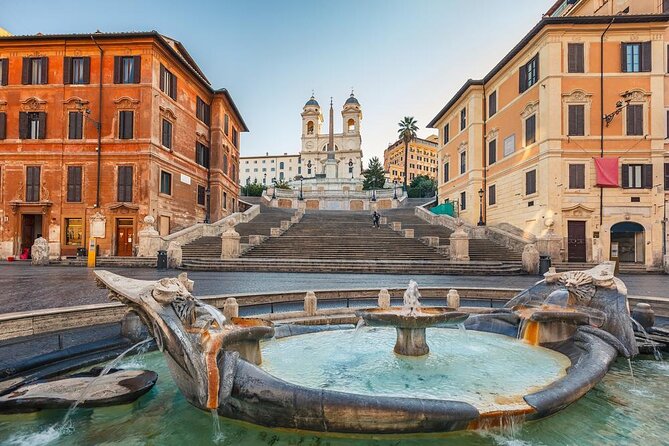
- Hands-on pasta making only: you work the dough; sauces are demonstrated in front of you
- 3-course meal style: starter, main pasta, then tiramisu or crostata to finish
- Trevi Fountain wish tradition: learn the why behind the ritual and when to do it
- Small group size (max 12): more attention during the cooking part
- English-speaking guide: guide translates what the chef is doing and why it matters
- Chef-led flexibility: most classes are in a restaurant, but it can shift to the chef’s home
From Spanish Steps to the Trevi Fountain: your Rome warm-up walk
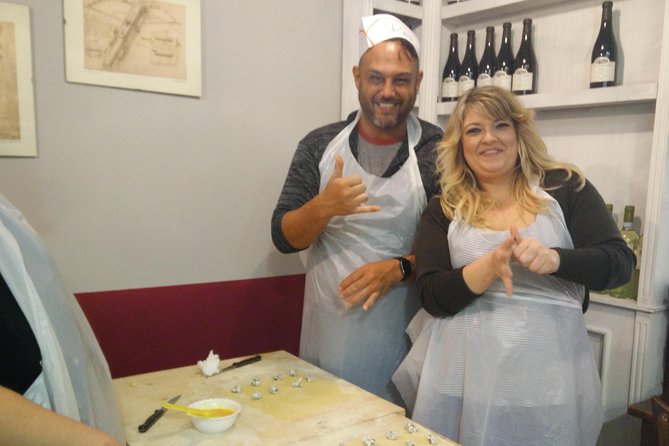
This tour starts at Piazza di Spagna, 18 and is designed like a quick Rome “orientation circuit.” You’ll begin near the Spanish Steps, then your guide leads you past other major sights such as the Column of the Immaculate Conception, the Trevi Fountain, and toward the Pantheon area. Along the way, the emphasis is on how Rome’s monuments got their stories—plus the little details that make photos more fun.
Why I like this approach for first-timers: Rome is huge, and trying to figure out the city by yourself can turn into a lot of dead-end wandering. Here, you get a structured walk that helps you understand what you’re seeing and where you are. It also sets you up to appreciate the cooking part afterward—because Italian food stories usually make a lot more sense when you’ve just seen the places they connect to.
Two practical considerations:
- The walking can involve steep hills, uneven paving, and transit segments depending on where the chef’s setup is that day.
- Timing can matter. A few people reported meeting-point problems or late guides. So do yourself a favor and arrive at Piazza di Spagna early, not right at the start time.
You can also read our reviews of more tours and experiences in Rome.
Trevi Fountain wishing: a tradition with actual rules
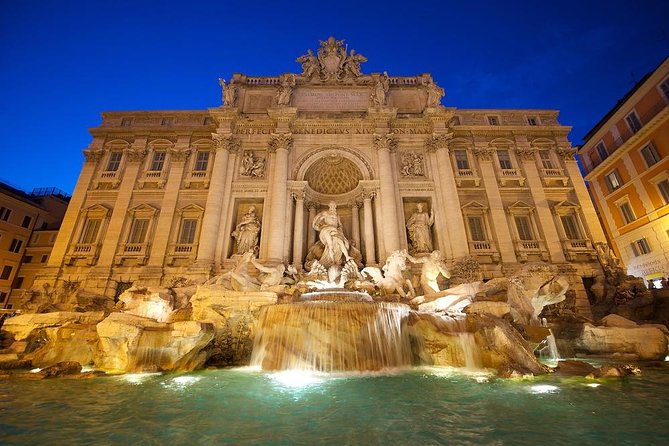
The Trevi Fountain stop isn’t only for the obvious photo. You’ll get the local belief behind the wish tradition and the guide will explain how to make a wish according to Roman customs. Even if you’ve seen the fountain before, it’s one of those experiences that gets better when you know what the tradition is trying to do.
The best way to handle the Trevi part is simple: treat it like a short ritual, then move with your guide. The crowd can grow fast, and your 3-course dinner plan depends on everyone staying on time.
If you’re someone who hates rushing, here’s the tradeoff: the tour keeps things moving so you can finish at the cooking portion without turning dinner into a late-night ordeal.
The 3-course meal plan: what you’ll cook, and what you’ll learn from the chef
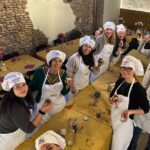
After the walk and fountain stop, you head to the restaurant (or sometimes the chef’s house) for your cooking lesson. The stated meal format is a starter, a pasta main, and a dessert. You’ll then eat what you made with your new group.
Here’s what the menu setup usually includes:
- Bruschetta al Pomodoro
- Fettuccine al Bolognese or Fettuccine alla Carbonara (or another seasonal option based on ingredients)
- Tiramisu or crostata for dessert
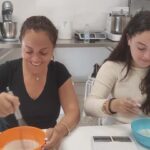
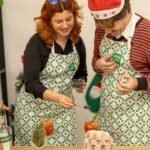
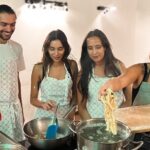
One important nuance: this is described as a hands-on pasta making class, with sauces shown as the chef demonstrates how they’re made. That means you’re not just watching pasta. You’re physically making the pasta part. But for the sauces, think show-and-explain, not full DIY from start to finish.
Pasta from scratch: where the experience gets real
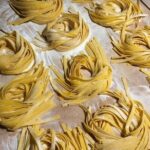
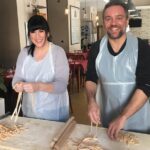
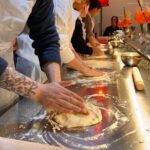
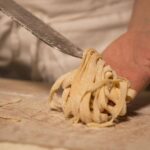
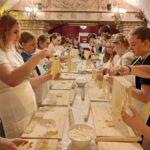
The main event is the pasta work. The chef shows you the techniques and you do the hands-on portion. This is the part that many people come away talking about, especially when the chef leads you in a way that feels calm and practical.
You may hear different chef names depending on your date. In previous sessions, people have specifically praised chefs such as Christian during the cooking portion, and guides like Sara, Cecelia, Simone, Charlie, and Sarah for keeping things smooth and translating clearly when needed.
What you should expect to learn (based on the class structure):
- How to form and handle pasta dough
- How to shape pasta for your dish
- How the sauce and finishing steps come together with the pasta you made
Bruschetta and the starter: hands-on, but not always identical
The class description includes bruschetta al Pomodoro, and your starter is part of the 3-course meal. In practice, the amount of hands-on work can vary. Some experiences have included true participation, while others have been more basic—like having the chef prep most components and letting you add tomatoes.
So here’s your smart move: if you want bruschetta where you do the majority of the work, ask your guide on the day about how the starter portion will run. The tour is still worth it for pasta, but don’t assume every starter step is equal across sessions.

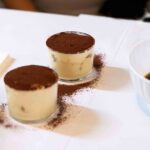
Dessert: tiramisu or crostata, and how much you’ll make
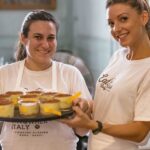
Dessert is built into the dinner, usually tiramisu or crostata. The tour notes that dessert is explained in theory—meaning you’ll understand the process, but the class may not always have you doing every single dessert step from scratch.
If you want to actually make the dessert from scratch, there’s an option: you need to send a note ahead of time, and it’s handled through a different class (with a surcharge).
This is a key decision point. If dessert-from-scratch is a must for you, plan early. If you’re happy learning the “how it works” portion and still getting to eat dessert, the standard format should feel satisfying.
Your guide makes or breaks the day: English help during Rome history and in the kitchen
This tour is offered in English, and that matters because the cooking part involves a chef (and sometimes the chef speaks Italian). A good guide makes it feel effortless: they translate what’s happening, keep you oriented during the walk, and often add extra restaurant and Rome recommendations.
The names that came up in standout experiences include:
- Sara, for hospitality and for taking extra care of the group
- Simone, for an excellent Rome walk
- Cecelia, for being relatable and fun while still staying on top of details
- Charlie and Sarah, for keeping the tour moving and explaining the stops well
Here’s why this matters for value: you’re paying for two skills—Rome storytelling and a cooking lesson. When the guide is doing that well, the whole day clicks into place.
Price and logistics: what you’re paying for, and where it can wobble
At $106.65 per person, you’re buying more than a cooking class. You’re getting:
- pickup/drop-off from a centrally located meeting point
- an English guide for the walk
- the restaurant meal and cooking lesson
- all taxes and fees included
That bundle can be good value, especially if you’re new to Rome and want a guided start. The walk also helps you avoid spending your first hours just figuring out directions.
But logistics are the main thing to watch. A handful of experiences reported:
- cancellations or late notifications
- guide no-shows or meeting-point confusion
- longer than expected walking/transit to reach the cooking site
- class changes due to the chef’s availability
Also, one reported situation included an extra 15 Euros per person charged on the spot when the group became private due to last-minute cancellations. That’s not the standard you should count on, but it’s worth keeping your payment expectations flexible.
My practical advice so this day stays fun:
- Be early at Piazza di Spagna (18). Don’t assume you can “find the group” on the clock.
- Keep your phone charged and ready for any contact during the walking-to-cooking transition.
- If you have mobility limits or hate uneven surfaces, treat this as a walking day first, cooking day second.
Small-group dinner energy: max 12, max attention
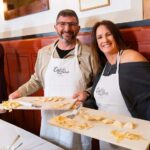
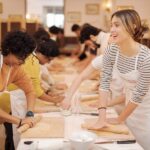
The tour caps at 12 travelers, which is a sweet spot. In a smaller group, you’re more likely to get hands-on time during pasta making and enough attention to follow steps without feeling lost.
People also talked about the experience feeling personal when the group was very small. When you only have a few couples, the guide can answer more questions and the chef can adjust the pace.
If you love social travel but hate noisy bus tours, this format is a nice middle path: friendly, not chaotic.
Who should book this Rome pasta walk-and-class
This is a great fit if you want:
- a first-day Rome plan that combines major sights with an actual meal
- a real cooking skill you can repeat at home (pasta from scratch)
- a guide-led history walk that doesn’t require museum tickets or complicated planning
You might want to think twice if:
- you can’t handle uneven pavement, hills, or a longer walk/transit day
- your schedule is fragile and you can’t absorb delays (a few people reported late guides or cancellations)
- you’re expecting to make every part of the starter and dessert from scratch
Should you book this Rome cooking class with lunch or dinner?
My take: yes, it’s worth booking if you want a guided Rome start and a hands-on pasta skill. The strongest pull is the pasta making plus the chance to eat what you made as part of a 3-course meal. When the guide and chef click, it feels like one of the best ways to spend a few hours in Rome without wasting time.
Just book it with eyes open:
- Arrive early at Piazza di Spagna.
- Expect that the walk portion is real walking.
- If you care deeply about making dessert from scratch, ask ahead about the special option.
If you want a calm, low-risk day, consider booking this as a flexible first or second-day activity—not as the one thing that can’t move.
FAQ
How long is the cooking class and walking tour?
It’s about 3 to 4 hours total, including the walking part and the cooking lesson.
Where do we meet, and where do we end?
You start at Piazza di Spagna, 18, 00187 Roma RM and the tour ends back at the same meeting point.
Is the pasta making hands-on?
Yes. The class is described as hands-on pasta making. Sauces are shown to you as the chef makes them in front of you.
What dishes are included in the meal?
The typical menu includes Bruschetta al Pomodoro, fettuccine options like al Bolognese or alla Carbonara (seasonal/ingredient dependent), and tiramisu or crostata.
Do I get lunch or dinner?
You can choose a morning or afternoon tour, and that choice determines whether you have lunch or dinner. Either way, it’s included.
Is the class offered in English?
Yes, it’s offered in English and uses a mobile ticket.