REVIEW · INDONESIA
Lombok Traditional Pottery Experience and Village life
Book on GetYourGuide →Operated by POTTERY LOMBOK SASAK · Bookable on GetYourGuide
Clay and coffee in a Sasak village. I love the hands-on pottery coaching you get from local artisans step by step, and I also really like the way this turns into cooking with the family so you experience more than just a workshop. One heads-up: there’s no hotel pickup, so you’ll need to make your own way to Dawa Pottery Studio.
What you’re signing up for is simple but special: you shape, smooth, and add your own design to clay using traditional methods, then you spend time in a warm village setting that feels personal and lived-in. English guidance is available, and you can ask for vegetarian options. You’ll want comfortable, clay-ready clothes, because this is meant to be hands-on.
In This Review
- Key Things That Make This Workshop Worth Your Time
- A Sasak Village Day: Pottery Plus Real Kitchen Time
- Meeting Dawa Pottery Studio in Dusun Adong (No Pickup)
- Pottery Workshop: Shaping Clay the Traditional Way
- Cooking Workshop in the Village Kitchen: Eat With Your Hands
- Your Pottery After the Workshop: Drying, Firing, and Shipping
- Price and Value at About $21 for Two Hours
- Who This Fits Best (And Who Should Rethink It)
- Practical Tips to Make the Day Go Smoothly
- A Quick Reality Check on Time: Two Hours, Then the Pottery Wait
- Should You Book This Lombok Pottery Village Experience?
- FAQ
- How long is the Lombok Traditional Pottery Experience?
- How much does it cost?
- Where do I meet for the workshop?
- Do I need prior pottery experience?
- What should I bring?
- Is the experience wheelchair accessible?
- Can I get a vegetarian meal?
- Is it okay if I have scuba-dived recently?
- How does taking pottery home work?
Key Things That Make This Workshop Worth Your Time
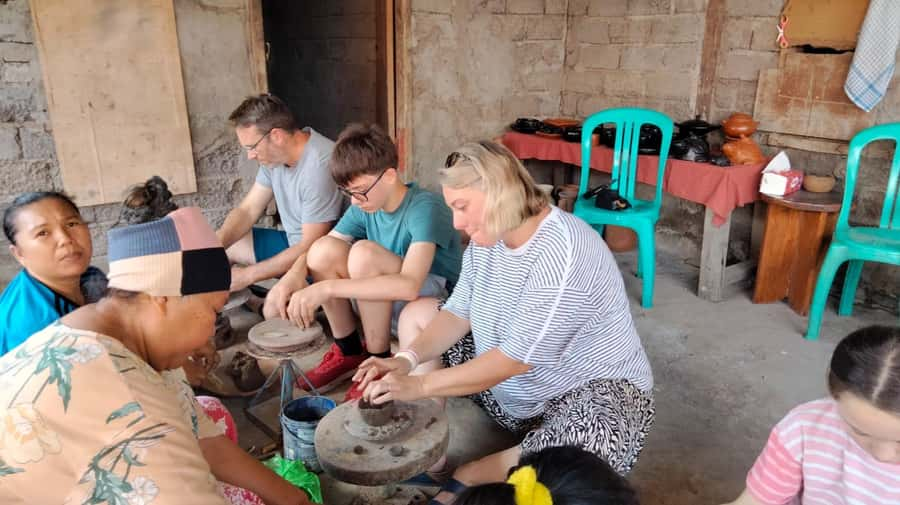
- Sasak artisans guide you directly through shaping and decorating clay with simple tools
- You cook with the family, not just watch and eat from a distance
- Local ingredients and a real kitchen rhythm that makes the meal feel like part of the class
- You’ll make more than one piece, depending on how you work (some people leave with 2–4 items)
- Drying and firing take time, and they handle the logistics so you don’t have to transport fragile wet clay
A Sasak Village Day: Pottery Plus Real Kitchen Time
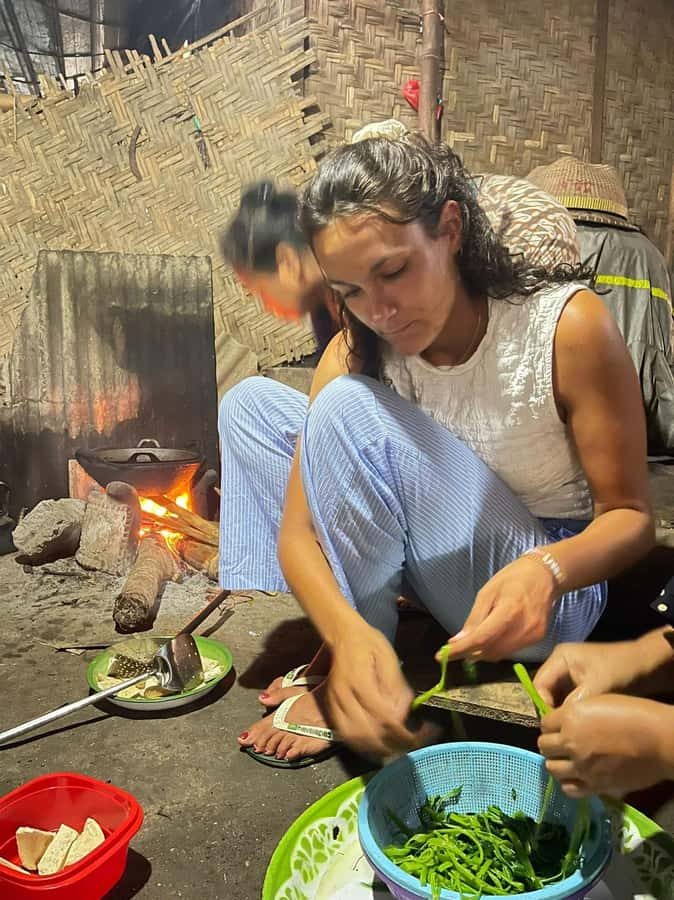
This is the kind of activity that doesn’t feel like a checklist. You start in a working pottery village setting where craft is part of daily life, not a staged performance. The best part is how quickly you move from seeing clay to working clay under calm, patient direction.
The pottery portion is practical: you’re shown how to handle the material, how to shape it, and how to smooth it out. Then you get to make design choices—adding your own touches so the final piece doesn’t look like it came from a production line.
After pottery, the experience shifts into cooking and eating. You don’t just receive food. You cook alongside village family members and then share the meal in a relaxed atmosphere. That matters because you’re learning local life through hands, not through photos. If you care about how people actually live and eat, this part lands hard—in a good way.
Meeting Dawa Pottery Studio in Dusun Adong (No Pickup)
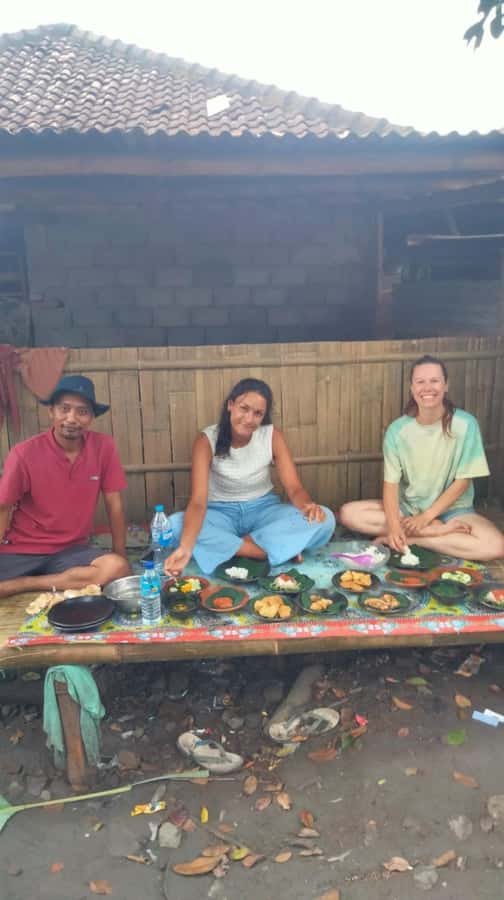
This is a “go there yourself” experience. There’s no hotel pickup or drop-off, so you’ll want to plan your route before you show up.
Your meeting point is:
- Dawa Pottery Studio, located on Dusun Adong
- It’s across from an Alfamart alley
- Look for a sign that says Dawa Pottery
Why I’m bringing this up: when an activity is in a village area, the difference between arriving on time and getting lost can be a big deal. If your driver drops you too early or too late, you may still find the spot, but it’s easier to be precise. If you like “arrive, check in, relax,” then build in a little extra buffer time.
Pottery Workshop: Shaping Clay the Traditional Way
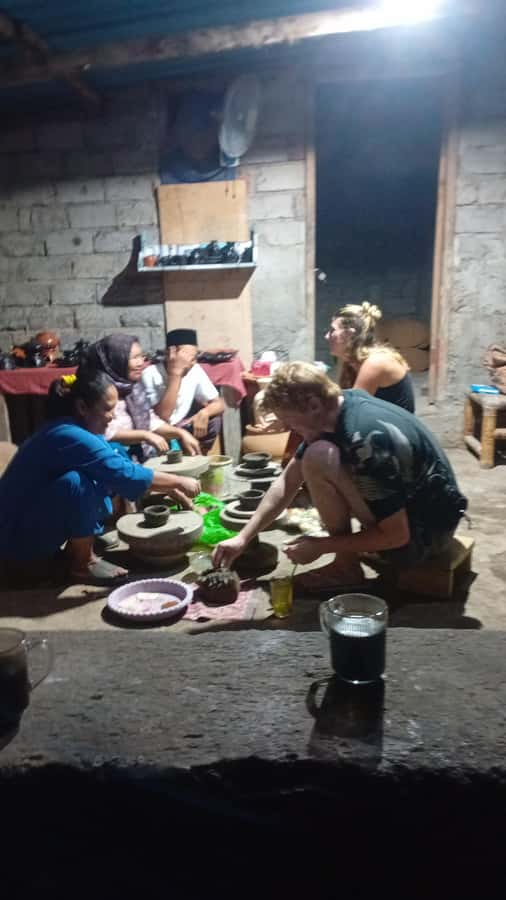
You’ll start at the pottery workshop with local artisans guiding you step by step. The focus is on traditional Lombok pottery methods passed down through generations. That doesn’t mean it’s complicated. It means the process is straightforward and based on real craft practice.
Here’s what you can expect during the pottery part:
- You work with clay using simple, traditional tools
- You’ll learn how to shape your piece and smooth it
- You’ll add your own design so it feels personal
- Depending on how you go, you may create more than one item (some people make multiple clay pieces)
English guidance is available, so you’re not left guessing. And even when something gets lost in translation, the atmosphere tends to be friendly and relaxed—enough that you can still understand the key steps.
A practical note: this is not “dress up and watch.” You’ll get messy. Wear clothes you’re happy to stain, and plan to roll up your sleeves mentally. If you’re worried about ruining your best outfit, don’t bring your best outfit.
Cooking Workshop in the Village Kitchen: Eat With Your Hands
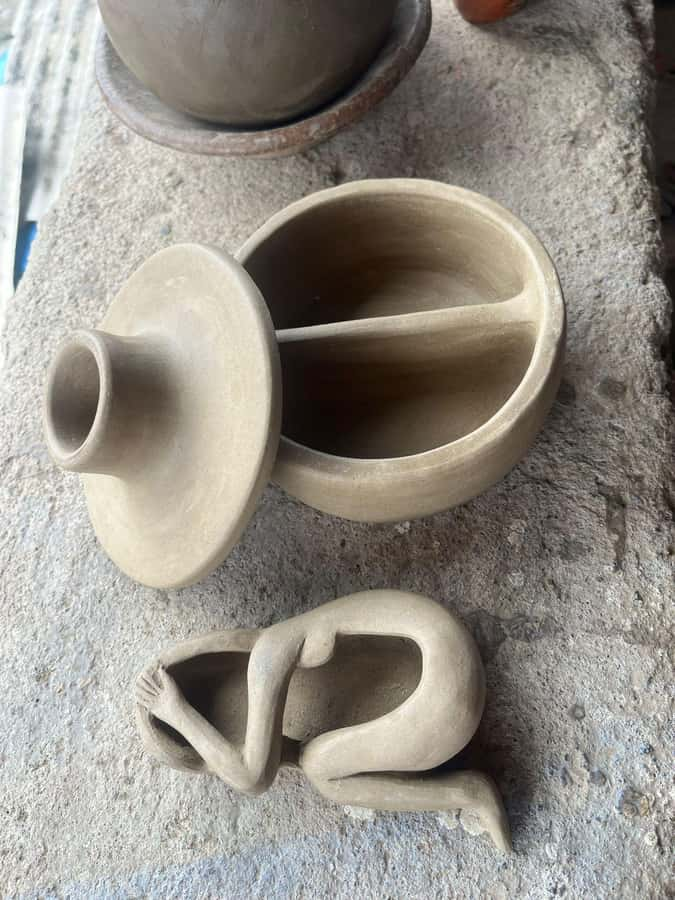
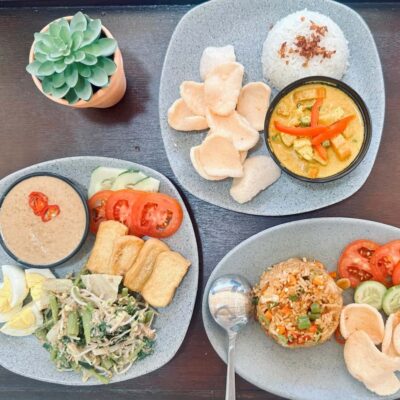
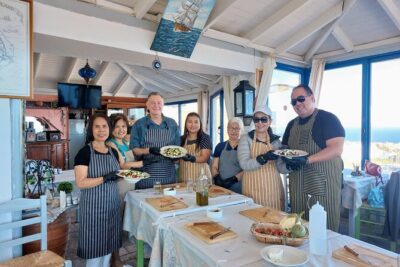
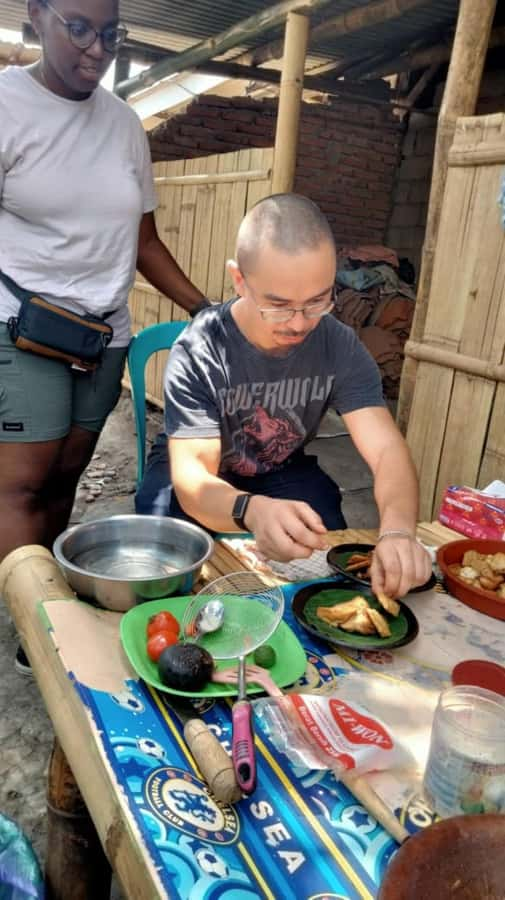
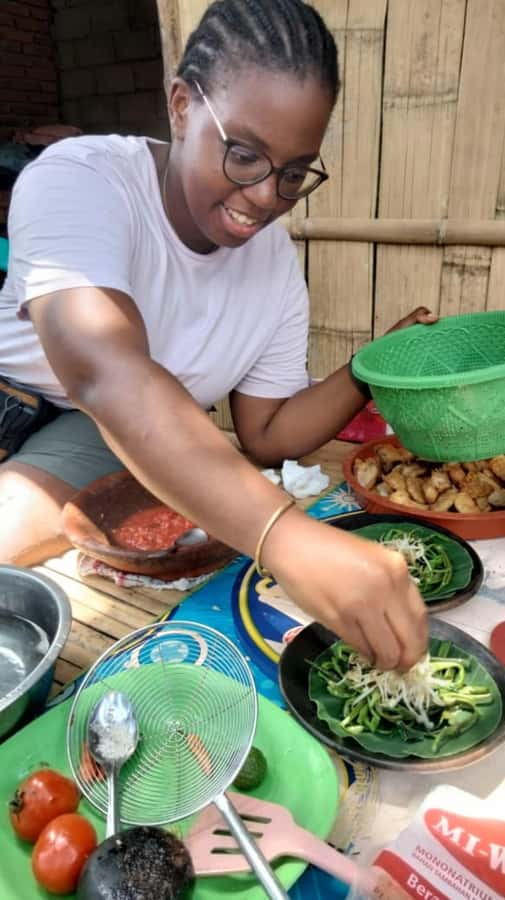
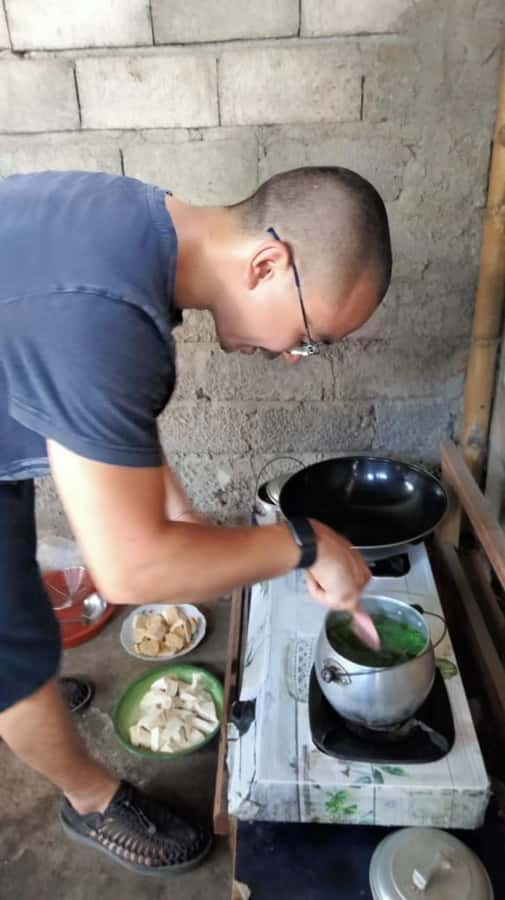
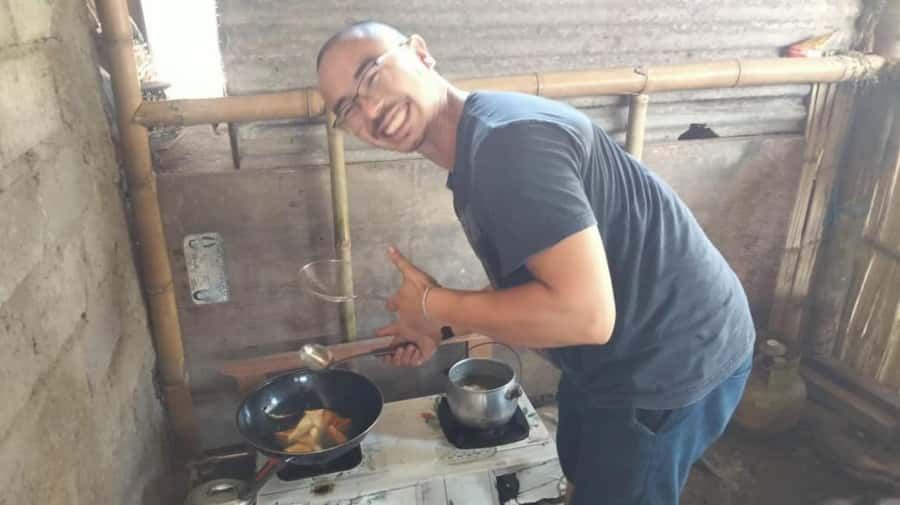
One of the most memorable parts is how the day moves from clay to food. After pottery, you’re taken to the kitchen area and you cook alongside family members. Ingredients are fresh and local, and you’re not just tasting—you’re participating.
From what you’ll experience, the cooking session feels like:
- learning local technique
- working at a human pace (not a rushed demo)
- sharing the meal in a warm group setting
Some people also note that the meal is eaten with your hands, which turns the food into part of the cultural moment. If you’re unsure about hand-eating, don’t panic. Watch for cues and follow what others are doing, then do your best. It’s easier than you think once you’re sitting down and the meal starts arriving.
Vegetarian options are available upon request. If you’re vegetarian (or eating for specific reasons), message ahead so the kitchen has time to plan.
Your Pottery After the Workshop: Drying, Firing, and Shipping
Here’s the key reality about pottery: it doesn’t finish in one sitting. Your piece needs time to dry and then to fire.
This matters for what you can take home:
- The highlight says you can take your pottery home
- But firing requires about two days for drying and firing
- The experience includes shipping support, so your finished items can be delivered later rather than risking damage in transit
In plain terms: don’t expect your clay to become a finished, sturdy ceramic you can toss in a bag immediately. Plan as if you’ll leave with the creative part done, and the final, fired pieces handled after.
If you’re traveling with limited luggage, this is where the value shows. Shipping means less worry and less stress about fragile ceramics crossing airports or inter-island ferries.
Price and Value at About $21 for Two Hours
At roughly $21 per person for a two-hour pottery experience, this can be a strong value—especially because it’s not just pottery. You get:
- pottery workshop time with local artisans
- tools and materials
- English/Indonesian guidance
- the shipping logistics for your pottery
- plus a village cooking component and the meal you prepare
There’s a line item note that additional food or drinks aren’t included beyond the class. So if you’re thirsty for extra juices, coffees, or snacks beyond what’s part of the teaching, that’s where you might pay separately. But the core experience includes the food portion tied to the cooking activity.
Is $21 a “cheap souvenir workshop” price? It’s more like a fair rate for a cultural day with real teaching, real materials, and real follow-through on firing and delivery.
Who This Fits Best (And Who Should Rethink It)
This workshop is well set up for beginners and for families. You don’t need prior experience. The experience is also described as safe and suitable for all ages with parental guidance for children.
It’s a good fit if you:
- want hands-on craft, not just sightseeing
- like cultural experiences that include food and daily village life
- want a souvenir that’s genuinely made by you
- have teenagers who enjoy doing something active (some families say their teens had fun here too)
It’s especially worth considering if you can handle the practical reality of pottery: clay work means mess, and firing means you won’t instantly walk out with a final ceramic.
It may be less suitable if:
- you recently did diving within the prior 24 hours (this activity notes it’s not suitable for diving up to 24 hours prior)
- you’re uncomfortable with clothing getting dirty
- you need a hotel pickup (because you’ll handle transport yourself)
Wheelchair accessibility is listed, which is a big plus if you travel with mobility needs. Still, as with any village setting, expect some uneven spots and plan for extra time moving between areas.
Practical Tips to Make the Day Go Smoothly
If you want this to feel easy and fun, pack smart for mess and for comfort.
Bring:
- comfortable clothes you don’t mind getting clay on
- something you can move in easily during hands-on work
Also, come with the right expectations:
- you’re learning by doing, not by watching
- your piece needs time for drying and firing
- you’ll benefit from being patient with the pace of family cooking
If you have vegetarian needs, ask ahead for vegetarian options. That gives the kitchen time to plan, and it keeps your day from turning into last-minute problem solving.
And one more rule you should know: nudity isn’t allowed. It’s a standard policy, but it’s good to be aware so you don’t accidentally run into discomfort or confusion.
A Quick Reality Check on Time: Two Hours, Then the Pottery Wait
The listed duration is two hours. In practice, it often feels like more because village hospitality includes conversation, tea or coffee moments, and time with the family.
You’ll likely experience a natural flow:
- coffee/tea or snacks before you start (some people mention this as part of the welcome)
- pottery making with guidance
- then cooking time and a shared meal
So even if the clock says two hours, you should still plan your day as if it’s a relaxed block of village life, not a rushed appointment.
For the pottery itself, the waiting part happens after you leave. Your piece needs time to dry and fire, and shipping is part of the included support.
Should You Book This Lombok Pottery Village Experience?
I’d book it if you want an active cultural day that mixes craft with village food, and you’re happy to make something you’ll later receive as finished pottery. The biggest strength here is the combination: hands-on Sasak pottery plus actual cooking and eating with family members in a warm, welcoming atmosphere.
Skip it or think twice if you hate the idea of self-transport (no hotel pickup), if you’re very short on schedule, or if you’re not comfortable with messy hands and clothing.
If you like thoughtful souvenirs and you’d rather spend time in a real village kitchen than chase a photo spot, this is a solid choice at the price.
FAQ
How long is the Lombok Traditional Pottery Experience?
It lasts about 2 hours.
How much does it cost?
The price is listed as $21 per person.
Where do I meet for the workshop?
Meet at Dawa Pottery Studio on Dusun Adong, across from an Alfamart alley. Look for a sign that says Dawa Pottery.
Do I need prior pottery experience?
No prior experience is required.
What should I bring?
Bring comfortable clothes and clothes that can get dirty.
Is the experience wheelchair accessible?
Yes, wheelchair accessibility is listed.
Can I get a vegetarian meal?
Vegetarian options are available upon request.
Is it okay if I have scuba-dived recently?
It’s not suitable for people who are diving up to 24 hours prior.
How does taking pottery home work?
The experience includes shipping of your pottery, and your pieces need time for drying and firing (about 2 days).