REVIEW · GILI ISLANDS
Gili air: Kaktus traditional cooking class
Book on GetYourGuide →Operated by Kaktus silver jewellery making class · Bookable on GetYourGuide
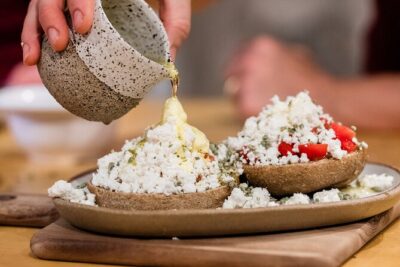
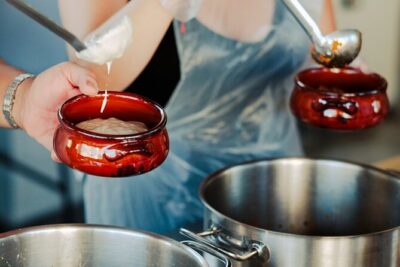
Coconut milk starts with a fresh crack. This Kaktus traditional cooking class on Gili Air turns island time into hands-on Indonesian food, with you learning key techniques instead of just watching. I love the focus on traditional methods, especially making coconut milk from scratch and using a traditional cobek mortar and pestle to build a peanut sauce with real aroma.
I also like how the class stays practical and calm, guided in English by instructors such as Kai, Sas, and Brice, who take their time and explain clearly. A possible drawback: because it’s a hands-on session and you cook multiple dishes in about 2 hours, you may leave with a lot of food (one person couldn’t finish even when they wanted to), so don’t plan a light appetite day.
In This Review
- Key Things That Make This Class Worth Your Time
- Coconut Milk, Cobek Peanut Sauce, and Gili Air Cooking Time
- What’s on the menu (and what that means for value)
- The group size: why it matters
- Meet Your Instructor and Learn the Traditional Moves
- Coconut milk from scratch: the skill that changes everything
- The cobek peanut sauce: flavor built by pressure and time
- Your 2-Hour Flow: What Happens During the Class
- Step 1: Start with ingredients and get cooking
- Step 2: Make coconut milk (hands-on base building)
- Step 3: Build peanut sauce with the cobek
- Step 4: Cook nasi goreng and chicken rendang curry style
- Step 5: Eat what you cooked
- Food You Can Actually Recreate at Home
- Why these dishes work well for home cooks
- Recipes and takeaways
- Price Check: Is $27 Good Value for a Gili Air Class?
- Who This Class Fits Best (and Who Might Want Something Else)
- Quick Practical Tips Before You Go
- Should You Book Kaktus Traditional Cooking Class in Gili Air?
- FAQ
- How long is the Kaktus traditional cooking class?
- How much does the cooking class cost?
- What dishes will I learn to make?
- Is the class taught in English?
- Is this class a small group?
- Is the class wheelchair accessible?
- What’s included in the class?
- Can I cancel if my plans change?
- Will I get recipes to take home?
Key Things That Make This Class Worth Your Time
- Coconut milk from scratch using fresh coconut, not a shortcut.
- Cobek peanut sauce made the traditional way for deeper flavor.
- Nasi goreng + chicken rendang style curry as core dishes you can recreate at home.
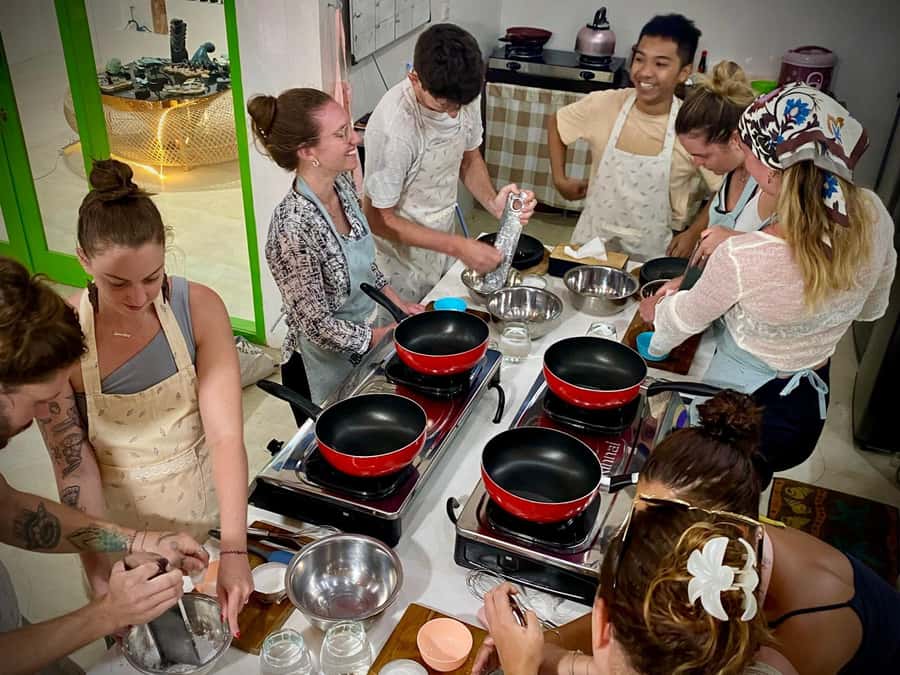
- Small group feel (limited to 2 participants), so you get attention instead of rushing.
- Generous portions and real eating time, not just snacks.
- English instruction with patient pacing, including extra care when someone’s not feeling well.
Coconut Milk, Cobek Peanut Sauce, and Gili Air Cooking Time
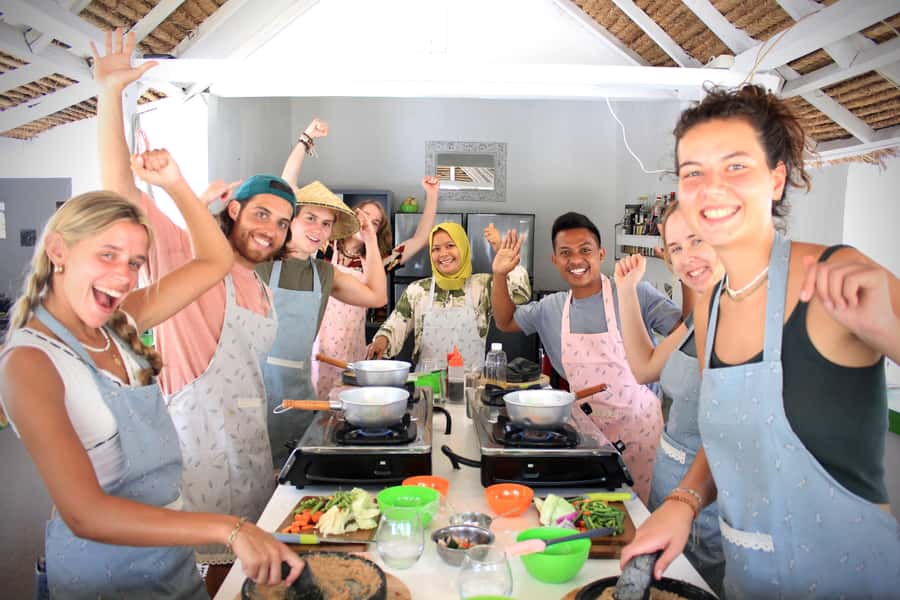
If you want a break from scooters, sunsets, and that endless decide-where-to-eat loop, this is a smart swap. On Gili Air, the schedule is all about simple pleasures. This class fits right into that rhythm: you spend two hours cooking, then you sit down and eat what you made. No fancy costumes required. Just a relaxed island vibe and serious food skills.
What you’re getting is not a lecture. You’re actively making Indonesian dishes with techniques that are hard to “fake” at home—like turning fresh coconut into milk, or grinding ingredients until the peanut sauce tastes like it has a past.
You can also read our reviews of more tours and experiences in Gili Islands.
What’s on the menu (and what that means for value)
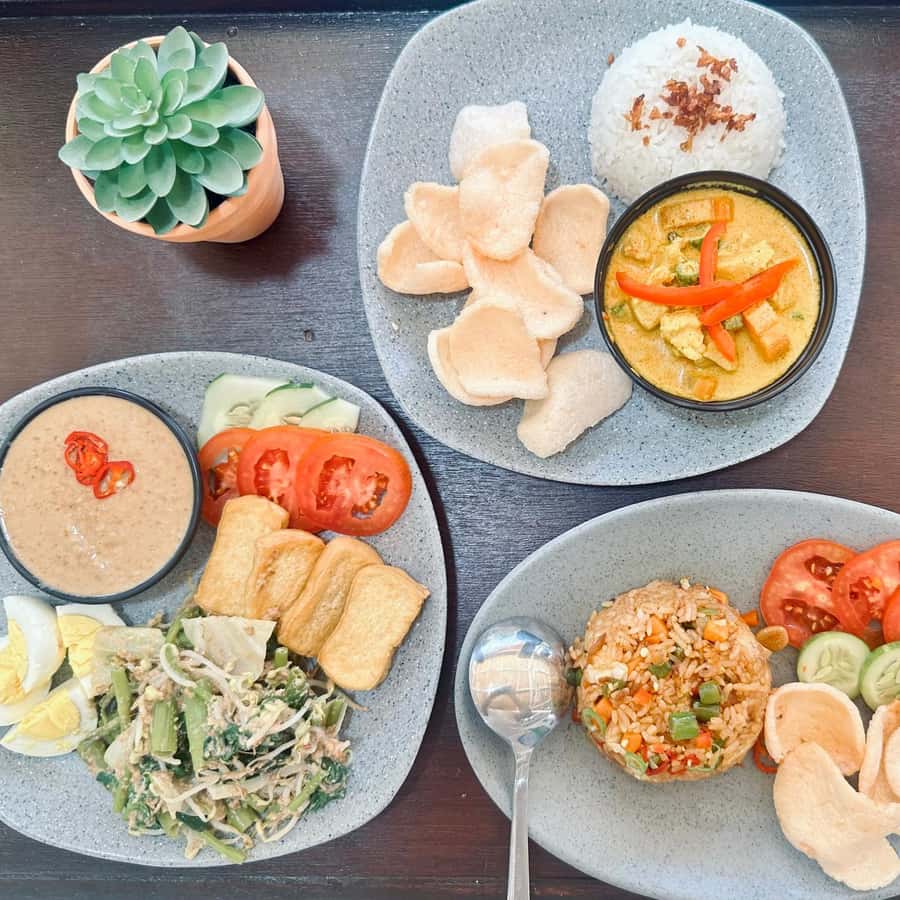
Based on the class structure, you’ll be cooking key Indonesian favorites that also teach you foundational flavor-building moves:
- Fresh coconut milk from scratch.
- A traditional cobek method for peanut sauce.
- Nasi goreng (the most famous Indonesian dish).
- Chicken rendang curry style (rich color, bold taste).
In some sessions, you may also see additional courses or dish variety. People have described making multiple main dishes and even dessert-style courses during their time at the class. That’s a good sign: you’re not only learning one technique—you’re likely practicing several, then eating a full meal.
For value, the big thing is this: you’re not paying just for a tasty dinner. You’re paying for the repeatable skills that let you recreate the flavors later. Once you understand coconut milk and peanut sauce basics, you can adapt them to other Indonesian meals.
The group size: why it matters
The class is set up as a small group limited to 2 participants. That’s huge on an island where many activities get crowded fast. With fewer people, you can ask questions, get help with timing, and move at a pace that actually lets you learn instead of just sprint through steps.
In the reviews, instructors are described as kind, gentle, and patient. That matches the small-group format. When you’re working near heat, sharp tools (or messy hands), and lots of ingredients, calm guidance is more than a nice-to-have.
Meet Your Instructor and Learn the Traditional Moves
You’ll work with an English-speaking instructor, and names like Kai and Sas show up in past experiences, with Brice also mentioned. The common thread is instruction that doesn’t rush you.
Coconut milk from scratch: the skill that changes everything
Many cooking classes treat coconut milk like an ingredient you open from a package. Here, the point is that you make it. Fresh coconut matters because:
- The taste is cleaner and more natural.
- The texture is more controllable for your next steps.
- It forces you to understand how coconut becomes a cooking base.
Even if you’ve cooked with coconut milk before, learning the process on-site gives you a feel for what “good” looks like. That makes home cooking less guesswork and more confidence.
The cobek peanut sauce: flavor built by pressure and time
The class highlights the use of a traditional cobek (mortar and pestle). Grinding is not just tradition for tradition’s sake. It changes flavor:
- Aromatics break down better when ground properly.
- Peanut sauce gains body and depth from the way ingredients release.
- The final taste feels smoother and more connected than rushed mixing.
If you like Indonesian flavors, this part is a real keeper. You can reuse the idea—grind first, then build flavor—when you make sauces back home.
Your 2-Hour Flow: What Happens During the Class
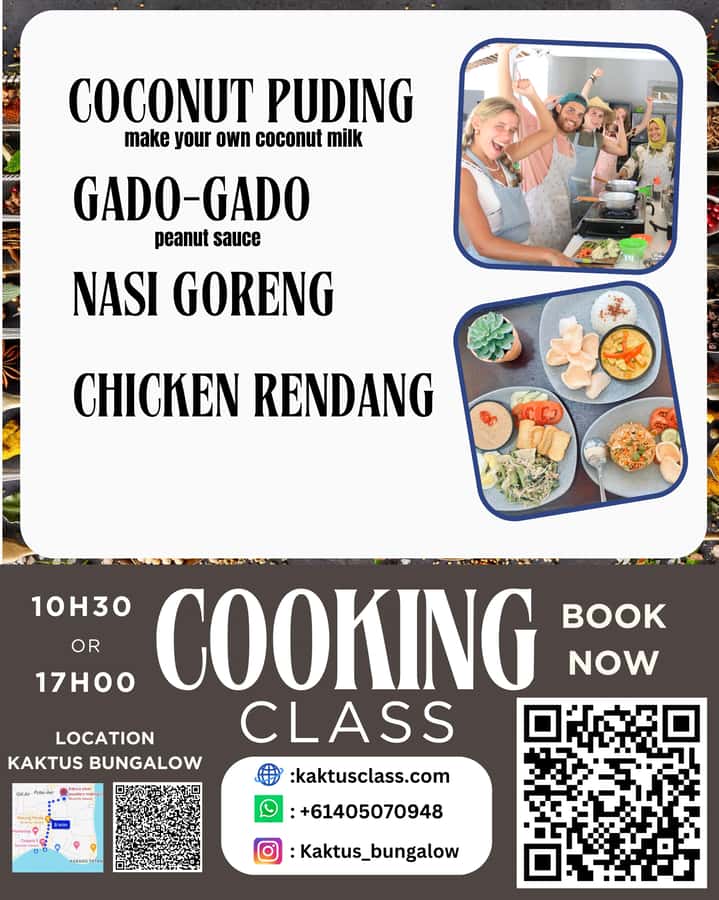
The timing is simple: 2 hours total. That short window is a strength. You won’t spend your whole day in the kitchen, and you still walk away with techniques you can use later.
Here’s the practical flow you can expect.
Step 1: Start with ingredients and get cooking
You’ll begin by prepping ingredients with help from your instructor. The class includes ingredients and fresh water, plus you’ll have access to toilets and food as part of the experience. The pace tends to be unhurried, with instructions described as clear.
What to do before you go: bring an appetite and wear clothes you don’t mind getting a little messy. Cooking on an island can still mean humidity, splashes, and fragrant ingredients that cling to fabric.
Step 2: Make coconut milk (hands-on base building)
This is one of the highlights. You’ll work through the process of transforming fresh coconut into milk that can anchor your dishes. Expect to focus more on method than speed. When you do coconut this way, you start understanding how coconut flavors behave in cooking.
Step 3: Build peanut sauce with the cobek
Next comes the traditional peanut sauce using the cobek. This is where the class goes from learning ingredients to learning technique. You’ll likely see how the grinding stage affects aroma and texture.
If you’ve ever tried a peanut sauce and thought it tasted flat, this section is your answer. It’s not just what’s in it. It’s how it gets worked.
Step 4: Cook nasi goreng and chicken rendang curry style
The class then moves to the dishes you’ll eat. Nasi goreng is there for a reason: it’s a template dish. Once you understand the balance and method, you can expand into other fried rice variations.
Then you’ll cook chicken rendang curry style, described as full of color and flavor. Rendang-style cooking tends to reward patience and correct seasoning. In a class like this, you’re learning the practical side: how to build the dish so it tastes like it belongs in Indonesia, not like home attempts.
Step 5: Eat what you cooked
You’ll eat the food you made. Reviews repeatedly note that everything tasted delicious and that portions can be generous. One person even said they couldn’t finish it all despite wanting to. Plan for that reality: you may want to save leftovers or at least pace yourself.
Food You Can Actually Recreate at Home
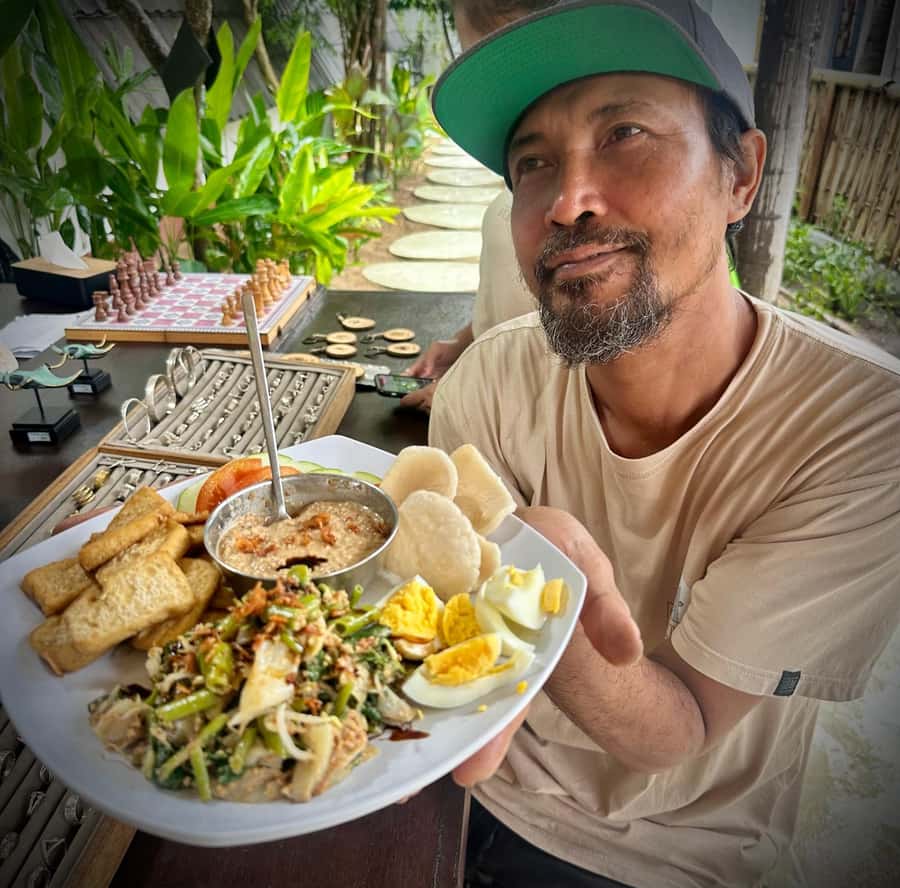
This class is built for transfer. Not just for photos.
Why these dishes work well for home cooks
- Nasi goreng is forgiving and flexible. Learn the core flavor approach, and you can adapt with whatever you have.
- Chicken rendang curry style teaches deeper seasoning patterns and how color and richness come together.
- Coconut milk and peanut sauce give you two repeatable building blocks.
If you like cooking, this is the sweet spot: you leave with methods, not just memories.
Recipes and takeaways
One review mentions a digital copy of the recipe and method as a nice extra. Even if you don’t get that in every session, the class format is hands-on enough that the key steps stick.
If you want to maximize learning, take a couple of photos during key stages—especially around coconut milk and peanut sauce texture—then compare later when you try it at home.
Price Check: Is $27 Good Value for a Gili Air Class?
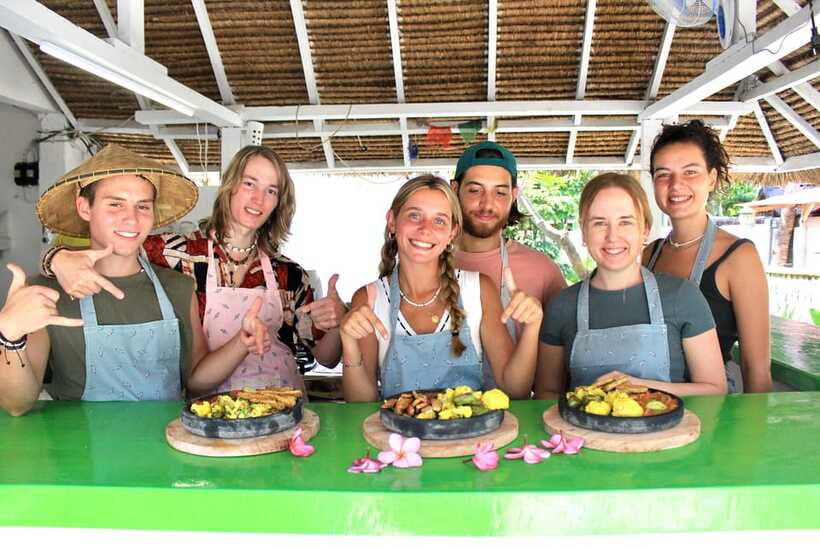
At $27 per person for a 2-hour hands-on cooking class, the value is in what you get:
- Multiple dishes cooked and eaten.
- A core technique like coconut milk from scratch.
- Traditional cobek sauce method, which most cheaper classes skip.
- A small group setup that makes instruction easier to follow.
On Gili Air, you’ll find plenty of “quick activities.” This is a better deal if you want skills. It’s also a nice option for a planned activity that doesn’t require big logistics, since it’s centered on the kitchen and meal.
If you’re expecting a big show, it’s not that kind of class. If you want a real cooking lesson with food you’ll actually eat, it’s solid value.
Who This Class Fits Best (and Who Might Want Something Else)
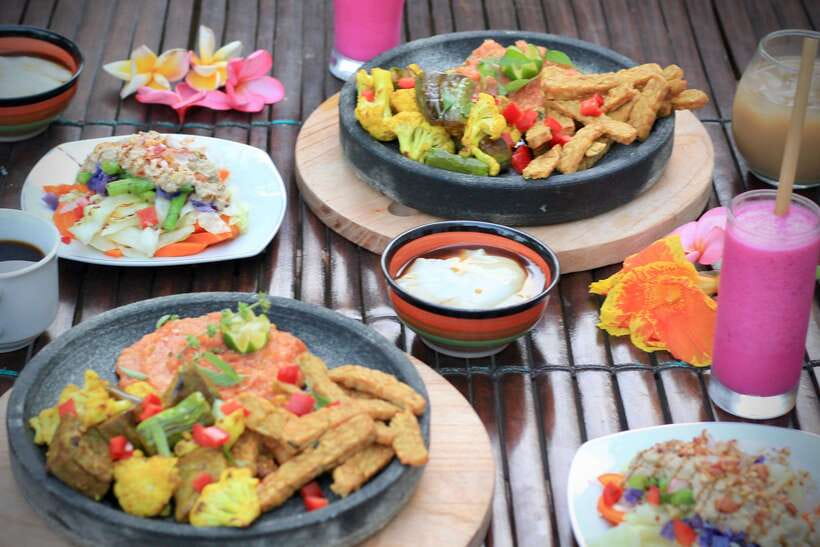
This class is ideal if you:
- Want an authentic Indonesian cooking experience without rushing.
- Like learning from patient instruction in English.
- Prefer small-group attention instead of a crowd.
- Are excited to make core ingredients like coconut milk and peanut sauce.
You might want a different activity if you:
- Don’t enjoy cooking steps and prefer only eating.
- Have no interest in Indonesian flavors.
- Want a long full-day program instead of a tight 2-hour session.
Quick Practical Tips Before You Go
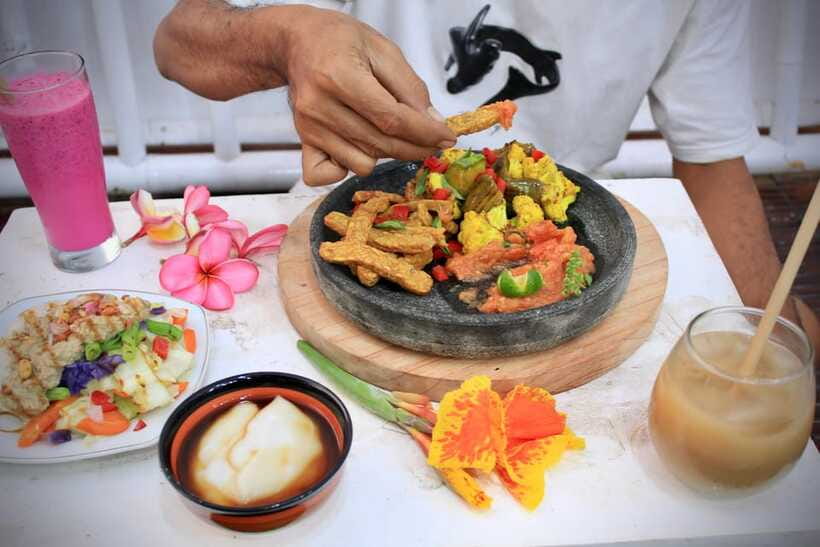
- Come hungry. Portions can be filling, and you’ll be eating what you cook.
- Wear clothes that can handle stains and smells. Coconut and spice don’t always come out quickly.
- Ask questions about spice levels. Even when a dish is traditional, your preference still matters.
- If mobility is a concern, note that the experience is wheelchair accessible.
Should You Book Kaktus Traditional Cooking Class in Gili Air?
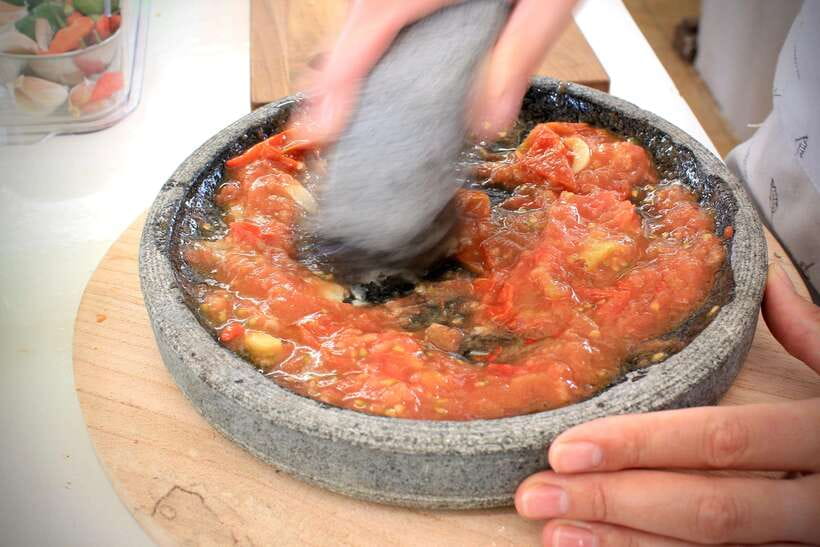
Yes—if you want a hands-on lesson with real techniques, this is one of the better “use your time wisely” options on Gili Air. The standout value is learning coconut milk from scratch and using the cobek for peanut sauce, then applying it to classics like nasi goreng and chicken rendang curry style.
Book it if you’re the type who likes to bring something home besides photos—like a method you can repeat. If you’re worried about eating a lot, plan a quiet afternoon after. If you’re excited to cook and taste Indonesian food with guidance in English, this one fits perfectly.
FAQ
How long is the Kaktus traditional cooking class?
The class lasts about 2 hours.
How much does the cooking class cost?
It costs $27 per person.
What dishes will I learn to make?
You’ll focus on making coconut milk, preparing a peanut sauce using a traditional cobek, and cooking nasi goreng plus a chicken rendang curry style dish.
Is the class taught in English?
Yes, the instructor teaches in English.
Is this class a small group?
Yes. It’s designed as a small group and is limited to 2 participants.
Is the class wheelchair accessible?
Yes, it’s listed as wheelchair accessible.
What’s included in the class?
It includes ingredients, fresh water, toilets, and the food you cook.
Can I cancel if my plans change?
Yes. Free cancellation is offered up to 24 hours in advance for a full refund.
Will I get recipes to take home?
In at least one experience, a digital copy of the recipe and method was provided, so you may receive something similar.