REVIEW · GILI ISLANDS
Indonesian Food Cooking Class of Gili Air
Book on Viator →Operated by Gili Air Cooking Classes · Bookable on Viator
If your idea of a great island day involves food, this fits. You’ll cook Indonesian staples right by the harbor on Gili Air, then eat them for lunch or dinner. It’s a hands-on class with a small group and a menu that ranges from sweet klepon to savory peanut sauces and curry.
What I like most is the way the class balances doing the cooking with actually learning what you’re making. The instructor-chefs guide you step by step, and one standout example is Oka, who taught with clear English and shared background along the way.
My only real consideration: you need to pick the start time and menu size that match your day, because the class length changes depending on whether you do 3 dishes, 4 dishes, or 6 dishes.
In This Review
- Key Things to Know Before You Cook on Gili Air
- Why This Cooking Class Works on Gili Air
- Pick the Right Menu Size: 3, 4, or 6 Dishes
- Intro Course: 3 dishes (about 1h30)
- Four of a Kind: 4 dishes (about 2 hours)
- The Super Six: 6 dishes (about 2h30)
- Where the Class Starts: Harbor Location and Easy Timing
- How the Class Flows From Cooking to Eating
- What You’ll Cook: Kelopon, Tempeh, Noodles, Curry, and More
- Kelopon: Sweet, Coconut, and Comforting
- Fried tempeh with peanut sauce: The flavor anchor
- Fried noodles: Technique you can repeat at home
- Yellow chicken curry: Learning sauce structure
- Chicken taliwang: A bolder, more distinct dish
- Gado gado: Vegetable comfort with sauce logic
- Vegetarian and Vegan Options Without Making It a Compromise
- Drinks, Water, and the Meal Feel
- Price and Value: Is $33 Worth It?
- Who This Class Is Best For
- Should You Book Indonesian Food Cooking Class of Gili Air?
- FAQ
- How long is the cooking class on Gili Air?
- What time does the class start?
- What dishes are included?
- Is the class vegetarian or vegan friendly?
- Where is the meeting point?
- Is water included, and can I buy drinks?
- What is the cancellation policy?
Key Things to Know Before You Cook on Gili Air
- Right by the harbor on Gili Air makes it easy to find and plan around
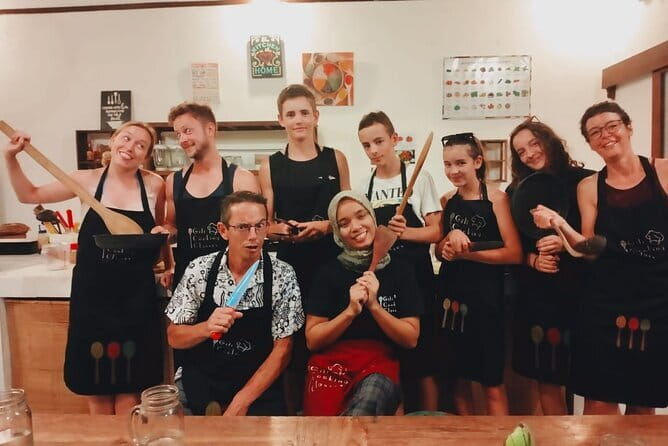
- Small groups (max 12) mean you get personal attention at the stove
- Choose your menu size: Intro 3 dishes, Four of a Kind 4 dishes, Super Six 6 dishes
- Clear step-by-step teaching from chefs like Oka helps even beginners feel confident
- Water included, with alcoholic drinks available to purchase if you want them
Why This Cooking Class Works on Gili Air
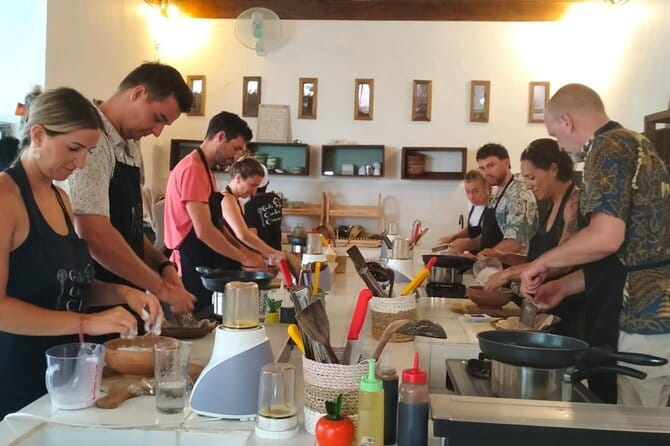
Cooking classes on islands can be hit-or-miss. Some feel staged, some feel rushed, and some leave you with a blurry memory of what you actually made. This one is built around a simple idea: you cook a set menu of Indonesian classics, then you sit down and eat what you produced.
On Gili Air, that matters. The harbor area is where your day tends to orbit anyway. Being located by the harbor makes the class feel practical, not like an extra detour. And since there are multiple start times, you can slot it in without sacrificing your beach time, sunset plans, or other island hopping.
The other big win is the menu itself. Indonesian food is hard to find outside Indonesia in the exact flavors and combinations you’re used to. Here, you get a focused set of dishes that hits several core tastes: sweet coconut desserts, fried tempeh with peanut sauce, savory noodles, and then deeper sauces like yellow chicken curry, plus vegetable-based comfort like gado gado.
You can also read our reviews of more tours and experiences in Gili Islands.
Pick the Right Menu Size: 3, 4, or 6 Dishes
This class is designed around three different course options. Each option changes your time on the mats and how many dishes you’ll cook and eat. That’s not just a detail. It changes the value for your money and how satisfying the experience feels.
Intro Course: 3 dishes (about 1h30)
If you’re short on time or you just want a taste of the whole setup, you’ll cook and eat:
- Kelopon
- Fried tempeh + peanut sauce
- Fried noodles
This is a great option when you want an efficient, friendly entry point. You’ll still get both sweet and savory, and you’ll leave with enough knowledge to recreate the flavor profile later.
Four of a Kind: 4 dishes (about 2 hours)
Add one more dish to the same foundation:
- Kelopon
- Fried tempeh + peanut sauce
- Fried noodles
- Yellow chicken curry
This option is for you if you want a fuller meal. You’ll go beyond frying and sauces into curry—useful if you like learning the way Indonesian home cooking builds flavor.
The Super Six: 6 dishes (about 2h30)
For maximum payoff, you’ll make the full spread:
- Kelopon
- Fried tempeh + peanut sauce
- Fried noodles
- Yellow chicken curry
- Chicken taliwang
- Gado gado
If you’re the kind of eater who likes variety in one sitting, this one makes the most sense. You’ll leave with a broader “menu” of skills, not just two or three repeat techniques.
Where the Class Starts: Harbor Location and Easy Timing
The meeting point is Gili Cooking Classes at the harbor area on Gili Air. That’s a big deal for two reasons.
First, you’re not spending your limited island energy searching for a hidden address. Second, being by the harbor makes the class easier to connect with your day flow. You can plan around the tides, boat schedules, and your own hunger signals without building in extra travel time.
Start times are offered to help you shape the class around your meals:
- 11:30am
- 4pm
- 7pm or 8pm depending on low season versus high season
Practically, this means you can treat the class like lunch or dinner. You’re not just tasting a bite or two. You’re making a menu designed to be eaten.
How the Class Flows From Cooking to Eating

Most classes teach in theory and then let you try the hard part at the end. This one is more grounded in a rhythm: you prepare and cook, then you eat your own food.
You’ll be working in a small-group setting, with a maximum of 12 people. That size is the difference between watching someone else cook and actually getting personal guidance while you stir, fry, and plate. With a group this size, you can ask questions without feeling like you’re interrupting the whole schedule.
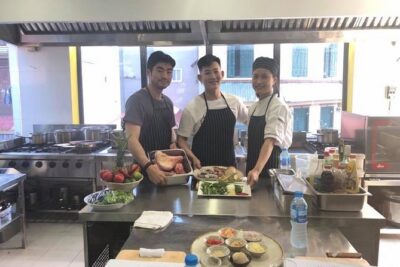
The chefs are described as charismatic and relaxed. What that means for you: you get a friendlier pace, plus the chance to ask about ingredients, techniques, and why the dishes taste the way they do. One review mentioned that Oka spoke great English, gave clear instructions, and walked the group through steps while also sharing background information. That combination is what makes the class stick in your memory.
And because you’re eating right after cooking, the flavors feel immediate. You taste what you did, right away, so your brain learns faster than it would from a recipe list later.
What You’ll Cook: Kelopon, Tempeh, Noodles, Curry, and More

Here’s the heart of the class: the specific dishes you’ll make. Even if you’re not a serious cook at home, this set of dishes is a smart “starter menu” because it covers multiple methods and sauces.
Kelopon: Sweet, Coconut, and Comforting
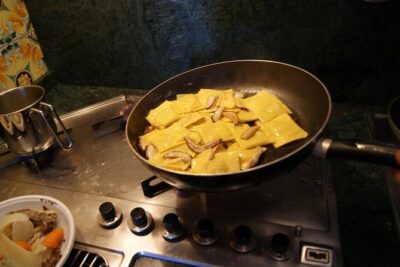
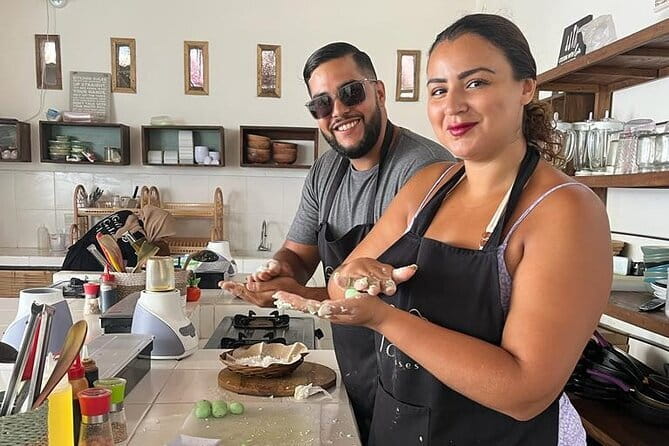
Kelopon is the sweet highlight. You’ll learn how to handle it as part dessert-making and part texture practice. It’s described as the coconut-dusted kind of sweetness that hits with punchy flavor and satisfying bite.
Even if you’ve had kelopon before, cooking it yourself helps you understand the balance—sweetness, coconut, and how the filling or shape matters.
Fried tempeh with peanut sauce: The flavor anchor
Tempeh is a great ingredient for learning because it’s distinct in texture and takes sauce well. Here you’ll fry tempeh and pair it with peanut sauce.
This is one of those dishes that can sound simple until you start cooking it. Getting the sauce right is where the real Indonesian magic lives, because peanut sauce isn’t just salty; it’s layered and creamy with depth.
Fried noodles: Technique you can repeat at home
Fried noodles appear in every menu option. That’s a good sign. It means you’ll practice a technique you can bring home easily: frying noodles, keeping them flavorful, and learning how the seasoning behaves when heat hits.
If you like cooking at home, this is the dish that gives you the most repeat value after the class ends.
Yellow chicken curry: Learning sauce structure
Yellow chicken curry brings a different skill set from frying. Curry is about building flavor into a sauce and understanding how ingredients work together when simmered.
If you choose the Four of a Kind or Super Six menu, you’ll add this dish and get a more complete Indonesian-food meal under your belt.
Chicken taliwang: A bolder, more distinct dish
Chicken taliwang is only in the Super Six option. It adds a more strongly flavored, “this is distinctly Indonesian” element to the menu. This is the dish for you if you want variety and you enjoy foods with stronger character rather than just mild comfort.
Gado gado: Vegetable comfort with sauce logic
Gado gado is a classic vegetable-based dish, and it’s included in the Super Six menu. It’s a useful learning dish because it shows how Indonesian flavors can work with vegetables too—not only with meat and frying.
After making it, you’ll have a framework for putting together plates that feel Indonesian even when you’re using ingredients you can find at home.
Vegetarian and Vegan Options Without Making It a Compromise

If you eat vegetarian or vegan, you won’t be stuck with a sad substitute plate. The class offers accommodations by swapping the chicken with tofu/tempe. It also notes vegan oyster sauce availability, which is helpful because oyster sauce is a common ingredient for richness, and vegan options matter if you’re trying to match the flavor profile.
The big advantage for you is that the class doesn’t treat dietary needs as an afterthought. You get a menu that still follows the intended dish structure, using substitutions that keep the cooking goal intact.
If you’re traveling with someone who eats differently than you, this flexibility also makes planning easier. It’s easier to pick one class for the group instead of searching for separate options.
Drinks, Water, and the Meal Feel

Water is included. Alcoholic drinks are available to purchase. This setup is practical: you can stay hydrated without fuss, and if you want a drink with your dinner-cooking day, you can choose it.
Also, because you cook and eat multiple dishes, the meal feels complete. This isn’t a quick snack lesson. It’s structured like an actual Indonesian dinner experience, depending on which menu option you select.
Price and Value: Is $33 Worth It?
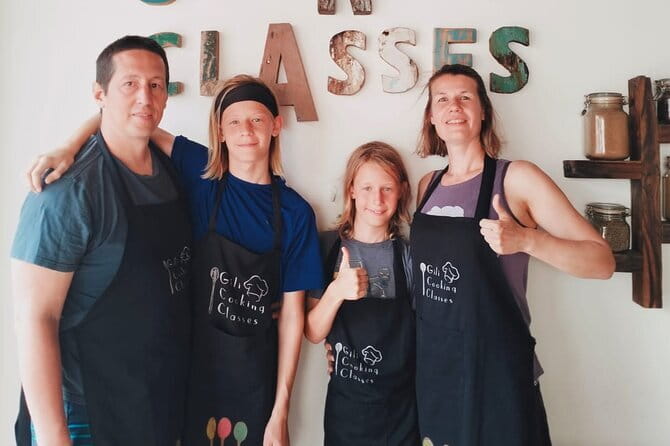
At $33 per person, the price looks straightforward, but the value comes from what you get.
You’re paying for:
- A small-group cooking setting (max 12)
- Chef-guided instruction
- Multiple dishes you cook yourself
- A meal that includes sweet and savory items
- Water included during the experience
Compared with paying for Indonesian food alone, the class gives you something restaurants rarely do: the technique and the ability to recreate the tastes later. Even if you only remember half of what you learned, the combination of step-by-step guidance plus eating immediately tends to make the experience more memorable than a standard meal.
If you choose the Super Six, you get the most “per dish” value of the options because the time and menu expand to six dishes. But even the 3-dish Intro course offers good value if you’re short on time and want a solid taste of Indonesian flavor.
Who This Class Is Best For
This is the kind of experience I recommend when you want more than sightseeing food. You should book it if:
- You like hands-on learning and want to cook Indonesian classics on your own hands
- You want a small-group activity that still feels social
- You’re traveling with a partner or small group and want a shared experience you’ll talk about later
- You have dietary needs and want a class that can adapt with tofu/tempe swaps and vegan oyster sauce
It’s also a strong choice for beginners. The dishes are approachable, and the structure is step by step, not sink or swim.
Should You Book Indonesian Food Cooking Class of Gili Air?
You should book it if you want a practical cultural experience with real food payoff. The harbor location helps you make it part of your day, the small group size means you’ll get attention, and the menu choices let you match your hunger and schedule.
Skip it only if you’re looking for a low-energy activity with minimal kitchen time. This class is about cooking, not just watching. If you’d rather spend that time on a beach chair, you might prefer a lighter food tasting.
But if you’re the type who wants to leave Gili Air with skills you can use at home, this class is an easy yes. You’ll come away knowing how Indonesian flavors fit together across sweet, fried, sauced, and curry dishes—plus you’ll have a meal you made with your own hands.
FAQ
How long is the cooking class on Gili Air?
Classes run for about 1h30 for the Intro Course (3 dishes), about 2 hours for Four of a Kind (4 dishes), and about 2h30 for the Super Six option (6 dishes).
What time does the class start?
Start times are offered at 11:30am, 4pm, and 7pm or 8pm depending on low season versus high season.
What dishes are included?
Kelopon appears in all options. Fried tempeh with peanut sauce and fried noodles are also included in all options. Yellow chicken curry is added for the 4-dish option, and chicken taliwang plus gado gado are added for the 6-dish Super Six option.
Is the class vegetarian or vegan friendly?
Yes. The class can replace chicken with tofu/tempe for vegetarian or vegan diets and uses vegan oyster sauce.
Where is the meeting point?
Meet at Gili Cooking Classes – Gili Air, located at the harbor area of Gili Air (Gili Indah, Gili Air, Nusa Tenggara Barat, 83352, Indonesia).
Is water included, and can I buy drinks?
Water is included. Alcoholic drinks are available to purchase.
What is the cancellation policy?
Free cancellation is available up to 24 hours before the experience start time for a full refund. Cancel less than 24 hours before, and the amount paid isn’t refunded.