REVIEW · SAN SEBASTIAN
Authentic Basque Cooking Class in San Sebastian Old Town
Book on Viator →Operated by Devour San Sebastian Food Tours · Bookable on Viator
Basque cooking in Old Town starts with your hands. I love the small-group setup (max 10) and the way you cook a full, classic menu alongside a pro chef and a local guide. You’ll get Basque cider and wine pairings, plus recipe copies and an apron to take home. One thing to consider: you’ll be standing for the whole experience in a pedestrian area, so wear comfortable shoes and plan for a little time on your feet.
If you’re the type who wants more than a tasting plate, this evening works. The format is built around five recognizable dishes—Gilda pintxos, tortilla española, cod pil pil, stuffed piquillo peppers, and burnt cheesecake—so you leave with a real Basque cooking framework, not just food trivia.
In This Review
- Key Things I’d Put on Your Shortlist
- Basque Cooking Class Vibe: Small Group, Real Kitchen Energy
- Finding Your Way in Parte Vieja at 6:00 pm
- The Five-Dish Menu: What You’ll Cook and Why It’s Basque
- Gilda Pintxos: Build-Your-Own Finger Food with Attitude
- Tortilla Española: The Potato Omelet You Can Do at Home
- Cod in Pil Pil: Learning a Sauce That Makes the Dish
- Stuffed Red Piquillo Peppers: A House Favorite
- Burnt Basque Cheesecake: The Sweet Finale
- How the Evening Feels: Hands-On, Turn-Taking, and Chef Humor
- Drinks in the Basque Style: Cider and Wine with Each Course
- Price and Value: What $167.74 Buys You (and What It Doesn’t)
- Who This Is For (and Who Should Skip It)
- Tips to Get the Most Out of Your Class
- Should You Book This Basque Class in San Sebastián?
- FAQ
- How long is the Basque cooking class?
- What time does it start in San Sebastián?
- Where do we meet for the class?
- Is the class in English?
- How big is the group?
- What dishes are included in the meal?
- Are drinks included?
- Can the class accommodate gluten-free or non-alcoholic needs?
- Is this class suitable for kids?
- Is pickup included?
- What’s the cancellation window?
Key Things I’d Put on Your Shortlist
- A max-10 class with a real chef team: Two hosts (a local guide plus a professional chef) keep the room friendly and moving.
- You cook a full Basque meal: Five dishes, structured as a proper evening meal, not a quick demo.
- Drink pairings are part of the program: Basque cider plus two glasses of wine are included with the courses.
- Stories behind the dishes, not just instructions: You’ll hear the cultural background as you prepare each plate.
- Leave with a system for cooking at home: You get recipes and an apron, so the class doesn’t end when you wipe your cutting board.
- It’s in English and built for adults: The pace is set for adults; it’s not suitable for children.
Basque Cooking Class Vibe: Small Group, Real Kitchen Energy
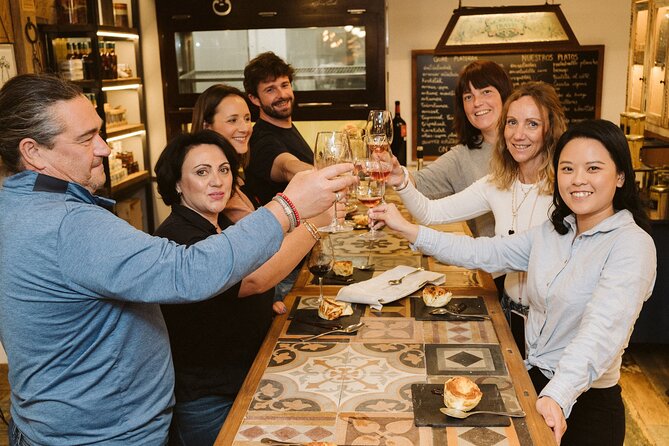
This is the kind of San Sebastián experience that feels like it’s happening for you and your small circle, not for a giant crowd. The class takes place at a historic, family-run restaurant where the kitchen opens just for your group. Because it’s limited to 10 people or fewer, you actually get time with the chef instead of waiting your turn in a line.
I also like that it’s not presented as show-and-tell. You get a hands-on rhythm—chopping, stirring, assembling, and plating—while the chefs guide the process. One frequent theme from past participants is that the chefs made it fun and practical, and that the cooking space was first-rate for learning.
There’s a bit of logistics you should know up front: the whole thing happens inside the Old Town, which is pedestrian-only. You’re also standing during the experience. That doesn’t mean it’s uncomfortable, but it does mean you should skip dress shoes and pick something you can stand in for a while.
You can also read our reviews of more tours and experiences in San Sebastian.
Finding Your Way in Parte Vieja at 6:00 pm
Meeting is straightforward: De Valle Lersundi Plazatxoa, 1, 20003 Donostia / San Sebastián. It starts at 6:00 pm, and it ends back at the meeting point.
Because it’s in the Old Town (Parte Vieja), plan on walking short distances on stone streets. The tour itself includes a walking component, with a moderate pace requirement. It’s also near public transportation, so you’re not stuck far from a bus or tram stop.
Most importantly, you should arrive ready to participate right away. The kitchen experience is inside a closed space where you can leave belongings. After that, you’ll be in standing mode for the full program.
The Five-Dish Menu: What You’ll Cook and Why It’s Basque
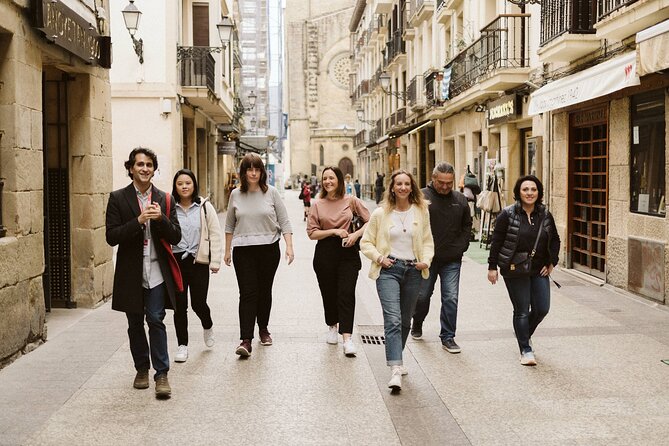
The class centers on five Basque staples that match what people actually crave in San Sebastián. Each dish is taught with the cultural background and technique, so you understand what you’re making instead of just memorizing steps.
Here’s the menu you’ll cook, in the order you’ll experience it as a full meal:
Gilda Pintxos: Build-Your-Own Finger Food with Attitude
You start with a build-your-own Gilda pintxos course. Pintxos are a Basque obsession, and Gilda is one of the best-known combos—simple parts assembled with care. This course is a good warm-up because you get hands-on work early, and it sets the tone for the rest of the meal: small components, big flavor.
If you’ve never done pintxos before, don’t worry. You’re not being asked to invent anything. You’ll assemble based on the guide’s lead, and you’ll learn what makes a pintxos-style bite work.
Tortilla Española: The Potato Omelet You Can Do at Home
Next up is Spanish potato omelet (tortilla). This is Basque-adjacent comfort food that shows up everywhere in Spain, but the Basque version has a particular reputation for technique and balance.
From the way the class is described, you’ll get a clear sense of how to handle the core ingredients and how the chef expects the dish to come together. This is the kind of dish that makes you feel confident after class, because it’s repeatable with ordinary kitchen tools.
Cod in Pil Pil: Learning a Sauce That Makes the Dish
Then you tackle cod in pil pil sauce. Pil pil is a Basque signature sauce concept, and cod is one of the fish choices that makes sense for a class in the region. The learning goal here isn’t just eating fish—it’s understanding why the sauce method matters.
In a few past experiences, people highlighted that the chef team taught technique clearly and kept the environment relaxed. That matters for pil pil, because sauces reward patience.
Stuffed Red Piquillo Peppers: A House Favorite
Your next course is stuffed red piquillo peppers. This is classic Basque “slow detail” cooking: peppers that are ready to shine, plus a filling where texture and balance matter.
This is also one of those dishes where learning the assembly approach helps you later. When you’re stuck at home with ingredients but no structure, recipes alone sometimes feel vague. This class’s method—teaching the story and the steps while you’re actually working—tends to translate better.
Burnt Basque Cheesecake: The Sweet Finale
You finish with the renowned burnt cheesecake. San Sebastián has a special relationship with this dessert, and the class doesn’t treat it like an afterthought. It’s given time as the final course so you can focus on the texture that makes it what it is.
One practical tip: if you’re the kind of baker who hates guessing, pay attention to the pacing during the cheesecake part. The chefs aim to teach you the cues they rely on, not just the written recipe.
How the Evening Feels: Hands-On, Turn-Taking, and Chef Humor
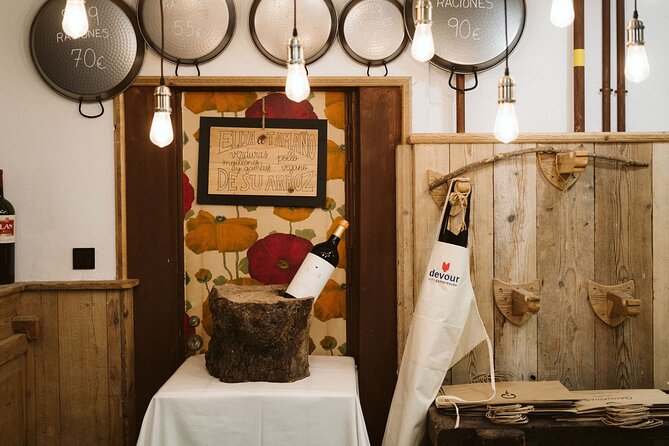
A lot of cooking classes either go full chaos or full lecture. This one aims for something in between.
You’ll be in a working kitchen with a pro chef, and you’ll likely take turns with tasks—chopping, stirring, plating, and assembling. Some people found it very hands-on and fun, while others felt they did some prep work but that the chef handled more of the actual cooking steps. So set your expectations as “participate and learn technique,” not as “every second is your stove.”
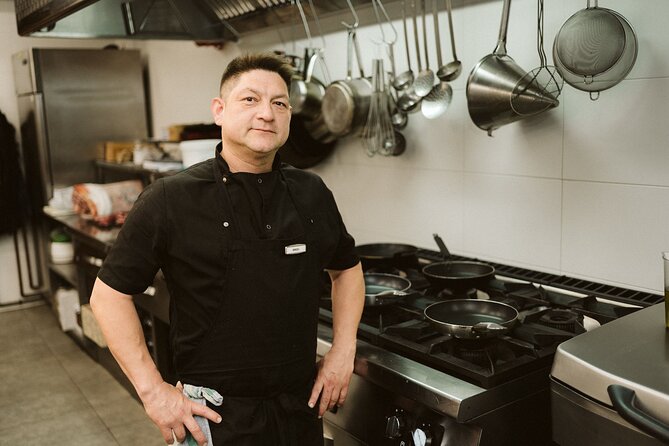
The chef and guide dynamic is part of the reason the class gets such strong marks. Names that have come up in prior sessions include Begona, Gorka, Mila, Mikel, Carlos, Saul, Natalia, and Angel. You might not meet the exact same team, but the pattern is consistent: friendly guidance, humor, and a clear explanation of what you’re doing and why.
And yes, you’ll eat what you make. This is a full meal format, not a sampler where you’re left hungry.
Drinks in the Basque Style: Cider and Wine with Each Course
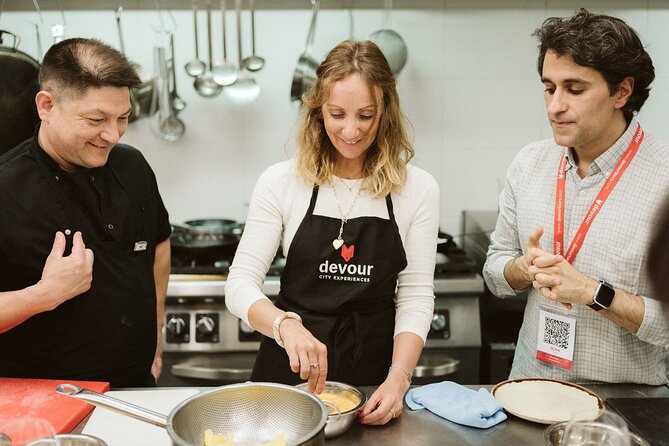
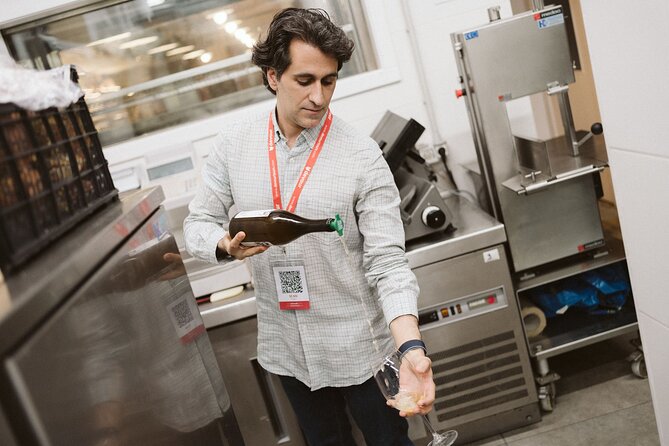
This class includes drink pairings: Basque cider and two glasses of wine. That pairing isn’t decorative—it’s part of the tasting plan.
Basque cider has a specific vibe compared to other ciders, and wine pairings help you notice how fat, acidity, and texture shift across the menu. If you prefer not to drink alcohol, the experience is adaptable with non-alcoholic options.
For adults, it’s a nice pacing tool too. It turns the cooking class into an actual evening out, instead of a short workshop that you rush through.
Price and Value: What $167.74 Buys You (and What It Doesn’t)
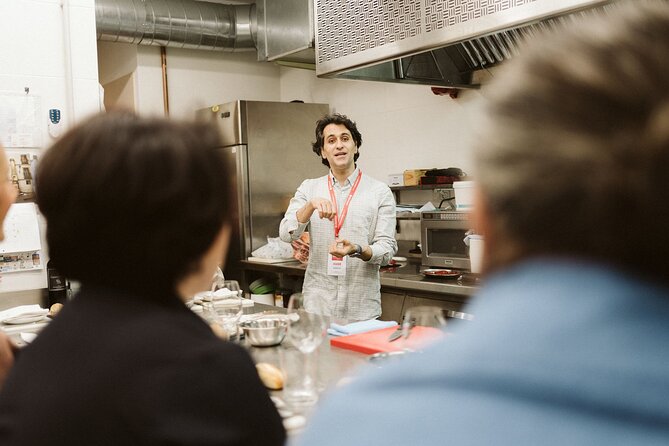
The price is $167.74 per person for about 2 hours 30 minutes. That’s not cheap. But it’s closer to a premium “small group, full meal, professional kitchen access” experience than a budget cooking class.
Here’s what you’re paying for, in practical terms:
- A private, professional-style kitchen setup for a small group (max 10)
- A chef-led menu with five dishes (including dessert)
- Included drink pairings (cider and wine)
- Recipe copies and an apron to take home
What you should keep in mind is that some parts may be chef-led while you do prep and plating. That doesn’t make the class worse, but it does change the value math. If your goal is to cook solo at the stove the entire time, you might want to choose a different type of class.
On the plus side, the experience has a strong track record—an overall rating of 4.7 with 93% recommending it. It’s also booked fairly far in advance on average (about 40 days), which usually signals it’s in demand with people who care about food.
Who This Is For (and Who Should Skip It)
This class fits you best if:
- You want classic Basque dishes with technique, not just eating
- You like small group settings where you can ask questions
- You’re comfortable standing during the activity
- You eat a meal that includes seafood and porky flavors in typical Spanish form
The class is offered in English, and it’s adaptable for pescatarians, gluten free (not celiac), non-alcoholic options, and pregnant women.
It’s not recommended for vegetarian, vegan, or kosher diets based on the program details.
It’s also not suitable for children, so plan on this being a true adult evening.
Tips to Get the Most Out of Your Class
A few simple moves help this run smoothly:
- Wear shoes you can stand in. You’ll be standing for the whole experience.
- Come on time for the 6:00 pm start so you’re in sync with the cooking rhythm.
- If you have dietary needs, double-check what the class can adapt to—especially gluten, since it’s not celiac-safe.
- If you’re sensitive to alcohol, choose the non-alcoholic pairing option ahead of time (it’s available).
One more practical note: you leave with recipe copies and an apron. If your printed or digital handout doesn’t work the way you expect, there’s a customer support path listed for recipe follow-ups. Keep your booking confirmation handy.
Should You Book This Basque Class in San Sebastián?
I’d book this if you want a proper Basque food evening: hands-on work, a real chef-led process, five dishes that actually add up to a meal, and drinks that match the food. The small group size (max 10) is the big reason the class feels personal and teachable.
I would hesitate if you’re the kind of cook who expects to do almost everything at the stove, or if standing for a couple hours is a dealbreaker for you. Also think twice if you don’t eat typical Basque menu items that include meat and seafood.
If you fit the sweet spot, this is a smart way to spend your time in San Sebastián—because you don’t just taste the region. You learn it, in a kitchen that’s open for your group.
FAQ
How long is the Basque cooking class?
It runs about 2 hours 30 minutes.
What time does it start in San Sebastián?
The start time is 6:00 pm.
Where do we meet for the class?
Meet at De Valle Lersundi Plazatxoa, 1, 20003 Donostia / San Sebastián, Gipuzkoa, Spain.
Is the class in English?
Yes, it’s offered in English.
How big is the group?
The class has a maximum of 10 travelers.
What dishes are included in the meal?
You’ll cook Gilda pintxos, Spanish potato omelet (tortilla), cod in pil pil sauce, stuffed red piquillo peppers, and burnt cheesecake.
Are drinks included?
Yes. The meal includes Basque cider and two glasses of wine.
Can the class accommodate gluten-free or non-alcoholic needs?
It’s adaptable for gluten free (not celiac) and for non-alcoholic options.
Is this class suitable for kids?
No. It is not suitable for children.
Is pickup included?
No hotel pickup/drop-off is included.
What’s the cancellation window?
You can cancel for a full refund up to 24 hours before the experience start time.