REVIEW · SAN SEBASTIAN
San Sebastián: Market Tour and Basque Cooking Class English
Book on GetYourGuide →Operated by Kookin Donosti SL · Bookable on GetYourGuide
A morning market teaches you to taste differently. In San Sebastián, this cooking class starts as the city wakes up and the market opens, then turns into real Basque cooking time. You’ll shop with the group, meet vendors, and learn why local ingredients are treated with respect and joy, not just bought and cooked.
What I like most is the market-first approach and the fact that you cook in a small group with a professional chef. The class is also clearly built around pairing food with the region’s drinks, so cod omelette with cider and cheesecake at the end feel like part of the same rhythm, not random add-ons.
One thing to consider: this is a walking-and-cooking experience. It’s 3.5 hours, centered on a market visit and time at the stove, and while it’s listed as wheelchair accessible, the notes also say it may not suit people with mobility impairments or wheelchair users. If that’s your situation, double-check with the provider before you book.
In This Review
- Key things to know before you go
- San Sebastián, when the market is awake and your food instincts reset
- The market walk: where ingredients become stories
- Cooking school reality: professional instruction and a friendly pace
- What you’ll cook: Basque classics, not watered-down versions
- Cod omelette with local cider
- Hake in green sauce with txakoli
- Grilled ribeye with piquillo peppers and Rioja
- Burnt Basque cheesecake
- The tasting rhythm: eat hot, sip with intention, don’t rush
- Price and value: what $164 buys you in practice
- Who this Basque cooking class suits best
- How to make the most of it (and avoid common problems)
- Should you book this San Sebastián market and Basque cooking class?
- FAQ
- What is the duration of the San Sebastián market and Basque cooking class?
- Is the cooking class taught in English?
- What’s included in the price?
- What dishes will I cook and eat?
- Is there a drink pairing included with the dishes?
- Do I need to notify the organizers about dietary restrictions?
- Is it suitable for wheelchair users or people with mobility impairments?
Key things to know before you go
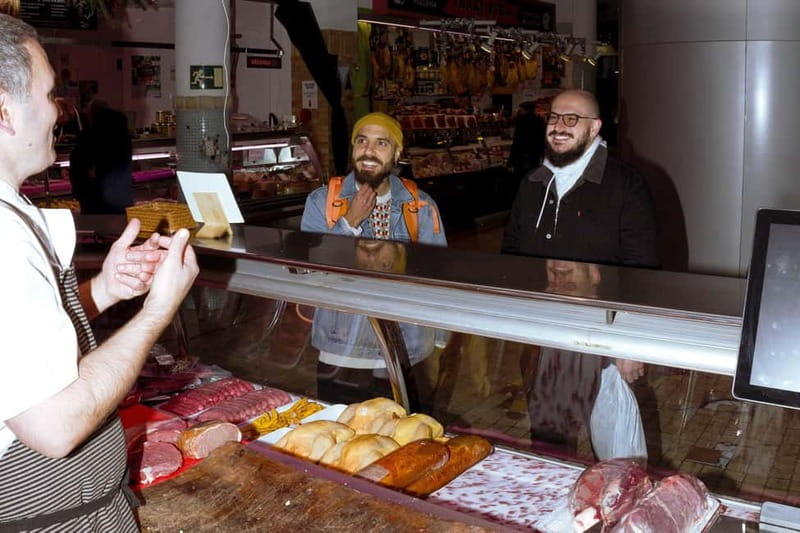
- San Sebastián early-morning market: you see the place when it’s lively and just opening up
- Chef Carlos + small group of up to 10: easy to ask questions while you cook
- Cook in pairs at a local school: you’ll share space, trade tips, and learn by doing
- Basque dishes with drink pairings: cider, txakoli, and Rioja are built into the tastings
- Burnt Basque cheesecake at the end: served hot, right as it’s finished
San Sebastián, when the market is awake and your food instincts reset
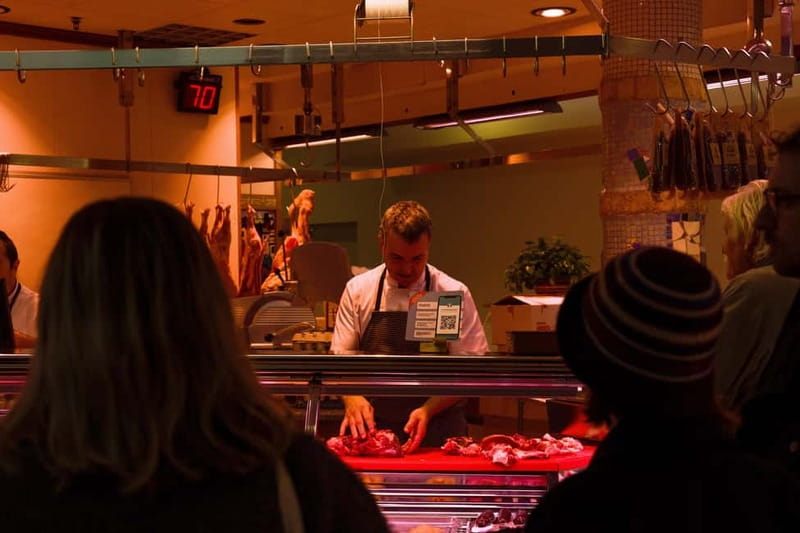
San Sebastián has a special feel in the morning. The seaside calm is still there, but the city energy shifts as shops open and vendors start moving. Starting a Basque cooking class at this hour matters because you get to see ingredients in their natural setting, not lined up in a supermarket tray.
The experience is designed to change how you look at food. You’re encouraged to engage with market vendors, listen to what they sell and why it matters, and then carry that attitude back into the kitchen. That is the heart of Basque cooking as presented here: ingredients first, technique second, and enjoyment the constant.
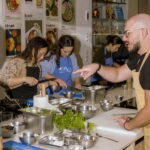
Also, you’re not just watching from the sidelines. You’re cooking in pairs, tasting as things come off the heat, and trading stories with the group while the food is still hot. That makes it more social than a standard class, but still structured enough that you won’t feel lost.
You can also read our reviews of more tours and experiences in San Sebastian.
The market walk: where ingredients become stories
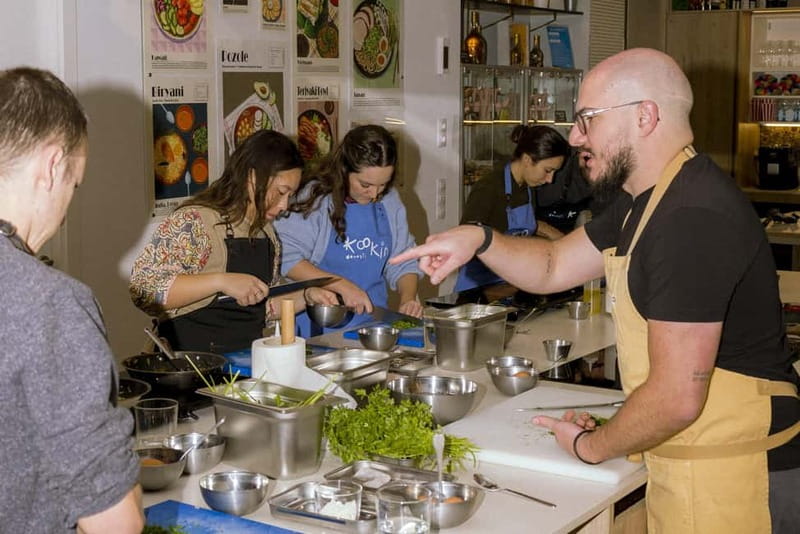
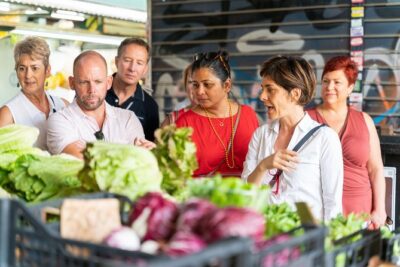
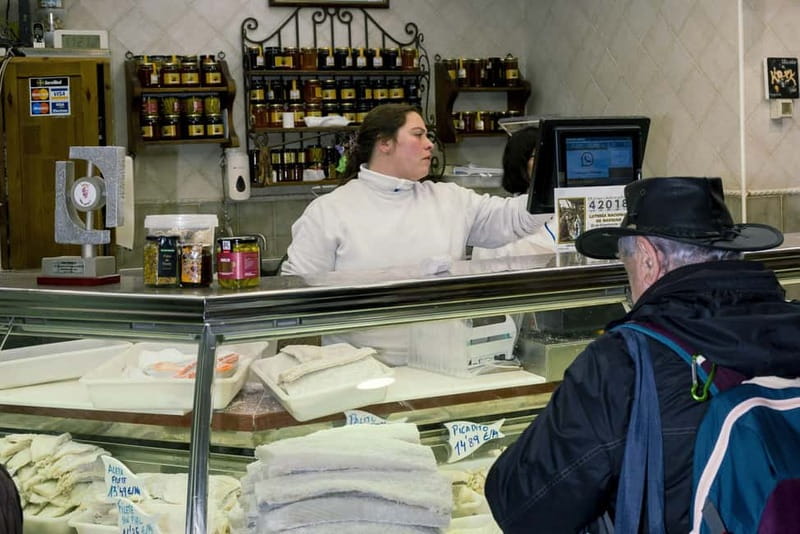
Your morning begins outside the tourist office, then you head to a local market where the whole idea is to treat ingredients like characters. The goal isn’t just to buy items. It’s to understand selection and usage through real conversations.
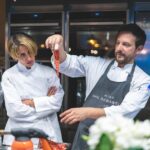
You’ll meet your chef and guide, and the vibe is personal. The chef and guide are described as someone who arrived in San Sebastián as a curious outsider and ended up falling in love with the culture and the food. That matters because you’ll feel less like you’re being given a script and more like you’re learning through the lens of someone who actually stuck around.
What you do at the market is practical, too. You learn how Basque cooks think about what they buy and how they plan around it. You also get to observe product choices, not just recipes. In a city like San Sebastián, that’s the difference between tasting Basque food on a plate and understanding why it tastes the way it does.
A small note: there’s no rushing here. If you like to ask questions, this part is set up for it. If you’re the type who wants a photo stop and then out, you might find the vendor conversations take longer than expected. The market visit is described as integral, so it’s worth leaning in rather than treating it like a quick detour.
Cooking school reality: professional instruction and a friendly pace
Once you return to the cooking school, the group dynamic changes fast. On the walk back, you take in a few city landmarks and get to know each other a bit more, so by the time you’re in the kitchen, you’re more than strangers.
The space is described as beautiful and state of the art, which helps you relax. You’re not in a cramped back room. You’re in a functional teaching kitchen where the cooking feels serious but comfortable.
Instruction is clear and supportive, and the reviews highlight chef Carlos specifically as passionate, knowledgeable, and easy to follow. In practice, that means you’ll know what to do and what to watch for as you cook, not just receive a list of steps.
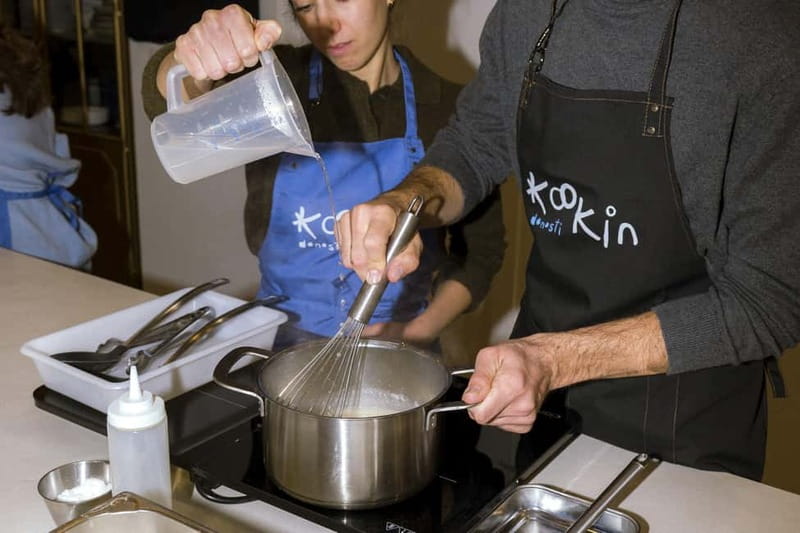
You cook as pairs, sharing space and working side-by-side. That’s a smart setup if you’re traveling solo or if you’d rather talk while you learn instead of sitting alone. You get hands-on time, but you also benefit from having someone beside you to compare notes with.
Also, remember the class is 3.5 hours. The time goes quickly because you’re moving from market to kitchen to tasting to more cooking, rather than waiting around.
What you’ll cook: Basque classics, not watered-down versions
The recipes are described as simple, but not simplistic. That’s a good way to frame it. You’ll likely find steps that make sense even if you’re not a confident cook, while still getting dishes that taste like Basque comfort and pride.
Here’s the menu flow as it’s presented:
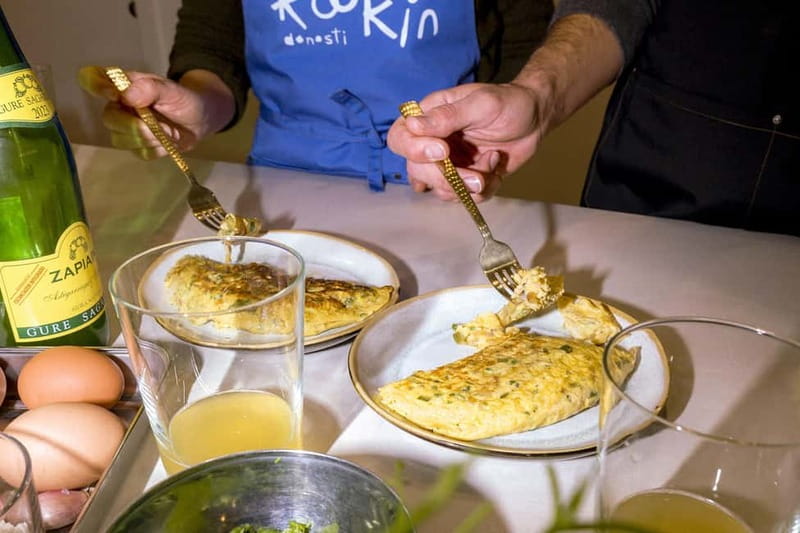
Cod omelette with local cider
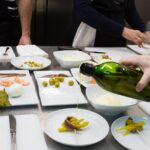
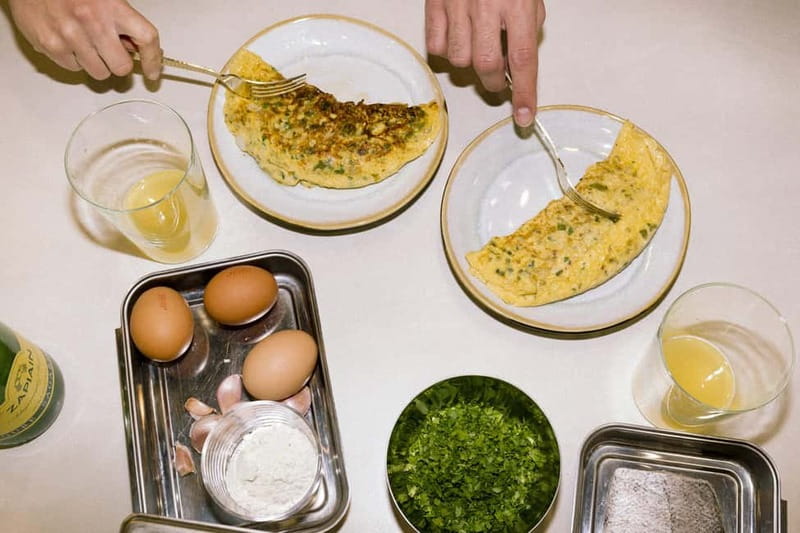
You’ll make a cod omelette, then taste it paired with local cider. This is a classic Basque-style pairing logic: salt-cured or lightly prepared seafood flavors meet something crisp and refreshing. Cooking it yourself also teaches you how delicate doneness can be, since you want the omelette to stay tender rather than dry out.
Hake in green sauce with txakoli
Next is hake in green sauce, an iconic Basque dish, enjoyed with txakoli. The pairing is important. Txakoli is meant to brighten and cut through richness, so the sauce tastes fresher and more balanced.
When you cook this component, you also learn how green sauces work in this region: they’re not just for color, they’re for flavor structure. You’ll likely notice the way the sauce clings and how it changes the whole bite.
Grilled ribeye with piquillo peppers and Rioja
Then you’ll grill ribeye with piquillo peppers, served with a good Rioja. This is the heartiest meal on the list and a nice contrast to the earlier seafood courses.
If you’re a meat lover, this is where you’ll really see Basque simplicity at work: fewer ingredients, stronger flavors. And if you’re not a meat person, the pepper-forward setup can still be interesting because it’s about balance, not heaviness.
Burnt Basque cheesecake
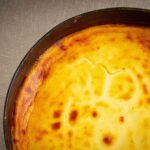
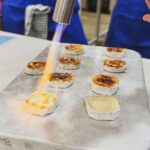
You finish with the famous burnt Basque cheesecake. It’s served hot, right as it’s finished. That detail matters more than you might think. If you let cheesecake sit too long, the texture changes. Here, you eat it while it’s still fresh from the oven, so you get that signature set with a warmer interior.
This final course also shifts the mood from cooking to tasting-and-talk. It becomes a chance to slow down, compare notes with your pair partner, and enjoy the class without racing to the next step.
The tasting rhythm: eat hot, sip with intention, don’t rush
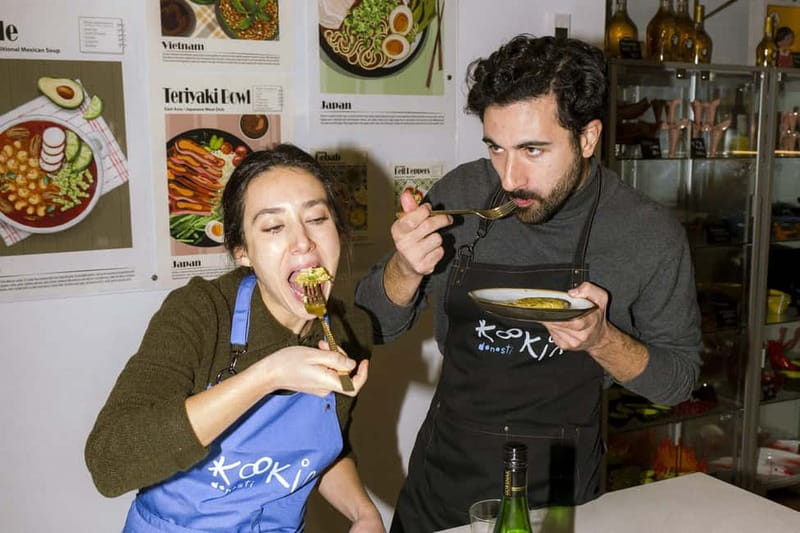
A lot of cooking classes throw food at you and call it a day. This one is paced differently. You taste each dish hot, right as it’s finished, paired with drinks that bring out the dish’s best.
Included drinks are part of the design: local cider, txakoli, and Rioja wine. That means you’re learning Basque flavor logic through real combinations, not just theory. Even if you don’t drink much, this is still useful information if you like to replicate tastes later when you’re eating independently.
The class also emphasizes the rhythm of Basque kitchen culture: cook, eat, and talk. Don’t treat it like a speedrun. Let conversations happen as the food is cooking, and you’ll get more out of it than if you keep rushing through each stage.
Price and value: what $164 buys you in practice
At $164 per person for about 3.5 hours, you’re paying for more than a recipe sheet. You’re paying for ingredient shopping and guided cooking, plus tastings and drink pairings that cover multiple courses.
Here’s what you’re effectively getting:
- market visit with interaction and ingredient selection time
- professional chef-led instruction
- all ingredients for the class
- tasting of all prepared dishes
- paired drinks for the menu
If you were to recreate this on your own, you’d spend money on ingredients, struggle to source the same items and quantities cleanly, and you’d miss the market education and the drink pairing logic. In that sense, the price feels more like paying for a complete food experience than just paying for a cooking lesson.
The value is also stronger because the group size is limited to 10. You’re less likely to feel like you’re in a classroom where one instructor can’t reach everyone.
Who this Basque cooking class suits best
This is a great fit if you:
- want an authentic Basque food experience beyond restaurants
- enjoy hands-on cooking with guidance
- like meeting locals in a market setting, even if you’re not an advanced cook
- travel in a way that mixes learning with good meals and drinks
It’s less ideal if you:
- want a purely sightseeing tour with minimal time at a stove
- dislike walking around markets early in the morning
- need lots of hands-free time or you have mobility needs that could make market walking and kitchen time difficult
Also, if you have dietary restrictions or allergies, the experience asks you to notify them in advance. That’s the responsible move for any food-focused class.
How to make the most of it (and avoid common problems)
Bring comfortable shoes. You’ll be walking during the market portion and moving around the city on the way back. Wear clothing suitable for cooking, and bring water because mornings and markets can add up quickly.
A camera helps, too. You’ll want photos of the market atmosphere and the food as it comes together. Just remember you’re there to learn, so don’t spend the whole time filming.
Finally, show up ready to talk. The experience isn’t only about technique. It’s about group energy, vendor stories, and sharing time around the stove. If you lean into that, you’ll get the most memorable part of the class.
Should you book this San Sebastián market and Basque cooking class?
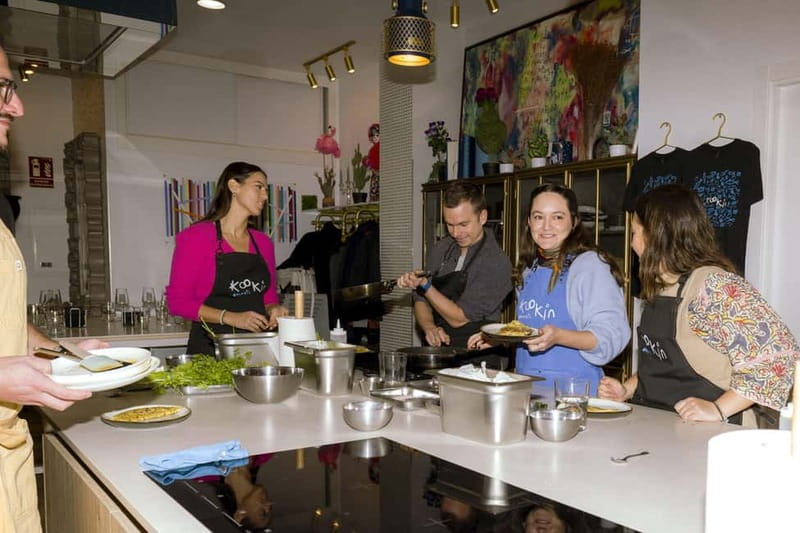
I’d book it if you want a morning that turns into multiple courses, taught clearly by a chef like Carlos, with the market setting giving your meals context. The combo of market education, hands-on cooking, and pairing drinks (cider, txakoli, Rioja) makes it feel like a complete Basque food outing rather than a single workshop.
Skip it if you mainly want to tick off landmarks and keep things low-effort. This is time on your feet and time in the kitchen, for better or for worse. And if mobility is a concern, pay extra attention: it’s listed as wheelchair accessible in one place, but it’s also noted as not suitable for wheelchair users and people with mobility impairments. Confirm directly with the provider before committing.
If you’re up for a food-centered start to your day in San Sebastián, this one is an easy yes.
FAQ
What is the duration of the San Sebastián market and Basque cooking class?
The class lasts about 3.5 hours.
Is the cooking class taught in English?
Yes, the instruction is in English.
What’s included in the price?
The experience includes a local market visit, a cooking class with a professional chef, all ingredients, tastings of the prepared dishes, and drinks paired with dishes (local cider, txakoli, Rioja wine).
What dishes will I cook and eat?
You’ll prepare cod omelette, hake in green sauce, grilled ribeye with piquillo peppers, and you’ll finish with burnt Basque cheesecake.
Is there a drink pairing included with the dishes?
Yes. The class includes drinks paired with the menu: local cider, txakoli, and Rioja.
Do I need to notify the organizers about dietary restrictions?
Yes. The experience notes that you should notify them in advance if you have dietary restrictions or allergies.
Is it suitable for wheelchair users or people with mobility impairments?
The info includes wheelchair accessible, but it also states it is not suitable for people with mobility impairments and wheelchair users. Because of that conflict, it’s smart to confirm your needs with the provider before booking.
If you want, tell me your travel month and your comfort level with morning walking and cooking, and I’ll help you decide if it fits your style.