REVIEW · SAN SEBASTIAN
Pintxos cooking class from the classics to modern pintxos
Book on Viator →Operated by KOOKIN DONOSTI · Bookable on Viator
The best part is you make the bites. In San Sebastián, where pintxos are basically a lifestyle, this Pintxos cooking class turns a food stop into a real skills session—classic favorites like the Gilda, plus modern takes, taught in a clean teaching kitchen with an easy-to-follow instructor. I especially like the small-group feel (up to 8) and how the class mixes serious technique with a fun pintxo party mood. One thing to consider: with a 2.5-hour format, you’ll learn a lot, but you won’t cover every pincho idea in town.
Plan on a relaxed evening start. It runs about 2 hours 30 minutes starting at 6:00 pm at C. Corta, 3, 20001 San Sebastián, with mobile ticket access and a return to the meeting point.
In This Review
- Key Things I’d Circle Before Booking
- Entering the Teaching Kitchen at 6:00 pm in San Sebastián
- What You’ll Actually Make: Gilda Classics and Modern Pintxos
- How the Lesson Flows (Without Overpromising Extra Stops)
- The Real Win: Technique Plus a Pintxo Party Mood
- Cider and Txakoli: Why the Drinks Fit the Food
- Price and Value: Does $139.63 Make Sense?
- Getting the Most Out of Your Class (Practical Tips)
- Who This Is Best For (And Who Might Want Something Else)
- Should You Book KOOKIN DONOSTI’s Pintxos Class?
- FAQ
- FAQ
- What is the duration of the pintxos cooking class?
- What time does the class start?
- Where is the meeting point?
- How many people are in each class?
- What kinds of pintxos will I learn to make?
- Will I eat what I cook?
- Are Basque drinks part of the experience?
- How much does it cost?
- What is the cancellation policy?
Key Things I’d Circle Before Booking
- Small group (max 8): more hands-on help, less waiting around.
- From classics to modern pintxos: you learn both the famous and the updated versions.
- Gilda focus: you get to understand the structure behind a Basque classic.
- Hands-on cooking you eat: you produce pintxos and then enjoy them right away.
- Cider and txakolí included in the vibe: it’s part lesson, part celebration.
Entering the Teaching Kitchen at 6:00 pm in San Sebastián
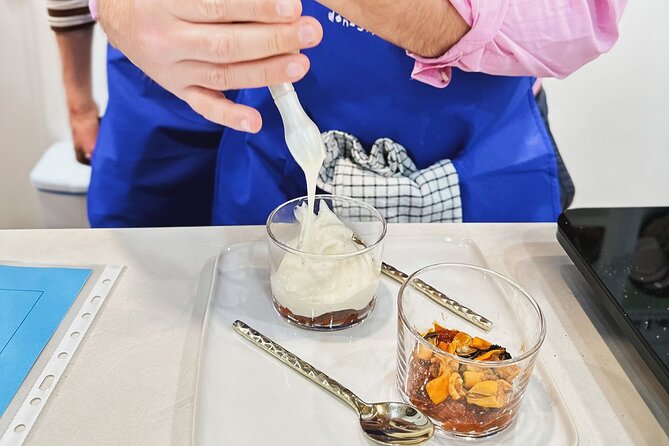
San Sebastián is a place where you can eat well without trying too hard. That said, this class is a smarter use of time than another quick bar stop, because you leave with actual technique—not just a full stomach.
The experience meets at C. Corta, 3, 20001 San Sebastián and starts at 6:00 pm. It’s near public transportation, which matters here because evenings can get busy and you’ll want an easy route in. You’ll also get a mobile ticket, which keeps things simple once you’re on the move.
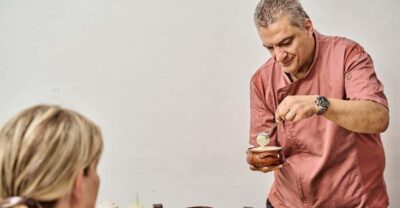
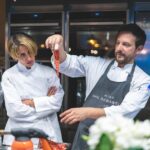
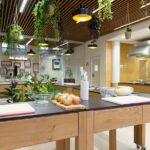
This isn’t a warehouse-style cooking show. It’s set up like a true teaching kitchen: you’re there to work, not just watch. One of the best signs in this kind of class is the cleanliness and order of the workspace, and this one does that part well.
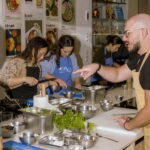
You should also know the group size cap: no more than 8 travelers. That’s big for comfort. You can ask questions, get closer feedback, and actually stay engaged during the hands-on parts.
You can also read our reviews of more tours and experiences in San Sebastian.
What You’ll Actually Make: Gilda Classics and Modern Pintxos
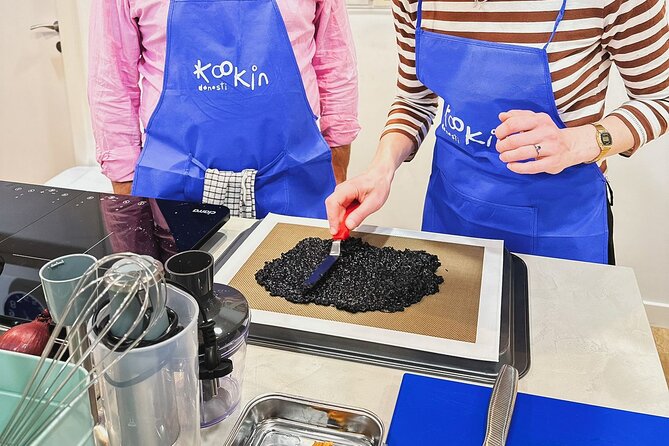
The class is built around a Basque idea: pintxos aren’t only food. They’re the way people gather, snack, talk, and taste their way through an evening.
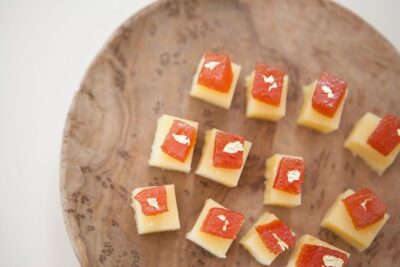
You’ll cover the range from iconic to modern. The headline classic is the Gilda, which is one of those pintxos that instantly signals you’re in Basque territory. Learning it isn’t just about copying a recipe—it’s about understanding the balance that makes it work.
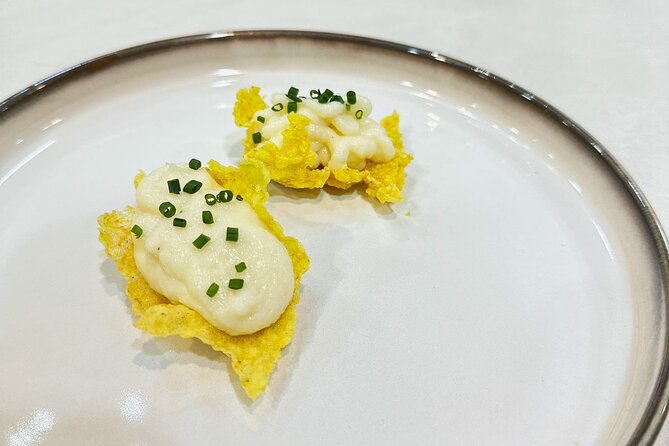
Then you’ll learn modern twists on traditional favorites. That part is especially useful if you’ve already tried pintxos on your trip and you’re thinking, Okay, what makes the updated versions different? The class helps you connect those dots by showing techniques and build logic, not just flavor descriptions.
The big takeaway for you: you’ll be able to recognize how the ingredients behave together—salty, acidic, savory, and how the bite is built to be grabbed, eaten, and remembered.
How the Lesson Flows (Without Overpromising Extra Stops)
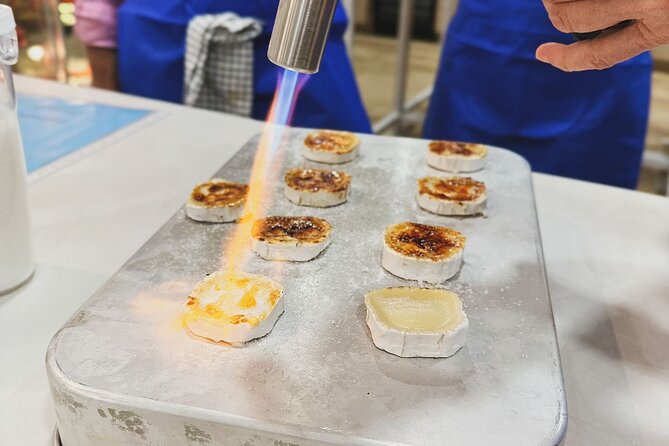
This is a 2.5-hour session, and the goal is straightforward: learn, cook, eat, repeat with confidence.
Here’s the rhythm you can expect based on how the experience is described:
- You’ll start in the kitchen with the chefs leading the way.
- You’ll work hands-on to create pintxos, guided toward Basque classics and newer variations.
- You’ll taste and enjoy the results you produce during the class.
What I like about this structure is that it’s not a long, slow demo. It’s fast enough to keep your attention, but not so rushed that you feel lost. With up to 8 people, you get real support while you’re cooking.
Also, because the class specifically focuses on teaching techniques in addition to recipes, it’s less about memorizing steps and more about building your own approach. That’s what makes it useful beyond this one evening.
The Real Win: Technique Plus a Pintxo Party Mood
Some cooking classes feel like school. Others feel like a meal with an instructor. This one blends the two in a way that works.
The party element is built into the experience:
- You pour your own Basque cider.
- You sip txakolí.
- You toast and keep the energy moving while you cook.
That matters because pintxos culture is social by nature. When your mood matches the food, you remember what you made and why it worked. And when you’re relaxed, you’re more likely to ask questions about the technique.
The class is also described as warm, fun, and beginner-friendly. That matches the “kitchen newbie” vibe you’d want on vacation. If you’ve never held a knife like this before, you’re not set up to fail. Instead, you get guidance that helps you finish and enjoy your own pintxos.
One more practical point: clean workspace and clear instruction. The experience has a strong reputation for being easy to understand, and that’s exactly what you want in a short cooking class. If you’re struggling to follow, you lose time and confidence fast.
Cider and Txakoli: Why the Drinks Fit the Food
Basque cider and txakolí aren’t random add-ons here. They fit the pintxo rhythm.
Cider brings a refreshing, slightly dry feel that pairs well with salty bites. Txakolí—often served with food in northern Spain—adds lift, which helps balance richer flavors. The effect is that the food doesn’t feel heavy, even when you’re eating multiple pintxos during a condensed session.
Because you’re actively pouring and sipping during the cooking, it also keeps the class from feeling like a strict lecture. You’re learning while you’re enjoying the atmosphere that makes pintxos matter in the first place.
Price and Value: Does $139.63 Make Sense?
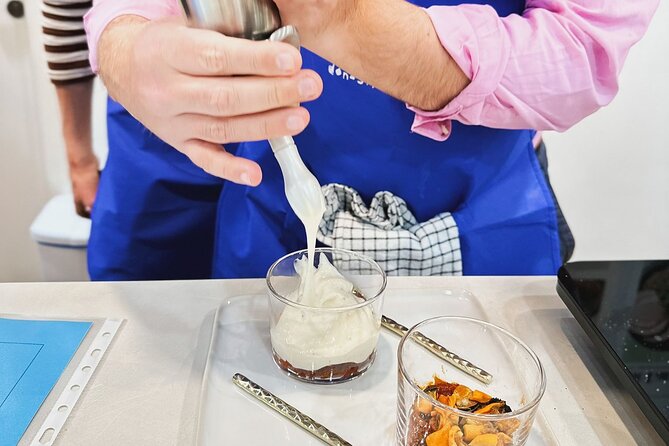
At $139.63 per person, you’re paying for more than ingredients and recipes. You’re buying:
- a guided, chef-led class,
- hands-on coaching in a teaching kitchen,
- the specific pintxo focus (Gilda + modern twists),
- and the social food-and-drink pacing that makes it feel like a Basque evening rather than a demo.
That price will feel high if you compare it to a bar crawl or a casual tasting. But compare it to what you’d get if you tried to learn these pintxos at home: you’d pay for instruction and you’d still be missing the structured technique and fast feedback.
Also, the small group matters for value. Up to 8 people means less generic attention and more individual help while you’re cooking. That’s one reason this feels like a “skills you keep” experience instead of a one-time ticket.
One consideration: it’s a 2-hour 30-minute experience, so you’re not looking at a full dinner. Think of it as an education + tasting experience, not a replacement for every meal in San Sebastián.
Getting the Most Out of Your Class (Practical Tips)
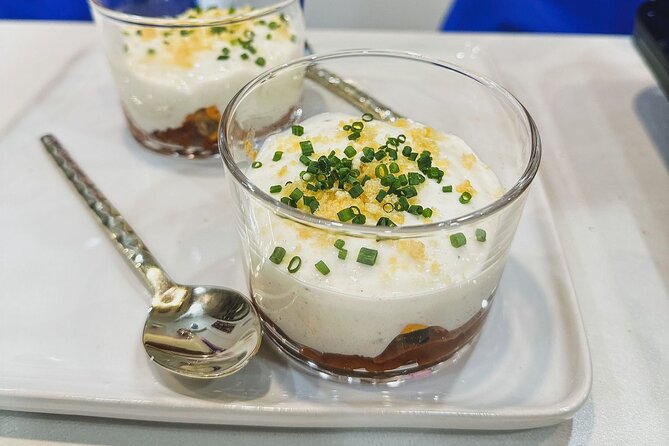
This kind of evening class works best when you come with the right expectations and a small plan.
Here are a few things I’d do:
- Arrive a bit early so you can settle in and avoid stress when you see the kitchen.
- Come hungry but not frantic. You’ll be eating what you make, so aim for a normal appetite.
- Ask questions as you cook. That’s when the instruction is most useful—right when you’re dealing with the hands-on part.
- Pay attention to the balance. With pintxos, the “why” behind flavor balance is what helps you later when you try to re-create the idea.
Since the class is at 6:00 pm, plan your earlier evening around it. You want your head clear enough to focus when the chefs start explaining technique.
Who This Is Best For (And Who Might Want Something Else)
This experience is a great fit for you if:
- you want hands-on cooking rather than watching,
- you like Basque food and want to understand it beyond eating,
- you’re traveling with limited time and want a concentrated class,
- you enjoy social food experiences with drinks and a group vibe.
It’s also ideal if you consider yourself a beginner. The experience is described as friendly for kitchen newbies, and the teaching format supports that.
You might want to think twice if:
- you’re hoping for a long, full meal course (this is a shorter session),
- you’re only interested in sampling tons of different pintxos around town (this is focused on making and learning specific styles),
- you dislike structured activities during vacations (this one is clearly hands-on and guided).
Should You Book KOOKIN DONOSTI’s Pintxos Class?
Yes, if you want to leave San Sebastián with more than food memories. This class is strong on the stuff that actually helps you: clean teaching setup, clear instruction, and a practical pintxo focus that goes from the well-known Gilda to modern twists.
I’d book it if you value a small group, a fun evening tone, and the chance to cook and eat what you make. The price is not “cheap,” but for a chef-led, hands-on class with guided tasting and Basque drinks in a tight time window, it feels like solid value.
FAQ
FAQ
What is the duration of the pintxos cooking class?
The class runs for about 2 hours 30 minutes.
What time does the class start?
The start time is 6:00 pm.
Where is the meeting point?
The meeting point is C. Corta, 3, 20001 San Sebastián, Guipúzcoa, Spain.
How many people are in each class?
This activity has a maximum of 8 travelers.
What kinds of pintxos will I learn to make?
You’ll learn pintxos from classics to modern versions, including the iconic Gilda and modern twists on traditional favorites.
Will I eat what I cook?
Yes. The experience is described as producing pintxos you will eat.
Are Basque drinks part of the experience?
Yes. You’ll pour Basque cider and sip txakolí during the class.
How much does it cost?
The price is $139.63 per person.
What is the cancellation policy?
You can cancel for a full refund if you do it at least 24 hours before the experience’s start time. Free cancellation is available up to 24 hours in advance.