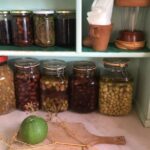
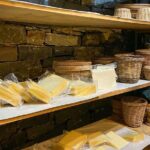
A farmhouse kitchen teaches you how Cretans eat. I like the family-taught approach—seriously practical—and I like the small group size that lets you ask questions. One thing to consider: this experience depends on good weather, so plans may shift.
You’ll spend about 4 hours in English learning, cooking, and tasting classic Cretan dishes—then sit down to a long, monastery-style table with local wine, bread, Greek music, and good stories. If you want a fun day that’s more hands-on than sightseeing, this hits the mark.
In This Review
- Key things to know before you go
- A farmhouse kitchen in Vamos: what you’re really buying
- Getting to the start point near Vamos (and why timing matters)
- Meet Cevi and the family-style teaching approach
- The 4-hour flow: cooking, tasting, and then eating like locals
- What you cook (based on the sample menu)
- Why this approach works
- The long monastery-style table: the meal is part of the lesson
- What you learn about olive oil, herbs, and ingredient usage
- Group size and the comfort factor: max 12 travelers
- Sample menu expectations: what flavors you’ll likely get
- Price and value at $140.77 per person
- Who this Crete cooking class suits best
- Practical tips to get the most out of it
- Should you book this Cretan cooking class?
- FAQ
- How long is the Cretan Cooking Class?
- What does it cost per person?
- Is the class offered in English?
- How big is the group?
- Where does the experience start?
- Does the activity include a meal?
- What kind of dishes might be included?
- Do I receive a ticket digitally?
- When will I get confirmation after booking?
- What if weather is bad?
Key things to know before you go
- Cretan recipes with real ingredients: olive oil, local vegetables, cheese, meat, wine, and fresh produce.
- Hands-on cooking, not just watching: you’ll cook, taste, and then eat your own results together.
- English instruction: the class runs in English.
- Maximum 12 people: small enough for questions and real back-and-forth.
- A family-meets-farmhouse vibe: the cook shares what she learned from growing up in a Cretan village.
- Learn the why behind the food: herbs, olive oil, and ingredient usage plus nutritional value.
A farmhouse kitchen in Vamos: what you’re really buying
This isn’t a cooking demo where you stand at the edge and hope someone explains things. You’re paying for a 4-hour, hands-on meal-making session built around Cretan food habits—how they choose ingredients, how they balance flavors, and how they use what’s growing locally.
The price is $140.77 per person, and the value comes from what’s included in the experience: guidance from a professional cook, fresh local ingredients, and a sit-down meal with local wine and bread after you cook. In other words, you’re not just buying recipes—you’re buying context and technique you can carry home.
You’re also in a real rural setting near Vamos. That matters because Cretan food is rooted in what people do every day: using olive oil as a base, cooking with seasonal produce, leaning on herbs, and building meals that feel abundant rather than fussy.
You can also read our reviews of more tours and experiences in Crete.
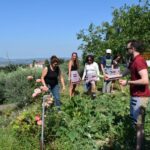
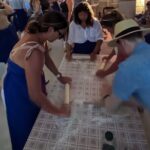
Getting to the start point near Vamos (and why timing matters)
The class meets at the Vamos Village Tourist Office, on the Unnamed Road, 730 08, Greece, and it ends back at the same meeting point. That simple start/finish matters because it keeps the day predictable. You’re not stuck figuring out how to get home after your meal.
Because the experience is about 4 hours long (approx.), I’d plan your schedule with a buffer—especially if you’re traveling around western Crete. Rural drives take longer than you think, and once you arrive, the session is designed as one continuous flow: cooking, tasting, then eating.
One more practical note: the experience requires good weather. If conditions are poor, the operator will offer a different date or a full refund. So if your Crete plan is tight and you can’t move days, it’s smart to check the forecast and keep flexibility.
Meet Cevi and the family-style teaching approach
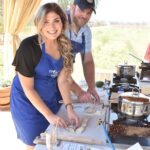
The cooking is led by a professional cook who grew up in a Cretan village and teaches with family knowledge and a lot of integrity. In the reviews, the cook’s name that stands out is Cevi, along with her mother and father—so you may feel like you’re stepping into a real family rhythm rather than a scripted show.
What I like about this teaching style is that it doesn’t treat cooking as magic. It treats it as know-how:
- what an herb does for flavor
- how olive oil changes the feel of a dish
- how to recognize quality in ingredients
- and how Cretans use what they have
That’s the kind of learning that sticks. Even if you only recreate one part later—like how to season a salad or how to handle an herb mix—you’ll get mileage from the class.
The 4-hour flow: cooking, tasting, and then eating like locals
The session is structured around participation. You’ll cook, taste, and enjoy local recipes with help from the professional cook. Expect the work to feel like a shared project: a clear handoff between steps, enough direction to keep you moving, and enough flexibility that you can actually contribute.
What you cook (based on the sample menu)
The menu varies, but the sample includes dishes like:
- Sarikopitakia (cheese pie)
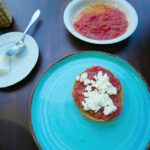
- Dakos
- Cretan salad
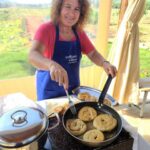
- Loukoumades (honey-soaked dough balls)
Even when you can’t plan every exact dish ahead of time, this menu gives you a good idea of the flavor arc: savory pies and bread-based starters, fresh vegetable-forward sides, then a sweet finish.


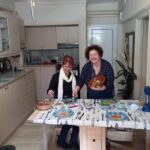
Why this approach works
Cooking classes can fall into two buckets: either too technical, or too vague. This one leans practical. You aren’t just learning how to assemble a dish—you’re learning how Cretan ingredients behave. That means you’ll likely leave with a better sense of:
- when olive oil is meant to be bold vs. gentle
- how herbs add “lift” instead of just aroma
- how cheese and dough textures show up in a dish like sarikopitakia
- why bread-based options like dakos are part of everyday eating
If you’re the type who wants to understand what you’re doing, this class gives you the mental map, not just the recipe.
The long monastery-style table: the meal is part of the lesson
After cooking, the group eats together on a long monastery-style table. This detail matters because it changes the tone. Instead of rushing out after the hands-on part, you get to slow down and taste what you made in a social setting.
You’ll enjoy your meal with:
- local wine
- Greek music
- stories
It’s a simple setup, but it’s also where the class really becomes an experience rather than a task. You get to ask follow-up questions, hear how others liked the dishes, and connect the food to Cretan culture in a natural way.
And since the table is part of the format, you can expect the meal to feel like a finish line—not an afterthought. That’s the best use of your time.
What you learn about olive oil, herbs, and ingredient usage
This is one of the most praised parts of the experience in the feedback: learning about plants, fruit trees, goat, and especially cooking traditional Cretan dishes.
You’re not just making food—you’re learning what makes Cretan food taste like itself. The class includes useful information about herbs and olive oil, including:
- nutritional value
- usage in cooking
- and how these ingredients fit into Cretan meals
Even if you’ve cooked Greek food before, this kind of explanation helps you stop guessing. Olive oil can be used in different ways—raw in salads, stirred in sauces, or used to carry flavors during cooking. Herbs can be treated like a finishing touch or as part of the main flavor structure. When someone explains that logic in plain terms, it makes your future cooking easier.
Group size and the comfort factor: max 12 travelers
With a maximum of 12 travelers, the class stays friendly and manageable. In practice, that group size tends to mean two things:
- you get more attention from the cook
- you’re less likely to feel lost during the cooking steps
You don’t want to arrive and realize you’re stuck watching while others do all the work. Here, the format is built to keep you involved.
Also, smaller groups are better for the social part after cooking. The meal on the long table works best when people can actually talk, not just clink glasses across a crowd.
Sample menu expectations: what flavors you’ll likely get
Let’s talk reality. You might arrive hoping for sarikopitakia, dakos, or loukoumades, and you may or may not get all of them. But the sample menu helps you understand the core themes:
- Cheese-forward comfort: sarikopitakia gives you that classic savory, flaky feel with Cretan cheese at the center.
- Bread and topping logic: dakos fits the Cretan habit of building flavor with bread, tomatoes, and olive oil.
- Cretan salad simplicity: expect fresh vegetables and olive oil to do real work, not just sit there.
- A sweet finish: loukoumades are a fun end-of-meal treat that fits the group setting.
If you like food that’s straightforward, ingredient-driven, and not overly complicated, this menu style will feel familiar in the best way.
Price and value at $140.77 per person
$140.77 isn’t a “grab it on the way to lunch” cost. It’s a day experience. So the question is: do you get enough to justify it?
Here’s what you’re paying for, based on what’s included:
- professional instruction in English
- cooking with genuine Cretan products and fresh local ingredients
- tasting as you go
- a full meal you eat together, plus local wine and bread
- a small group format (max 12)
- educational content on herbs, olive oil, and ingredient usage
If you compare that to paying for a meal plus separate cooking lessons or a food tour that focuses only on eating, this model often makes sense. You’re essentially paying for a guided food day where learning and eating happen together.
The best value tip is simple: come hungry and curious. If you’re looking to “collect experiences” without tasting or participating, you might feel the cost more than someone who wants to cook.
Who this Crete cooking class suits best
This class is a strong match for:
- people who love Cretan cuisine or want a Greek cooking day that’s more authentic than tourist menus
- anyone who enjoys learning about food through ingredients and technique
- groups who want a fun activity with conversation built in
- travelers who appreciate small-group attention
It may feel less ideal if you:
- want a purely sightseeing-focused day
- hate rural travel time to get to a village farmhouse area
- can’t handle weather changes (since it needs good weather)
Practical tips to get the most out of it
You’ll enjoy the class more if you show up ready to participate. A few ideas that fit the format:
- Expect hands-on cooking, so wear comfortable clothes you don’t mind getting splashed or stained.
- Be ready to taste. This is part of learning, not a side activity.
- Ask about olive oil and herbs. Those explanations are highlighted as a big takeaway, and they’re the most reusable skill when you cook at home.
- Plan around the meal. Since you’ll cook and eat together, avoid stacking another big lunch right before.
Should you book this Cretan cooking class?
Yes—if your goal is a real food day with practical learning, family-style teaching, and a meal that feels like the point of the activity. The experience is built around hands-on cooking, a small group vibe, and the chance to learn about Cretan staples like olive oil and herbs. If you’re craving something warmer and more personal than a standard tour, this is exactly the kind of day that makes Crete stick in your memory.
Only skip it if weather inflexibility is a problem or if you strongly prefer sightseeing over cooking. Otherwise, this is a smart, tasty investment in understanding how Cretans actually eat.
FAQ
How long is the Cretan Cooking Class?
It lasts about 4 hours (approx.).
What does it cost per person?
The price is $140.77 per person.
Is the class offered in English?
Yes, it’s offered in English.
How big is the group?
There is a maximum of 12 travelers.
Where does the experience start?
It starts at the Vamos Village Tourist Office, Unnamed Road, Vamos 730 08, Greece.
Does the activity include a meal?
Yes. After cooking, you all eat together on a long monastery-style table, with local wine and bread.
What kind of dishes might be included?
A sample menu includes dishes such as Sarikopitakia (cheese pie), Dakos, Cretan salad, and Loukoumades.
Do I receive a ticket digitally?
Yes. It’s a mobile ticket.
When will I get confirmation after booking?
Confirmation is received within 48 hours of booking, subject to availability.
What if weather is bad?
The experience requires good weather. If it’s canceled due to poor weather, you’ll be offered a different date or a full refund.