REVIEW · CRETE
Chania Area: Cooking Class at a Farm in Stylos Village (organic)
Book on Viator →Operated by Veggera · Bookable on Viator
That perfect Crete day starts with food.
This experience in the Stylos village area mixes farm life with hands-on cooking, plus village characters, olive know-how, and time for views and photos. You’ll start with a stop at Diktamos Gorge, then move through an organic farm where you can see free range sheep and try goat milking and cheese making, with the olive and vineyard side of Cretan farming explained along the way.
I love two things most: the hands-on cooking led by Sofia, and the way you get real flavor from local ingredients used in the meal. I also like how the day slows down for homemade lemonade, a photo-friendly view, and lunch with Cretan staples like olive oil, fresh vegetables, local meat, homemade cheese, wine, and raki, plus stories and traditional music.
One thing to consider: this is an active farm day with animals and plenty happening, so if you want a totally relaxed, hands-off tour, this may feel a bit hands-on.
In This Review
- Key Highlights You’ll Actually Notice
- A Farm Day in Stylos: What You’re Really Signing Up For
- Meeting Veggera in Stilos and Getting Into the Flow
- Diktamos Gorge Stop: A Nature Break Before the Farm Work
- Free Range Sheep to Goat Milking: Learning by Doing
- The Threshing Floor, Olives, and the Vineyard Side of Crete
- Lemonade, Coffee, and View Time: Small Breaks That Matter
- Cooking With Sofia: How the Meal Comes Together
- Lunch With Wine and Raki: Eating Like You Belong at the Table
- Meeting the Family: Yia Yia Moments and Neighbor Energy
- Value for $145.99: Why This Costs What It Costs
- Who This Is For (and Who Might Skip It)
- Practical Tips for a Smooth Farm Experience
- Should You Book This Cretan Farm Cooking Class in Stylos?
- FAQ
- What is the duration of the cooking class at the organic farm in Stylos?
- How much does the Chania Area cooking class cost?
- Where does the experience start and end?
- How many people are in each group?
- Is the cooking class offered in English?
- What kinds of activities and food are included?
- What is the cancellation policy?
Key Highlights You’ll Actually Notice
- Sofia and Nikos lead the cooking and village/farm time, with a family-first feel.
- Goat milking and cheese making are real, not just a demo.
- Thick Cretan flavors: olive oil, fresh vegetables, local meat, and homemade cheese in the meal.
- A quick lemonade break plus view time for photos.
- Small groups (max 8) make it feel like you’re part of the day, not a crowd.
- The lunch includes wine and raki, and the storytelling comes with it.
A Farm Day in Stylos: What You’re Really Signing Up For
This is not one of those quick, photo-then-leave tours. It’s a long sit-down day built around Cretan food and everyday farm rhythms. You spend time on an organic farm, learn why olives and vineyards matter here, and then cook and eat what you made with the family and group.
The tone is friendly and practical. You’re not just watching. You’re doing. Expect to move through farm spaces, meet people, and help build a meal using ingredients that come from their own land and routines. The result is the kind of day where you end up remembering conversations, smells, and tastes, not just the order of stops.
And yes, the gorge stop matters, but it’s only one piece. The real point is the home-and-farm connection that turns a cooking class into a full Cretan day.
You can also read our reviews of more tours and experiences in Crete.
Meeting Veggera in Stilos and Getting Into the Flow
Your start is at VeggeraC4PC+4G in Stilos (730 03, Greece). The experience ends back at the same meeting point, which keeps logistics simple.
Timing-wise, plan on about 5 hours (the schedule is listed as approximate). In practice, the day can feel more like a long afternoon where you’re never rushed. If you like food experiences that move at human speed, this fits.
Also, language is English, so you won’t feel left out as the family talks through what they’re doing. If you’re traveling with a service animal, that’s allowed.
Diktamos Gorge Stop: A Nature Break Before the Farm Work
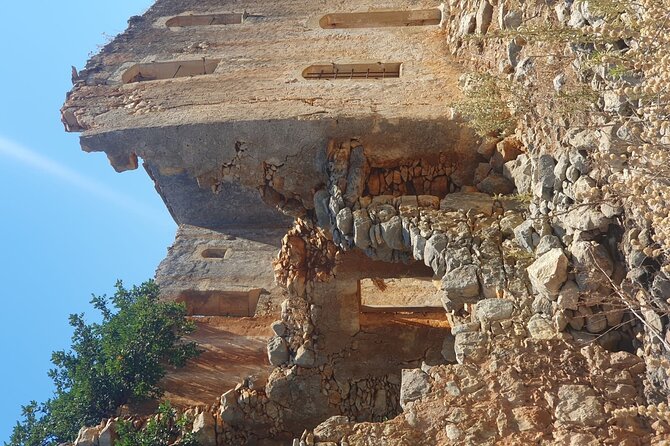
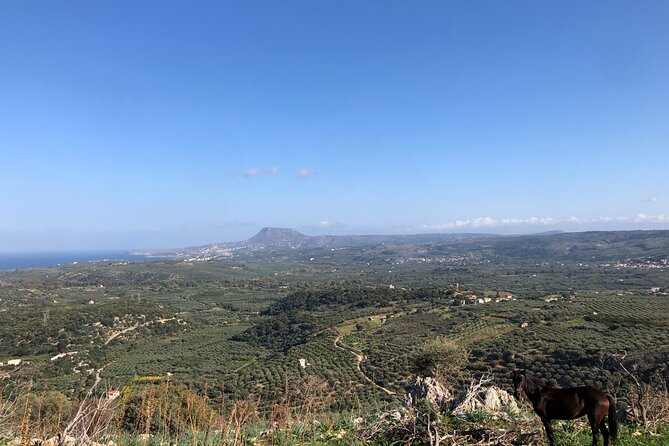
One early stop is Diktamos Gorge. Even if you’re not thinking of this as a hiking day, this is a solid palate reset after travel—fresh air, open scenery, and a change of pace before you get into hands-on food.
This stop is also a good reminder that Cretan cooking isn’t boxed up indoors. People eat well here because the land supports it—olive trees, vines, herbs, and livestock. Even if the gorge part is shorter than a full trek, it sets the context for what comes next.
Free Range Sheep to Goat Milking: Learning by Doing
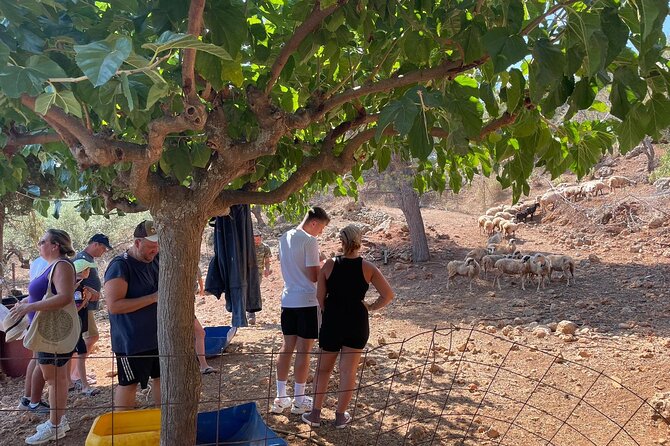
After the gorge stop, the day shifts onto the farm. You’ll walk through free range sheep, which immediately gives you the right setting: this is living farm life, not staged scenery.
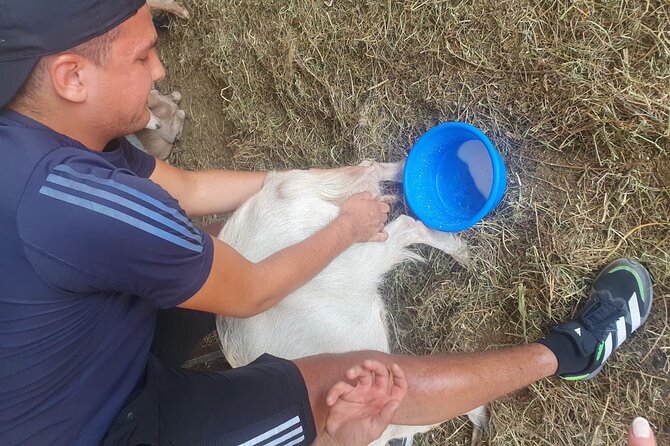
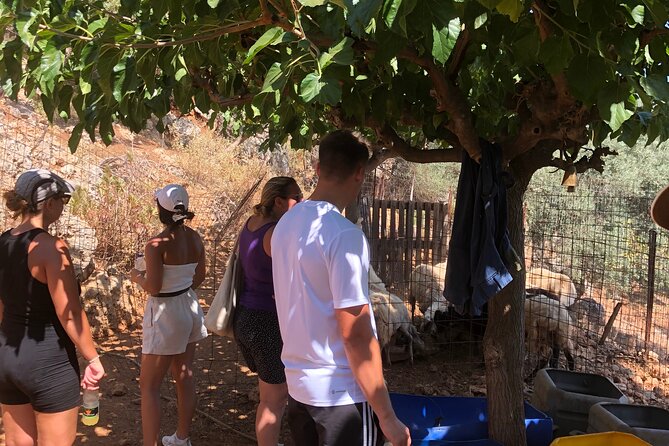
Then you can try goat milking and cheese making. The value here is not just the novelty. It’s the way it forces you to slow down and understand processes. When you handle something yourself, you start asking better questions: Why this method? Why this timing? How does the animal care affect the end product?
You’ll also hear about how their farm routines connect to what ends up on the table: vegetables, herbs, olives, dairy, and the drinks that go with a long family meal.
The Threshing Floor, Olives, and the Vineyard Side of Crete
Part of the farm walk includes time on a threshing floor, plus learning about olives and the vineyard. Those words can sound like museum stuff, but in practice it’s how people explain their relationship with land and seasons.
Olives are a big deal in Crete for obvious reasons, but you’ll get a feel for the practical side too: how olive oil is used, not just worshiped. One of the best tips to take away is mindset. You’ll see how olive oil shows up in everyday cooking and how it changes the feel of simple foods.
The vineyard angle matters as well because it links back to lunch. Wine and raki aren’t random “tour drinks.” They’re part of the local food culture, served with meals and conversation, not as a separate attraction.
Lemonade, Coffee, and View Time: Small Breaks That Matter
Before the cooking really gets cooking, the day often starts with a slow, welcoming rhythm—coffee and water—then you settle into the meal planning and prep.
There’s also a homemade lemonade break during the day. This is more than a refreshment. It gives you a breather from farm work and gives you a chance to look around while the group regroups.
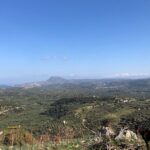
You’ll also get a photo-friendly moment with an incredible view. If you’re the type who likes to capture real places, not just landmarks, this is a good pause.
Cooking With Sofia: How the Meal Comes Together
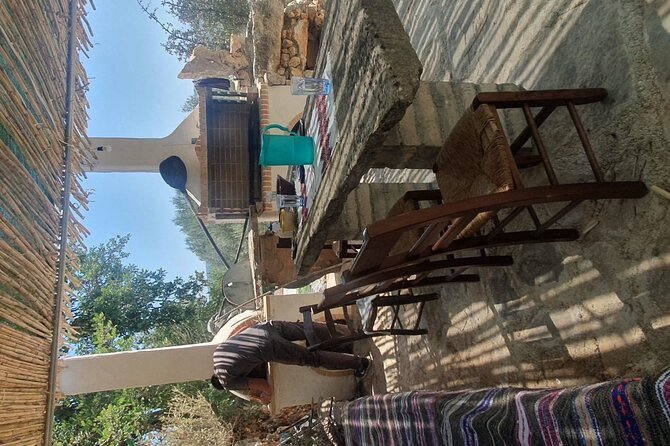
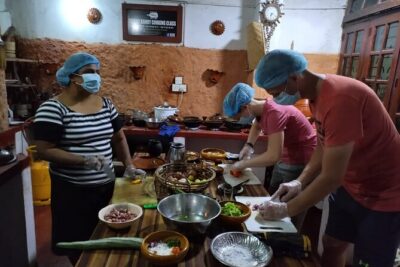
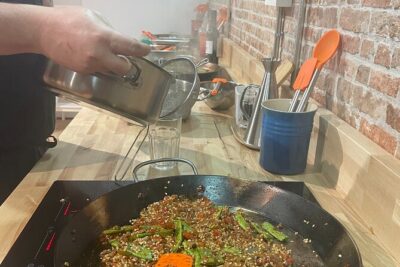
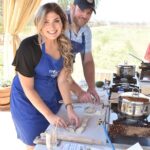
This is where Sofia shines. She leads the cooking portion and keeps things hands-on. You’re not standing at the back while someone else works. You join the prep, and you learn the flow of a Cretan meal like you’re helping cook at a relative’s house.
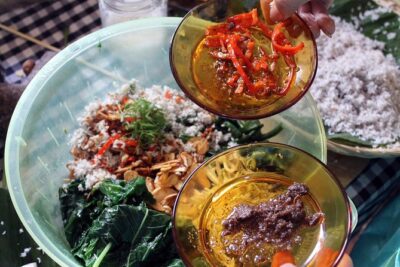
The ingredients matter, and you’ll notice how much is local. You’ll be working with extra virgin olive oil, fresh vegetables, local meat, and homemade cheese. Reviews and the day’s structure point to cheeses that may include myzithra-style cheese (the kind that turns a simple toast into something special).
One small detail I liked about this style of class: it teaches you what to taste for. Not just what to do. You learn to pay attention to salt, herbs, olive oil use, and how the meal’s parts connect.
And yes, you may find that even familiar dishes become new when you make them here.
Lunch With Wine and Raki: Eating Like You Belong at the Table
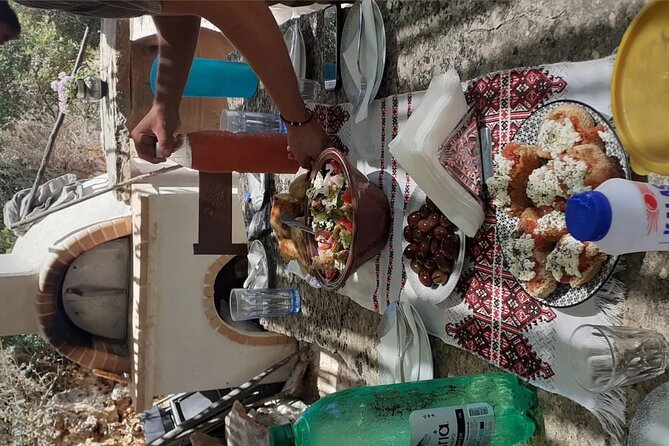
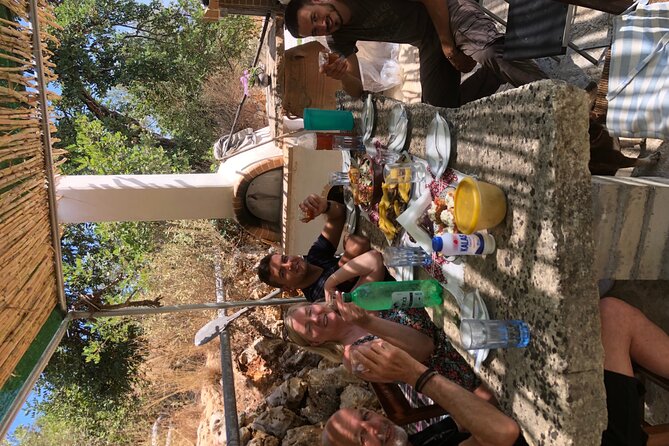
Lunch isn’t a quick box meal. It’s a full sit-down affair paired with wine and raki. The food is hearty Cretan fare: olive oil-forward dishes, fresh vegetables, local protein, and homemade cheese.
The day also includes stories and traditional music with lunch. That combo is what makes it feel like culture, not content. You’re eating while people talk about the everyday life around the farm and village.
One more point: the wine portion is described as generous in some cases, including homemade pours. If you’re sensitive to alcohol, this is worth keeping in mind. You can still enjoy the meal and the conversations, but know that the drinks are part of the social flow.
Meeting the Family: Yia Yia Moments and Neighbor Energy
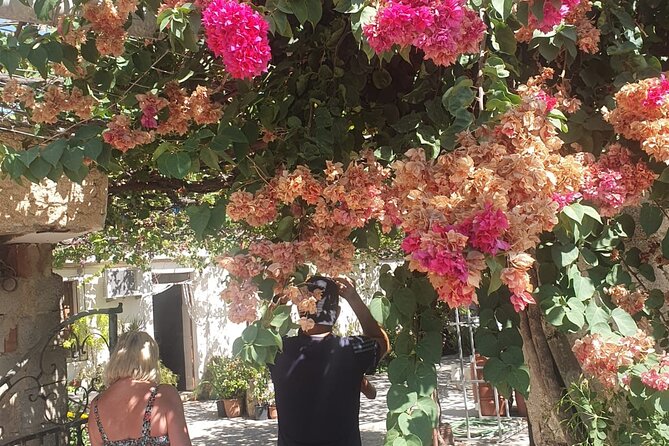
A cooking class becomes a standout day when it includes real human connection. Here, you spend time with the broader family and community atmosphere—people from the village, plus time with Yia yia (grandmother), and the kind of conversation that makes you forget you’re “on a tour.”
You might even see how the farm connects to daily village life beyond food—beekeeping, wine and raki making, and the work of maintaining an organic operation.
Some days include dancing and singing, and even when it doesn’t become a full performance, the tone is joyful. The best nights feel like you’re invited into the rhythm of the house rather than just shown around.
Value for $145.99: Why This Costs What It Costs
At $145.99 per person, this isn’t a bargain meal. But it also isn’t a basic cooking demo.
Here’s where the value comes from:
- Small group size (max 8). You get attention and time, which you don’t always get in bigger classes.
- Hands-on farm activities beyond cooking: sheep, goat milking, cheese making, and learning about olives and the vineyard.
- A full meal with drinks: olive oil, vegetables, local meat, homemade cheese, plus wine and raki.
- Cultural context with stories and traditional music, not just recipe talk.
- A setting that’s organic and rooted in real farm routines.
If your goal is a “taste of Crete” from a restaurant kitchen, you’ll find cheaper ways. But if your goal is a Cretan day with work, people, and food that actually came from the place, this price starts to make sense.
Also, it tends to be popular. It’s often booked about 49 days in advance, which is a clue that you’ll want to plan early if your dates are fixed.
Who This Is For (and Who Might Skip It)
This fits best if you want your travel days to include real participation. You’ll likely enjoy it if you’re the type who likes:
- cooking that involves prep and process, not just watching
- farm animals and food production basics
- long meals with conversation
- a small group where you can actually talk
It may be less ideal if you want minimal movement and zero farm interaction. This is hands-on by design. Also, because wine and raki are part of the lunch social flow, keep your comfort level in mind.
Practical Tips for a Smooth Farm Experience
I’ll keep this practical and simple:
- Wear shoes you’re happy to get farm-dusty. You’ll be walking around outside.
- Bring a light layer. Crete days can shift in temperature, especially when you’re moving from open scenery into shaded areas.
- If you have dietary needs, you should ask ahead of time. The class is built around local ingredients and a full lunch format.
- If you don’t drink, you can still enjoy the meal and music, but the day is designed around it, so plan your expectations.
Most of all, go with a mindset of doing. Ask questions. Taste as you cook. That’s when the class turns from instructions into a story you’ll remember later.
Should You Book This Cretan Farm Cooking Class in Stylos?
Yes, if you want a day that feels like part of village life, not just a scripted activity. The biggest draw is the combination of farm experiences (sheep, goat milking, cheese making, olives, vineyard lessons) with cooking led by Sofia and Nikos, followed by a hearty lunch featuring olive oil, homemade cheese, wine, and raki, plus stories and traditional music.
Skip it if you’re chasing only a quick cooking lesson, or if you’d rather avoid animal contact and the lively family meal culture that comes with the drinks and dancing.
If you’re deciding between “see Crete” and “spend a real day in Crete,” this pushes you toward the second option. And for many people, that’s the best kind of memory.
FAQ
What is the duration of the cooking class at the organic farm in Stylos?
The experience is listed as about 5 hours.
How much does the Chania Area cooking class cost?
It costs $145.99 per person.
Where does the experience start and end?
It starts at VeggeraC4PC+4G, Stilos 730 03, Greece, and ends back at the same meeting point.
How many people are in each group?
The experience has a maximum of 8 travelers.
Is the cooking class offered in English?
Yes, it is offered in English.
What kinds of activities and food are included?
You’ll spend time with the farm and local activities such as walking through free range sheep, goat milking, and cheese making, plus learning about olives and the vineyard and visiting the threshing floor. Lunch includes hearty Cretan ingredients like extra virgin olive oil, fresh vegetables, local meat, homemade cheese, along with wine and raki. There is also a homemade lemonade break.
What is the cancellation policy?
Free cancellation is available. You can cancel up to 24 hours in advance for a full refund. If you cancel less than 24 hours before the start time, you don’t receive a refund.