REVIEW · CRETE
Cooking class at the Shepherd’s Shelter in Rethymno
Book on Viator →Operated by Το Σπίτι του Βοσκού · Bookable on Viator
Cretan cooking starts on a mountain farm. At the Shepherds Shelter in Rethymno, it’s a farm-to-table class where you tour the farm, pick vegetables and herbs, and learn by doing. If you like your food stories tied to real places and real people, this one hits.
I especially like the sheep’s milk cheese lesson, then building a full Cretan meal from scratch with fresh organic vegetables. You finish with tastings that include local wine and raki. One thing to plan for: it’s about 5 hours and feels like a real farm day, so wear comfy shoes and expect to be outside and standing more than in a typical kitchen class.
In This Review
- Key Highlights You Shouldn’t Miss
- Why This Rethymno Cooking Class Feels More Like a Farm Day
- Meeting at the Shepherds Shelter and What to Expect From the Timing
- The Farm Walk: Herbs, Vegetables, and Animal Introductions
- Sheep’s Milk Cheese Making: The Class’s Main Event
- Cooking a Cretan Meal From Scratch (and Actually Eating It)
- Nutrition Talk Plus Wine and Raki Tasting
- Group Size of 12: Why the Day Feels Personal
- Price and Value: What You’re Paying for at $131.06
- Who This Cretan Farm Class Is Best For
- Should You Book the Shepherd’s Shelter Cooking Class?
- FAQ
- How long is the Shepherds Shelter cooking class?
- What time does the class start?
- Where do I meet, and does it end nearby?
- Is the class taught in English?
- How many people are in a group?
- What will I make and learn during the class?
- Is wine or raki included?
- What happens after booking if I book close to the start time?
- Can I cancel for a refund?
Key Highlights You Shouldn’t Miss
- Sheep’s milk cheese making on-site with the steps broken down so you can follow along
- A guided farm tour that includes animals and how the shepherd life connects to food
- Picking herbs and vegetables before you cook, using fresh organic produce
- Cretan meal cooking from scratch using local ingredients
- Wine and raki tasting paired with what you cooked
- Small group size (max 12) for a more personal, interactive feel
Why This Rethymno Cooking Class Feels More Like a Farm Day
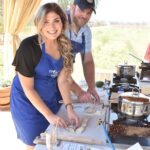
This isn’t a quick demo where you watch from a corner. The class is built around hands-on work on a farm in Crete’s Psiloreiths mount area, and you move through the day step by step, from produce gathering to cooking to tasting. It’s the kind of experience that makes Cretan food make sense, not just taste good.
What I like most is the rhythm. You learn how shepherding and local ingredients tie into what ends up on your plate. And you get more than one skill. Cheese making is a big deal here, but you’re also cooking a Cretan meal from scratch, so the day feels complete.
Also, the tone is practical. You’re not just hearing myths about Greek food. You’re getting real guidance on how Crete’s products work together and why they matter.
You can also read our reviews of more tours and experiences in Crete.

Meeting at the Shepherds Shelter and What to Expect From the Timing
You meet at The Shepherds Shelter, address listed as Unnamed Road, Milopotamos 740 51, Greece. The experience starts at 11:00 am and ends back at the same meeting point, so you’re not scrambling across town after lunch.
The class runs about 5 hours, and the day flows as one continuous experience. Because it starts late morning, it fits well if you’re already doing other Rethymno-area sights earlier in the day. If you like mornings full of structure, plan a relaxed start that gets you to the meeting point on time.
A couple small but helpful details: it’s offered in English, tickets are mobile, and the group size is capped at 12 travelers. I find that cap matters a lot for this kind of hands-on format, because you want enough space and attention while you’re cooking and learning.
The Farm Walk: Herbs, Vegetables, and Animal Introductions
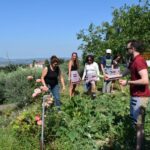
The day kicks off with your farm orientation at the Shepherds Shelter. You get a guided tour of the farm, and you also get to meet the animals. That part matters because it gives you context for the food—especially the sheep’s milk cheese.
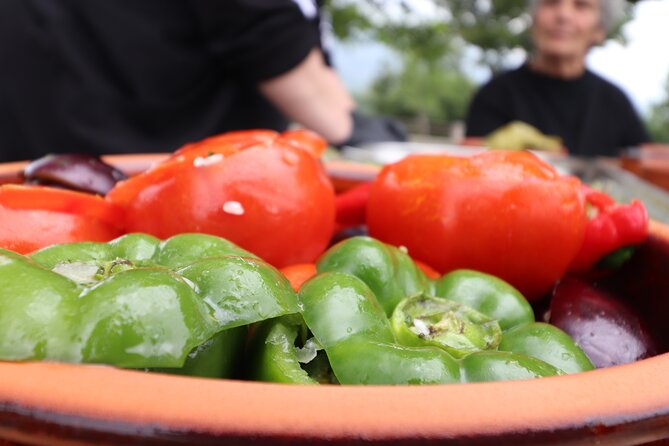
You’ll also be involved with the ingredients. Expect fresh produce like vegetables and herbs to be part of your work before cooking. This is where the farm-to-table idea becomes real. You’re not just using ingredients; you’re selecting them and seeing how they fit into the day’s menu.
One of the best signs here is the tone: it’s not a rushed stop with one photo and a goodbye. The class is structured so you understand what you’ll cook and why it’s sourced from local farms. That’s a big part of the value—better ingredients plus better context.
Sheep’s Milk Cheese Making: The Class’s Main Event
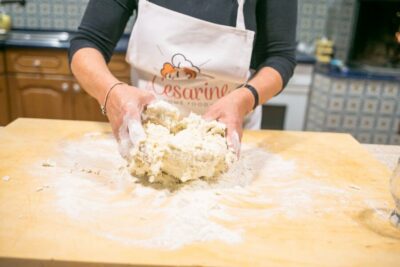
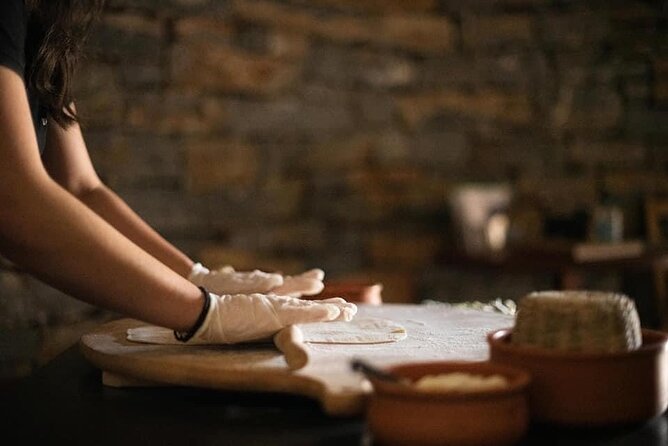
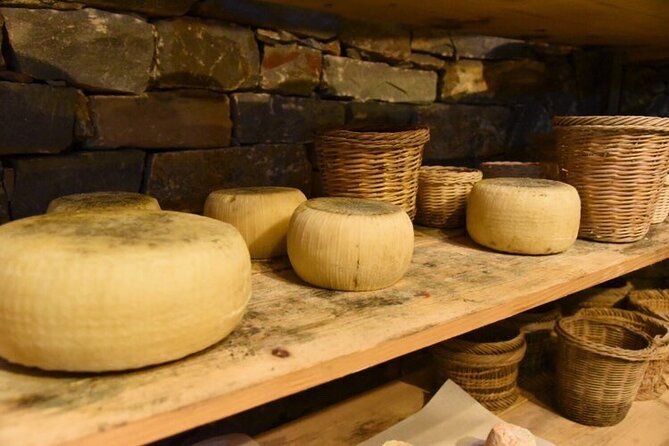
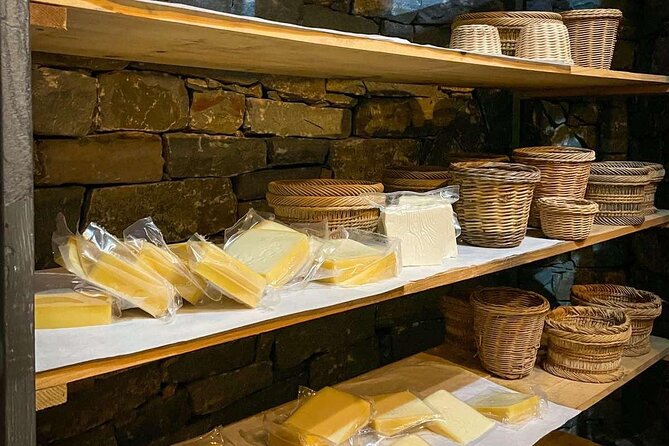
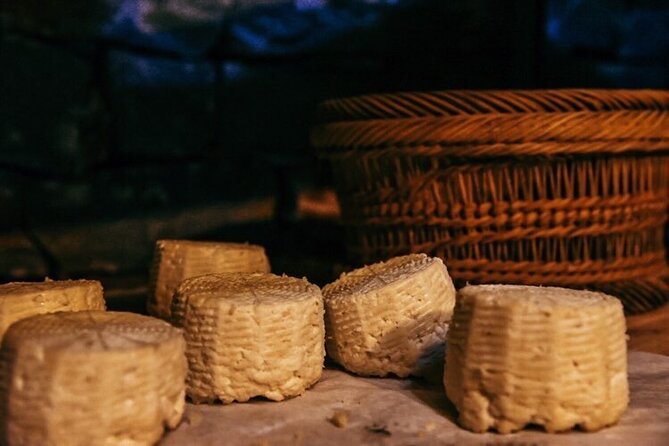
The centerpiece is cheese making using sheep’s milk. This is the part that turns a normal cooking class into something you’ll remember. Sheep’s milk is specific to the region and the shepherding lifestyle, and the lesson makes that connection clear.
You learn how to make the cheese as part of the experience, not as a distant, pre-prepared ingredient. Even if you’ve never made cheese before, the workshop format is designed to guide you through the process.
This is also the moment when you’ll probably get the most questions. How does the milk behave? What are you looking for during the steps? The class setting gives you a chance to ask and get feedback in the moment rather than just hearing a lecture.
And yes, cheese is only one part. But when the class includes both cheese making and a full Cretan meal, you end up leaving with a real sense of Cretan cooking as a system, not a single recipe.
Cooking a Cretan Meal From Scratch (and Actually Eating It)
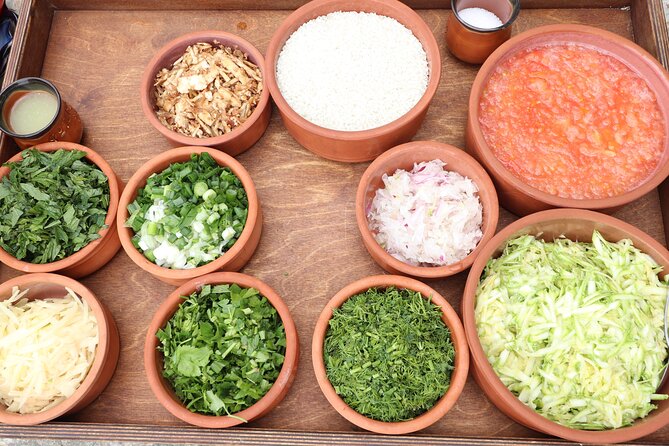
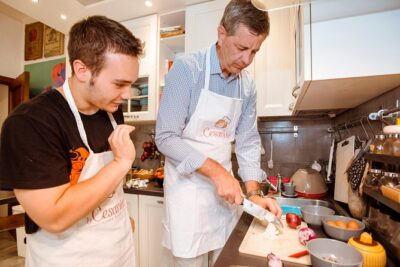
After the cheese lesson, you shift into the main cooking work. The class focuses on preparing a delicious Cretan meal from scratch, using fresh, organic vegetables supplied for the menu and sourced from local farms.
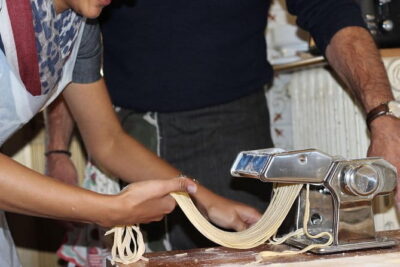
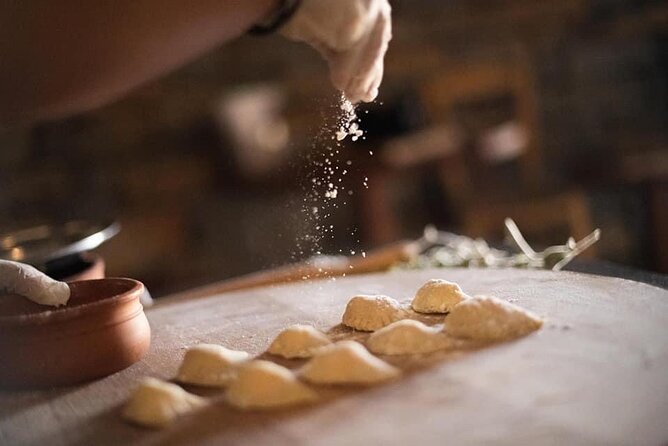
What’s valuable here is that you’re not just assembling. You’re cooking. You’ll work through the steps tied to traditional Cretan cuisine. The guides keep the experience moving so you can participate without feeling lost.
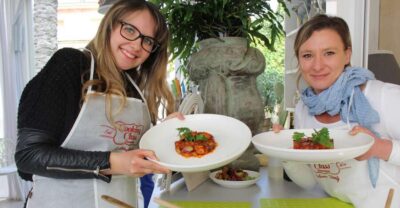
There’s a practical payoff too: the quantities are substantial. The meal isn’t a tiny tasting plate meant to tease you. When you leave hungry, it’s hard to take a cooking class seriously. Here, the food portion is enough that you’ll likely feel like you really ate dinner-level food in the middle of the day.
If you like hands-on cooking and you want to come away with skills you can repeat later, this is where you get it. Even if you don’t recreate the exact menu at home, you’ll learn how to think about timing, seasoning, and building a plate the Cretan way.


Nutrition Talk Plus Wine and Raki Tasting
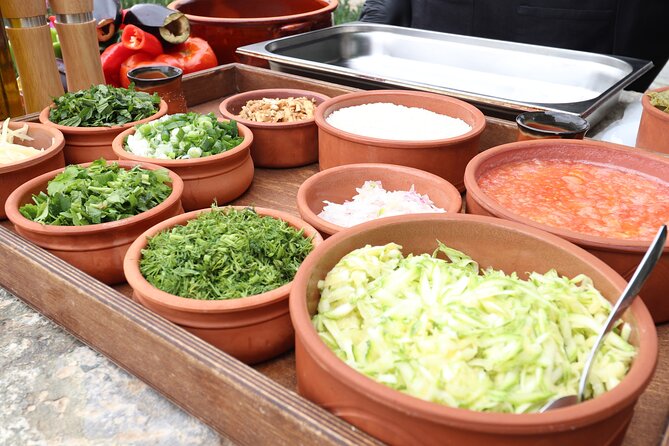
One standout feature is that the class doesn’t stop at cooking technique. You also get discussions about the nutritional value of Cretan products. That matters because it connects ingredients to real decisions: what you’re eating, where it comes from, and how it fits into a traditional diet.
Then you add the tasting. Local wine and raki are included, so you’re not leaving the farm with only aromas in your head. You taste what pairs with what you made.
This combination of food + drink also helps the day feel like a complete Cretan meal, not a workshop with a final snack. The tasting rounds out the experience, turning what could be just a class into a meal you actually enjoy.
Group Size of 12: Why the Day Feels Personal
The class is capped at 12 travelers. In practical terms, that means you’re not squeezed into a crowd while you try to chop, stir, and ask questions. It also means the guides can keep an eye on what people are doing, which matters when you’re learning cheese making and cooking steps.
I like the group setup because it supports interaction. You’re in it with everyone. People can compare what they’re seeing and learning, and you get a better feel for how the day’s process should look.
This also makes the experience easier to enjoy if you’re traveling solo or as a couple. You’re not lost in a huge group, and you’re not stuck waiting for instruction.
Price and Value: What You’re Paying for at $131.06
The price listed is $131.06 per person for about 5 hours. That sounds steep at first glance until you break down what’s included.
You’re paying for:
- instruction and hands-on participation for sheep’s milk cheese making
- cooking instruction for a Cretan meal from scratch
- a guided farm tour with animals
- fresh organic vegetables for the menu (sourced from local farms)
- discussions about the nutritional value of Cretan products
- tastings of local wine and raki
- a small group setting (max 12)
On Crete, meals often cost less on paper, but most don’t include instruction, farm context, and multiple tastings. Here, you’re getting both an educational experience and a substantial lunch tied to local products.
Two more value notes:
- Group discounts may apply.
- The price varies with the number of people, so it can work out better if you’re coordinating with friends or family.
Finally, this kind of class is popular. It’s commonly booked about 42 days in advance, so if your trip dates are fixed, don’t wait until the last week.
Who This Cretan Farm Class Is Best For
I’d point this experience toward anyone who wants Crete to feel real, not just photographed. It’s a strong fit if you care about where food comes from and you enjoy learning through doing.
It’s especially good for:
- food lovers who want hands-on cooking, not a passive tour
- travelers curious about shepherding and sheep’s milk traditions
- small groups who want a shared activity with real conversation
- couples who like a structured day with a big meal at the end
If you prefer staying in town, this might feel a bit “farm-focused” for you. And because you’re in the outdoors as part of the farm tour and cooking setup, it helps to come with comfortable shoes and a relaxed attitude about timing.
Should You Book the Shepherd’s Shelter Cooking Class?
Book it if you want a Cretan experience built around ingredients you can point to and a meal you can actually cook and eat. The best part isn’t only that the class covers cheese and lunch. It’s that you get the farm context, the shepherd connection, and tastings that make the day feel like a real Cretan meal.
Skip it only if you’re looking for something low-participation and extremely casual. This is hands-on by design. Also, keep in mind that it’s about 5 hours starting at 11:00 am, so it works best when you plan your day around it.
If your goal is to bring home more than recipes—something more like understanding—this class does the job.
FAQ
How long is the Shepherds Shelter cooking class?
It lasts about 5 hours.
What time does the class start?
It starts at 11:00 am.
Where do I meet, and does it end nearby?
You meet at The Shepherds Shelter on Unnamed Road, Milopotamos 740 51, Greece, and it ends back at the same meeting point.
Is the class taught in English?
Yes, it’s offered in English.
How many people are in a group?
The experience has a maximum of 12 travelers.
What will I make and learn during the class?
You’ll learn how to make cheese from sheep’s milk and prepare a delicious Cretan meal from scratch, with fresh organic vegetables provided for the menu.
Is wine or raki included?
Yes. The class includes tasting local wine and raki.
What happens after booking if I book close to the start time?
You’ll receive confirmation at booking unless you book within 11 hours of travel, in which case confirmation is received as soon as possible, subject to availability.
Can I cancel for a refund?
Free cancellation is available up to 24 hours in advance for a full refund.