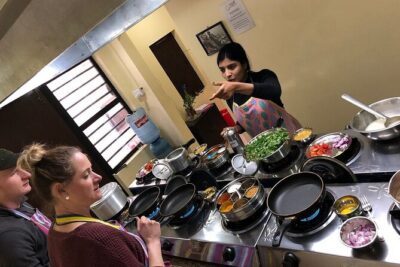
If you want a real taste of Crete, start here. This 3.5-hour home cooking class is all about hands-on Cretan dishes in Chrysoula’s own kitchen and garden, with small-group warmth that makes the meal feel personal. I love how practical it is: you do real prep, real cooking, and you don’t leave empty-handed (you leave well fed). I also love the teaching style, with clear direction and lots of laughs. One drawback to plan around: it runs best in good weather, since the experience depends on conditions outside.
In This Review
- Key Things That Make This Class Worth It
- Why Chrysoula’s Cretan Home Cooking Feels Like Family
- From Dakos to Moussaka: What You’ll Cook and Eat
- The Garden Kitchen Experience: Pace, Timing, and Group Energy
- Chrysoula (and Dee) as Teachers: Clear Steps, Real Context
- Raki, Conversation, and the Little Cretan Details You’ll Want to Remember
- Vegetarians and Dietary Adjustments: What to Expect
- Price and Value for a 3.5-Hour Small-Group Meal
- Weather, Getting There, and What to Plan For
- Who This Class Is Best For (and Who Might Skip It)
- Should You Book Chrysoula’s Traditional Cretan Home Cooking?
- FAQ
- How long is Chrysoula’s Traditional Cretan Home Cooking class?
- What time does the class start?
- Where is the meeting point?
- How much does it cost?
- Is the class limited to a small group?
- Is the experience offered in English?
- Do I need a printer for the ticket?
- Can most travelers participate, and are service animals allowed?
- What if I need a vegetarian option?
Key Things That Make This Class Worth It
- A small group (max 12) keeps the class friendly and hands-on.
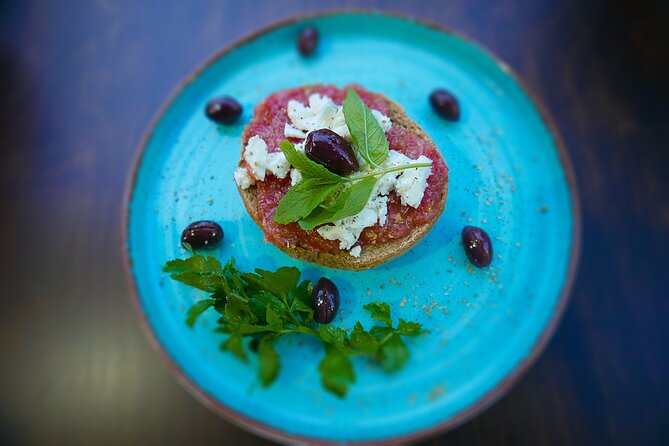
- Multi-course Cretan meal typically includes dakos, moussaka, stuffed vegetables, and homemade ice cream.
- Local ingredients often come from the property and a family farm nearby, including olive oil, herbs, vegetables, bread, and cheese.
- Chrysoula’s teaching + Dee’s help means you’re not just watching—you’re cooking.
- Raki and Greek hospitality are part of the mood, not an afterthought.
- Recipes sent after the class so you can actually repeat what you learned at home.
Why Chrysoula’s Cretan Home Cooking Feels Like Family
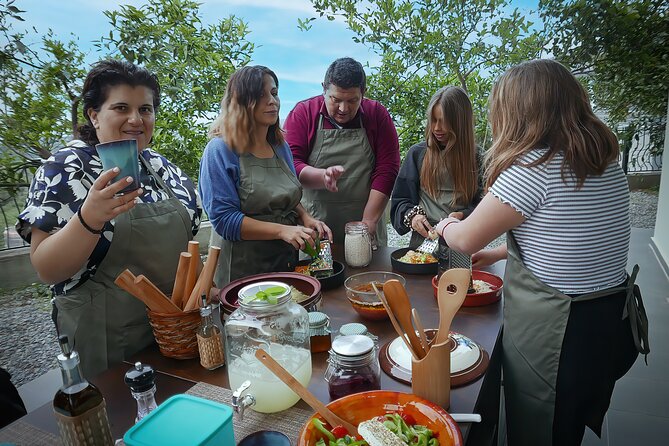
Chrysoula’s setup is the kind you remember because it’s not staged. The whole morning has that relaxed, slightly chaotic family vibe: warm greetings, easy joking, and everyone pitching in. It’s a cooking class, yes, but it’s also a chance to see how Cretans spend time together around food.
I like that the group size stays small. With up to 12 people, you get enough attention to understand what you’re doing, and there’s room for conversation instead of just standing in the background. And because it’s in a home setting rather than a big commercial kitchen, you get a more authentic feel for Cretan cooking—ingredients, habits, and the flow of a real meal.
The “family” tone is also reinforced by how Chrysoula and her helper, Dee, work together. Many people describe the two as a smooth team—so you’re not left figuring things out on your own.
You can also read our reviews of more tours and experiences in Crete.


From Dakos to Moussaka: What You’ll Cook and Eat
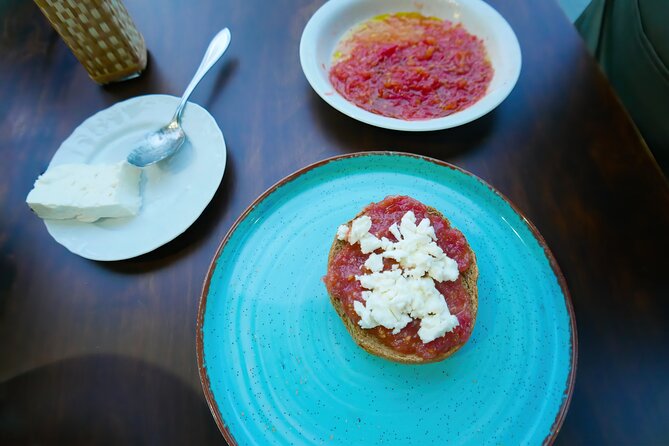
This class centers on a full Cretan meal. The sample menu gives you a clear idea of the structure, and the hands-on portion usually means you’re touching multiple components—not just assembling one dish.
Here’s the core menu you can expect:
- Starter: Dakos
- Main: Moussaka
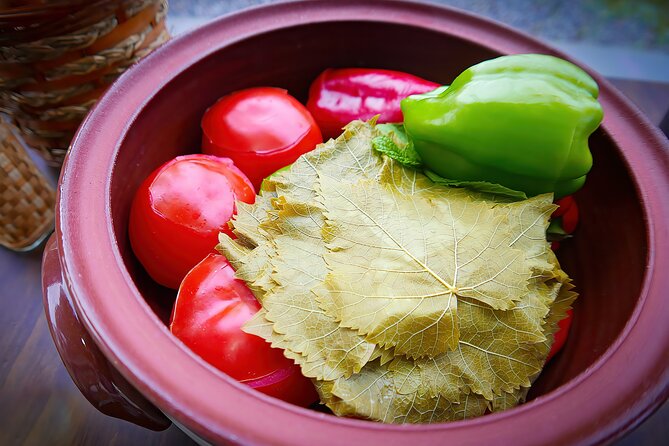
- Main: Stuffed vegetables
- Dessert: Homemade ice cream
What makes this lineup good for learning is variety. You’re dealing with a crunch and topping style starter (dakos), a layered baked main (moussaka), a filling-and-stuffing approach (stuffed vegetables), and then a cool, sweet end (homemade ice cream). That’s a lot of different skills in 3.5 hours.
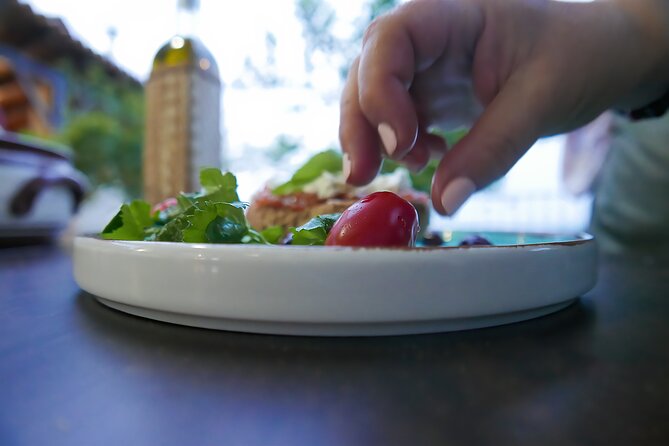
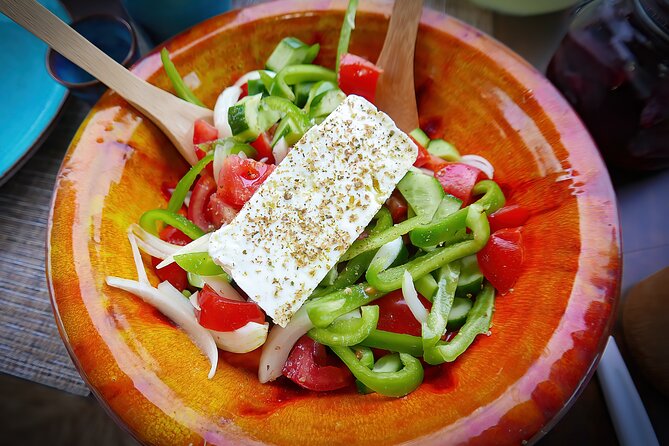
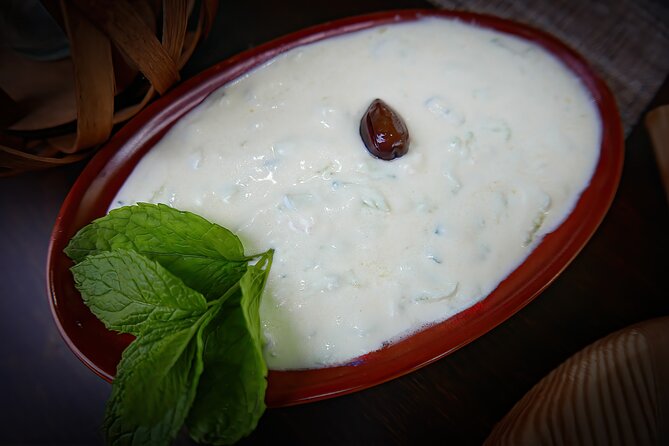
On top of that, some sessions include other classic dishes and components people recall strongly, like stuffed grape leaves and squash blossoms, tzatziki, fresh salad, and a traditional Greek pastry dessert. Even if your exact menu shifts a bit by what’s available and what Chrysoula is cooking that day, you’re still learning the same underlying Cretan logic: fresh ingredients, olive oil, herbs, and comfort-food technique.
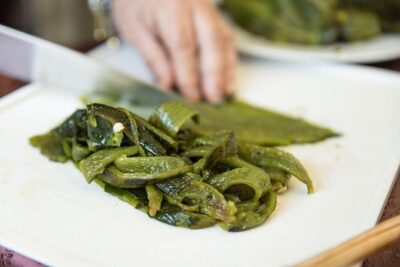
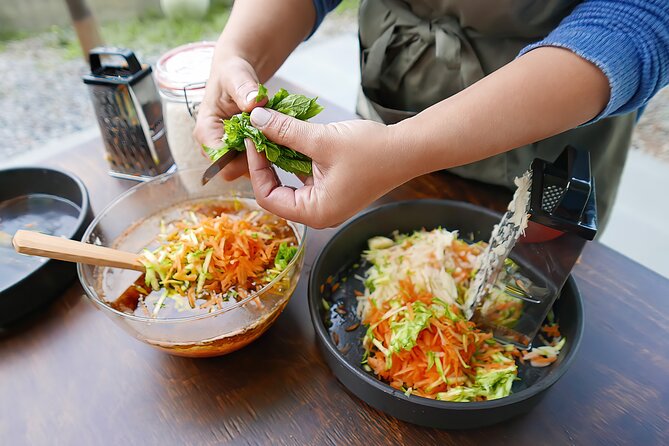
A key point: this isn’t a “taste only” experience. You’re responsible for prep tasks. People describe the direction as clear, so even if you’re not confident in the kitchen, you’re guided step by step.
The Garden Kitchen Experience: Pace, Timing, and Group Energy
Your class starts at 10:00am and runs about 3 hours 30 minutes. That timing matters. It gives you enough hours to cook, eat, and actually learn without rushing through dishes like a factory tour.
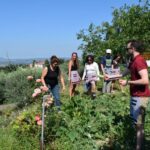
The experience typically begins right at the home setting—many people mention arriving into Chrysoula’s garden/backyard area and quickly settling into the day. The views of nearby olive groves come up often, and that changes the feel of the morning. You’re not stuck indoors under fluorescent lights. You’re cooking in a real environment where the food makes sense.
Group size stays capped at 12, and that’s a big reason the vibe works. You’ll likely mix with a range of people—couples, friends, and solo travelers are common. The laughter is not a gimmick. When there are enough people to share tasks, the kitchen becomes social rather than stressful.
One practical consideration: if you’re sensitive to strong smells or a more active cooking pace, you’ll want to know it’s hands-on and ingredient-forward. Cooking in a home kitchen means you’ll be close to the action.
Chrysoula (and Dee) as Teachers: Clear Steps, Real Context
The teaching style is one of the top reasons people rate this so highly. Chrysoula is described as warm, funny, and skilled at turning cooking into something you understand. She gives instructions that help you prep correctly, not just follow a recipe.
Dee’s presence matters too. When a helper is part of the team, it improves flow. It also means questions get answered while you’re actively working, which is when you need help most.
What you’re really learning is more than one dish. Chrysoula also provides context—why ingredients matter, how Cretan flavor builds, and how the dishes fit into local habits. If you enjoy cooking as a craft, you’ll appreciate the explanations. If you just want to leave with a repeatable meal, you’ll still benefit from the way tasks are broken down.
People also highlight that ingredients are often local, including items grown or sourced from Chrysoula’s property or family farm nearby. That’s not just flavor—it’s confidence. When you understand what goes into the dish and why, it’s easier to substitute when you’re back home.
Raki, Conversation, and the Little Cretan Details You’ll Want to Remember
Food is the headline, but the small details are part of why the class sticks with people. Raki comes up again and again, usually as part of the evening-atmosphere feel during or after the meal. Some people mention enjoying more raki than they expected, and a few note leaving with extra.
If you don’t drink alcohol, you should still be fine—just go in with your own limits in mind. The bigger point is the social pacing. The raki moment often acts like a cue that dinner time is underway and the group is settling in together.
You’ll also pick up quirky-but-useful cooking habits, like Greek measuring style and phrasing. One example people remember: the idea of adding what’s described as Greek water (a casual way of talking about olive oil quantities and pour style). It’s not about memorizing exact measurements. It’s about learning a practical way to judge amounts so you can cook confidently later.
And yes, laughter is part of it. People describe a constant stream of joking and teasing, with a lot of teamwork in the kitchen.



Vegetarians and Dietary Adjustments: What to Expect
This experience is set up to be flexible. One of the clearest signals in the feedback is that dietary needs can be accommodated. For example, a vegetarian in one group received a separate dish rather than being told to skip the meal.
The practical takeaway for you: when you book, make sure you note your dietary preferences or needs clearly. Since this is a home cooking setup, adjustments are more likely than in large industrial classes.
Also, keep expectations realistic. You may not get every component exactly as written on the menu. But you should be able to eat a full meal that fits the dietary needs you request.
Price and Value for a 3.5-Hour Small-Group Meal
At $113.84 per person for about 3 hours 30 minutes, this isn’t a bargain-bucket activity. But it also isn’t overpriced in a vacuum. You’re paying for:
- A small-group class (max 12)
- Hands-on instruction for multiple dishes
- A full meal course structure (starter, mains, dessert)
- Local ingredient quality
- A home hospitality experience, not a quick demo
When cooking classes feel expensive, it’s often because you mostly watch. Here, the format is more “cook and eat” than “watch and snack.” That value is reinforced by people remembering they were responsible for different preparation tasks and left with recipes for repeating the dishes later.
If your goal is to learn techniques you can use again, the price starts to make more sense. If you mainly want entertainment without cooking, you might feel differently. But for most food-focused visitors, the meal + instruction package is the core value.
Weather, Getting There, and What to Plan For
This activity requires good weather. That’s important because part of the experience is linked to the home garden setting. If conditions are poor, it may be rescheduled or you may get a refund. When you’re booking, I recommend planning this earlier in your trip so you have flexibility.
You meet at 8G769H27+JHJ9H27+JHJ Arkadi, Greece, starting at 10:00am, and it ends back at the meeting point. That keeps logistics simpler than tours that add extra stops and transfers.
The experience is also described as being near public transportation, which helps if you’re not driving. And it’s offered in English, so you won’t be stuck translating basic food instructions in the kitchen.
Who This Class Is Best For (and Who Might Skip It)
This cooking class is a great fit if you want a Cretan experience that feels personal, not performative. You’ll likely enjoy it if you:
- Like hands-on cooking more than watching
- Want a full meal outcome (starter through dessert)
- Enjoy meeting people in small groups
- Prefer local, home-style ingredients over “tourist kitchen” food
It’s also a solid choice for solo travelers. The class size and group energy make it easier to connect, and people describe leaving with new friends as well as recipes and full stomachs.
Who might think twice? If you’re allergic to lots of common Mediterranean ingredients (olive oil, dairy, herbs) and don’t want to take part in adjustments, you’ll want to check with the organizer before booking. And if you’re planning for rainy weather with no flexibility, the good-weather requirement could be annoying.
Should You Book Chrysoula’s Traditional Cretan Home Cooking?
I think you should book if you want an authentic Cretan meal with real instruction and a warm, small-group atmosphere. The combination of hands-on work, a multi-course menu, local ingredients, and a memorable hospitality style is exactly what many people look for when they say they want more than a generic tour.
It’s especially worth it if you’re traveling with friends or family, or if you want to start your day with something that feels grounded in local life rather than ticking boxes. The main “watch-out” is weather dependence—so build some slack into your schedule.
If you’re a careful planner and you enjoy learning techniques you can recreate at home, this is a strong pick.
FAQ
How long is Chrysoula’s Traditional Cretan Home Cooking class?
It runs about 3 hours 30 minutes.
What time does the class start?
The start time is 10:00am.
Where is the meeting point?
The meeting point is listed as 8G769H27+JHJ9H27+JHJ Arkadi, Greece.
How much does it cost?
It costs $113.84 per person.
Is the class limited to a small group?
Yes. The maximum group size is 12 travelers.
Is the experience offered in English?
Yes, it is offered in English.
Do I need a printer for the ticket?
No. You’ll use a mobile ticket.
Can most travelers participate, and are service animals allowed?
Yes, most travelers can participate, and service animals are allowed.
What if I need a vegetarian option?
Dietary needs have been accommodated, including providing a separate dish for a vegetarian in the group. Make sure you note your needs at booking.