REVIEW · SEOUL
Seoul: Kimchi Dishes Cooking Class with Wine Pairing
Book on GetYourGuide →Operated by Manok · Bookable on GetYourGuide
Kimchi tastes better when you learn the why. This small-group Seoul class pairs hands-on cooking with a kimchi tasting led by an English-speaking host and former wine bar owner, Suyeon, who also works as a sommelier. You start by learning the differences between four styles, then you cook a kimchi-based dish, and finish with wine pairings chosen to match what you made.
I especially love the structure: tasting first, cooking second. You get clear explanations about fermentation and flavors, plus real decision-making in the kitchen when you pick which recipe you want to learn. One real consideration: you choose among three recipes, and the class specialty (aged kimchi with braised pork belly) is pre-made by the host, so it’s not a fully from-scratch deep cooking session for every dish.
In This Review
- Key Highlights You’ll Remember (Not Just Post to Instagram)
- Entering The Kimchi & Wine Studio Near Gyeongbokgung
- The Start: Tasting 4 Kimchi Types Like a Flavor Detective
- Cooking Part: Pick Your Recipe and Learn the Core Technique
- The Included Specialty: Aged Kimchi with Braised Pork Belly
- Wine Pairing with a Sommelier: How to Think, Not Just Sip
- Sharing the Meal: Why the Group Setup Helps Your Cooking Confidence
- Price and Value: Is $58 Worth It?
- Who This Class Fits Best (And Who Should Skip It)
- How to Plan Your Day Around the Two Hours
- Should You Book This Kimchi and Wine Cooking Class in Seoul?
- FAQ
- What is the duration of the Seoul kimchi cooking class?
- How much does it cost per person?
- How big are the groups?
- What language is the class taught in?
- What kimchi types do you taste at the beginning?
- Which dishes do you cook during the class?
- Is the aged kimchi pork belly cooked by participants?
- Is wine included?
- Is this class suitable for children?
Key Highlights You’ll Remember (Not Just Post to Instagram)
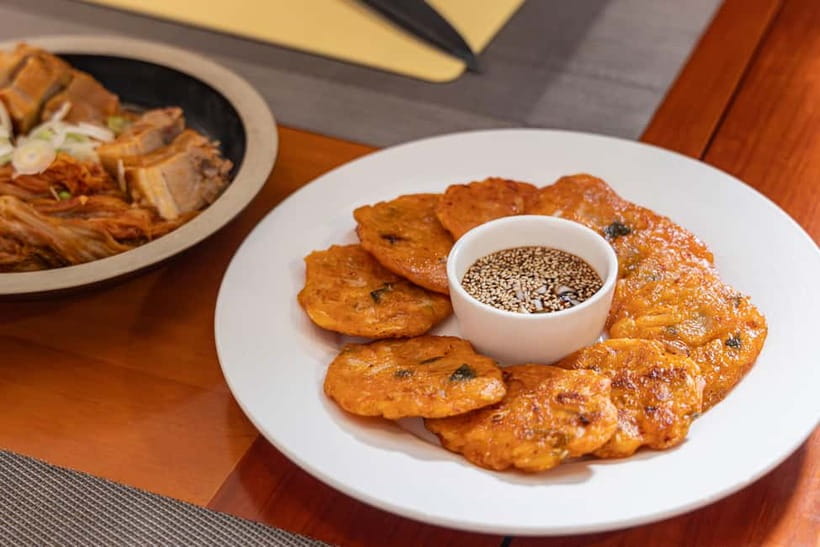
- Taste 4 kimchi styles: cabbage, white kimchi, radish kimchi, and aged kimchi
- Cook 1 main recipe (your choice): kimchi pancake, white kimchi noodles, or radish-bacon stir-fried rice
- Wine pairing guided by a sommelier with personal picks for each part of the meal
- Small group capped at 6, so questions don’t get buried
- Age kimchi + pork belly included, prepared by Suyeon so beginners still get the wow factor
Entering The Kimchi & Wine Studio Near Gyeongbokgung
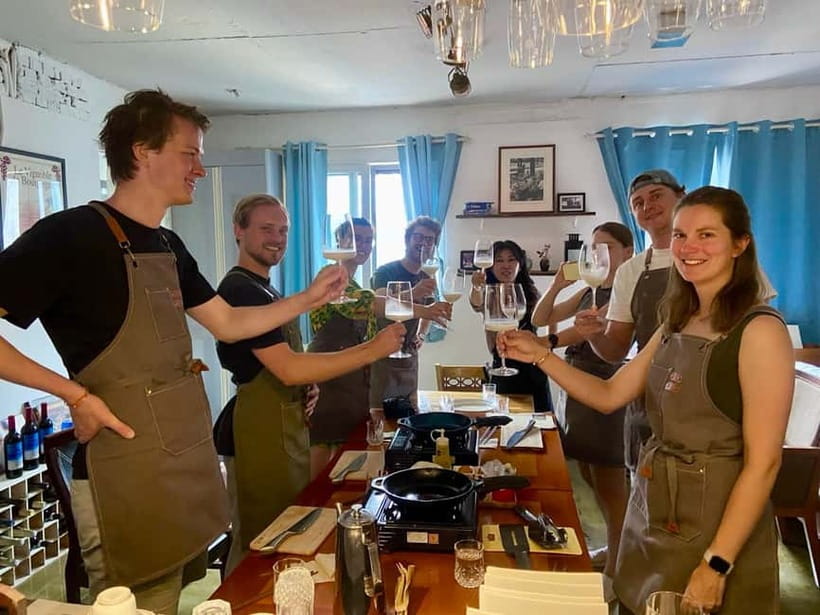
The studio is close to Gyeongbokgung Palace, which is a big deal if you like planning a smooth day instead of crisscrossing Seoul. The class runs for about 2 hours, and it’s set up so you can do Palace first and then walk over with an appetite.
Here’s how to find it: from Gyeongbokgung Station Exit 2, walk straight about 200 meters until you see Woori Bank, then turn left. Pass the bar called Cham, and look for the building where Cuisine La Cle is on the 1st floor. Your destination is on the 3rd floor.
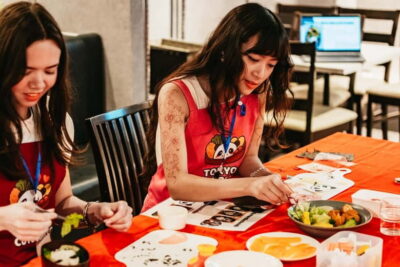
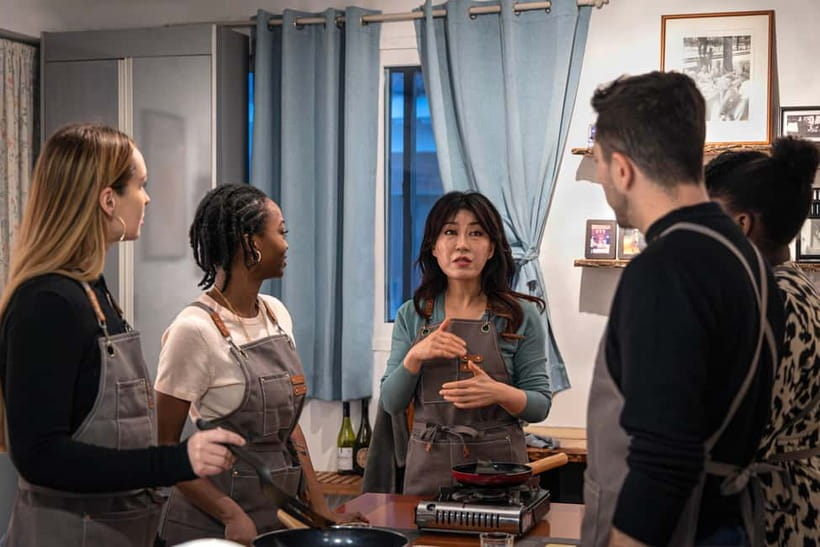
Inside, expect a cozy, intimate vibe. Reviews mention a welcoming, home-like setting and lots of conversation, which helps the class feel less like a factory lesson and more like a friendly food chat with structure.
You can also read our reviews of more tours and experiences in Seoul.
The Start: Tasting 4 Kimchi Types Like a Flavor Detective
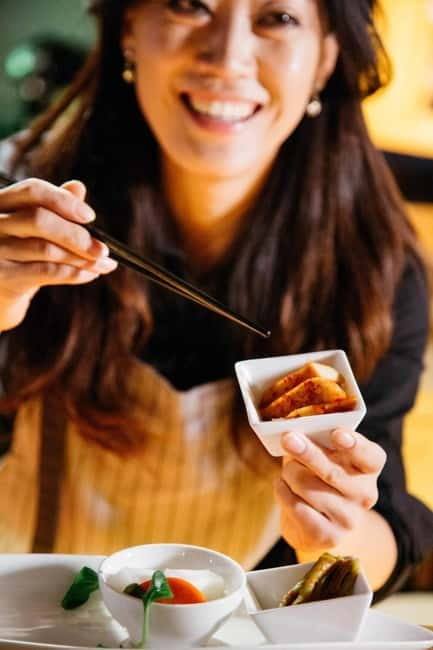
This class does something smart: it teaches before it cooks. You begin with tasting and learning four different kimchi styles, each with its own personality.
You’ll taste:
- Cabbage kimchi (the classic spicy fermented staple)
- White kimchi (a milder, often more gentle style)
- Radish kimchi
- Aged kimchi (deeper, sharper, and more intense than the fresher versions)
Why this matters: if you’ve only ever eaten kimchi straight from a jar, you miss the range. Fermentation time changes texture, tang, and how heat lands on your tongue. By tasting multiple styles back-to-back, you start to understand what you’re cooking, not just what you’re eating.
Suyeon (the host and sommelier) explains the history and processes too, not in a lecture-heavy way. One reason this gets praised a lot is patience. When someone is newer to Korean food, she slows down and makes sure you’re following along before you move on.
Cooking Part: Pick Your Recipe and Learn the Core Technique
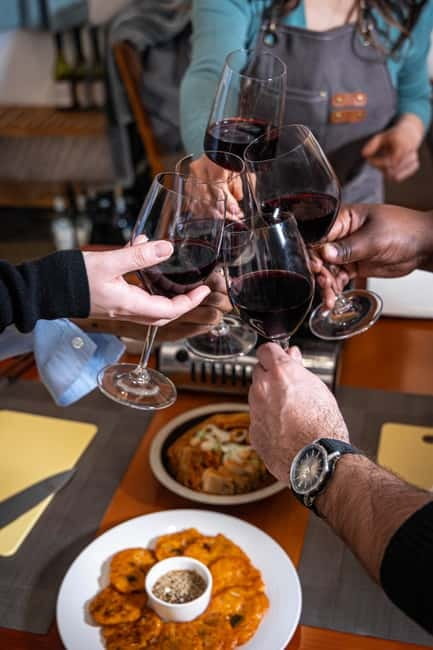
Once the tasting is done, you shift into the hands-on part. You choose which dish you want to learn among three options:
1) Kimchi pancake
2) White kimchi noodles
3) Radish-bacon stir-fried rice
Which one should you pick? I’ll help you decide based on how you like to eat at home.
- Choose kimchi pancake if you want a forgiving, crowd-pleasing dish. It’s practical for home cooking because it’s built around a recognizable pancake format, then you fold in kimchi flavor.
- Choose white kimchi noodles if you like lighter, calmer flavors and want something you can recreate without making everything super spicy.
- Choose radish-bacon stir-fried rice if you like savory comfort food. The radish kimchi flavor plus bacon gives a strong “weeknight meal” vibe.
Small note: dishes can vary slightly depending on group size. But you’ll still get the same main recipe direction and the key steps that make it work.
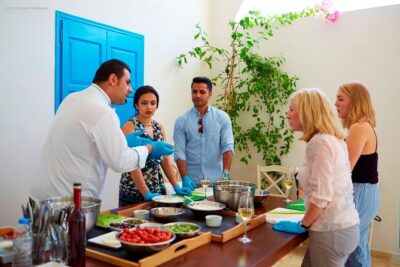
Also, because the class is capped at 6 participants, you’re not just watching someone else cook. You’re cutting, mixing, and building enough confidence that you can repeat the dish later instead of treating it like a one-time show.
The Included Specialty: Aged Kimchi with Braised Pork Belly
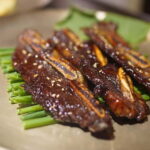
Here’s the part that people tend to love most because it tastes like Korean comfort food at its peak: the host’s specialty dish, aged kimchi with braised pork belly.
The important detail for your expectations: this component is pre-made by Suyeon. The class description says aged kimchi dishes can be difficult for beginners and take long time to cook, so she handles the slow part. That’s actually good value for you. You still get the flavors and the lesson on how aged kimchi behaves, without needing eight hours of kitchen time.
You’ll also get to share it at the table at the end with everything else you cooked. So even though you aren’t personally braising pork belly, you still leave with a full meal experience and a strong “what to aim for” reference point.
Wine Pairing with a Sommelier: How to Think, Not Just Sip
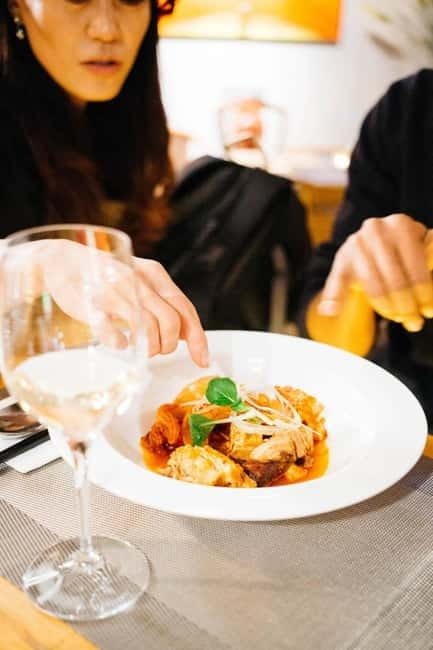
The wine pairing is not random. You’re guided by an actual sommelier who selects pairings based on flavor profiles and how tastes change together.
What you’ll do:
- You taste kimchi types first.
- Then you cook and share the dishes.
- Finally, you enjoy wine pairings chosen personally by the sommelier alongside your meal.
The practical takeaway: you’ll start seeing kimchi as more than spicy heat. It has acidity, fermented depth, saltiness, and sometimes sweetness depending on the style. Those elements each call for different wine characteristics—things like balancing tang, handling richness, and smoothing out pungent flavors.
One review also mentions a pairing that included yuja makgeolli alongside the food. Since the class centers on wine pairings, don’t assume every session uses the same drinks, but it does suggest the host pays attention to Korean pairing culture, not just generic “wine with dinner.”
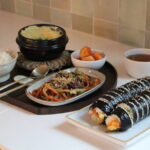
Sharing the Meal: Why the Group Setup Helps Your Cooking Confidence
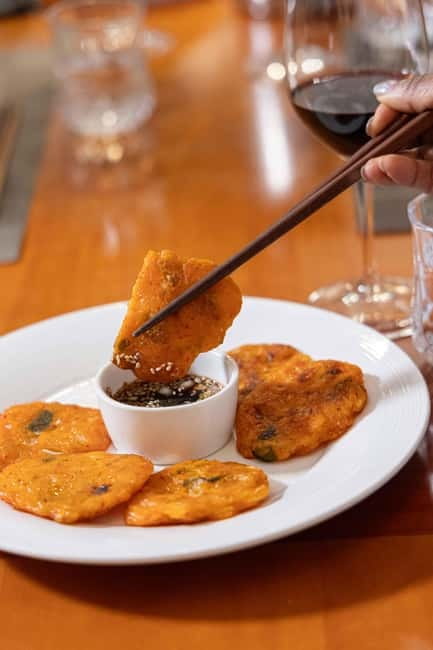
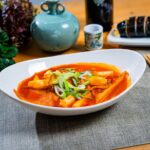
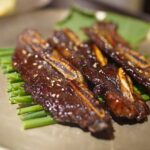
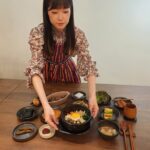
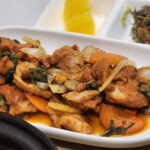
After cooking, you share all the dishes together. That includes your kimchi recipe choice and the host specialty (aged kimchi with braised pork belly). It turns the class from a solo cooking demo into a communal meal where you can taste what others did.
This matters because it gives you options for future planning. You’ll see how different kimchi styles behave in different formats:
- A kimchi pancake shows how the flavors concentrate when cooked.
- Noodles show how acidity and salt carry through a softer dish.
- Stir-fried rice shows how kimchi becomes a seasoning base that ties everything together.
And because the group is small, you can ask questions while people are actively eating. Reviews mention lots of conversation about Korean culture and history, which makes the class feel less like a task and more like a mini cultural evening.
Price and Value: Is $58 Worth It?
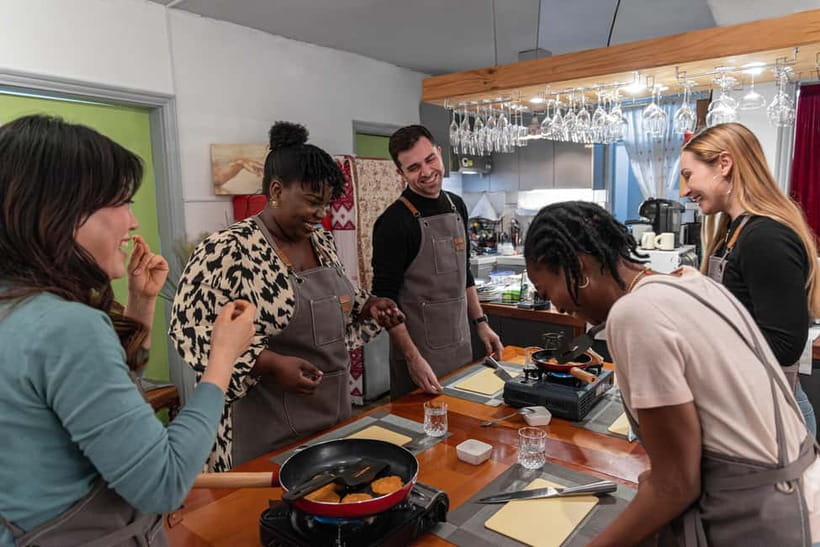
At $58 per person for 2 hours, this class sits in the mid-range for Seoul food experiences. The best part is what you’re getting for that price, not just that it’s “cheap” or “expensive.”
You’re paying for:
- Four kimchi tastings with explanations
- Hands-on cooking for one recipe option
- A full included meal with the host’s aged kimchi pork belly specialty
- A sommelier-led wine pairing
That combination is what makes it feel worth it. If you just wanted a tasting, you’d miss the skill. If you just wanted cooking, you’d miss the “how flavors connect” part that wine pairing teaches so clearly.
Add in the English instruction and the small group size, and the value gets stronger. This is the kind of class where you should expect to actually remember steps later because you practiced them, not just watched.
Also: this experience has a 4.7 rating across 38 reviews, which lines up with the repeated themes—patient teaching, great conversation, and food that tastes good right away.
Who This Class Fits Best (And Who Should Skip It)

This is a great fit if you:
- Like food education that stays practical
- Want to cook Korean dishes without needing advanced skills
- Enjoy wine pairings and want a sommelier’s reasoning
- Are doing a Palace day and want an easy, close-by activity
It’s also ideal for couples, small groups of friends, and solo travelers who like interacting rather than being stuck in silence with a menu.
Not suitable for children under 18, so if you’re traveling with younger kids, you’ll need a different plan.
How to Plan Your Day Around the Two Hours
If you’re pairing this with a Seoul sightseeing day, I’d treat it like your “food anchor.”
A good flow:
- Go to Gyeongbokgung Palace earlier in the day
- Walk over to the studio (it’s close, around a quick walk)
- Arrive hungry and ready to cook
One reason this tends to work well is that you’ll leave with a full meal already taken care of. Reviews note you won’t need dinner right after, because your shared dishes plus the included specialty and pairings cover it.
If it’s raining, keep your expectations flexible. One participant shared that Suyeon offered umbrellas when weather turned, which is the kind of thoughtful host move that makes small classes feel human.
Should You Book This Kimchi and Wine Cooking Class in Seoul?
Yes, you should book it if you want a Seoul experience that blends cooking skill with flavor education. The class is built around a smart order: taste four kimchi styles, then cook your chosen dish, then eat everything with sommelier wine pairings.
Book it especially if you care about learning what you’re eating and being able to reproduce it at home. Multiple reviews mention that the instructions are easy enough for beginners to feel confident later.
Skip it only if you’re expecting every dish to be fully hands-on. You cook one of three recipes, and the aged kimchi pork belly specialty is pre-made by Suyeon. That’s not a bad thing, but it’s not a full “cook everything from scratch” fantasy.
If that trade-off sounds fine, this class is a strong value choice for a high-impact 2 hours near Gyeongbokgung.
FAQ
What is the duration of the Seoul kimchi cooking class?
The class lasts about 2 hours.
How much does it cost per person?
The price is $58 per person.
How big are the groups?
The group is small, limited to 6 participants.
What language is the class taught in?
The host/grteeter speaks English.
What kimchi types do you taste at the beginning?
You taste four kinds of kimchi: cabbage, white kimchi, radish kimchi, and aged kimchi.
Which dishes do you cook during the class?
You cook one dish you choose from three options: kimchi pancake, white kimchi noodles, or radish-bacon stir-fried rice.
Is the aged kimchi pork belly cooked by participants?
No. The aged kimchi with braised pork belly is prepared ahead of time by the host for you to enjoy.
Is wine included?
Yes. You enjoy a glass of wine with pairings selected by the sommelier.
Is this class suitable for children?
No. It is not suitable for children under 18.