REVIEW · CATANIA
Join us for a Sicilian cooking class in a professional kitchen on Etna, using fresh ingredients from our organic garden
Book on GetYourGuide →Operated by Favazza Etna Winery · Bookable on GetYourGuide
Etna makes everything taste different.
This Sicilian cooking class sends you to a professional kitchen at Favazza Etna Winery, where the focus is local technique and real ingredients from their organic garden. I like that you get close to the process, not just a demo, and I also like the zero-waste mindset built into the way you cook.
One thing to consider: even though some descriptions talk about a longer session, the real value is the work you do—often including pasta prep and cooking with the chef finishing the dish—so plan for a tight, hands-on 2-hour experience.
In This Review
- Key Things You’ll Do at Favazza Etna
- From Favazza Winery to Etna Flavors: How the Experience Works
- The Garden-to-Kitchen Moment: Ingredients You Can Recognize
- Hands-On Cooking in a Pro Kitchen: What You’ll Actually Do
- Typical Sicilian Dish Flow: From Dough to the Table
- Favazza Wine and Lunch: Why the Meal Is Part of the Lesson
- Price and Value: Is $94 Fair for What You Get?
- Language, Group Size, and the Chef-Student Dynamic
- Best For Who: The Right Fit for Your Sicily Trip
- Should You Book the Etna Cooking Class?
- FAQ
- Where is the meeting point?
- How long is the cooking class?
- What is the price per person?
- What’s included in the experience?
- Do you get wine with lunch?
- How big is the group?
- Is the class wheelchair accessible?
- Can I cancel and get a full refund?
- Can I reserve now and pay later?
Key Things You’ll Do at Favazza Etna
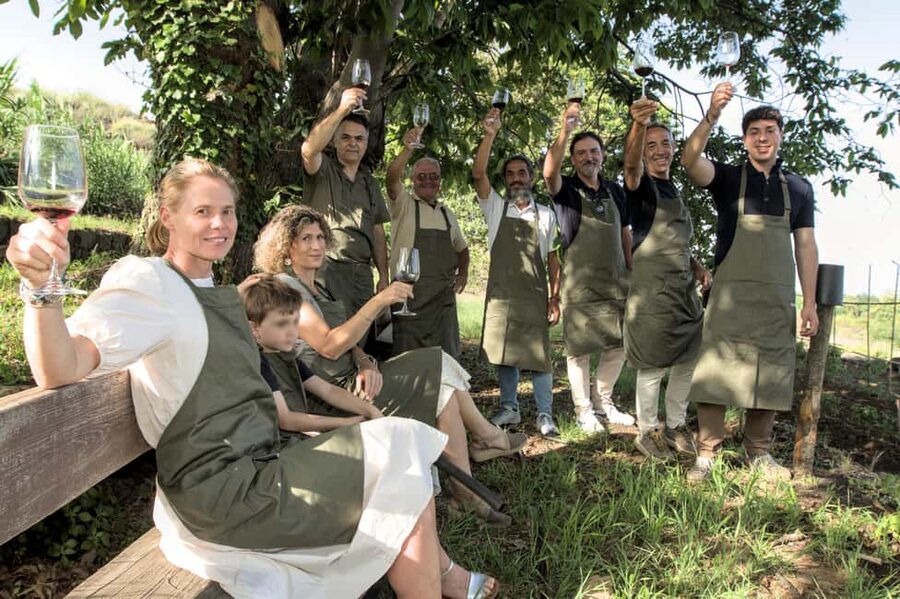
- Cook with seasonal produce grown on the Etna slopes
- Make fresh pasta by hand, then help finish a classic Sicilian meal
- Learn zero-waste habits, using more of each ingredient instead of tossing it
- Work in a small group of 8 or fewer, with the chef guiding step-by-step
- Share lunch with Favazza wine at the end of class
From Favazza Winery to Etna Flavors: How the Experience Works
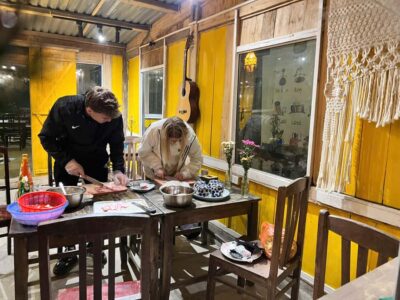
This class is set up like a working food day, not a tourist show. You meet at Favazza Etna Winery in Sant’Alfio (Via Fossapoliti Formazzo 46, 95010). From there, you head into a cozy, fully equipped professional kitchen where you’ll actually cook with tools meant for real prep and real service.
What makes this experience especially enjoyable is the match between place and ingredients. Etna isn’t just a backdrop. The produce comes from their organic garden, grown on the slopes. You can taste the difference in what’s available and what’s at peak season. In practice, that means your menu feels like Sicily as it is today, not as it was last month.
Timing matters here. The booking lists a 2-hour duration. In a short window, you’ll do hands-on cooking, then sit down for the meal. That’s why the experience feels focused: you’re busy, you learn fast, and you eat what you made without turning it into an all-day production.
You can also read our reviews of more tours and experiences in Catania.
The Garden-to-Kitchen Moment: Ingredients You Can Recognize
A standout part is the way the class starts with the garden. You’re not working with mystery items in plastic. You’re using ingredients you can connect to the soil and season.
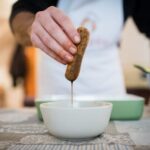
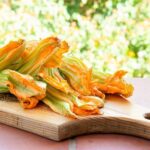
You’ll pick up seasonal veggies and herbs from the organic garden, then carry them into the kitchen where they become the backbone of the dishes. That garden step is more than a feel-good add-on. It changes how you cook. When you see the produce first, you’re more likely to treat it respectfully—especially herbs, aromatics, and vegetables that can go from bland to bright with the right timing.
The class also leans into local “goodies,” meaning you’re cooking with a Sicilian pantry rhythm, not a generic Italian set menu. Even if you don’t know the dishes by name when you arrive, you’ll notice the flavors are built around what grows nearby and what farmers can raise consistently on Etna’s terrain.
If you’re the type who hates wasting food, you’ll probably enjoy the logic of the ingredients. The highlights promise zero waste, and that theme shows up in how you’re encouraged to use more of each component instead of discarding parts you might not think to cook with.
Hands-On Cooking in a Pro Kitchen: What You’ll Actually Do
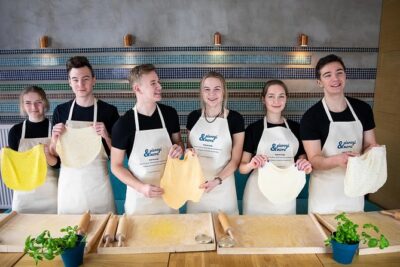
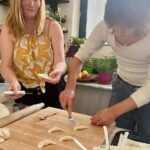
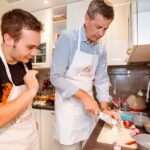
This class is built around hands-on participation. You’ll get your hands in the dough and you’ll work at the stove. That matters because pasta-making isn’t just about eating pasta. It’s about texture, timing, and feel.
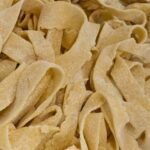
Fresh pasta is a major piece of the experience. You’ll make it yourself, and that’s where the class quickly becomes memorable. One review mentioned making fresh pasta and then cooking a classic like Pasta al Norma. Even if your specific dish varies by season and what’s coming from the garden, you can expect that same combination: hands-on pasta + a Sicilian-style sauce or topping built from local produce.
Here’s what to realistically expect about your role. In a small group, you’ll likely rotate through tasks: mixing dough, shaping, chopping veggies, and helping with parts of the sauce or assembly. Some steps may be more guided, meaning the chef takes over for the timing-sensitive parts while you help with the prep or stirring. That isn’t a downside—it’s smart teaching. Pasta can go wrong quickly if you rush it, and the chef keeps the quality steady.
You’ll also learn zero-waste habits while cooking. The point isn’t guilt. It’s practicality. You’ll see how to treat ingredients as multi-use, so the final plate tastes better and you throw away less.
And yes, it’s a hands-on kitchen. Flour happens. Pots get hot. You’ll want to be ready for a real cooking session, not a seat-and-watch class.
Typical Sicilian Dish Flow: From Dough to the Table
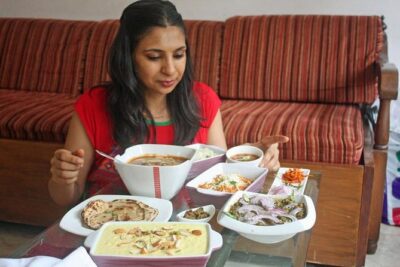
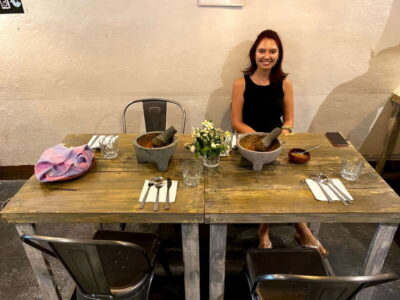
The class ends with the meal you cooked. You’ll share what you made together, served with care, and paired with a glass of Favazza wine.
In terms of flow, it tends to follow a logical rhythm:
- Garden ingredients come in first
- Pasta prep starts early
- Sauce/finishing steps happen while you’re still active
- You sit down to eat what’s been prepared
Some people expect a longer multi-course meal experience, but the format is built for energy and momentum. Expect a focused session where you complete one main Sicilian dish (or a clear set-piece), then eat it as a group.
One review noted that after about an hour the group went to the table. Another noted the whole thing felt closer to 2 hours than the longer duration they expected. The takeaway for you: don’t book this if you’re looking for a long tasting-menu day. Book it if you want to cook, learn technique, and eat while it’s fresh and still hot.
Favazza Wine and Lunch: Why the Meal Is Part of the Lesson
The meal is not an afterthought. It’s how the class “locks in” what you learned.
You’ll pair the dish with a glass of Favazza wine. That pairing matters because Sicilian food is built for wine-friendly acidity, salt, and savory depth—especially when tomatoes, eggplant, herbs, or aromatics are part of the recipe. Even if you don’t consider yourself a wine person, the pairing helps you understand balance.
And the setting is practical. Eating at the end in the same environment—rather than sending you off to hunt for lunch—makes the whole experience feel like one cohesive block. You cook, then you taste the results immediately.
If you’re traveling with a friend, this shared meal is often the best social part. You can compare cooking decisions, swap tips, and talk about what you liked most about the garden ingredients and the sauce.

Price and Value: Is $94 Fair for What You Get?
At $94 per person for a 2-hour cooking class, you’re paying for three things:
- A professional kitchen setting
- The chef-led instruction and hands-on cooking
- Garden-grown ingredients plus a wine-paired meal
The value is strongest if you want to learn by doing. Making fresh pasta and getting guided help is usually more useful than a tasting-only experience. Also, small group size (8 participants or fewer) helps you feel like the class isn’t a production line.
The only real price-to-expectation mismatch to watch is meal depth. Some people expect more than one fully different dish for the price. The format here focuses on a key Sicilian dish experience rather than a long restaurant-style progression. If you want multiple main dishes and a long sit-down, you might feel the time is short.
But if you go in with the right expectations—hands-on pasta, Sicilian cooking technique, zero-waste mindset, and lunch with wine—the price feels more grounded. You’re buying access to local ingredients and chef guidance in a working kitchen setting.
Language, Group Size, and the Chef-Student Dynamic
You’ll cook with an instructor who teaches in Italian and English. That’s a helpful detail if your Italian is rusty. You can still follow steps and ask questions without guessing.
Small group also changes the vibe. With a maximum of 8 participants, you’re more likely to get direct attention. That matters when you’re making dough and shaping pasta. You don’t want to stand in the corner hoping someone notices your timing.
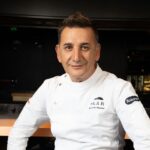
The chef is at your side guiding the process. In many cooking classes, the chef finishes most critical steps. Here that’s part of the design: you’ll do plenty, but the chef makes sure the final result stays true to the recipe and doesn’t fall apart halfway through service.
If you like to cook and you enjoy asking questions, this setup makes that easy. If you’re nervous in kitchens, the short timeline and step-by-step support can actually be reassuring.
Best For Who: The Right Fit for Your Sicily Trip
This class fits well if you want a hands-on food experience tied directly to Etna and seasonality. It’s a strong pick for:
- People who enjoy cooking and want a practical skill boost (fresh pasta is the big one)
- Food lovers who like regional technique, not just generic Italian dishes
- Travelers who want a short, focused activity that includes lunch and wine
- Anyone who likes learning about zero waste in a real kitchen context
It may be less ideal if your dream Sicily meal is a long multi-course event with lots of different finished dishes. This is more about making one Sicilian statement dish really well, then eating it together.
Should You Book the Etna Cooking Class?
I’d book it if you care about cooking technique, fresh ingredients, and a meal you didn’t just buy—you made it. The garden-to-kitchen concept is the real magic, and the fact that you handle the dough gives the class more depth than many short workshops.
I’d hesitate if you expect a long, restaurant-style progression with multiple major dishes and lots of seated time. The experience is designed to move. Plan for that energy, not a slow dinner.
If your goal is a memorable Sicilian cooking moment at the foot of Etna—using seasonal garden produce, working with a chef, and ending with lunch and Favazza wine—this is a very sensible use of your time in Sicily.
FAQ
Where is the meeting point?
You meet at Favazza Etna Winery, Via Fossapoliti Formazzo 46, 95010 Sant’Alfio CT, Italy.
How long is the cooking class?
The class lasts 2 hours.
What is the price per person?
The price is $94 per person.
What’s included in the experience?
You’ll join the cooking class with an expert chef and enjoy a lunch with Favazza wine. You’ll also receive materials during the class: handouts, an apron, dishcloth, pencil, and notebook.
Do you get wine with lunch?
Yes. Lunch is paired with a glass of Favazza wine.
How big is the group?
The group is limited to 8 participants.
Is the class wheelchair accessible?
Yes, the activity is wheelchair accessible.
Can I cancel and get a full refund?
Yes. You can cancel up to 24 hours in advance for a full refund.
Can I reserve now and pay later?
Yes. You can reserve now & pay later.