REVIEW · CATANIA
Catania: Pasta & Tiramisu Cooking Class at a Local’s Home
Book on GetYourGuide →Operated by Cesarine · Bookable on GetYourGuide
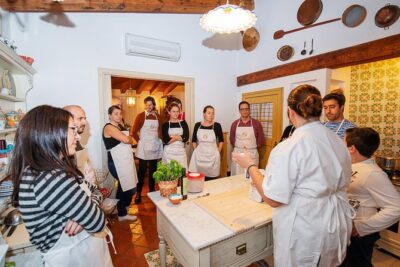
Catania smells like garlic and good company. In this pasta and tiramisu class, you learn to roll sfoglia by hand with a local home cook through Cesarine.
I also like the human side. You may start with an aperitivo and end up eating your work in a home setting with views of Catania and even Mount Etna, the kind of detail Graziella and Andrea mention from their roof terrace. You’ll tackle two iconic pasta types, then make tiramisu the classic way and taste what you made.
One practical catch: for privacy, you only get the full address after you book, and it’s not suitable for wheelchair users.
In This Review
- Key takeaways before you go
- Why a Catania home-cook class beats a studio
- Your aperitivo warm-up: prosecco and nibbles first
- Rolling sfoglia by hand: the skill that changes your next meal
- Two pasta types from scratch: practical, not fussy
- Tiramisu lessons: making it, then letting it set
- What’s included—and where the price feels fair
- Language and teaching style: Italian and English support
- The home setting logistics: privacy, comfort, and timing
- Who this class is best for (and who should skip)
- Should you book this Catania pasta and tiramisu class?
- FAQ
- Where is the class held?
- How long does the cooking class last?
- What will I make during the class?
- What drinks are included?
- Is the class taught in English?
- Is the experience suitable for wheelchair users?
- Can I get a refund if my plans change?
Key takeaways before you go
- Hand-rolled sfoglia: you work the dough yourself, not just watch.
- Two pasta types + tiramisu: you leave with a real meal you made from scratch.
- Cesarine home cooks: hosted in a private home, using their family-style know-how.
- Aperitivo included: prosecco and nibbles to warm you up before the cooking.
- Strong English support: instructors work in Italian and English, so you’re not stuck translating.
- Often stunning views: some homes include dramatic city and Mount Etna scenery.
Why a Catania home-cook class beats a studio
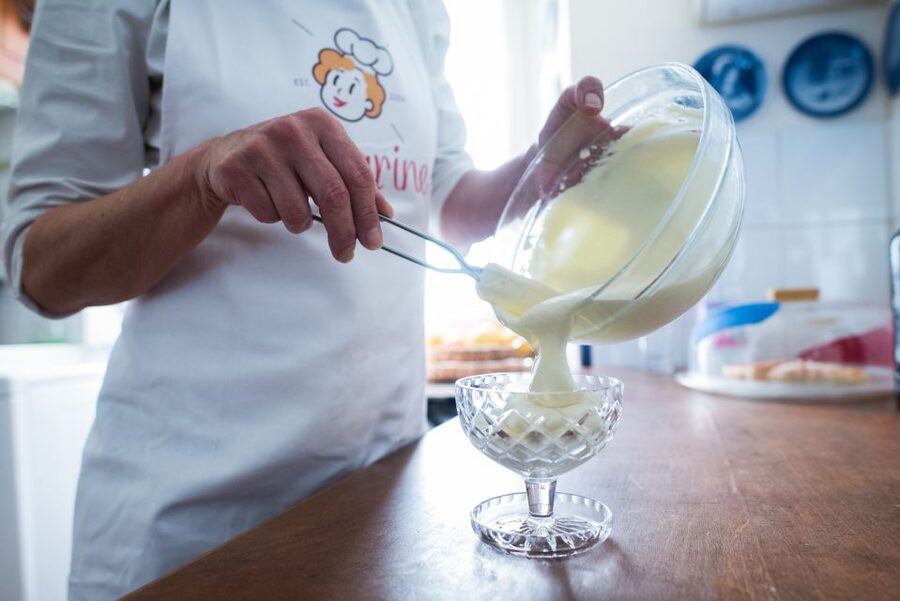
This is the kind of cooking class that feels like you’ve been invited into someone’s routine. Cesarine is a long-running network of home cooks, and the point is not showy food theatre. It’s practical lessons in Italian cucina italiana—the same way you’d learn if your friend’s family made pasta every week.
In Catania, that home setting matters. Some hosts set the tone with city views; one class with Graziella and Andrea included a roof terrace looking toward Mount Etna. Even if your session doesn’t have the same view, you’ll still get the best ingredient that travel can’t buy: a relaxed, personal pace.
You also get the benefit of a real local kitchen approach. Cesarine home cooks are known for using specialties from their family cookbooks, so the food feels tied to place—not just to a recipe card.
You can also read our reviews of more tours and experiences in Catania.

Your aperitivo warm-up: prosecco and nibbles first
Before you start mixing and rolling, you’ll get an Italian aperitivo. That means prosecco plus nibbles, plus the usual beverages on site like water, wine, and coffee.
Why this is worth caring about: it sets the rhythm. You’ll arrive, settle in, and start learning without that awkward, hangry moment that can happen with classes that begin too abruptly. If you like social cooking—talking while you work—this opener makes it easy.
One thing I appreciate here is that the class doesn’t treat drinks like an afterthought. The included drinks are part of the experience, not a separate purchase you have to plan for.
Rolling sfoglia by hand: the skill that changes your next meal
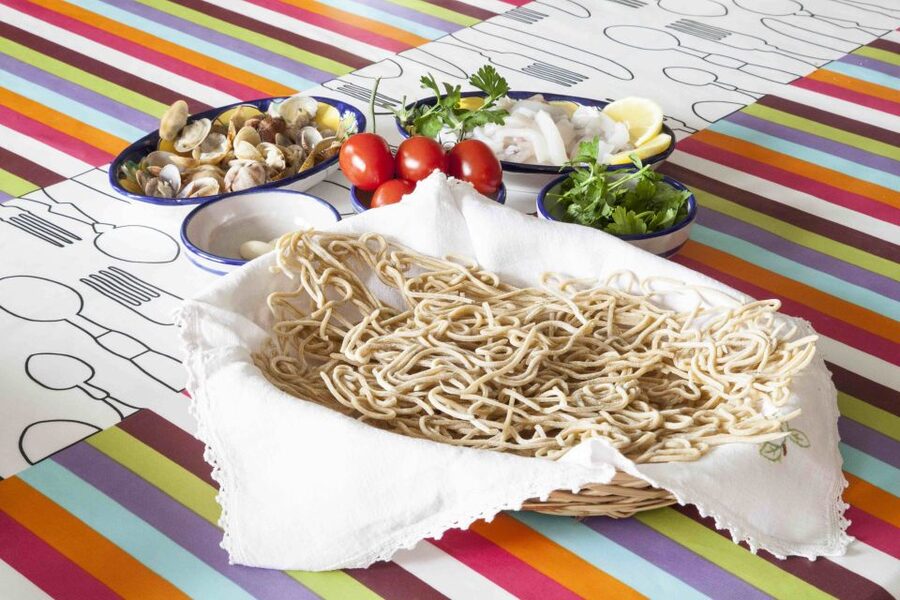
The headline skill is learning to roll sfoglia by hand. That’s fresh pasta dough, stretched and worked so it’s thin enough to cook well, but not so fragile that it tears the second you touch it.
This matters for two reasons:
First, you stop being a pasta consumer and start being a pasta maker. After one class, you’ll know what dough should feel like—springy, workable, and not sticky. That translates to better results at home even if your shapes aren’t perfect.
Second, hand-rolling forces attention. You learn by doing, with your host guiding your hands. That’s how pasta thickness stops being a mystery.
Hosts in this network tend to be patient and direct. Angela, for example, was praised for her patience and big passion for cooking, and for giving clear help when people got stuck. If you worry about being awkward in a kitchen, you’ll probably be fine.
Two pasta types from scratch: practical, not fussy
You’ll make two iconic pasta types from scratch. Exact shapes can vary by session, but the format stays consistent: dough work and hands-on prep, then cooking and tasting.
A useful detail: one memorable class highlighted tortelli as a standout highlight, taught by Laura. That tells me the teaching doesn’t stay at the easiest level. You’ll likely make something that takes a bit of technique, but not so much that it turns into a stress test.
Here’s how to think about it: two pasta types in about three hours means the class is designed for efficient momentum. You won’t be stuck grinding forever, and you also won’t feel like you only made scraps and watched the rest.
And because the course includes tasting of the two pasta recipes, you get to evaluate your results while the experience is still fresh. That feedback loop is a big part of the value.
Tiramisu lessons: making it, then letting it set
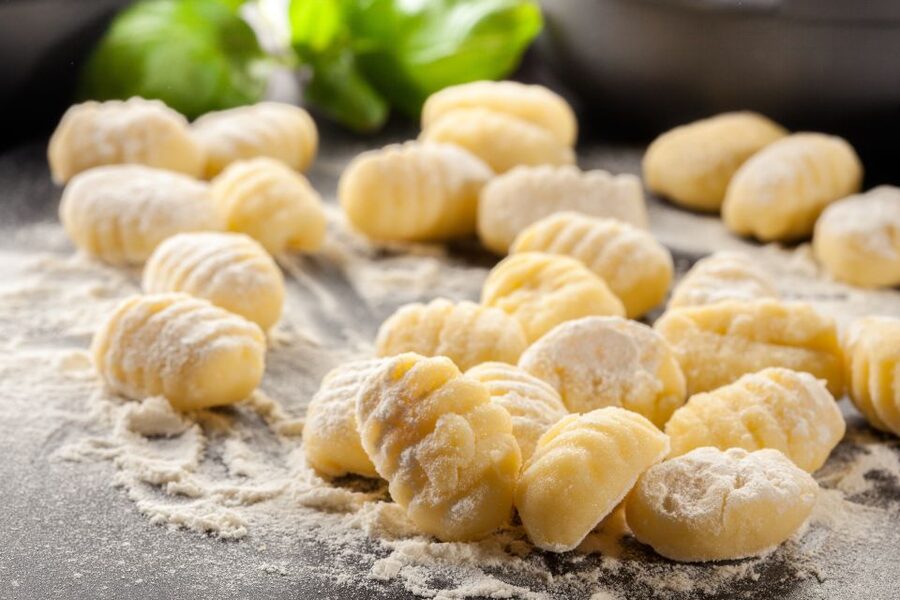
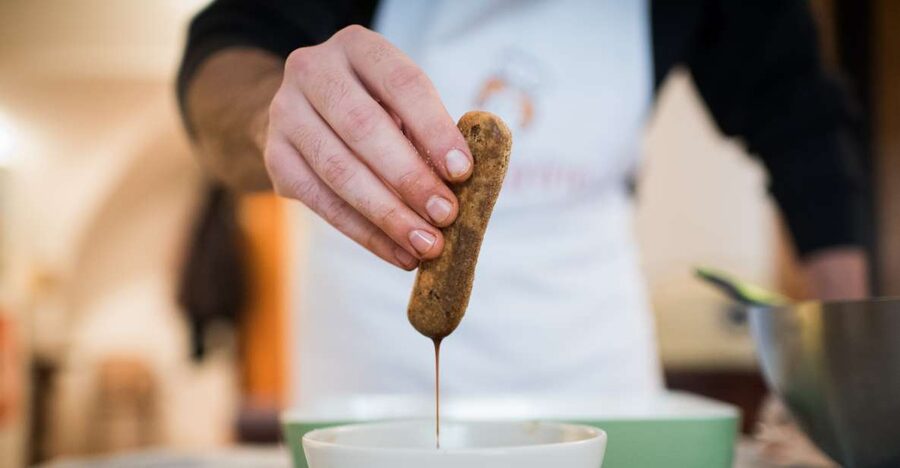
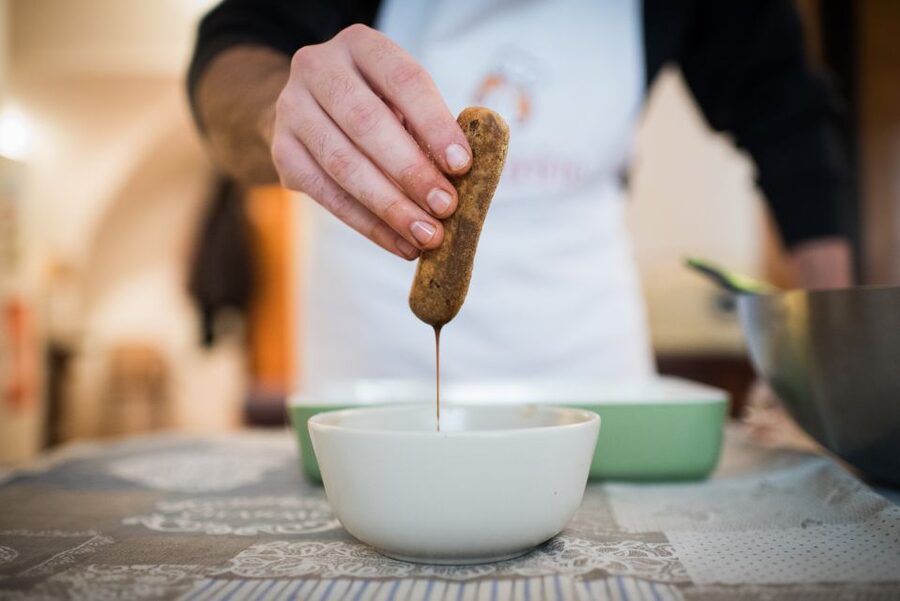
Next comes the iconic tiramisu. You’ll learn how to prepare it, and then you’ll taste what you made as part of the included meal.
One detail that pops up in the experience: timing. In one class, the tiramisu was made first so it had time to set, which then let everyone enjoy it at the right moment later. That’s more than a convenience—it’s basic success strategy. Tiramisu tastes better when it’s given the time it needs, and learning that rhythm is part of why these classes are fun.
You also get to see how home cooks think. Some hosts steer the process with warmth and humor. Maurizio, for instance, ended with a playful touch by writing a song, which shows the kind of atmosphere you can expect: learning, yes, but not stiff.
What’s included—and where the price feels fair
The price is $112.15 per person for a 3-hour session. That’s not cheap, so I look for what’s doing the heavy lifting.
Here’s what you actually get included:
- Italian aperitivo with prosecco and nibbles
- Drinks like water, wines, and coffee
- Local taxes
- Pasta (2 iconic pasta types) and tiramisu
- Tasting of what you make
That mix is where the value comes from. Many cooking classes focus on one dish or don’t include much to drink. Here, you’re covering a full pasta-and-dessert experience plus aperitivo, and you’re doing it in a private home with a local host.
Also, the group experience tends to feel less like a class and more like a shared meal. That’s harder to quantify, but it’s why hosts like Angela and hosts like Laura get such strong praise for atmosphere and guidance.
Language and teaching style: Italian and English support
The instructor works in Italian and English, which is ideal if your Italian is limited. You can follow steps, ask questions, and still enjoy the conversation.
Look for hosts who explain as they go—someone like Maurizio, who was described as knowledgeable and kind with great humor, tends to keep the room comfortable while you learn. In a home kitchen, good teaching style matters more than fancy equipment.
The home setting logistics: privacy, comfort, and timing
This experience is held in a local’s home, and for privacy reasons you only receive the full address after booking. You’ll be given your host details, including telephone and the full address, once everything is confirmed.
That affects you in a simple way: plan to be on time, and double-check your messages after you book. Home classes run on the host’s schedule, not on a big public building’s cadence.
Timing-wise, it’s about 3 hours, and it ends back at the meeting point. So it’s a good fit when you want one focused food experience without turning the day into a full itinerary project.
Comfort note: the class is not suitable for wheelchair users, so if mobility is a factor, you’ll want to choose something else.
Who this class is best for (and who should skip)
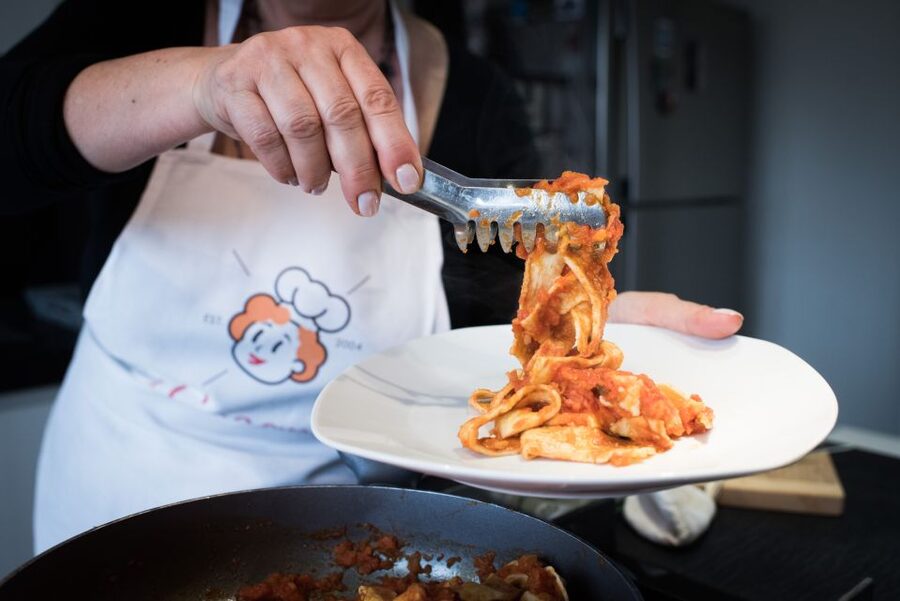
This class is a strong match if you:
- love Italian food and want to make pasta yourself
- enjoy conversation while cooking
- want a hands-on experience that ends with a meal (not just tasting bites)
- like the idea of learning from a local home cook, not a restaurant demo
It can also be a great occasion-type activity. One booking was for a birthday present, and the vibe was described as relaxed and conversational—exactly what you want if you’re celebrating without turning it into a formal dinner.
If you’re someone who needs full accessibility accommodations, skip this one because it’s not suitable for wheelchair users. If you hate cooking with your hands or you need a very fast, click-through schedule, you might also find it too hands-on.
Should you book this Catania pasta and tiramisu class?
If your goal is an authentic food experience in Sicily, I’d book it. The learning-to-eat ratio is strong: you roll pasta dough, make two pasta types, then prepare and enjoy tiramisu—plus you start with aperitivo and drink included.
Book it especially if you want take-home confidence, not just a one-time meal. The core skill—rolling fresh pasta—changes how you approach Italian cooking afterward.
Skip it only if accessibility is a dealbreaker or if you’re looking for a casual sightseeing tour. This is a kitchen experience first, Catania vibes second.
FAQ
Where is the class held?
It’s held in a local home in Catania. For privacy, you receive the full address only after you book, and you’ll get your host details (including telephone) once the information is confirmed.
How long does the cooking class last?
The duration is 3 hours.
What will I make during the class?
You’ll learn to roll fresh pasta sfoglia by hand, make 2 iconic pasta types from scratch, and prepare the iconic tiramisu.
What drinks are included?
You’ll have beverages including water, wines, and coffee, plus an Italian aperitivo with prosecco and nibbles.
Is the class taught in English?
Yes. The instructor teaches in Italian and English.
Is the experience suitable for wheelchair users?
No, it’s not suitable for wheelchair users.
Can I get a refund if my plans change?
Yes. Free cancellation is available up to 24 hours in advance for a full refund.