REVIEW · CHIANG MAI
Chiang Mai: Traditional Thai-Akha Cooking Class& Market Tour
Book on GetYourGuide →Operated by Manta Marina Co.,Ldt. · Bookable on GetYourGuide
Two ingredients can change everything in Chiang Mai. This Thai-Akha class at Thai Akha Kitchen turns a market morning into a full cooking lesson, with teachers like An who bring the flavors of Northern hill-tribe Akha food to your cutting board.
I really like two things: you start by choosing ingredients on a local market tour, then you cook a big menu with clear guidance. I also like that the class leans into the Akha approach—fresh, health-minded, and ingredient-first—while still delivering classic Thai dishes you’ll recognize.
One consideration: you’ll be cooking a lot over 5–6 hours (up to 10 dishes), so if you prefer slow, laid-back classes, this one may feel like a food-focused sprint.
In This Review
- Key points to know before you go
- Thai-Akha flavors start with a real market morning
- Pickup, timing, and what 5–6 hours really feels like
- The market tour: your shortcut to better Thai food
- Thai Akha Kitchen: where the cooking actually happens
- The full menu: exactly what you’ll cook (up to 10 dishes)
- Appetizers (2)
- Desserts (2)
- Akha dishes (3)
- Curry and paste choice (1 of 4)
- Thai soup choice (1 of 3)
- Stir-fried dish choice (1 of 4)
- How the class teaches flavor control, not just recipes
- Spice, pacing, and leaving with a full belly
- Take-home materials: recipes, cookbooks, and spices
- Value check: is $41 worth it in Chiang Mai?
- Who should book this Akha Thai cooking class
- Should you book this Chiang Mai cooking class?
- FAQ
- What’s the duration of the Chiang Mai Thai-Akha cooking class and market tour?
- What’s included in the price?
- What dishes will I cook?
- What language will the instructor teach in?
- Are the dishes suitable if I have allergies?
- Do I get pickup from my hotel?
- Can I cancel for a refund?
Key points to know before you go
- Hotel pickup means you can show up ready to cook, not stuck figuring out transport.
- Market tour + market tasting helps you understand why the same dish tastes different with better produce and herbs.
- Akha dishes are not an afterthought: you’ll cook tomato dipping sauce, an Akha-style salad, and Akha soup.
- You cook a full menu: appetizers, desserts, curry/paste, soup, and a stir-fry/Pad Thai choice.
- English/Thai instructors keep the hands-on steps understandable and practical.
Thai-Akha flavors start with a real market morning
Chiang Mai is one of those places where food lessons make sense, because the ingredients are right there. This experience uses that advantage. You begin with a market tour before you touch the stove, so the cooking doesn’t feel like random recipe homework.
What’s special here is the Akha angle. Akha people migrated to Thailand in the early 1900s and developed distinct culinary habits in the mountains—centered on freshness and sustainable, practical cooking. In the kitchen, that shows up in how ingredients are treated: herbs, lime, peanuts, tomatoes, and sour-salty balance aren’t “extras.” They’re the core method.
If you’re the kind of person who wants to understand why Thai food tastes the way it does, you’ll probably enjoy how the market step links directly to what you cook later.
You can also read our reviews of more tours and experiences in Chiang Mai.
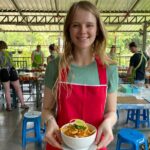
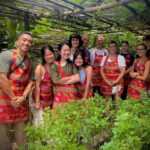
Pickup, timing, and what 5–6 hours really feels like

This class runs about 5–6 hours and includes pick up from your Chiang Mai hotel. That matters more than you’d think. When you’re spending the afternoon cutting herbs and cooking multiple dishes, you don’t want to waste time getting across town.
Starting times vary based on availability, so you can often choose a morning or an evening slot. Either way, you should plan for a full, active schedule. This isn’t a quick sampler class. It’s built like a menu-building workshop, which is why people come out with a lot more than one dish and a vague sense of Thai flavors.
Practical note: wear comfortable clothes and shoes you can stand in. You’ll likely move between the market area, a learning table, and the cooking station without much downtime.
The market tour: your shortcut to better Thai food
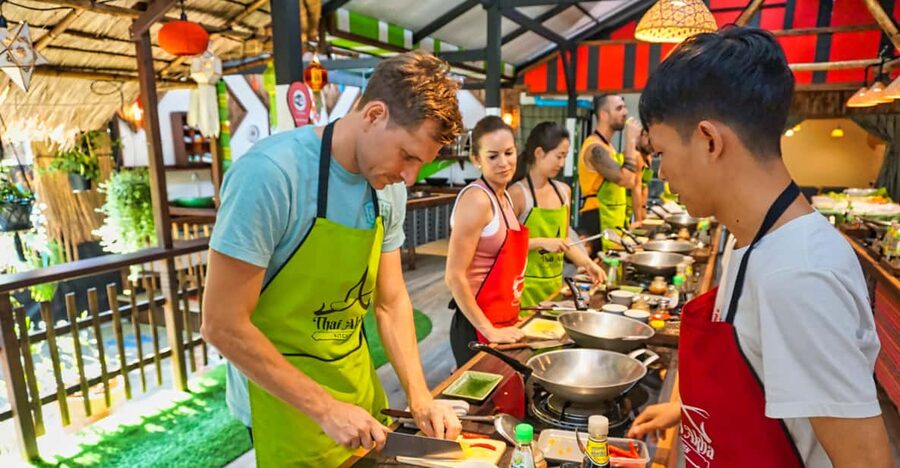
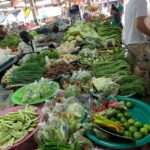
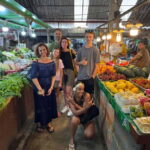
The market portion is one of the smartest parts of the day. When you see ingredients in the places they’re sold and prepared, you start noticing the tiny details that change a dish: how fresh herbs look, how fragrant sauces smell, and what “ripe” actually means in local terms.
During the tour, you’ll be exposed to Thai cooking ingredients in a way that’s hard to replicate from a cookbook. You’re not just browsing—you’re learning what to look for and why it matters once you start cooking.
A big upside: this kind of market grounding makes your later menu choices feel logical. When you chop mango for sticky rice or build a salad with tomatoes, cucumber, coriander, pepper, lime, salt, and ground peanuts, you’ll understand why that balance works.
Thai Akha Kitchen: where the cooking actually happens
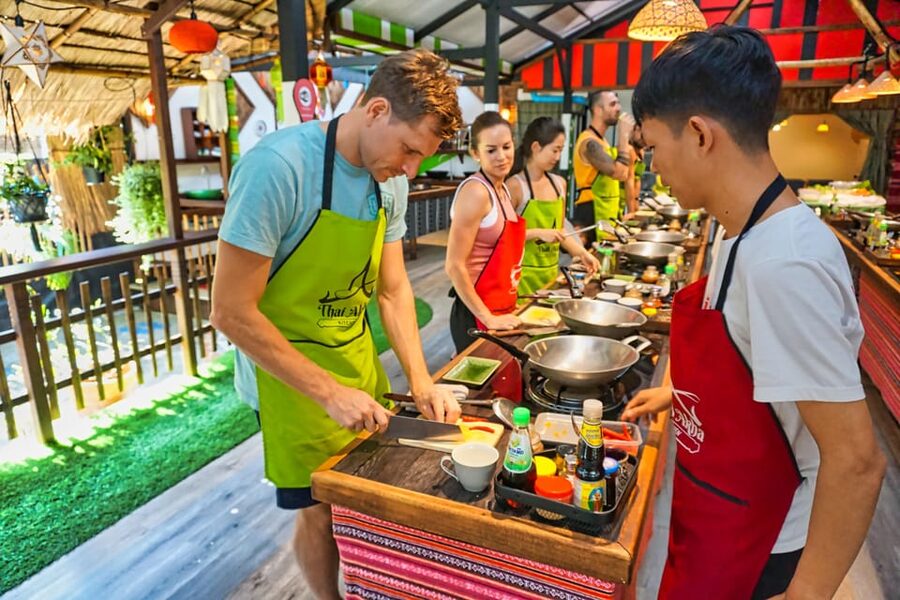
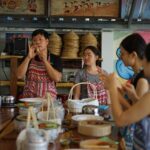
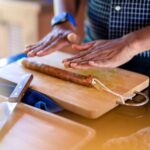
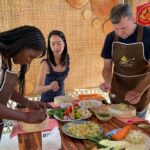
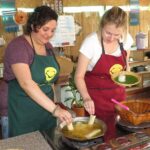
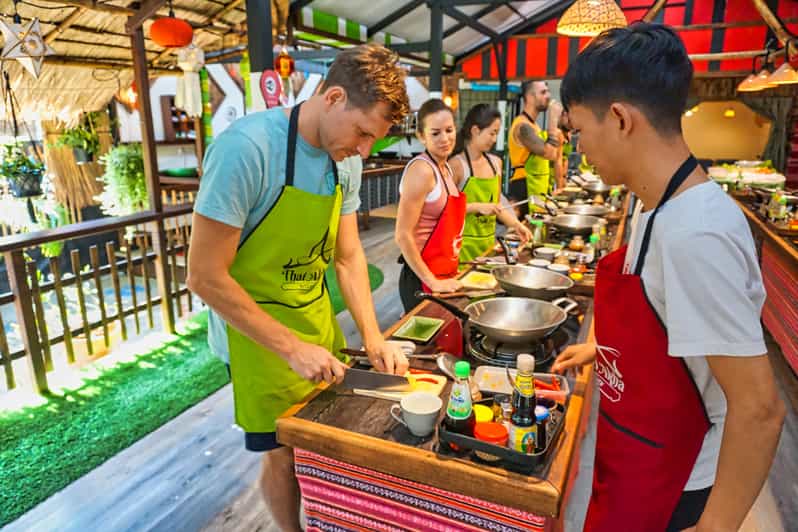
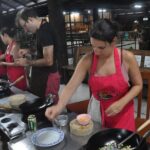
The main cooking takes place at Thai Akha Kitchen, where the style is hands-on and table-guided. The instructors (English and Thai) teach the steps you need while you’re working, so you’re not just watching from the sidelines.
I like that the teaching style is flexible. One key theme from teacher-led classes is adjusting to your preferences, especially spice level. If you’re sensitive to chili, tell your instructor early and you’ll likely get guidance on how to tame heat without losing flavor.
You’ll also get the built-in structure that makes cooking 10 dishes manageable. Even if you’ve cooked before, the format helps you understand the sequence: what needs the most time, what can be done while something else simmers, and when to prep herbs and sauces.
The full menu: exactly what you’ll cook (up to 10 dishes)
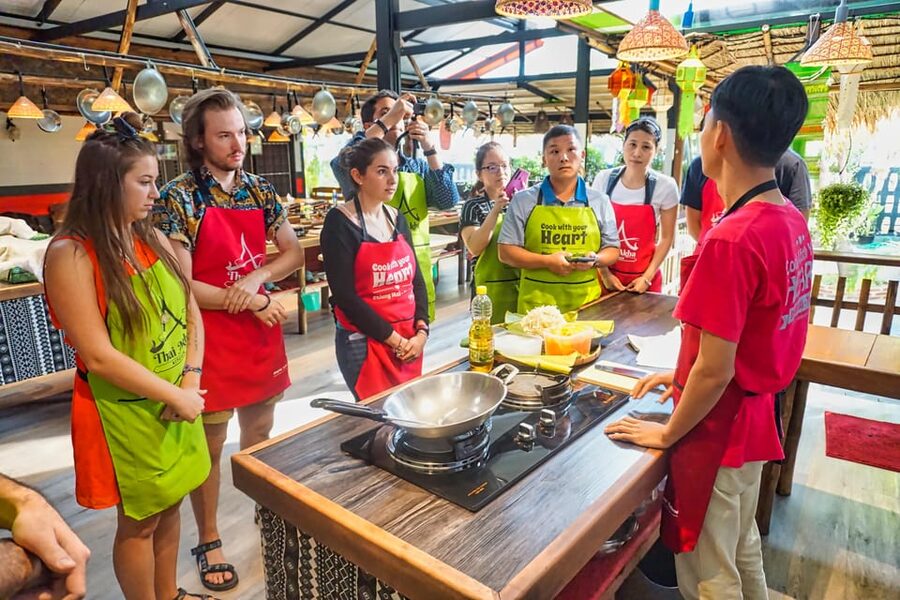
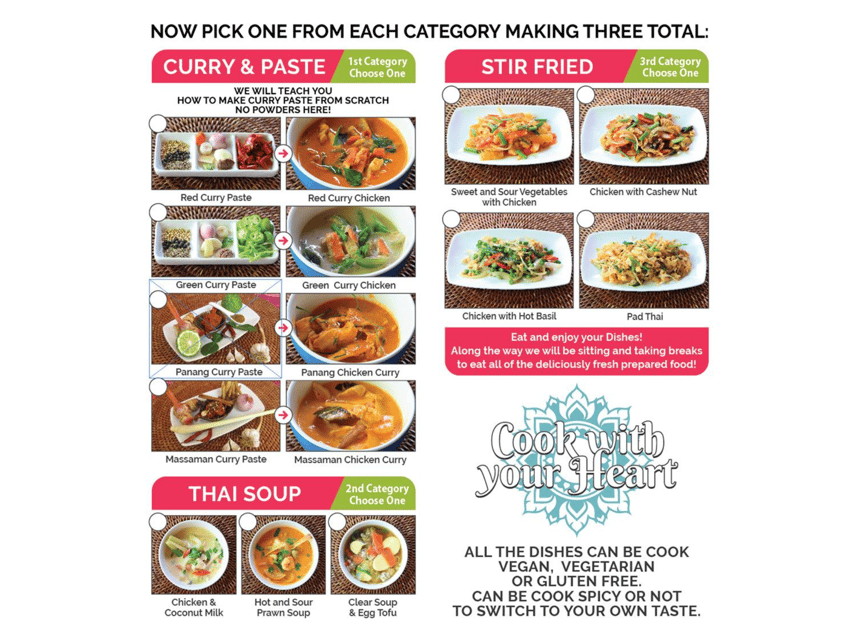
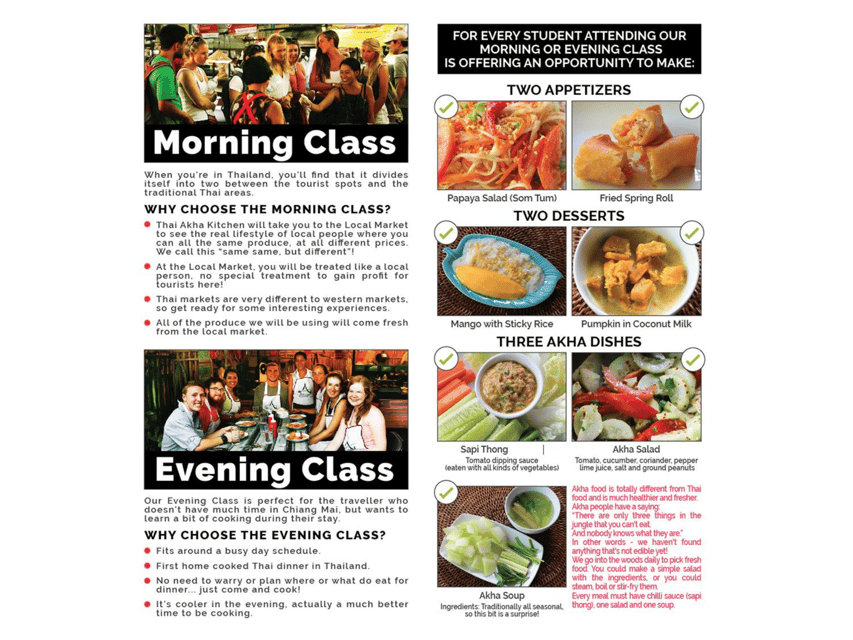
This class follows a clear menu structure. You’ll make appetizers, desserts, Akha dishes, then choose your curry/paste, Thai soup, and stir-fry/extra dish.
Here’s the lineup:

Appetizers (2)
- Papaya salad
- Fried spring roll
Papaya salad is a great “foundation dish” because it teaches sour-salty-sweet balance. Fried spring rolls help you understand textures and filling flavor.
Desserts (2)
- Mango with sticky rice
- Pumpkin in coconut milk
These desserts aren’t just sweet endings. They teach the Thai dessert logic: mango’s bright fruitiness paired with the creamy coconut base in the other dessert, so you experience two different types of sweetness and mouthfeel.
Akha dishes (3)
- Sapi Thong (tomato dipping sauce)
- Akha salad (tomato, cucumber, coriander, pepper, lime juice, salt, and ground peanuts)
- Akha soup
This is the heart of the experience. The Akha salad recipe is built around fresh crunch and citrus punch, with peanuts adding a grounding, nutty thickness. And the tomato dipping sauce is the kind of “small thing” that can transform a meal into something more personal.
Curry and paste choice (1 of 4)
Choose one:
- Red Curry Chicken
- Green Curry Chicken
- Panang Chicken Curry
- Massaman Chicken Curry
This is where Thai cooking range shows up. Red, green, and panang tend to feel different in aroma and balance, while Massaman often brings a warmer, deeper profile. You’ll get hands-on experience making your chosen curry style work.
Thai soup choice (1 of 3)
Choose one:
- Chicken and coconut milk
- Hot and sour prawn soup
- Clear soup with egg tofu
Soups are a great way to learn Thai flavor timing: how to build sourness, how to keep broth clear and balanced, and how coconut changes depth.
Stir-fried dish choice (1 of 4)
Choose one:
- Sweet and sour vegetables and chicken
- Chicken with hot basil
- Chicken with cashew nut
- Pad Thai
This final segment often feels like the fun payoff: you’re working fast, tasting as you go, and getting that “street-food comfort” feeling—especially if you pick Pad Thai.
How the class teaches flavor control, not just recipes
A cooking class can either be a list of steps or a lesson in how flavors interact. This one leans toward the second.
You’ll likely notice several repeated principles:
- Acid does work. Lime shows up in the Akha salad, and you’ll feel how it changes flavor from flat to sharp.
- Fresh herbs aren’t garnish. Coriander and aromatics in Thai cooking are doing real balancing.
- Peanuts show up for texture and depth. Ground peanuts in the Akha salad bring a nutty thickness that makes the dish more satisfying.
- Chili is adjustable. If your instructor is guiding you like a good teacher, they’ll help you tune heat to your comfort level while keeping the dish recognizable.
The result is that you don’t just leave with dishes. You leave with a method for thinking about flavors.
Spice, pacing, and leaving with a full belly
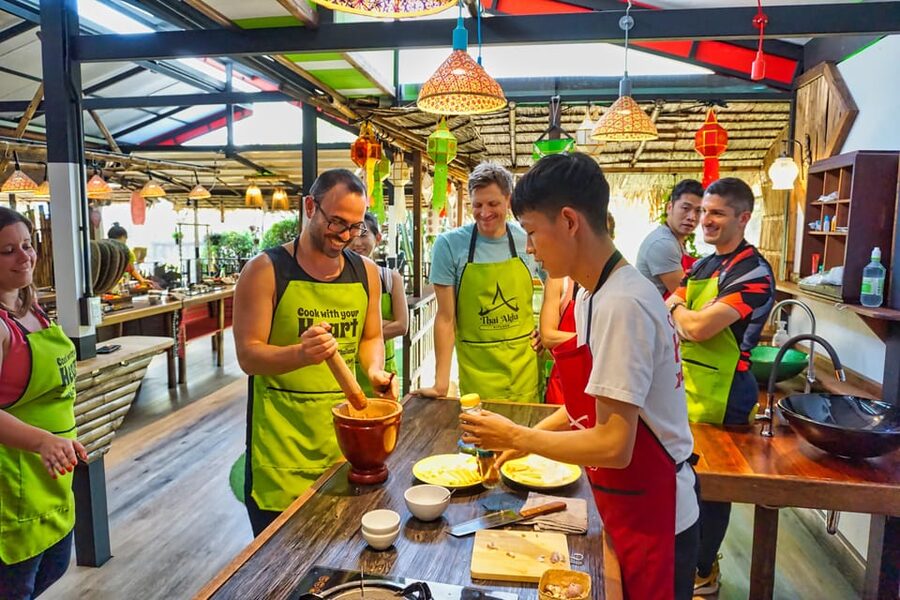
Because the menu is large, the pace has to be efficient. That’s where a good teacher helps. People describe the instruction as friendly, funny, and practical, and they highlight how smoothly the steps move from one dish to the next.
Here’s the realistic expectation: you won’t do just one recipe slowly. You’ll move through a sequence, tasting and adjusting. If you’ve ever started cooking with enthusiasm and then stalled halfway, this format usually prevents that. It gives you structure.
Also, you’ll likely appreciate how the recipes can be adjusted. If you want less heat, you can ask for modifications. This is especially important for dishes like curry and hot basil, where chili can dominate if you’re not careful.
By the end, you should plan to eat well. Expect that “I cooked all day, now I’m done thinking” feeling.
Take-home materials: recipes, cookbooks, and spices
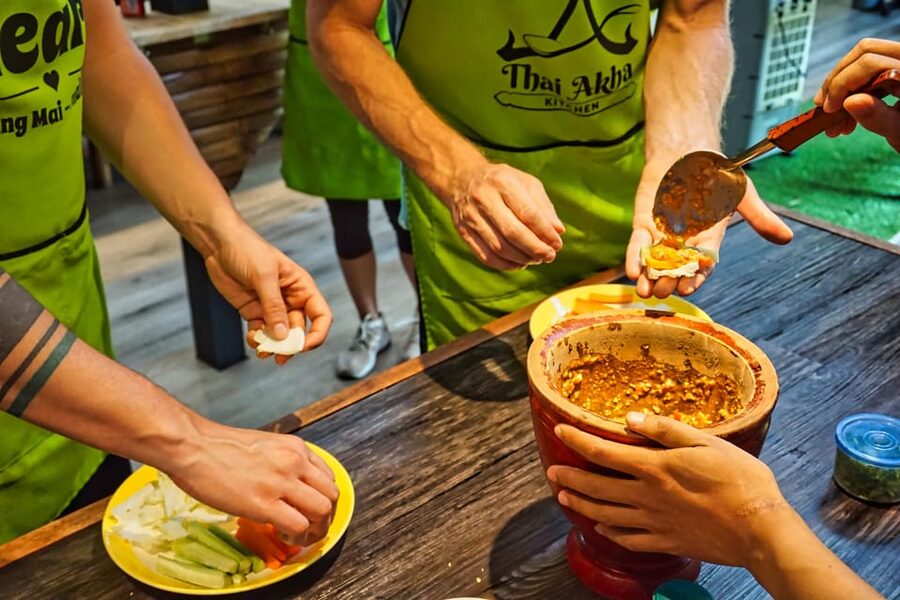
One of the best parts of any cooking class is what you can repeat later. This experience includes a recipe, a cookbook, and organic ingredients for the session.
People also mention getting spices and a tastable package of take-home items. Even if your class experience varies slightly, the key point is that you’re not leaving empty-handed. You’ll have written guidance and ingredient context, so recreating the flavors at home is realistic.
Practical tip: take a quick photo of the finished setups while everything is fresh. When you’re making it again later, those visuals help you remember how thick a curry should be, what the salad should look like, and how the soup should taste before you add the final seasoning.
Value check: is $41 worth it in Chiang Mai?
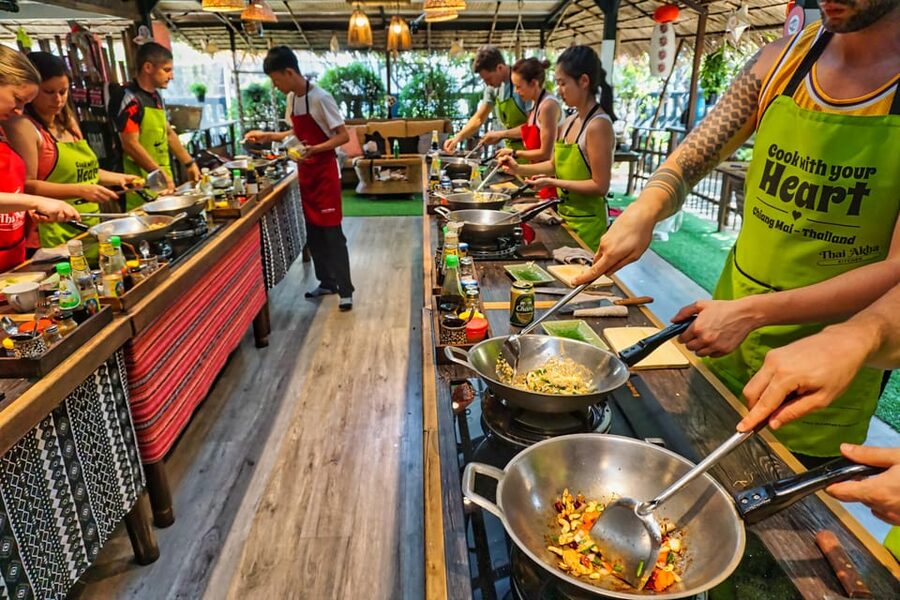
At about $41 per person for 5–6 hours, this can be strong value—especially because it includes more than a single dish lesson.
You’re getting:
- a local market tour
- a hands-on cooking session
- pickup from your Chiang Mai hotel
- recipe and cookbook
- organic ingredients
When you put those pieces together, it’s not just paying for cooking time. You’re paying for the full arc: ingredient selection, guided cooking, and take-home materials. If you enjoy food-focused travel, that’s where the price tends to feel fair.
It’s less ideal if you only want a small taste or you hate spending hours in active meal prep. The menu is full, and the pacing reflects that.
Who should book this Akha Thai cooking class
I’d point you toward this experience if:
- you want Thai food to make sense through ingredients, not just instructions
- you’re curious about Akha-influenced dishes like Sapi Thong and the Akha salad
- you like classes where you cook multiple dishes, not one “demo” meal
- you want a guided day that also saves you time with hotel pickup
I’d think twice if:
- you prefer quiet, low-effort activities
- you’re avoiding chili entirely (you can often adjust, but the menu still includes spicy-prone curries and basil dishes)
- you’re short on time and want a quick half-day snack only
Should you book this Chiang Mai cooking class?
Book it if you want a food day that connects market ingredients to real cooking results, and if you’re excited by the Akha side of Northern Thai flavor. The biggest wins are the market-to-kitchen link, the full menu you cook, and the teacher energy—including instructors like An, Xuan, and Evelyn who bring humor and helpful guidance.
Don’t book it if you’re looking for a light activity. This is a serious cooking schedule with lots of dishes in one sitting.
If you match the vibe—hungry, curious, and ready to cook—this is the kind of Chiang Mai experience that pays you back every time you cook Thai food again.
FAQ
What’s the duration of the Chiang Mai Thai-Akha cooking class and market tour?
The experience lasts about 5–6 hours.
What’s included in the price?
It includes the cooking session, the local market tour, recipe materials, a cookbook, organic ingredients, and hotel pickup from Chiang Mai.
What dishes will I cook?
You’ll cook appetizers (papaya salad and fried spring roll), desserts (mango with sticky rice and pumpkin in coconut milk), Akha dishes (Sapi Thong tomato dipping sauce, Akha salad, and Akha soup), plus 1 curry choice, 1 soup choice, and 1 stir-fry/Pad Thai choice.
What language will the instructor teach in?
The instructor speaks English and Thai.
Are the dishes suitable if I have allergies?
You should inform the provider in advance about any food allergies via email or WhatsApp.
Do I get pickup from my hotel?
Yes, pickup service is included from Chiang Mai hotels.
Can I cancel for a refund?
You can cancel up to 24 hours in advance for a full refund.