REVIEW · CHIANG MAI
Chiang Mai: Ethical Elephant Sanctuary & Thai Cooking Class
Book on GetYourGuide →Operated by Joy Elephant Sanctuary · Bookable on GetYourGuide
That first step into the jungle feels strangely calming. This day ties together ethical elephant observation with a fun, hands-on Thai cooking class and a few culture stops that make it more than a checklist tour. I especially like the way the day has real variety: you cook, you learn, and then you slow down with elephants nearby.
If you’re hoping for a calm, low-footstep day, there’s one catch: the program isn’t wheelchair-friendly, and you’ll want to be ready for walking and some wet, outdoor conditions near the sanctuary. Bringing the right gear (comfortable shoes, swimwear, insect repellent) matters more than you’d think.
In This Review
- Key highlights you’ll actually care about
- A full day that swaps performance for observation
- Pickup in Chiang Mai Old City, then straight to real ingredients
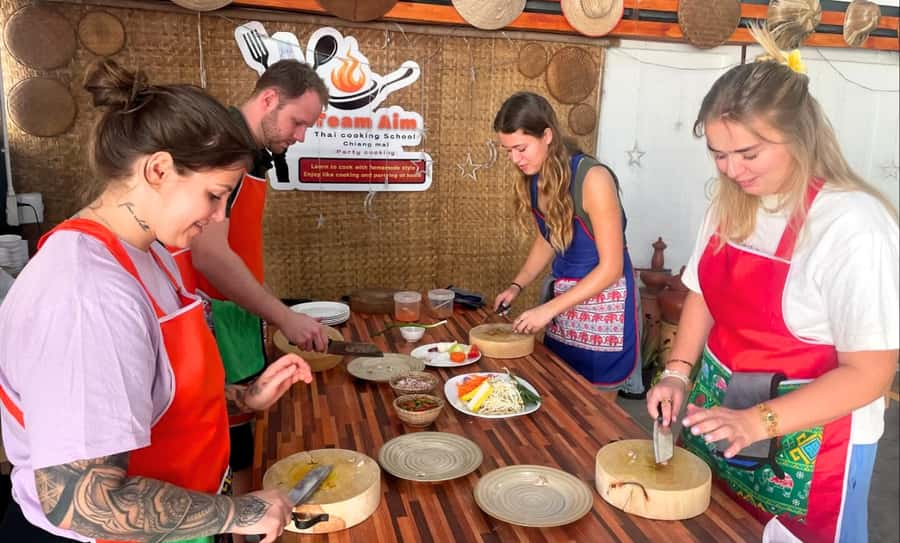
- Lunch turns into a hands-on Thai cooking class with Aim
- Mae Wang District: tea breaks, a walk, and cultural crafting
- Joy Elephant Sanctuary: Karen clothing, feeding, and behavior watching
- Waterfall time and herbal tea: the reset you didn’t know you needed
- Price and value: why $88 can be a fair deal for this day
- What to pack for a day with cooking and elephants
- Who should book this Chiang Mai combo (and who should think twice)
- Should you book it?
- FAQ
- What’s the duration of the Chiang Mai experience?
- Is pickup included, and from where?
- What’s included in the cooking class?
- Are there options for vegan or vegetarian diets?
- What elephant activities are part of the sanctuary visit?
- What should I bring?
- Is the tour suitable for children or wheelchair users?
Key highlights you’ll actually care about
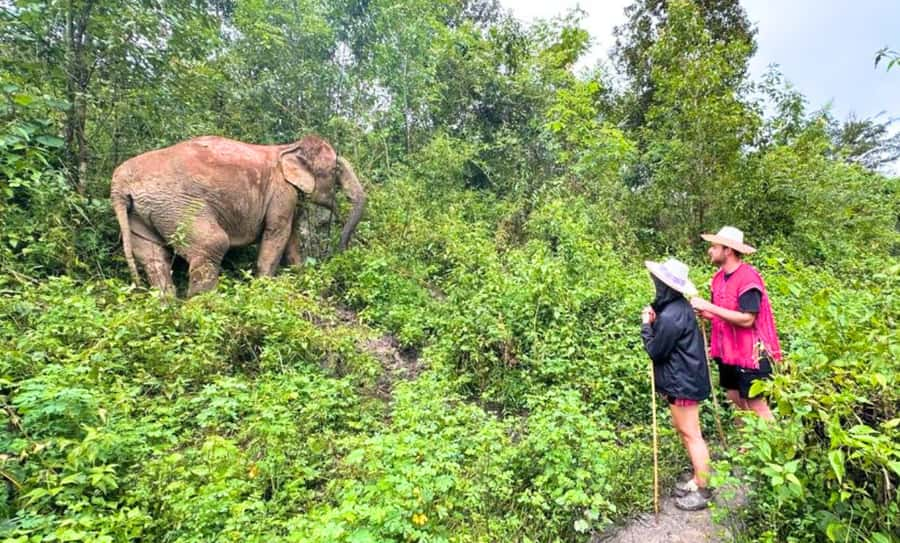
- Ethical elephant observation with feeding and behavior learning at Joy Elephant Sanctuary
- Hands-on Thai cooking class with instructor Aim, plus vegan and vegetarian options
- Food market stop in Muang Chiang Mai to connect ingredients to what you cook
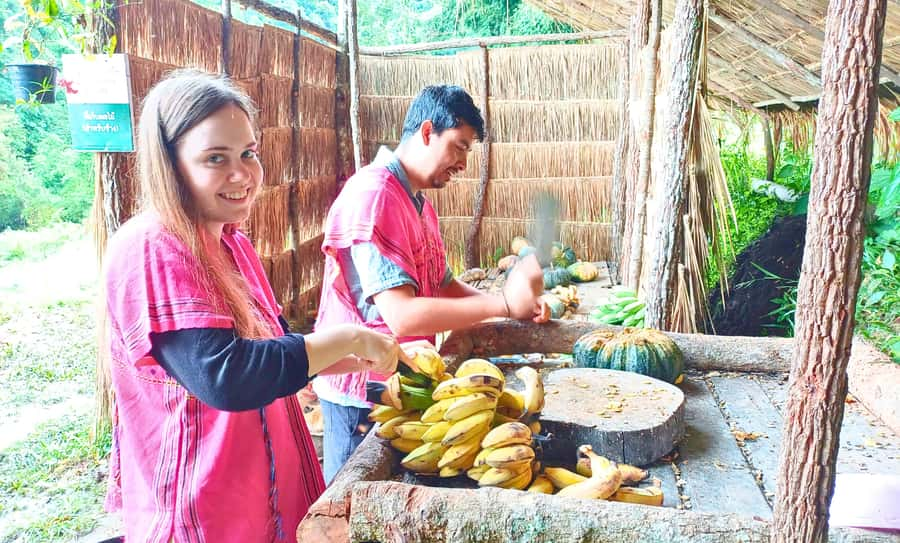
- Karen culture moments like changing into traditional Karen clothing and preparing elephant food
- Water-and-jungle break with tea while elephants move nearby
- You craft a Thai handmade souvenir as a take-home memory
A full day that swaps performance for observation
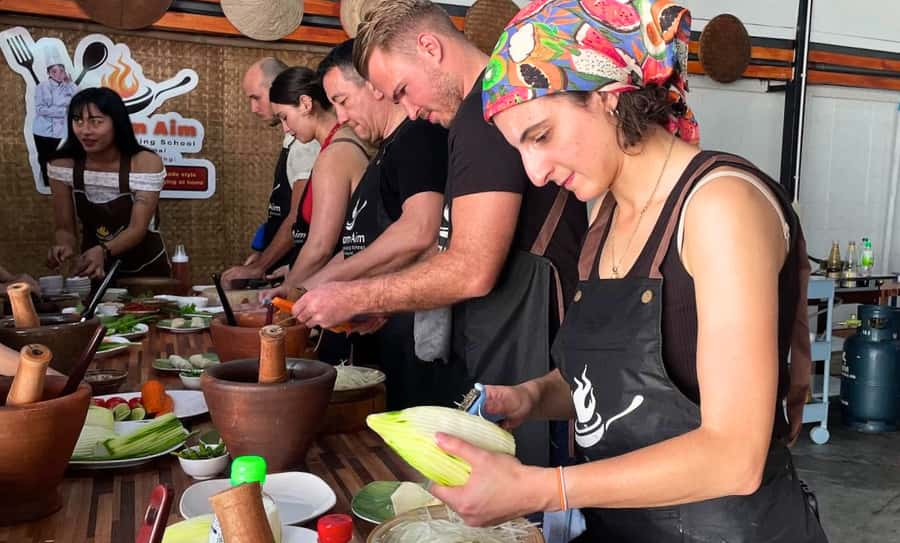
This is an 11-hour Chiang Mai experience built around a simple idea: you get to meet elephants through care and observation, not a show. The elephant part happens at Joy Elephant Sanctuary, and the day is designed so you’re not just watching from a distance. You also get hands-on participation like preparing elephant food, then feeding them and watching their behavior.
The cooking side is a big deal too. You’re not just tasting Thai food; you’re learning to make it with fresh local ingredients and you’ll get e-book recipes so you can try again at home. With options for vegan and vegetarian cooking, you’re not squeezed into one format.
The schedule has a natural rhythm: market and lunch early on, elephants in the middle, then a quieter reset with tea near the waterfall area. If you like days that feel like Thailand rather than a trade show of attractions, this pacing works.
You can also read our reviews of more tours and experiences in Chiang Mai.
Pickup in Chiang Mai Old City, then straight to real ingredients
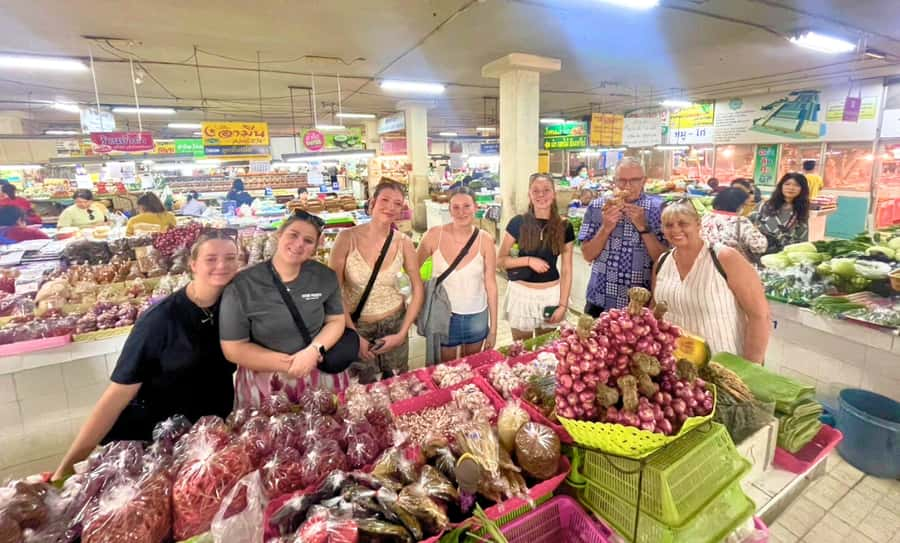
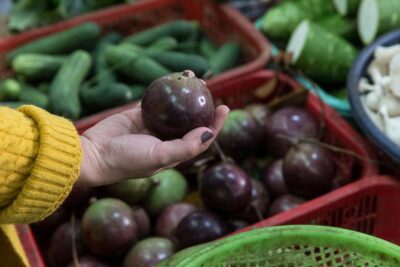
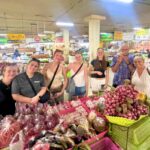
The day starts with round-trip pickup for accommodations within a 5km radius of Chiang Mai’s Old City. After a short van ride, you head to a Muang Chiang Mai food market for about 30 minutes. This isn’t treated like a long shopping tour. It’s more like a quick ingredient jump-start so your cooking class later makes sense.
Even in a short market stop, you’ll feel the difference between Thai cooking as a concept and Thai cooking as real produce, real herbs, and real flavor combos. It’s also a good time to get your bearings before you start cooking and move into the more natural, jungle-side parts of the day.
One practical note: you’re traveling in a 12-seater air-conditioned van, which helps keep the day comfortable even when you’re out and about. You’ll later switch vehicles for the last stretch to the sanctuary.
Lunch turns into a hands-on Thai cooking class with Aim
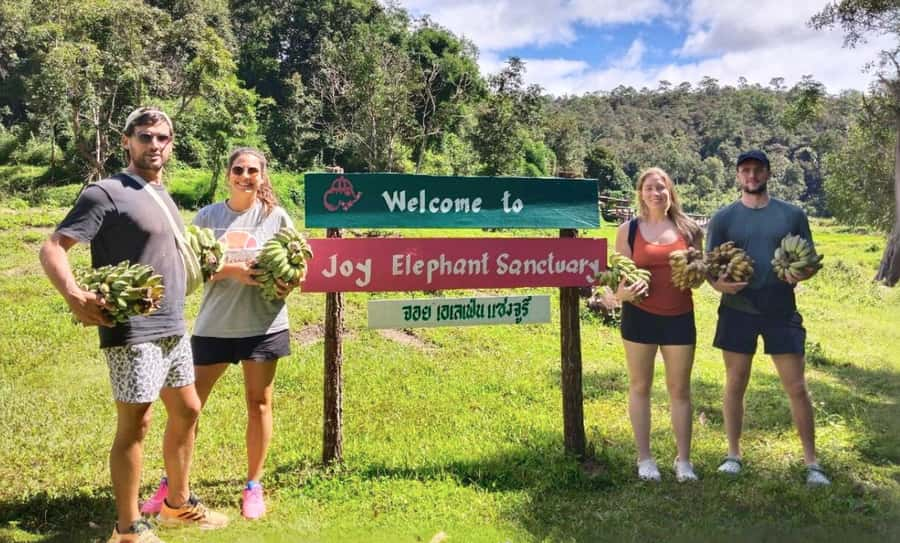
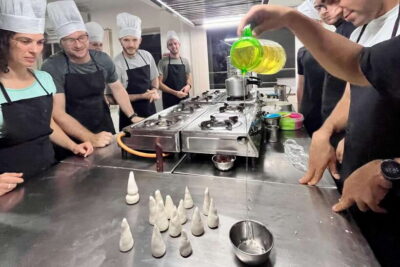
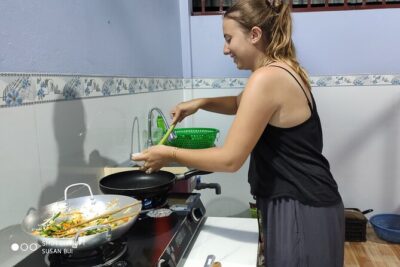
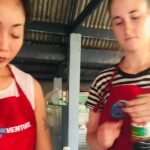
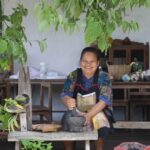
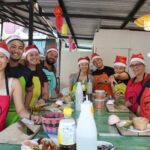
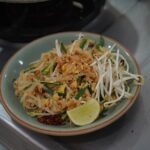
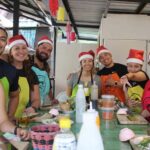
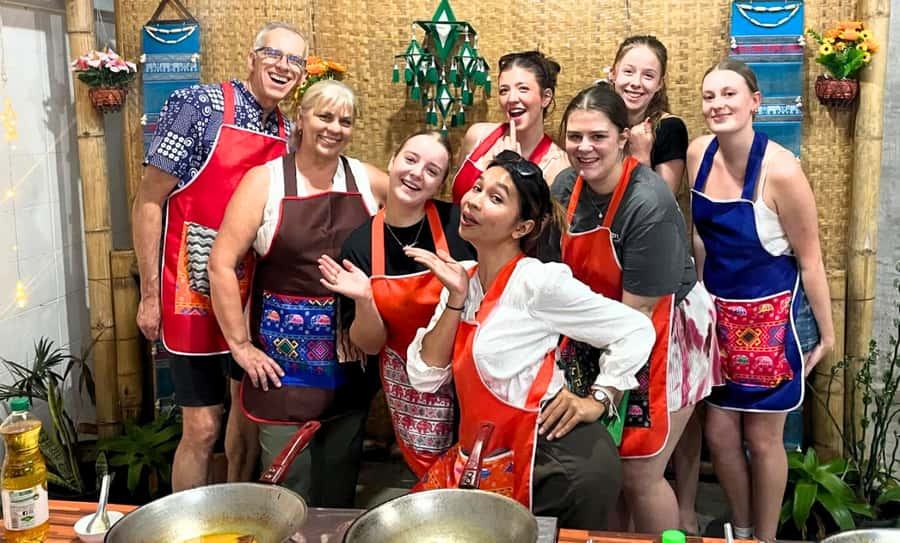
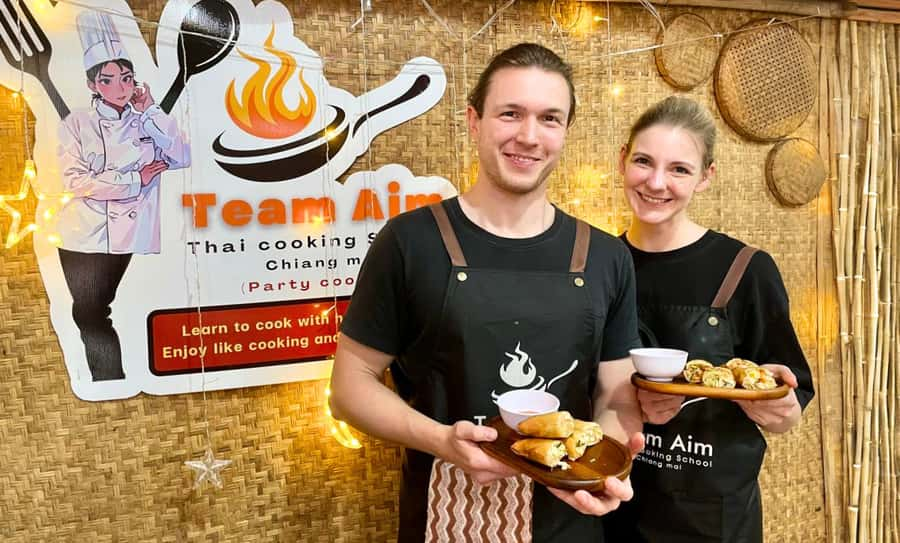
The heart of the food portion is a cooking class that lasts around 3 hours, after a lunch stop. You’ll cook authentic Thai dishes using fresh, local ingredients, and you’ll have the option to choose vegan or vegetarian versions where offered.
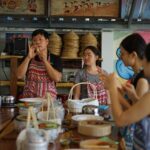
The biggest win here is how interactive it is. Aim is described as super fun, and the class gives you choices across several courses. That matters because Thai cooking can feel either intimidating or rigid, depending on the format. A class that lets you make decisions helps you actually remember what you did, and why it worked.
You’ll also get all the ingredients needed for the class, plus E-book recipes afterward. This is the part that turns the experience from something you enjoyed that day into something you can repeat back home. Even if you cook Thai food occasionally, having a clear written recipe set is usually what separates success from mystery.
If you’re a food lover, you’ll also appreciate how the market stop beforehand connects directly to what you’re chopping and cooking. You’re not just learning technique; you’re learning ingredient logic.
Mae Wang District: tea breaks, a walk, and cultural crafting
After lunch and the cooking class, the van ride takes you toward Mae Wang District for about 3 hours. Here you’ll have tea, guided touring, a walk, wildlife viewing, and a workshop.
This section is a good palate cleanser after the kitchen time. You’re moving from flames and cutting boards to a slower tempo where you can actually look around. Wildlife viewing here is part of the guided experience, and the walk helps you see the jungle environment as a living place rather than a backdrop.
The workshop ties in with the cultural side. You’ll craft a Thai cultural handmade souvenir—small enough to bring home, personal enough that it won’t feel like a generic souvenir photo. It’s one of those low-pressure activities that still feels meaningful.
Practical reality: this segment is outdoors. You’ll want comfortable shoes and bug protection. The day gives you a towel later, but you should still plan like you might get dusty or sweaty during the walk.
Joy Elephant Sanctuary: Karen clothing, feeding, and behavior watching
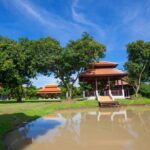
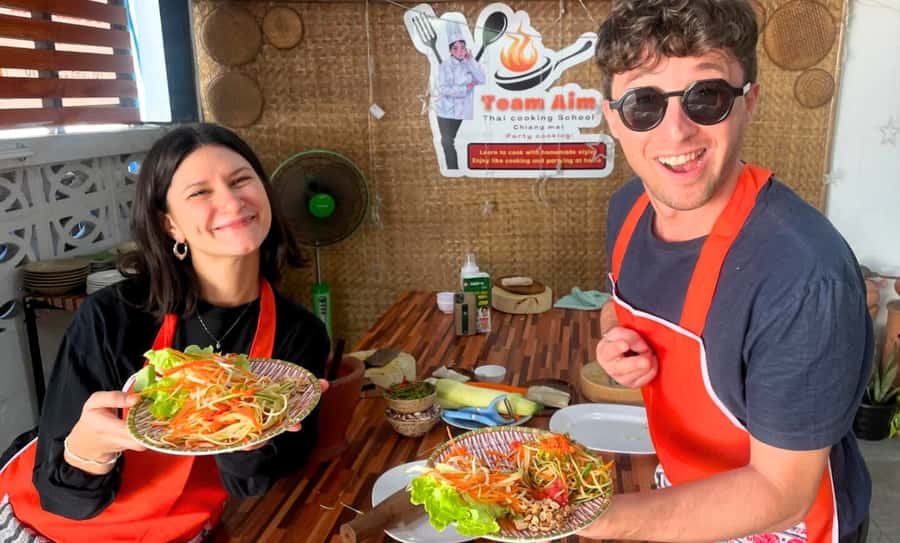
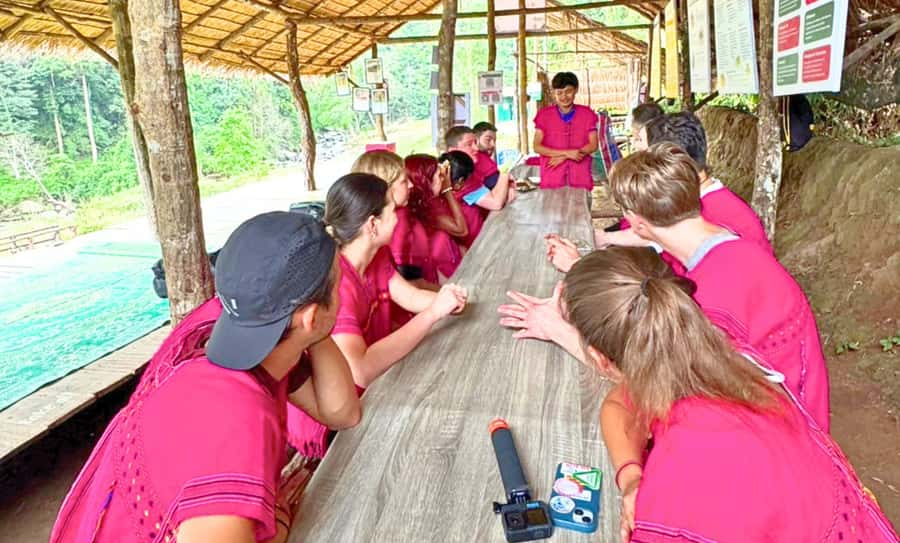
Then comes the main event: Joy Elephant Sanctuary. The setting is described as a serene jungle area near a peaceful waterfall, where elephants roam and forage. The program focuses on observation and care, and you get guidance on what to look for in elephant behavior.
A standout detail is the chance to dress in traditional Karen clothing. It’s not framed as a costumed photo moment. You’ll also take part in feeding-related activities like preparing food for the elephants before you feed them.
Feeding is one of the most memorable parts of the day, but it works best when paired with observation. You’re not just throwing snacks and moving on. You’re encouraged to watch how elephants move, how they behave around people, and how they interact with their environment. You may see them walk and forage in the jungle, which changes the emotional tone of the day from excitement to respect.
And yes, the sanctuary experience is specifically described as ethical, which is exactly what you should want when choosing an elephant activity. If you’re cautious about elephants being used as entertainment, this format is the safer-feeling option because it centers on care and learning.
Logistics matter here. The day starts with a van, but for the last 10 minutes to reach the sanctuary you switch to a roofed 4×4 truck. That short transfer is manageable, but it also means you should expect a slightly bumpy ride and plan for outdoor conditions.


Waterfall time and herbal tea: the reset you didn’t know you needed
After the sanctuary activities, you’ll have a break by the waterfall with herbal tea while elephants are observed nearby. This is one of the most underrated parts of the day because it gives you time to process what you just did.
Cooking can be energetic. Elephant feeding can be emotionally intense. A quiet pause with tea is the moment you catch your breath and actually notice the natural rhythm of the place. It’s also a great time to take photos without rushing and without feeling like you’re constantly “on.”
Dinner is included afterward, with about 30 minutes allotted. This helps you avoid that awkward situation where you leave an activity hungry and then spend time searching for food while you’re tired.
Price and value: why $88 can be a fair deal for this day
At $88 per person for an 11-hour experience, you’re paying for more than two separate activities. You’re getting round-trip transfer from within a 5km radius of Old City, entry tickets for both the cooking class and the sanctuary, an English-speaking guide, plus included meals and snacks.
The list of included extras is where the value starts to add up:
- elephant food and snacks (so you don’t pay for that separately)
- cooking ingredients (so the cooking class isn’t a “pay for the food later” trap)
- drinking water and a towel
- insurance included
- vegan/vegetarian accommodation options within the cooking class
- e-book recipes to take home
If you priced these things individually in Chiang Mai, you’d likely spend a similar amount or more once you added transfers, tickets, and the cooking ingredients. The key value point is that the day is structured so each part supports the next: market inputs feed into cooking, and nature time makes the elephant experience feel contextual rather than abrupt.
So if you want one ticket that reliably handles the whole flow from pickup to dinner, this is a strong fit.
What to pack for a day with cooking and elephants
This is one of those tours where your packing list can make or break comfort. The day calls for:
- comfortable shoes (you’ll do walking)
- swimwear and a change of clothes (the sanctuary area and waterfall break can mean you’ll want to freshen up)
- sandals (useful for transition moments)
- sunscreen and insect repellent (outdoor time is guaranteed)
- a basic plan for allergies: bring your own allergy medication if you need it
Also, towel and drinking water are included, which is helpful because you won’t have to guess what you’ll need. On the simple side, that reduces hassle.
One more thing: pets aren’t allowed, and the activity is not suitable for wheelchair users. If you’re traveling with someone who needs wheelchair access, you’ll want to skip this one.
Who should book this Chiang Mai combo (and who should think twice)
This tour fits best if you fall into at least one of these groups:
- You want ethical elephant learning, not a performance.
- You care about food and want to actually cook Thai dishes, not only watch.
- You like cultural touches like Karen clothing and a handmade souvenir.
- You’re okay with an active day that includes outdoor walking and time in nature.
It may feel less ideal if you need a fully seated, low-movement schedule. The walk and wildlife-viewing portion means you should be comfortable on your feet. Kids under 5 aren’t suitable, so plan accordingly if you’re traveling as a family.
If you’ve taken a Thai cooking class before, you’ll still likely enjoy this version because the class is interactive and includes multiple choices across courses. That’s the kind of structure that helps the day feel fresh even if you’ve done Thai cooking once already.
Should you book it?
I’d book this if you want one long day that connects Thai cooking with a respectful elephant sanctuary experience, then lets you unwind with tea near the waterfall. It’s also a good choice if you like tours that handle the logistics for you: transfers, tickets, ingredients, and meals are all built in.
Think twice if you’re traveling with accessibility needs that require wheelchair access, or if you’re not comfortable with outdoor walking and the practical “elephants + jungle” conditions. If you can handle that, this is a well-rounded day with real learning on both sides of the menu.
FAQ
What’s the duration of the Chiang Mai experience?
The tour runs for about 11 hours.
Is pickup included, and from where?
Round-trip transfer is included for accommodations within a 5km radius of Chiang Mai’s Old City. If you’re outside that area, there’s a surcharge.
What’s included in the cooking class?
You’ll get entry to the cooking class, all necessary cooking ingredients, an English-speaking guide, and e-book recipes. Vegan and vegetarian options are available.
Are there options for vegan or vegetarian diets?
Yes. Vegan and vegetarian options are available during the cooking class.
What elephant activities are part of the sanctuary visit?
You’ll observe elephants in their natural habitat area and participate in activities like changing into traditional Karen clothing, preparing food for elephants, feeding them, and watching their behavior, including walking and foraging.
What should I bring?
Bring comfortable shoes, swimwear, change of clothes, sandals, sunscreen, and insect repellent. If you have allergies, bring your own allergy medication.
Is the tour suitable for children or wheelchair users?
It’s not suitable for children under 5 years old and it isn’t suitable for wheelchair users.