REVIEW · KATHMANDU
Kathmandu: Women-Led Cooking Class & Momo Making-Local Taste
Book on GetYourGuide →Operated by Relax Getaways Pvt. Ltd · Bookable on GetYourGuide
Dinner starts with dumplings. This women-led Kathmandu class takes you from market stalls to a modern kitchen, where you make a Nepali meal step by step. I like that it’s hands-on (you cook, not just watch) and that it’s set up for a small group (limited to 8). One heads-up: momo folding takes practice, and if you freeze up, the technique can feel a bit stressful.
You’ll also get something practical that most food stops don’t: a market/shop run where you pick up the ingredients—vegetables, spices, and even meat if your menu includes it—before you cook. Then you’ll sit down with what you made, typically including dal bhat and momo as part of the broader menu options.
The only real drawback is pacing. In a 2–3 hour session, you’ll move quickly from prep to cooking, and you may feel rushed if you’re slow at rolling or folding. Stay relaxed, ask questions in English, and you’ll be fine.
In This Review
- Key Reasons This Class Works So Well
- A Women-Led Market-to-Kitchen Food Lesson in Kathmandu
- How the Class Flows in 2–3 Hours
- Market Time: Buying Vegetables, Spices, and Meat Like a Local
- The Menu Choices: From Dal Bhat and Momo to Newari Favorites
- Menu 1: Bara / Dal Bhat / Yomari
- Menu 2: Chatamari / Momo / Kheer
- Menu 3: Aloo Chop / Thukpa / Carrot Halwa
- Cooking Techniques You’ll Actually Use at Home
- What It Tastes Like When You Sit Down
- Price and Value: Why $11 Feels Fair
- Who This Workshop Suits Best
- A Few Smart Tips Before You Go
- Should You Book This Kathmandu Women-Led Cooking Class?
- FAQ
- What dishes will I cook in this Kathmandu class?
- How long does the cooking class take?
- Is the class taught in English?
- Is there a market/shop tour included?
- What’s included in the price?
- Is the group size small?
Key Reasons This Class Works So Well
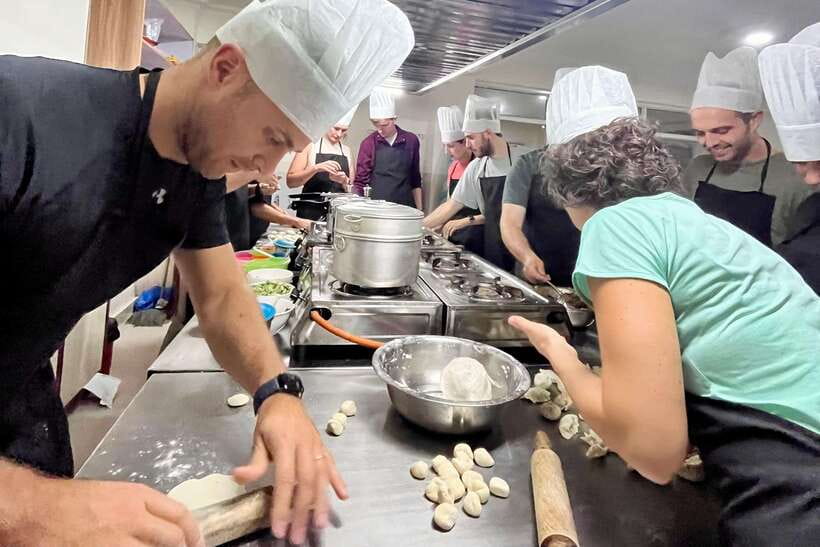
- Market/shop tour first so the flavors make sense when you start cooking
- Small group format (up to 8) for more hands-on help while you cook
- Three menu sets with vegetarian and meat options, so you can pick what you like
- Hands-on momo practice plus classic Nepali comfort food like dal bhat
- Nepali masala tea + tasting the meal you made, so it ends as a real meal, not a snack
A Women-Led Market-to-Kitchen Food Lesson in Kathmandu
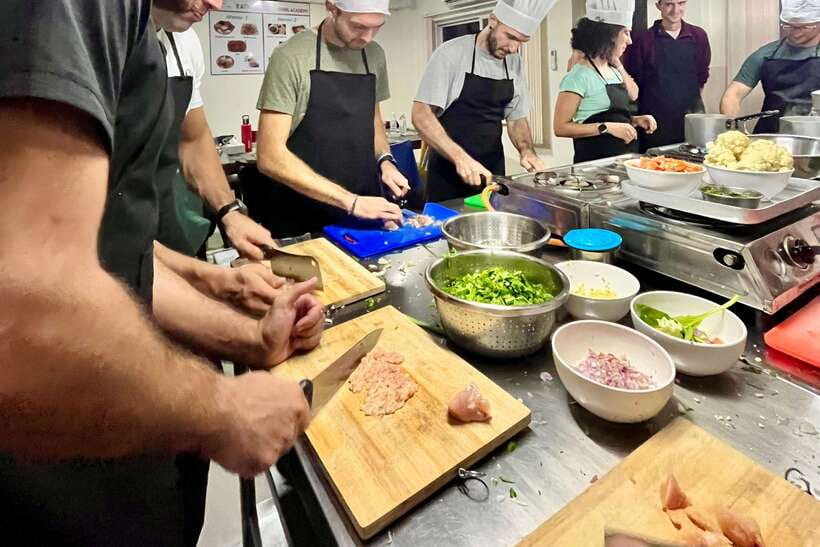
Kathmandu food teaching has a special advantage: the ingredients and techniques feel close to everyday life. This class is women-led, set in the Bagmati Zone, and built around one idea—good Nepali food starts with the right spice mix and the right method.
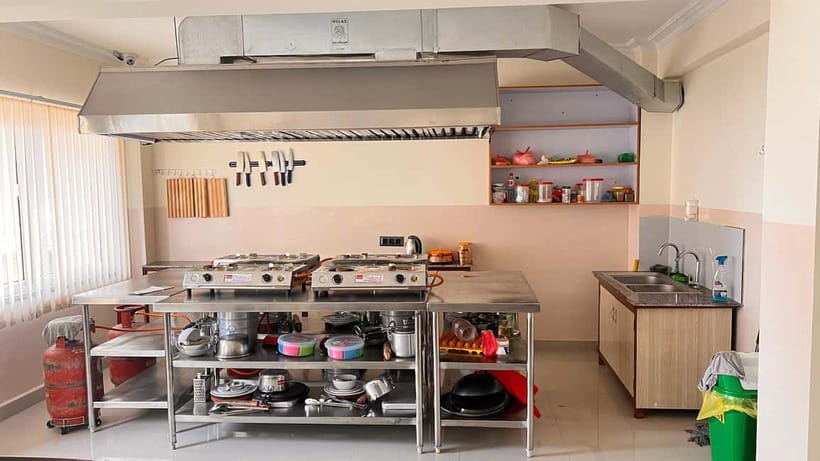
You come to a modern Nepali kitchen, and you’ll get that first whiff of toasted spices in the air. Then you get real work: chopping, mixing, and shaping, not just standing around. If you want Kathmandu to feel more like a lived-in place than a checklist, this is a strong option.
You can also read our reviews of more tours and experiences in Kathmandu.
How the Class Flows in 2–3 Hours
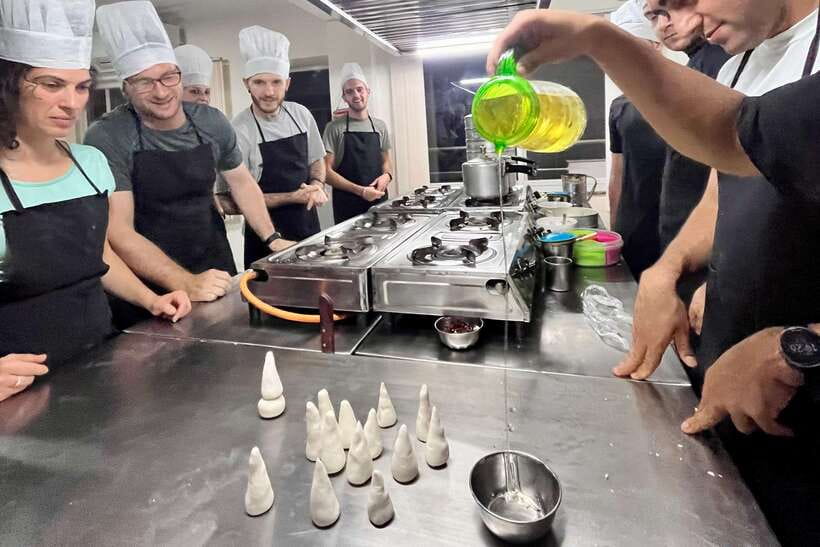
This runs about 2–3 hours, and the structure matters because it keeps you moving without turning it into a blur.
What typically happens:
- You start with a market/shop tour to buy the key ingredients you’ll use in your dishes.
- You move into the kitchen for instruction and hands-on prep.
- You cook your selected dishes using the provided equipment.
- You finish with a tasting session of what you made, plus Nepali masala tea during the lesson.
Why this timing works: Nepali cooking is method-based. Dishes like dal bhat and momo rely on pacing—getting the dough right, simmering to the right thickness, and balancing spices. A short, focused window forces you to learn the process you can actually repeat later.
Market Time: Buying Vegetables, Spices, and Meat Like a Local
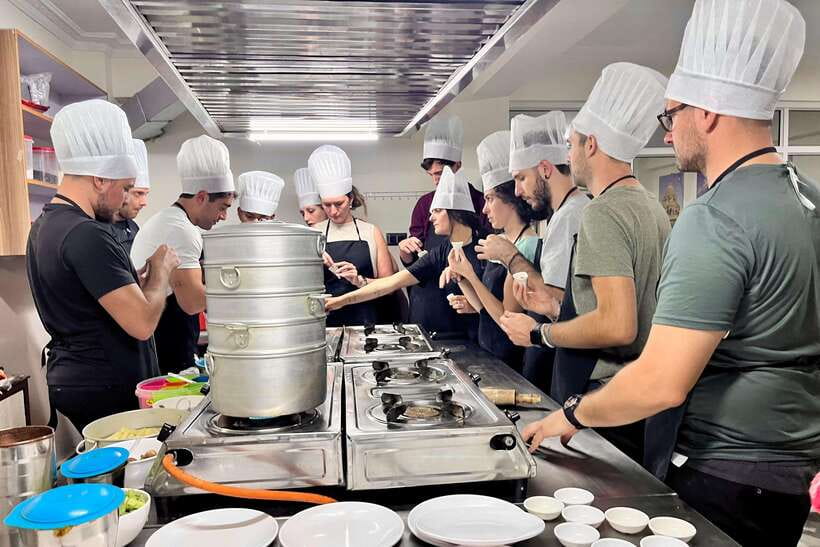
One of my favorite parts of food classes is the ingredient logic. You don’t just learn recipes; you learn why a spice or vegetable makes sense in that dish.
In this experience, you get a shop run where you buy important items such as vegetables and spices, and the menu can include meat options depending on what set you choose. That changes how you cook. When you’ve picked the ingredients yourself, you pay attention to smell, texture, and how fresh produce behaves when you chop it.
Practical benefit for you: if you later cook at home, you’ll remember what that spice looked like in the shop and how it smelled when it hit heat.
The Menu Choices: From Dal Bhat and Momo to Newari Favorites
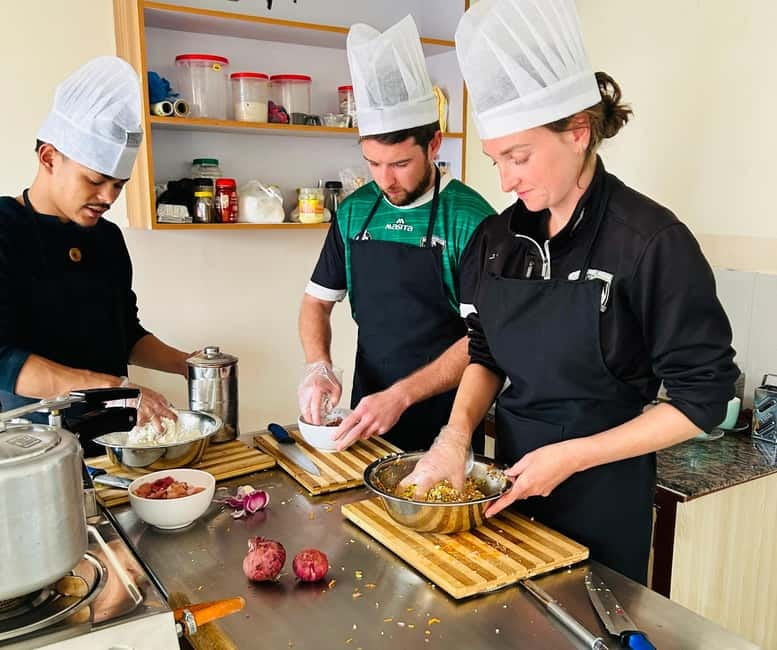
You’ll choose from three menu sets. Each set mixes classic Nepali comfort food with dishes from neighboring culinary traditions in Nepal—Newari and Tibetan-Nepali influences show up in a big way.
Menu 1: Bara / Dal Bhat / Yomari
- Bara: a lentil pancake made from urad dal batter, seasoned with spices. It’s popular in Newari cuisine and can be plain or topped with egg, minced meat, or vegetables.
- Dal bhat: steamed rice (bhat) with lentil soup (dal). It’s usually served with vegetables, pickles, and curry, making it a daily-basis meal rather than a special-occasion plate.
- Yomari: a Kathmandu Newari sweet dumpling with rice flour dough and a filling of molasses (chaku) with sesame seeds (sometimes coconut).
If you want a “Nepal basics” menu, this is the one. Dal bhat gives you the core structure of Nepali flavor, and bara adds texture you can actually master in one session.
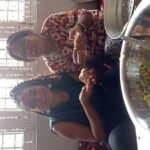
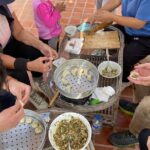
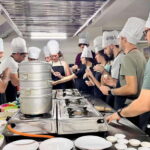
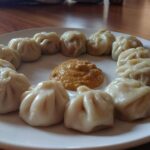
Menu 2: Chatamari / Momo / Kheer
- Chatamari: often called Nepali pizza, it’s a rice flour crepe topped with options like eggs, minced meat, vegetables, and spices.
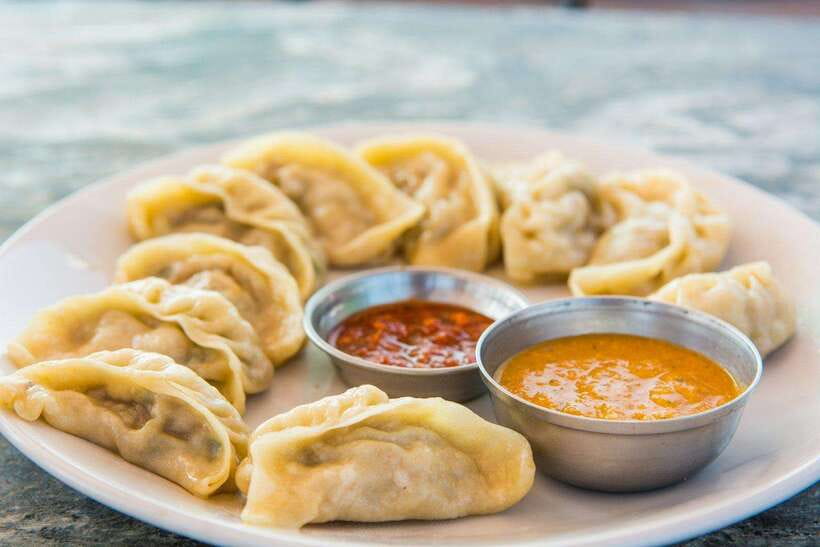
- Momo: Nepali dumplings with thin dough filled with spiced minced meat (chicken, buff, or pork) or vegetables.
- Kheer: Nepali rice pudding simmered with milk, sugar, and cardamom until creamy, usually topped with nuts and raisins.
If you’re a dumpling person, you’ll like this set. It also balances savory cooking with a dessert you can understand right away—sweet, creamy, and strongly spiced with cardamom.
Menu 3: Aloo Chop / Thukpa / Carrot Halwa
- Aloo chop: deep-fried spiced potato snack, made with mashed boiled potatoes mixed with spices.
- Thukpa: a Tibetan-Nepali noodle soup with noodles in a flavorful broth, often with vegetables and meat (chicken, buff, or mutton), plus aromatic spices.
- Carrot halwa: slow-cooked grated carrots with milk, sugar, ghee, and cardamom, finished with nuts and raisins.
This menu feels great if you want something a bit heavier and cozy—noodles and soup carry Nepal’s comfort vibe well, and halwa is a classic finish.
Cooking Techniques You’ll Actually Use at Home
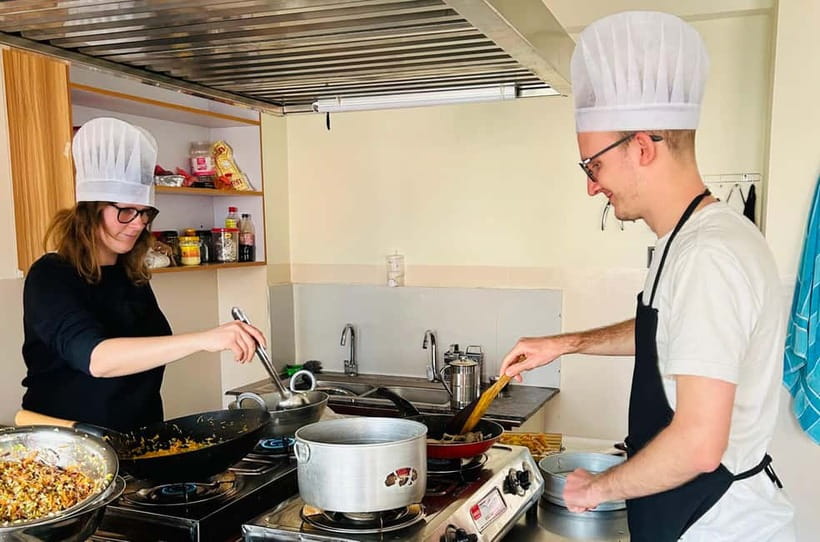
This class is a hands-on workshop with step-by-step guidance from a local chef and instructor who teaches in English. Limited to 8 participants, it’s designed so you can get real help while you’re working.
Here’s what you’ll likely practice:
- Selecting and prepping ingredients with local logic in mind
- Spice handling—how much to use, when to add it, and what changes in the pan
- Dough skills for dishes like momo and chatamari
- Sauté, simmer, and fry methods, since the menu can include both dumplings and fried snacks
- Finishing techniques for desserts like kheer and carrot halwa
One lesson to remember: momo folding is the skill most likely to trip you up. You’re learning in a live kitchen with time pressure, so the goal is progress, not perfection. If you get stuck, ask for slower steps and focus on consistency in the fold.
What It Tastes Like When You Sit Down
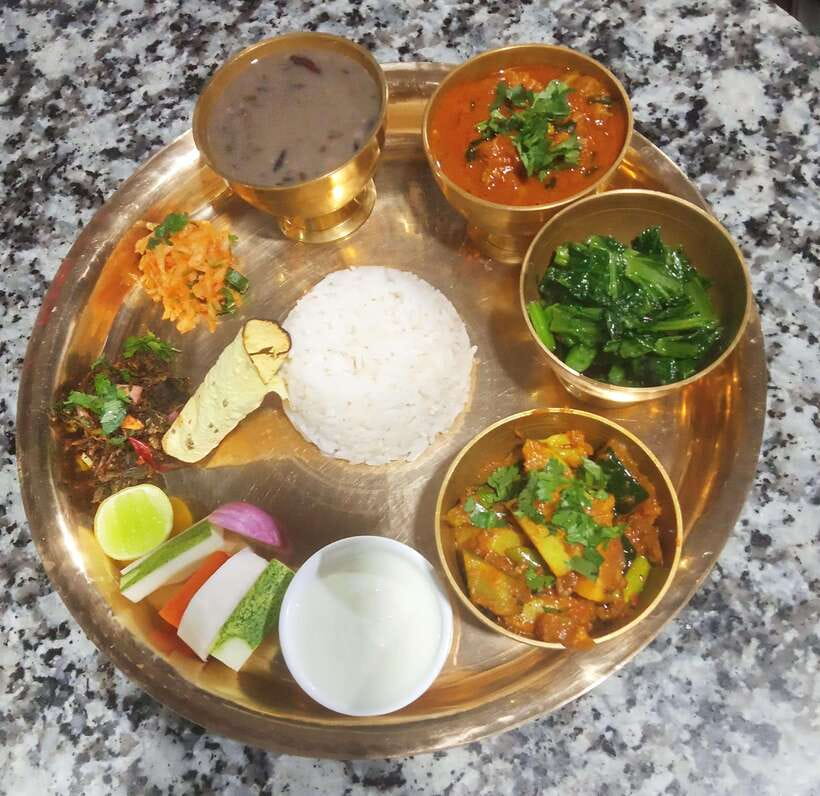
You’re not leaving with a vague “good meal somewhere later.” You taste what you cooked. That matters, because you learn the difference between raw ingredients and finished flavors.
Along the way, you’ll get Nepali masala tea, a black tea mixed with aromatic spices. It’s a classic break during cooking because the spice profile matches what’s happening in the kitchen.
Depending on your menu choice, you may also taste:
- Bara, crisp at the edges, soft inside when done right
- Dal bhat, a comforting mix of rice and lentils with curry and accompaniments
- Chatamari, topped and sauced like a pizza concept but made with rice flour
- Momo, dumplings you made by hand
- Kheer or carrot halwa, both sweet and cardamom-forward
If you’re thinking, I like food, but I don’t want to spend all evening cooking—this is a good balance. You learn skills and then eat the reward.
Price and Value: Why $11 Feels Fair
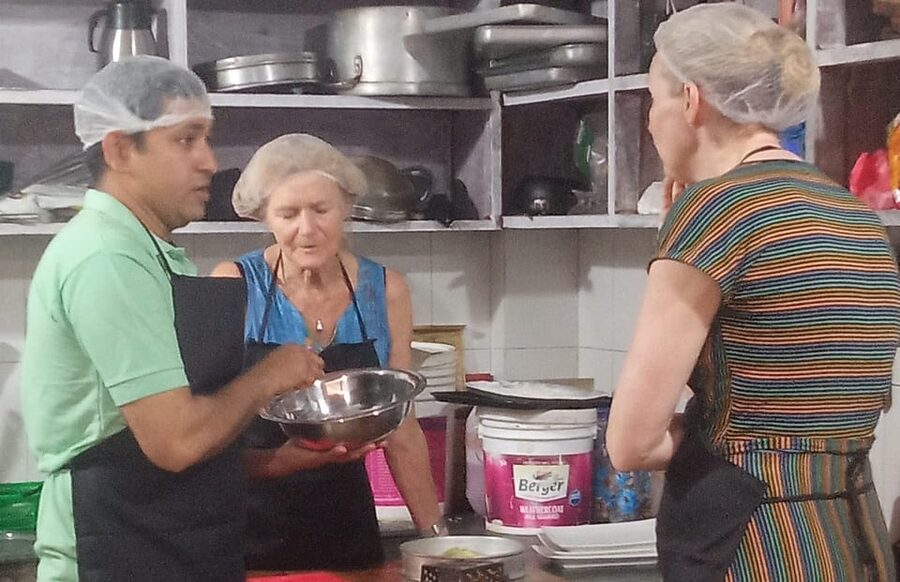
At around $11 per person for a 2–3 hour cooking class, this is strong value for Kathmandu—especially because the price includes more than instruction.
You’re getting:
- cooking class with step-by-step instructions
- market/shop tour for ingredients
- hands-on cooking time and access to equipment
- tasting session of the meal you prepared
- Nepali masala tea
Extra drinks aren’t included, and photos/video aren’t included (professional options are available for an additional fee). But for what you actually get—ingredients, cooking guidance, and a full meal—that $11 number feels like it’s aimed at getting you into the kitchen without breaking your budget.
If you like flexibility, the experience also offers reserve now and pay later and free cancellation up to 24 hours ahead.
Who This Workshop Suits Best
This is a great fit if you:
- want Kathmandu culture through food, not just through temples and trekking
- enjoy practical learning where you leave with a skill
- like dumplings, lentil dishes, noodles, or sweet comfort desserts
- prefer a small group where you can ask questions in English
It’s suitable for people aged 8 and up and for anyone interested in learning new dishes.
If you hate getting your hands messy, or you’re looking for a purely sightseeing experience with minimal kitchen time, you might prefer a food walking tour instead. This one is built for cooking.
A Few Smart Tips Before You Go
- Pick your menu based on your cooking personality. If you love shaping and folding, choose the momo-focused set. If you love comfort noodles, choose thukpa.
- Wear clothes you don’t mind getting a little food on. You’re making dough and handling spices.
- Ask questions as you cook, not after. English instruction is available, and early clarification saves time later.
- If you’re new to cooking dumplings, treat it like a skill workshop. Slow improvement beats frustration.
Also, since the venue is easy to reach from Thamel and the Kathmandu Valley, getting there on time shouldn’t be a headache.
Should You Book This Kathmandu Women-Led Cooking Class?
I think you should book it if you want an authentic Kathmandu food experience with real hands-on learning. The market/shop start, the small group setup, and the fact that you eat what you cook make it feel like more than a class.
Skip it only if you want passive sightseeing, or if the idea of momo folding under time pressure sounds stressful rather than fun. If you show up curious, stay patient with the technique, and focus on learning the process, you’ll walk away with flavors you can repeat.
FAQ
What dishes will I cook in this Kathmandu class?
You’ll choose from three menu sets, which can include Bara, Dal Bhat, Yomari, Chatamari, Momo, Kheer, Aloo Chop, Thukpa, and Carrot Halwa.
How long does the cooking class take?
The class lasts about 2 to 3 hours.
Is the class taught in English?
Yes, the instructor teaches in English.
Is there a market/shop tour included?
Yes. You’ll go to a market/shop to buy important ingredients for the class.
What’s included in the price?
It includes the cooking class with step-by-step instructions, the chef/instructor, the market/shop tour, hands-on cooking, equipment, a tasting session, and Nepali masala tea.
Is the group size small?
Yes. The class is a small group with a limit of 8 participants.
You Might Also Enjoy
 Chiang Rai:Lanna Home Cooking Class at Give Green Farm House
 Ella : Cooking class with amazing Spice Garden Tour
 Xiao Long Bao, Chicken vermicelli with mushroom and sesame oil, Tofu strips salad, Bubble milk tea. Taiwan Traditional Delicacies Experience-A (Taipei Cooking Class)
 Japanese Home Cooking Class & Walk in Todoroki Temple Tokyo