Momos in Kathmandu are a thing you eat, then a thing you learn. This cooking class turns Nepali dumplings into an actual hands-on lesson inside a local kitchen, starting with dough and ending with a plate you helped make. I love the step-by-step workflow (kneading, filling, folding, cooking) and the part where you sit with the host family and enjoy your momos together.
One heads-up: this isn’t a fit if you have gluten allergies, since there’s no gluten-free handling mentioned. Still, for most people, the format is friendly, beginner-friendly, and fun in the best way.
In This Review
- Key highlights before you go
- Why a Kathmandu momo class is worth your time
- The Sorakhutte meet-up and what the start feels like
- From kneading dough to filling: your 2.5-hour workflow
- Folding momos: where the technique clicks
- Cooking and eating with the host family
- Price and value: is $35 a fair deal?
- Who should book (and who should skip)
- Practical tips for a smooth momo afternoon
- Should you book the Momo Cooking Class in Kathmandu?
- FAQ
- Where does the momo cooking class start?
- How long is the class?
- Will I make vegetarian momos or meat momos?
- Is this a private tour or shared activity?
- Is it safe for gluten allergies?
- Can I get a refund if plans change?
Key highlights before you go
- A real home kitchen in Kathmandu where the whole process happens, not a staged demo
- Hands-on momo making from kneading dough to folding the dumplings
- Chicken, buffalo, and vegetable options so you can pick your momo mix
- Eat with the host family and share a meal while chatting
- Small, private group setup (your group only)
- Local teaching style described as friendly and patient, including for kids and adults
Why a Kathmandu momo class is worth your time
Kathmandu has a lot of food to try, but a momo cooking class gives you something street stalls can’t: muscle memory. You don’t just taste dumplings—you learn the dough feel, how filling behaves, and what a good fold looks like before it hits the steamer or pan. That’s the real payoff.
Price-wise, $35 for about 2.5 hours sounds modest for an activity that includes instruction and your final meal. You also get a social side that makes the time feel longer in a good way. When you sit down with your host and family after cooking, the conversation turns into part of the experience, not an awkward add-on.
And yes, momos are famous for a reason. They’re Nepal’s comfort food you can spot everywhere, and making them yourself helps you understand what you’ve been eating all over town. You’ll notice little differences faster too—how different fillings change flavor and texture, and how much the dough matters.
If you’re the type who likes travel that’s hands-on, this is one of those activities that turns a meal into a story you’ll remember.
You can also read our reviews of more tours and experiences in Kathmandu.
The Sorakhutte meet-up and what the start feels like
The class starts back at People’s Dental College & Hospital, Sorakhutte Chowk, Kathmandu 44600, Nepal. Then it ends back at the same meeting point. That loop matters because you’re not spending your precious lesson time hunting for a location across town.
It’s also described as being near public transportation, which is helpful. Even if you’re staying somewhere walkable, Kathmandu traffic and foot routes can still be a puzzle. A simple meeting point reduces stress and lets you focus on learning.
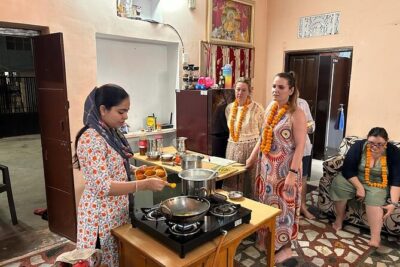
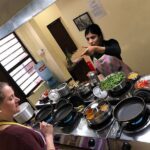
On arrival, expect a warm, home-style welcome. You’ll be moving into the host’s kitchen and working alongside the people running the session. In one description of how the experience runs, a guide helped get people to the local kitchen, and a translator may be part of the setup. Just know that the one thing you can count on is the kitchen-based lesson and the family meal afterward.
Private tour also helps. You’re not trying to compete with a crowd for a spot at the counter. Your group only means you can ask questions without waiting your turn.
From kneading dough to filling: your 2.5-hour workflow
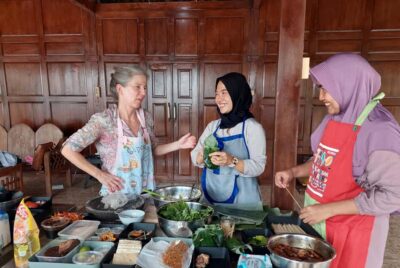
The workshop is structured around the core steps that make momos, well, momos: kneading dough, preparing ingredients, folding, and cooking. The best part is that you’re not watching from across the room.
Here’s how the timing typically makes sense in a 2 hours 30 minutes window:
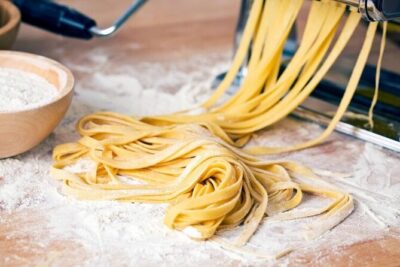
- You start with dough. Kneading is where you learn the basics of how the dough behaves—how it stretches, how it feels, and how it holds together when you start shaping.
- Then you move into the filling stage. You’ll be preparing ingredients for the momo style you choose.
- Next comes the folding. This is where patience matters. Your first few folds may look a bit clumsy, and that’s normal. The goal is understanding the technique, not producing dumpling jewelry.
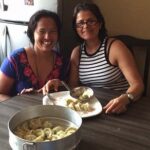
- Finally, you cook the momos you made. Then you get to taste what you produced, not just what was handed to you.
You’ll also have a choice between veg and non-veg. The momo types specifically mentioned include chicken and buffalo, plus vegetable. That’s a nice mix because you can compare flavors side by side. If you’re traveling with someone who eats differently than you, this setup makes it easier to keep everyone happy.
The class format is built for learning, and it shows in the way the session is described as friendly and patient. If you’re cooking anywhere for the first time, it helps that the instruction is slow enough to keep up.
Folding momos: where the technique clicks
If you’ve ever eaten a momo and thought, I wonder how they get that seal right, this is the moment. Folding is the skill that turns dumplings into something worth paying attention to.
During the folding stage, you’re working hands-on with the dough and filling. In the experience descriptions, guests highlight learning folding and making different types such as buffalo and chicken. That’s exactly what you should expect: you’re practicing the fold and learning how to keep the filling from leaking out.
A practical tip: don’t rush your dough handling. If the dough feels too dry or too sticky, your folds will fight you. Kneading earlier is your prep for this stage. If you follow what the host is showing, your dumplings tend to become more consistent as you go.
Another thing to notice is portion control. Too much filling makes folding harder. Too little filling can make dumplings feel skimpy. The class helps you find the right balance by giving you the chance to do it yourself.
And for a little humor: your hands will get messy. Flour and dough residue are part of the deal. Plan to wash up afterward and don’t wear your nicest outfit. You’ll still leave with that satisfaction of having done real work in a real kitchen.
Cooking and eating with the host family
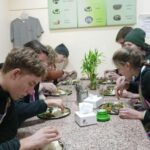
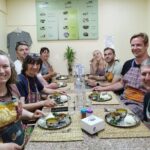
Cooking is the payoff stage. After you fold, you get to see the dumplings become food in front of you. Then comes the part that makes the experience feel personal: you sit with the host and family to enjoy what you cooked and chat.
That family meal matters more than it sounds. It changes the class from a technical workshop into an actual Nepal moment. You’re learning not just a recipe but how a household eats, talks, and shares.
Some sessions are described with translators and a local family setting, which suggests you’re not left stranded with language barriers. Even if you can’t chat much, the rhythm of eating together still gives you a warm cultural context.
Also, because momos are such an everyday Nepal dish, talking about them is easy. You can ask what people prefer, what filling combinations are common, and what makes a momo taste right. You’ll likely leave with a better instinct for what to order next time you’re in a Kathmandu momo shop.
One more practical note: the class includes both veg and non-veg. If you’re traveling with mixed preferences, you can plan around that before you arrive so you spend less time deciding during the class.
Price and value: is $35 a fair deal?
$35 per person for about 2 hours 30 minutes in a home kitchen can be excellent value, especially in Kathmandu where many experiences cost more for less hands-on time.
Here’s what you’re really paying for:
- instruction from a local host who teaches the process
- ingredient prep and the full cooking workflow (not just a short demo)
- a meal: you eat the momos you made
- a small-group, private setup for your group only
- the social time with the host family afterward
Compared to buying momos off the street, you’re getting something deeper than taste. You’re getting the technique. That means you’re not just thinking, I ate momos today. You’re thinking, I can make dumplings at home, or at least I know what went into that first fold.
If you’re a foodie who likes practical skills, this price feels fair. If you only want to eat, you may find cheaper options on the menu. But if your travel style leans toward learning, this class pays you back twice: during the cooking and when you remember how it all came together.
Who should book (and who should skip)
This class fits best if you want:
- a hands-on activity in Kathmandu that’s not just walking and photographing
- an easy cultural interaction with a local family
- a fun food project you can share afterward with friends
You’ll especially enjoy it if you’re traveling with kids or a mixed-age group. The instruction is described as friendly and patient, and people mention families joining in together.
Skip it if:
- you have gluten allergies. The experience isn’t presented as gluten-free, and you shouldn’t take the risk based on assumptions.
- you hate getting messy. Dough work means some mess, even with careful handling.
Also, if you want a big group social scene with lots of strangers, note that this is private and only your group participates. That’s usually a plus for comfort and attention, but it’s not a party.
Practical tips for a smooth momo afternoon
A few things will make your visit easier:
- Arrive a few minutes early for the Sorakhutte Chowk meeting point so you don’t feel rushed before cooking.
- Bring a normal water bottle if you like sipping while waiting, but the key is timing: once you start, you’ll be busy.
- Wear clothes you don’t mind getting flour on. You’re making dough. Not everyone loves that truth, but you’ll be happier if you accept it.
- If you’re unsure about language, don’t panic. In some setups, a translator is part of the experience, and the teaching style is described as patient.
- Plan for a full work session. The class runs about 2.5 hours, and you’ll be part of every stage.
If you’re trying to build the day around this, consider scheduling it when you’re not already exhausted from long hikes. You’ll use your hands, your focus, and a bit of patience. It’s fun, but it’s still work.
Should you book the Momo Cooking Class in Kathmandu?
Yes, if you want a Kathmandu food experience that actually teaches you something. The biggest wins are the hands-on momo-making steps and the chance to sit down with the host family afterward. For $35, you get a full cooking workflow plus a meal, in a private setting that makes it easier to ask questions and learn at your pace.
Don’t book if gluten safety is a concern for you. The class isn’t positioned as gluten-free, so it’s not the right match.
If you’re deciding between just eating momos and learning to make them, choose the class. You’ll taste the difference later, and you’ll remember how the dough felt the moment you finally got that fold right.
FAQ
Where does the momo cooking class start?
It starts at People’s Dental College & Hospital, Sorakhutte Sorakhutte Chowk, Kathmandu 44600, Nepal.
How long is the class?
The class runs about 2 hours 30 minutes.
Will I make vegetarian momos or meat momos?
Both are included. The experience notes veg and non-veg momos, with momo types like chicken and buffalo mentioned.
Is this a private tour or shared activity?
It’s private. Only your group participates.
Is it safe for gluten allergies?
It’s not recommended for travelers with gluten allergies.
Can I get a refund if plans change?
Yes. You can cancel for a full refund up to 24 hours before the experience’s start time. Cancellation within 24 hours doesn’t include a refund.