REVIEW · YOGYAKARTA
Yogyakarta: Javanese Cooking Class & Market Tour
Book on GetYourGuide →Operated by Truly Borobudur Tours · Bookable on GetYourGuide
Your morning starts at a spice stall. This Yogyakarta Javanese cooking class and market tour turns Indonesian cooking into something you can follow step by step, with your guide Dewi walking you through what to buy and why, before you cook it in a local-style house kitchen. I especially love the market morning feel—sniffing, pointing, and learning what herbs and ingredients matter—and I like how the whole experience stays practical, not just a food talk. One thing to consider: the cooking side can feel more guided than fully self-run, so if you want to do every single chop and stir yourself, you may want to set expectations upfront.
After the shopping, you move into a Javanese home setting with that quiet, neighborhood vibe that makes the class feel real. I also love the way the team supports you without making it sterile—questions get answered in English, and you sit down to eat what you made. The possible drawback is timing: it’s a compact 270 minutes, so you’ll likely get help with prep depending on the day and group pace, not total solo control of every step.
In This Review
- Key things to know before you go
- From pickup to the morning market: what makes Yogyakarta shopping special
- Shopping for fresh ingredients you’ll actually cook with
- The Javanese house kitchen: cooking class atmosphere that feels personal
- What you’ll learn about Javanese cooking (and why it matters)
- How hands-on is it, really?
- Price and value for $53: why it feels fair for what you get
- Getting there, what to bring, and small rules that matter
- Who should book this Yogyakarta cooking and market tour?
- Should I book this tour?
- FAQ
- How long is the Javanese cooking class and market tour in Yogyakarta?
- Is hotel pickup and drop-off included?
- What language is the instruction in?
- What’s included in the price?
- What should I bring, and is there anything I can’t bring?
- Is the tour suitable for mobility impairments?
Key things to know before you go
- Market shopping with Dewi: you’ll learn how to pick fresh herbs, spices, fish, meats, vegetables, and fruits from local stalls.
- A clear link between ingredients and flavor: you’ll build your dish from what you bought that morning.
- English instruction: Dewi and the team explain ingredients and techniques so you’re not left guessing.
- Javanese house cooking setting: you cook in a local home-style venue with a neighborhood feel.
- You eat your work: you finish with a meal that includes tasting what you created.
- Hands-on level can vary: support is built in, which is great for learning, but not everyone will get full DIY prep.
From pickup to the morning market: what makes Yogyakarta shopping special
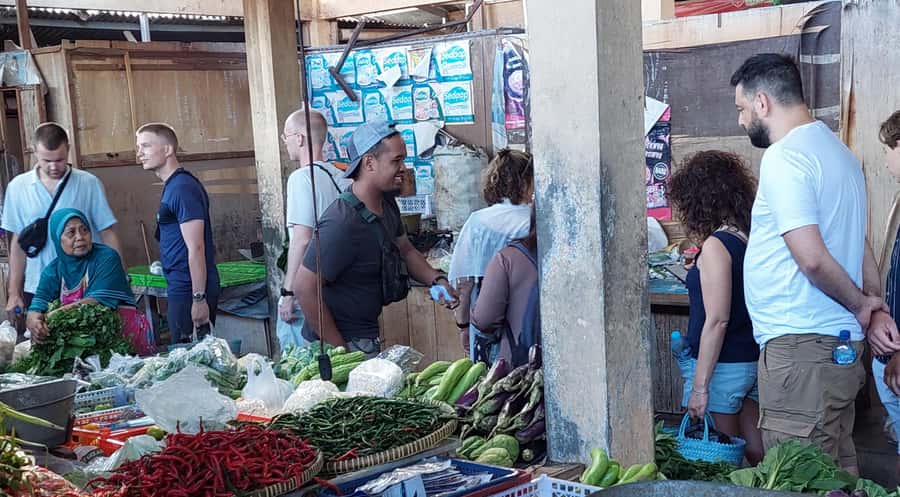
The day starts with a convenient hotel pickup, covering Yogyakarta City and areas like Sleman, Bantul, Kulon Progo, Magelang, and Muntilan. That matters here because the market experience is the heart of the tour, and you don’t want the day lost to transit delays. In about the right rhythm, you meet your mentoring chef and head into the neighborhood market scene.
This isn’t a supermarket stroll. You’ll move stall to stall with your chef guiding you through selections for the dishes you’ll cook later. Expect talk about how Javanese cooking thinks: balance, freshness, and how aromatics (spices, herbs, and chili-based flavors) work together. You’ll also get practical guidance on what can be found abroad, especially in Asian grocery stores—useful if you’re the type who likes to recreate flavors at home instead of just taking photos.
The staff approach tends to be hands-on in the best sense: they help you identify ingredients rather than just naming them. If you’re curious about unfamiliar fruits, roots, or spice blends, this is where the learning clicks. You also get the chance to try or sample some items along the way, which helps you understand the flavor before it hits the pan.
My advice: wear shoes you can walk confidently in. Markets are uneven, and you’ll be on your feet while your guide talks through ingredient choices.
You can also read our reviews of more tours and experiences in Yogyakarta.

Shopping for fresh ingredients you’ll actually cook with
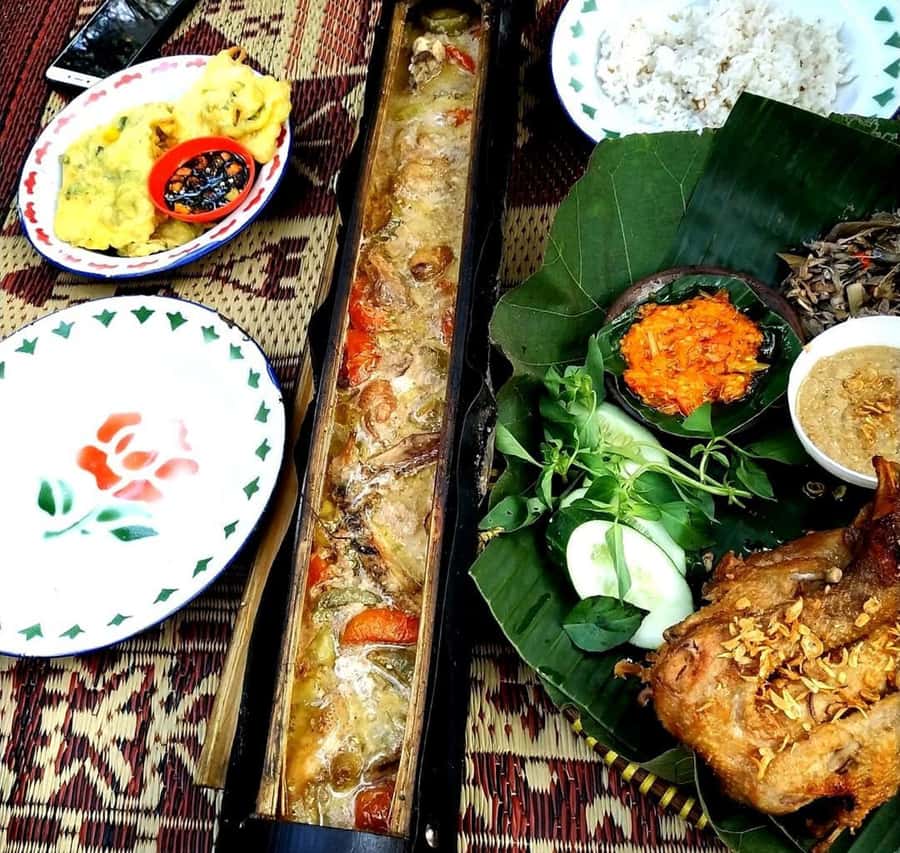
What makes this tour feel different is the ingredient logic. You aren’t just buying stuff as souvenirs—you’re collecting the building blocks for your meal, then using them back at the class venue.
Your chef helps you pick:
- fresh herbs and spices,
- vegetables and fruits,
- and protein ingredients like fish and meats.
You’ll learn which ingredients are most important in Javanese cooking and how to choose them so you don’t end up with bland results at home later. And because you’re shopping with local knowledge, you get a better sense of what’s truly local versus what’s widely available.
One subtle benefit: you’ll get a sense of how sellers talk about quality. Even if your questions are basic, you’ll pick up patterns—what looks fragrant, what feels fresh, and what looks like it will hold up in cooking. That’s the kind of skill that doesn’t come from watching someone else cook. It comes from doing the choosing.
There’s also an interaction side to this. The guide’s presence turns it into a conversation rather than just following a route. When you can ask what something is used for, you remember it later—and your future grocery trip feels less like guesswork.
The Javanese house kitchen: cooking class atmosphere that feels personal
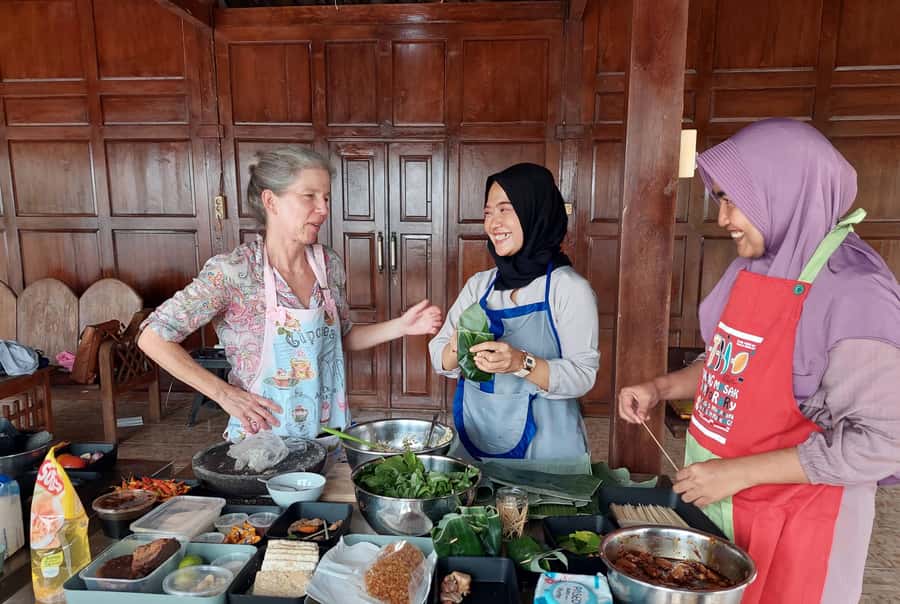
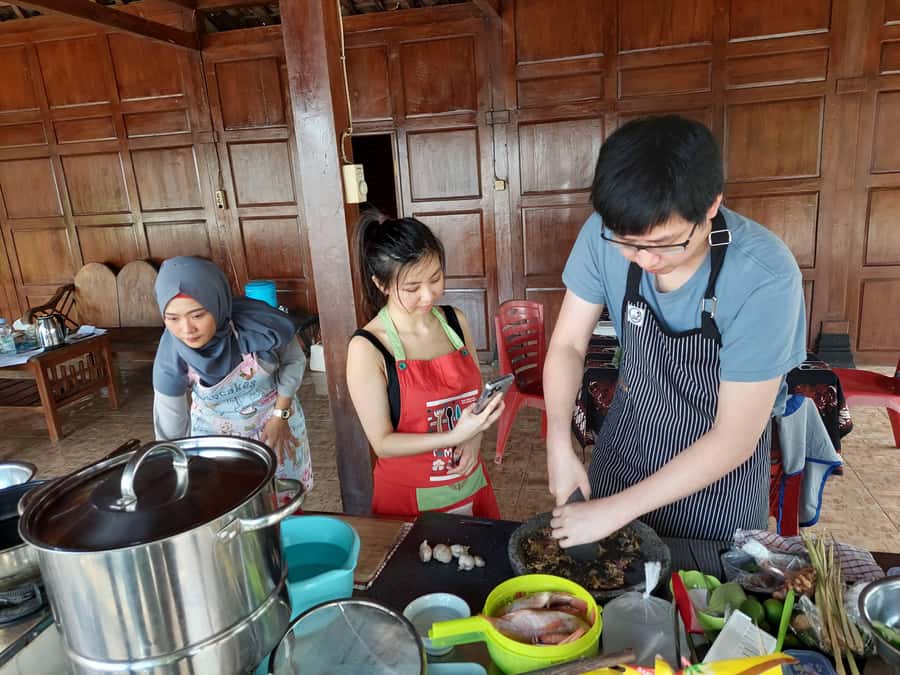
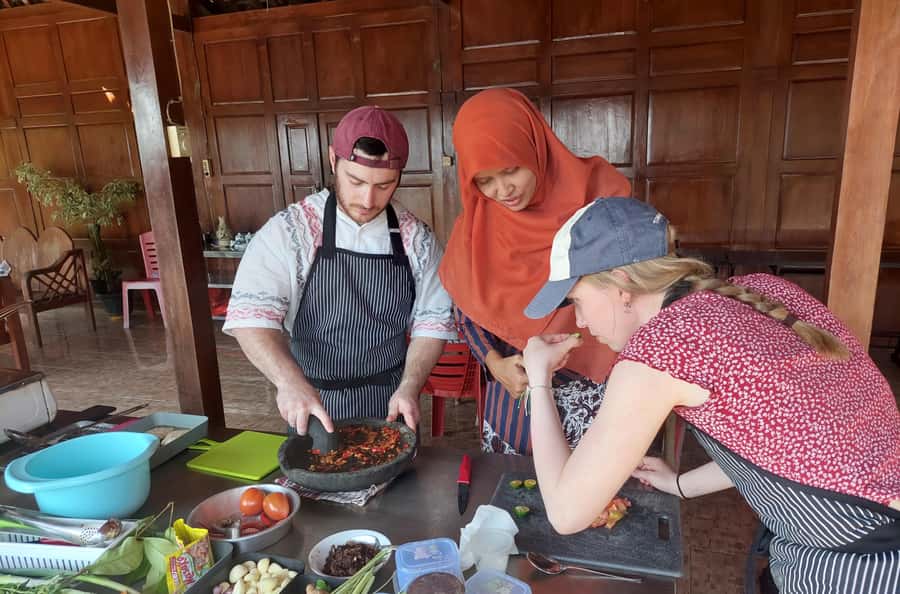
After the market, you head back to the cooking venue: a Javanese house setting with village-like neighborhood vibes. That’s more than a nice backdrop. It changes the pace. In a home-style space, you’ll feel the rhythm of instruction and the casual flow of a real kitchen environment.
You’ll cook with a team that includes your English-speaking mentoring chef and additional helpers. Reviews highlight people like Dewi and Edra, and that you’ll be well taken care of from the first explanation to the final meal. The setup is friendly and structured: instructions come clearly, questions get answered, and you’re encouraged to learn the techniques rather than just watch.
You’ll prepare dishes, then sit down to eat the flavors you created. The meal itself is the payoff—especially if you’re hungry after a market walk and cooking session. Plus, the tasting makes the whole lesson stick. When you understand why a spice combination works, you’re more likely to remember the ratios and steps later.
My practical note: there’s a lot going on in 270 minutes. If the group is moving quickly, you’ll likely do more. If the group wants slower explanation, prep may be handled more by the team to keep everything on track. Either way, you’ll be guided, and that’s usually a good trade for learning.
What you’ll learn about Javanese cooking (and why it matters)
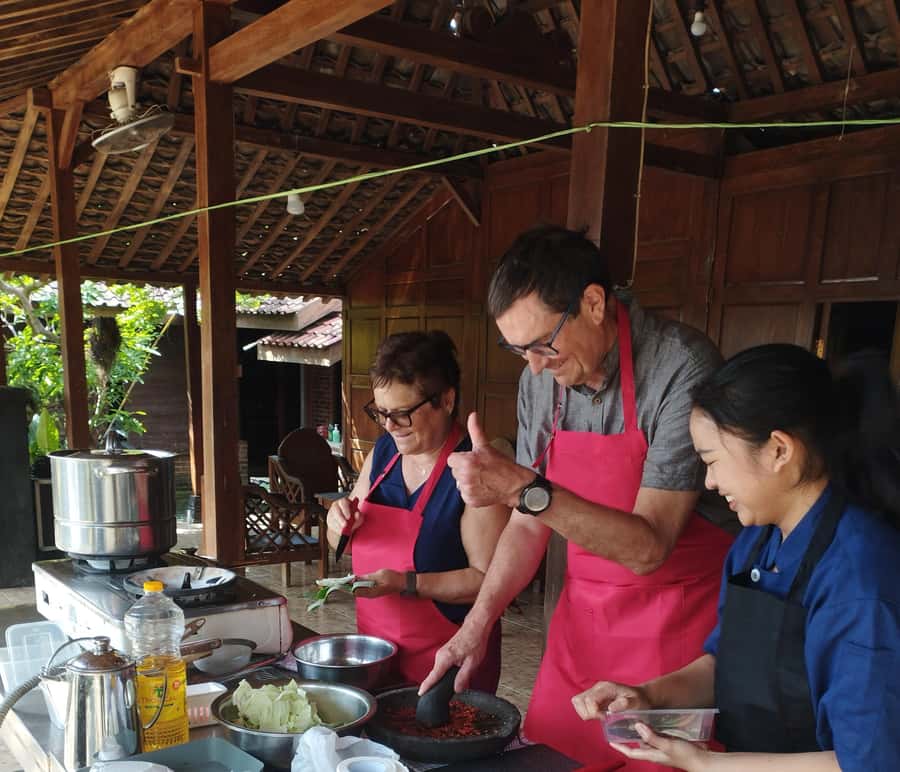
This tour is built around Javanese culinary heritage and the food story behind it. That doesn’t mean you’ll sit through lectures. Instead, the stories show up as ingredient choices and cooking reasons.
You learn things like:
- how to identify key local ingredients you might recognize from Asian grocery stores,
- how fresh aromatics shape flavor,
- and how common Javanese cooking ideas show up across dishes.
You’ll also likely cook a mix of authentic Javanese dishes plus some popular Indonesian favorites. The exact menu isn’t spelled out in the tour details you provided, but the goal is clear: you leave with a better sense of how Indonesian cooking builds flavor from real ingredients, not bottled shortcuts.
One of the most helpful parts is the explanation during cooking—your chef is there to connect technique to outcome. That turns a meal into a repeatable skill set.
How hands-on is it, really?
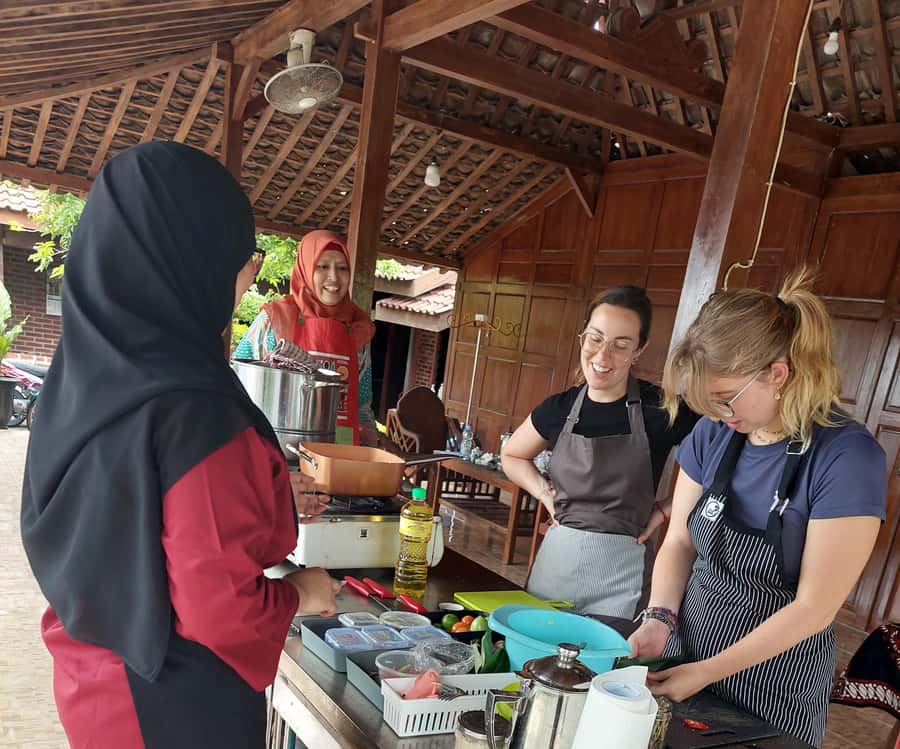
This is the one area where you should think ahead. Many guests love the experience because the guides and chef are attentive, funny, and genuinely invested in questions. You’ll taste your food, interact with the team, and learn ingredient selection in a way that feels rewarding.
At the same time, at least one person noted that the cooking can feel like more is done for you than you expect. In other words, it can be more of a guided workshop than a fully self-directed cooking class where you do every prep step yourself.
So here’s the best approach:
- If you want to learn flavors, ingredient logic, and basic techniques, you’ll probably feel right at home.
- If you want maximum DIY control (cutting, cleaning, full stirring without assistance), you may find the support level a bit high.
Either way, you should leave with a clearer idea of how Javanese cooking actually works—what to buy, what to prioritize, and what to aim for in taste.
Price and value for $53: why it feels fair for what you get
At $53 per person for 270 minutes, this is priced like a serious local experience, not a quick demo. And the value isn’t just the cooking class. It’s the full package:
- hotel pickup and drop-off,
- market tour,
- cooking class,
- all ingredients,
- and morning tea.
When you’re traveling, those extras add up fast. Pickup alone can save time and headaches, especially when you’re trying to fit markets into a day already packed with Yogyakarta sightseeing. Then you factor in that you’re buying and cooking with the help of an English-speaking instructor and a mentoring chef. That’s labor, guidance, and ingredients rolled into one price.
If your goal is to get beyond photos of Indonesian food and actually understand why it tastes the way it does, this price can feel like a good deal. You’re paying for a lesson you can repeat.
What you should decide: are you coming mainly for the market and ingredient education, or mainly for independent cooking skills? If it’s both, this is a strong match.
Getting there, what to bring, and small rules that matter
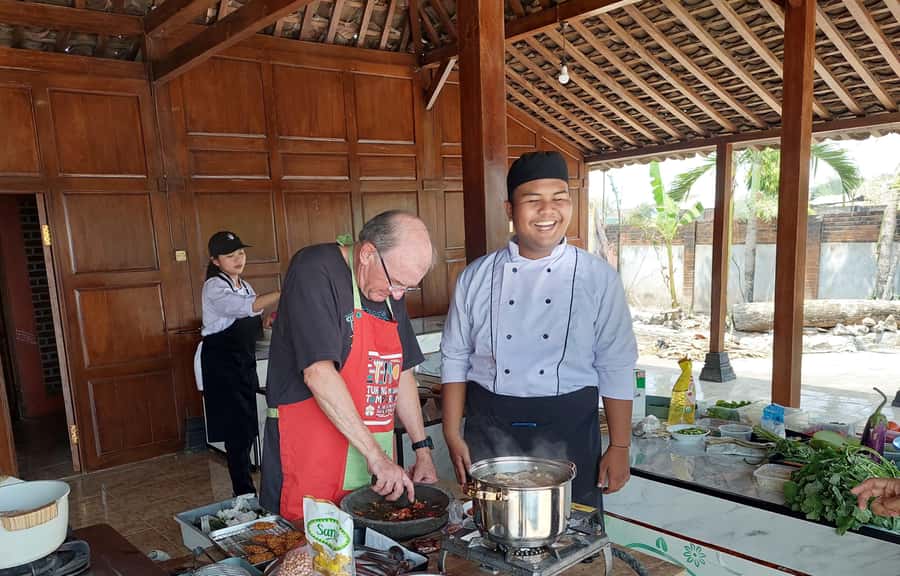
This is an easy activity logistically because pickup is included. Still, you’ll want to be prepared for the practical bits.
Bring:
- comfortable shoes (market walking + uneven spots),
- comfortable clothes (you’ll be in a kitchen space and near food prep).
Not allowed:
- luggage or large bags.
So pack light for this one. A small day bag is the smart choice.
Also, note that the activity is not suitable for people with mobility impairments, based on the tour info you shared. If mobility is a concern for you, it’s worth planning an alternative food experience that better matches your needs.
Who should book this Yogyakarta cooking and market tour?
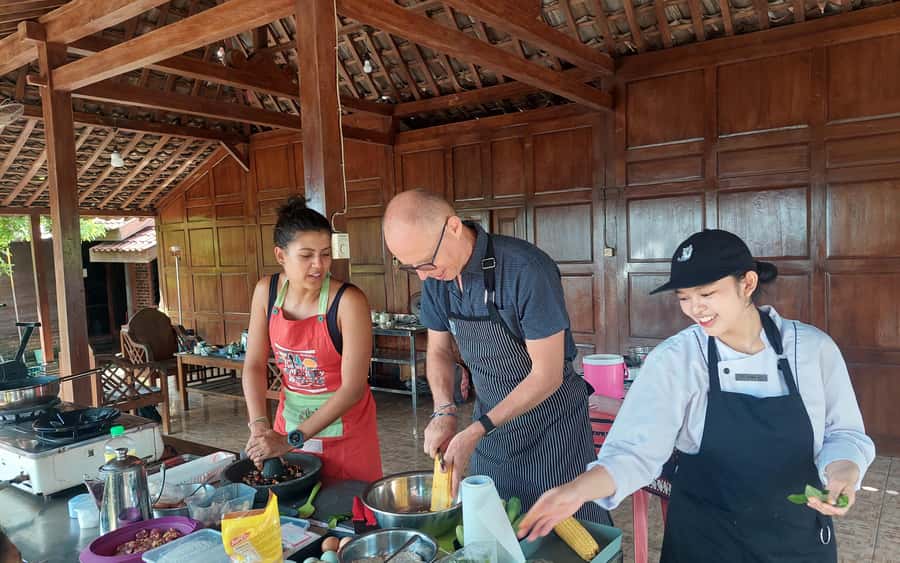
Book it if you want:
- a real market walk with a chef, not just a photo stop,
- English instruction that makes ingredient learning easy,
- and a finish that includes tasting what you cooked.
It’s a great fit for couples, friends, and small groups who like learning through doing. It also works well if you’re a home cook who’s trying to understand Indonesian-Javanese flavor building so your future attempts taste closer to the real thing.
Consider another style of class if you strongly prefer:
- fully independent cooking with minimal prep assistance,
- or if you can’t handle market walking and kitchen movement.
Should I book this tour?
If you’re excited by the idea of going to a market with a local chef—then using those exact ingredients to cook and eat—yes, book it. The combination of market education, English guidance, and a homey Javanese cooking setting makes this more than a simple activity. It’s a skill builder.
If your main goal is total hands-on DIY control, go in with the mindset that you’ll be supported. That guidance is often what makes the experience enjoyable and helps you get to the tasting part without chaos.
Given the strong overall rating (4.9 across 23 reviews) and the consistent praise for Dewi and the cooking team’s care, this is the kind of Yogyakarta food experience that tends to leave people feeling like they learned something usable.
FAQ
How long is the Javanese cooking class and market tour in Yogyakarta?
The experience runs for about 270 minutes, which is roughly 4.5 hours.
Is hotel pickup and drop-off included?
Yes. Pickup and drop-off are included, with pickup available from Yogyakarta City and areas such as Kulon Progo Regency, Muntilan, Magelang, Sleman Regency, and Bantul.
What language is the instruction in?
The instructor is listed as English.
What’s included in the price?
Included items are hotel pickup and drop-off, the market tour, the cooking class, all ingredients, and morning tea.
What should I bring, and is there anything I can’t bring?
Bring comfortable shoes and comfortable clothes. Luggage or large bags are not allowed.
Is the tour suitable for mobility impairments?
No, the tour is not suitable for people with mobility impairments based on the provided information.