REVIEW · ROME
Rome: Traditional Cooking Class in the Jewish Ghetto
Book on GetYourGuide →Operated by Gourmetaly - for food lovers only · Bookable on GetYourGuide
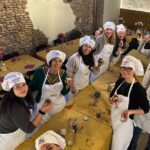
Rome’s Jewish Quarter is not just for walking. It’s for cooking, eating, and learning how everyday traditions get made. In a small group (up to 10), you roll dough for fresh pasta in the heart of the Ghetto, then sit down to a 3-course Roman-style meal that matches the season and the local kitchen rhythm.
I especially like the mix of food + neighborhood context, plus the fact that you actually do the work, not just watch. The one thing to think about: this is not a textbook lecture, and depending on the evening, some steps (like frying) may be a bit more chef-led than you’d hoped.
You’ll meet your guide at Restaurant Taverna del Ghetto outside the door, then get oriented before you head into the kitchen. The experience is relaxed and social, and the hosts and chefs tend to keep things friendly while guiding you through a proper Roman dinner flow. One more consideration: it’s not kosher, and the menu includes common allergens like milk and eggs, so you’ll want to check dietary needs ahead of time.
In This Review
- Key things to know before you go
- Arriving in Rome’s Jewish Ghetto: where the class starts
- Your hosts and the small-group vibe in the kitchen
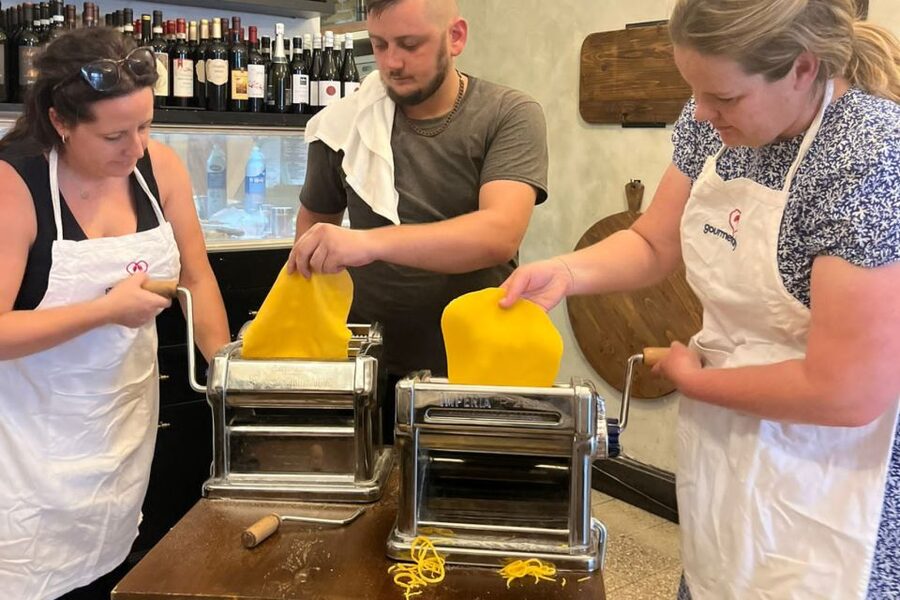
- Fresh pasta from scratch: the hands-on core
- The seasonal Roman-Jewish menu: artichokes or zucchini flowers
- Wine, appetizers, and a real sit-down meal (not just samples)
- Recipes, tips for the next days, and how to use what you learned
- Price and value of a $94 pasta lesson with dinner
- Practical notes: gluten, allergens, and what not to assume
- Who should book this class, and who might prefer something else
- Should you book this Rome Jewish Ghetto cooking class?
- FAQ
- What is the duration of the Rome traditional cooking class?
- Where do I meet the guide?
- How large is the group?
- Is the class taught in English?
- What do I eat during the class?
- Is wine included?
- Is the restaurant or class kosher?
- Is the pasta gluten-free?
- Are vegetarian or vegan diets accommodated?
- Is the activity wheelchair accessible?
- FAQ
- Can I cancel and get a refund?
- Are pets allowed?
Key things to know before you go
- Small group, local pace: Limited to 10 people, so you’ll get attention while you cook.
- Season drives the menu: Winter can mean artichokes; summer can mean zucchini blossoms for fritto-style cooking.
- You can be hands-on or mostly watch: If you want, you can relax and sip wine while the chef works.
- Take-home value: You get recipes plus a list of tips for what to eat and do next in Rome.
- Dietary reality check: Vegan and vegetarian are welcome, but dishes may still include dairy/eggs, and gluten is not naturally gluten-free.
Arriving in Rome’s Jewish Ghetto: where the class starts
This class starts in the Jewish Ghetto area, with your meetup at Restaurant Taverna del Ghetto, right outside the door. That matters more than it sounds. You’re not traveling far from the tourist track, but you are stepping into a part of Rome with a lived-in feel and a strong food identity.
Before you cook, you get the background that helps the food make sense. You’ll hear legends and local context tied to the district and how its unique culinary style developed. I like this approach because it keeps the evening from feeling like a generic pasta workshop. Instead, the dishes connect to place.
And yes, the neighborhood vibe is part of the experience. One of the nicest surprises is how quickly you stop being a museum visitor and start acting like you belong at the table.
You can also read our reviews of more tours and experiences in Rome.

Your hosts and the small-group vibe in the kitchen
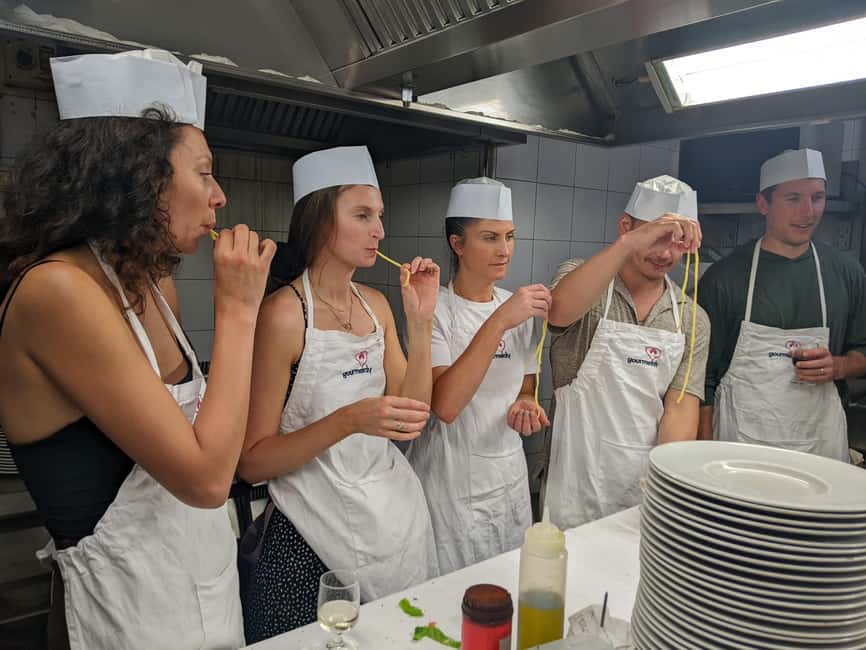
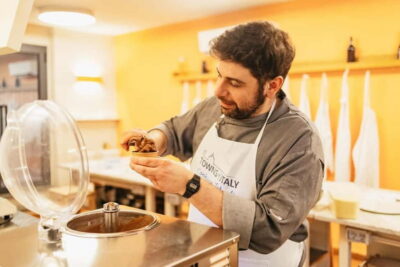
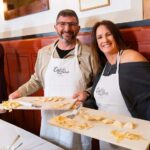
The class runs with an English-speaking guide or translator working with the chef. Names you may hear include Lilli/Lisa/Livia/Clelia as guides, with assistants like Andy or Asia supporting hands-on moments. Chefs can speak mostly Italian, and that’s where your host/translator earns their keep.
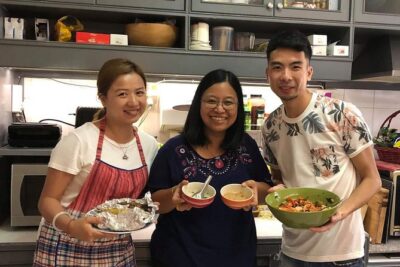
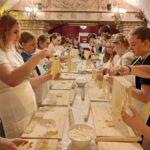
The group size is capped at 10, and you feel it. You’re close enough to ask questions while you’re working the dough. You’re also close enough to learn what matters in technique, like how to get a smooth dough texture before rolling.
There’s also an option if you don’t want to do everything. If you’d rather spectate, you can watch the chef and still have wine with the group. That’s great for people who want the social side of cooking without the stress of getting it wrong.
Fresh pasta from scratch: the hands-on core
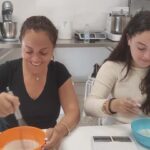
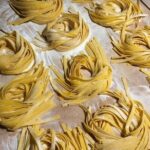
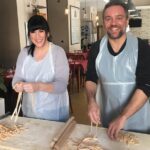
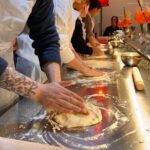
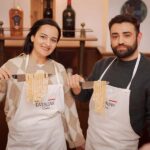
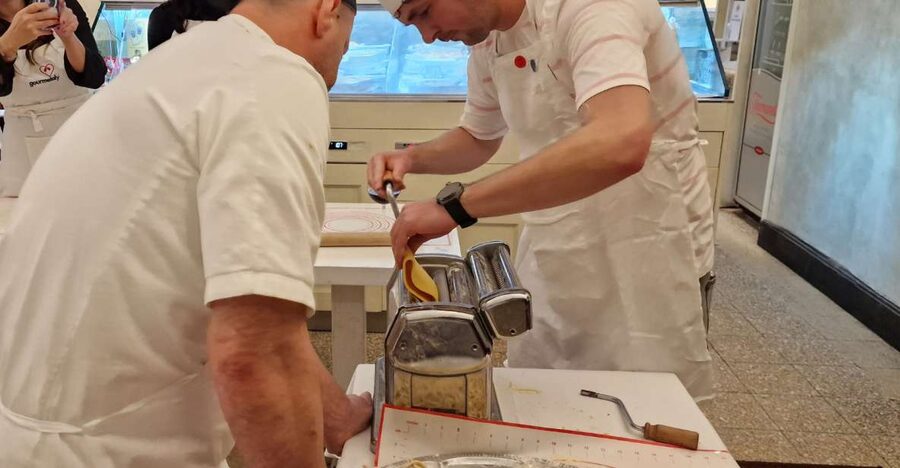
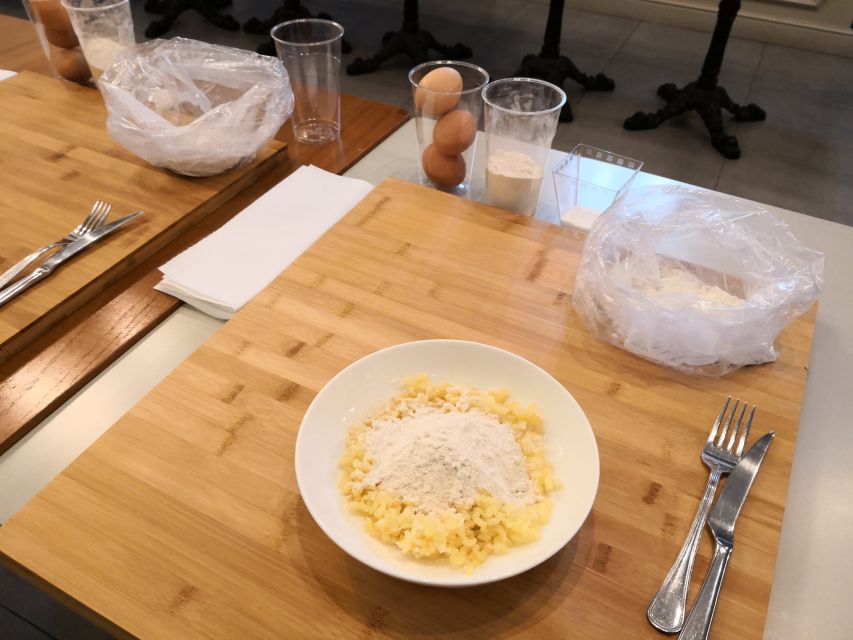
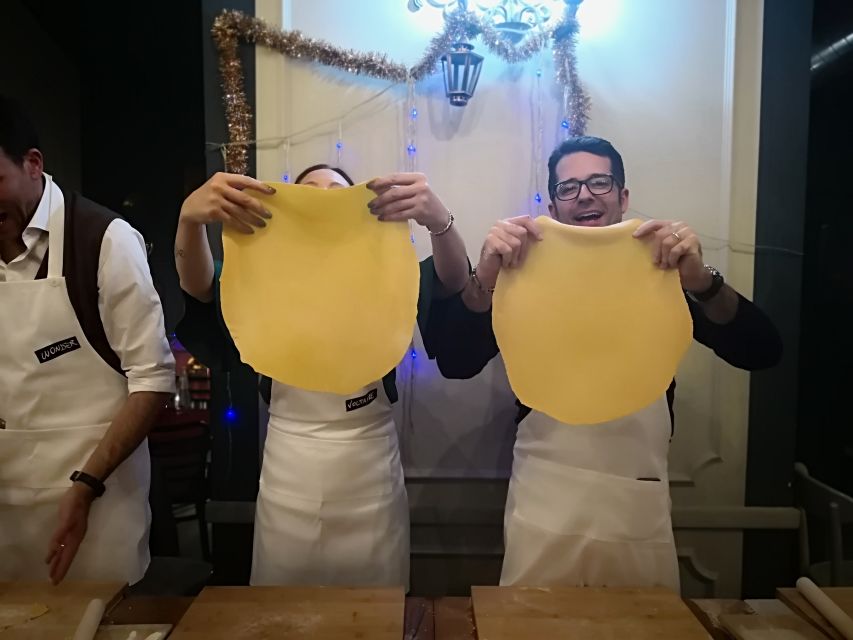
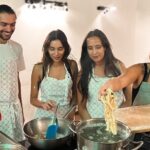
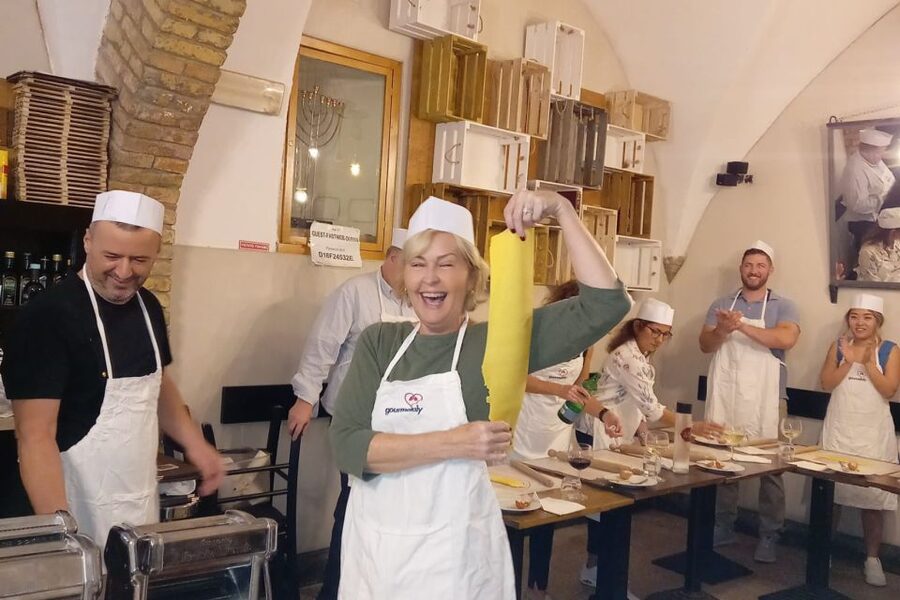
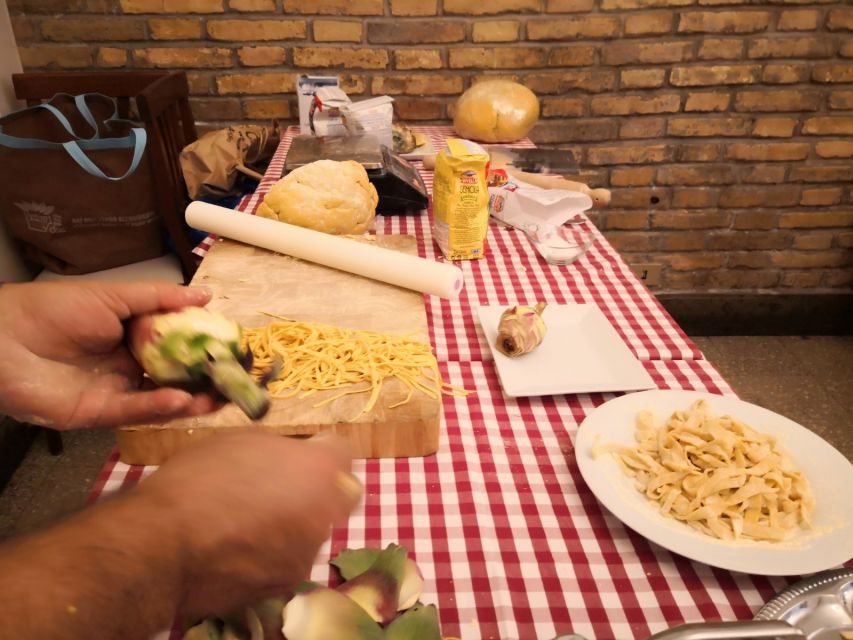
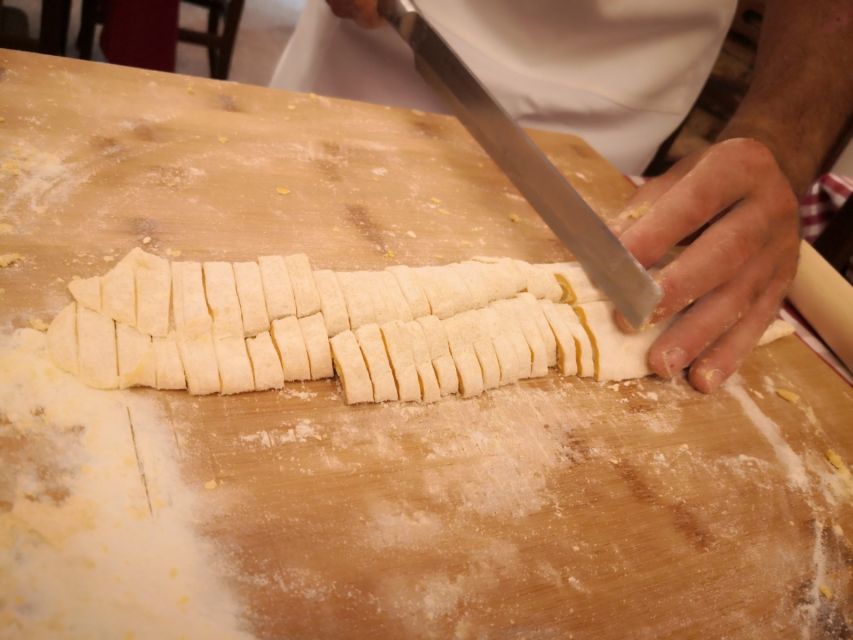
The main event is making fresh pasta from scratch. You’ll mix and handle dough, learn the right flour approach, and then shape it into something you can serve and eat. Most evenings focus on Roman-style pasta preparations, and at least one past group noted using a hand crank machine to roll the dough. Either way, the goal is the same: you walk away with a method you can repeat at home.
What makes this practical is how often the instruction is step-by-step and hands-on. People mention laughing while they cook, which is not just fun. Humor usually means you’re not afraid to ask questions when your dough feels too dry, too sticky, or uneven.
After you make it, you don’t just package it and leave. You eat what you made, as part of a real meal. That’s the difference between learning a technique and learning dinner.
The seasonal Roman-Jewish menu: artichokes or zucchini flowers
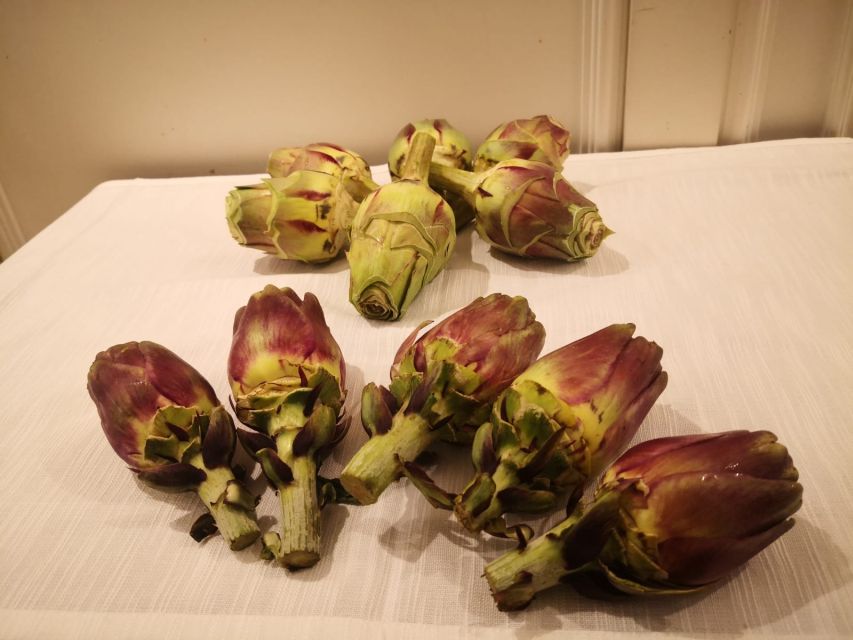
Here’s where the class gets extra Roman. The menu changes with the season, and the seasonal focus isn’t just marketing. It directly changes what you handle and what you taste.
In colder months, you may learn how to peel artichokes for a Jewish-style Roman preparation. Artichokes aren’t a casual ingredient. They take real prep time, and learning the process is useful even if you never cook pasta again.
In warmer months, you might work with zucchini flowers and make a fritto-style Roman dish (often referred to as fritto romano). Zucchini blossoms are delicate, which means the class becomes a crash course in gentler handling and quick cooking.
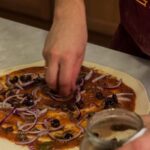
You’ll also spend time cleaning and preparing seasonal vegetables to fry, then tasting along the way. Even if you’re not a confident cook, it’s a great way to learn how flavors build in Roman-Jewish cooking: simple ingredients, careful timing, and food that tastes like it came from a real home kitchen.
One bonus: some evenings may include learning about classics like cacio e pepe from the chef’s perspective. Even if the exact menu varies, the teaching style stays consistent: the chef explains what matters and why.
Wine, appetizers, and a real sit-down meal (not just samples)
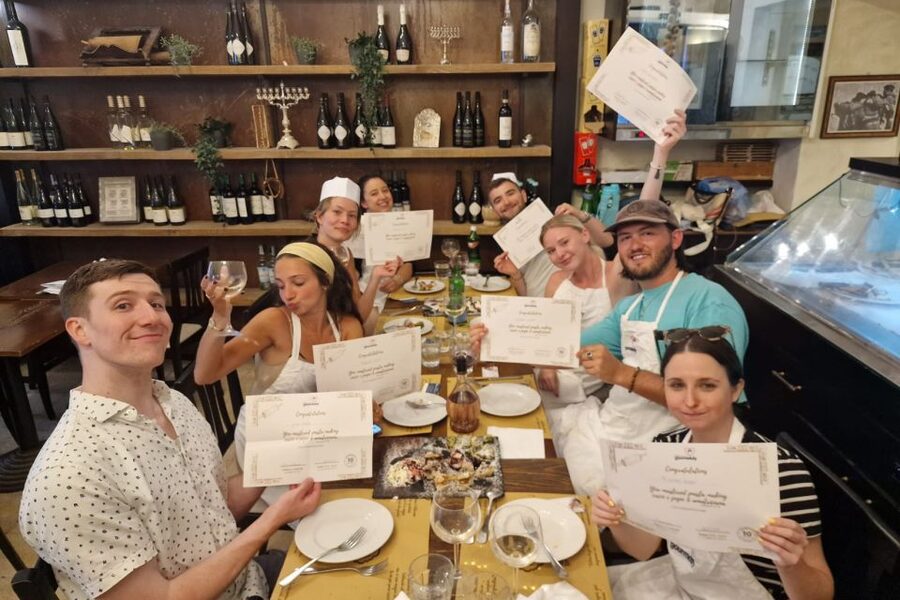
Yes, there’s wine. Italian wine and bottled water are included, and you’ll drink as you cook and eat. It’s not an all-day party, but the wine makes the kitchen feel less instructional and more communal.
The food structure is a genuine 3-course flow: fresh homemade pasta, a seasonal main (often centered on vegetables or Roman-Jewish cooking), and a traditional dessert. Your pasta and dishes are served as part of the same meal, so you get the satisfaction of finishing the whole dinner.
Dessert is also a highlight. A standout you can expect is torta di ricotta e visciola, a ricotta cheesecake-style treat made with simple ingredients. One of the nicest things about this dessert is that it’s not trying too hard. It’s the kind of sweet that feels like it belongs in a local family tradition rather than a chef’s performance.
Some classes have featured more dessert variety, described as a flight. Since the exact number can vary, don’t assume a huge spread every time, but do know that dessert is part of the emphasis, not an afterthought.



Recipes, tips for the next days, and how to use what you learned
You’ll receive recipes at the end of the class. That’s huge for anyone who worries that cooking classes are all memory and no follow-through. Having written recipes means you can recreate your menu at home without guessing measurements or order.
You also get a list of tips and recommendations for the following days. This isn’t just where to find another tourist attraction. It’s advice tied to what you just ate and learned, so it’s easier to decide what to do next in Rome with less wandering and more intention.
If you want a quick self-test for value: can you picture cooking the same pasta again with your kitchen tools? If the answer is yes (and the class is designed to make that more likely), then the lesson is doing what it should.
Price and value of a $94 pasta lesson with dinner
At $94 per person for 3 hours, you’re paying for more than instructions. You’re paying for:
- A small group setting where you actually cook
- Kitchen equipment and a restaurant chef’s guidance
- A full 3-course meal you eat on-site
- Wine included
- Recipes and follow-up tips
Cooking classes can be pricey in Rome, and some are heavy on marketing and light on food. This one feels more balanced because you don’t just learn; you eat like you finished dinner.
That said, you should go in with realistic expectations. It’s an enjoyable class designed for good times and shared learning, not a formal culinary school. If you’re looking for long, in-depth technique drills for advanced pasta mastery, you might feel the pace is too relaxed.
Practical notes: gluten, allergens, and what not to assume
First: this class is not kosher, and the restaurant is also not kosher. If kosher matters for you, skip this one.
Second: the pasta itself is not gluten-free. However, if you can touch flour without trouble, you can join and eat packaged gluten-free pasta. This is helpful if you have dietary restrictions but need a practical workaround. Still, you should ask questions early because cross-contact risk isn’t addressed in the info you have.
Third: allergens that can be present include milk, eggs, soya, mustard, nuts, and gluten. That’s a broad list. If you’re allergic to any of these, you’ll want to clarify what’s used and what substitutions can happen before booking.
Finally: the class isn’t suitable for wheelchair users, and pets aren’t allowed.
Who should book this class, and who might prefer something else
This experience is a strong fit if you want:
- A break from monuments and long walking days
- A hands-on activity with local people
- A true Roman-Jewish food taste, not a generic Italian pasta lesson
- A social evening where you laugh while you cook
It’s also family-friendly. One family with teens described it as a trip highlight, and another review praised it as great for families.
You should also consider it if you’re vegetarian or vegan. The info says vegetarians and vegan people are welcome, and at least one vegan/vegetarian group noted the team accommodated them. Still, don’t assume every dish will be vegan since some menus feature dairy (like ricotta-based dessert). If you need strict vegan, message ahead and confirm what’s changed.
Who might want to skip it? If you want maximum hands-on frying time or a wider range of cooking techniques beyond pasta and a seasonal menu, you could find the focus narrower than you expected. One review specifically flagged limited hands-on for certain steps and the limited variety of pasta.
Should you book this Rome Jewish Ghetto cooking class?
I’d book it if you want a straightforward, enjoyable way to learn Roman cooking while staying connected to the Jewish Quarter’s food traditions. The small group, the chef-led kitchen time, the wine, and the fact that you eat a full meal make the $94 price feel more like a dinner experience than a dry class.
I’d think twice if kosher is required, if you need the meal to be fully gluten-free with strict handling guarantees, or if you need wheelchair access. Also, if your goal is intense culinary technique training, this may feel too casual.
If you fit the first group, this is one of those Rome nights that gives you something you can actually repeat at home. And you get the bonus of returning to the street with full stomach energy, not just a souvenir recipe card.
FAQ
What is the duration of the Rome traditional cooking class?
The class lasts 3 hours.
Where do I meet the guide?
You meet the foodie guide at Restaurant Taverna del Ghetto outside the door.
How large is the group?
It’s a small group limited to 10 participants.
Is the class taught in English?
Yes, there is a live English guide.
What do I eat during the class?
You’ll have a 3-course meal with fresh homemade pasta, a seasonal main course, and a traditional dessert.
Is wine included?
Yes. Italian wine and bottled water are included.
Is the restaurant or class kosher?
No. This cooking class is not kosher, and the restaurant is not kosher.
Is the pasta gluten-free?
No. The pasta made in the class is not gluten-free, though packaged gluten-free pasta is available if you can touch flour.
Are vegetarian or vegan diets accommodated?
The class states that vegetarians and vegan people are welcome, but you should still confirm substitutions since common allergens like milk and eggs can be present.
Is the activity wheelchair accessible?
No, it’s not suitable for wheelchair users.
FAQ
Can I cancel and get a refund?
Yes. Free cancellation is available up to 24 hours in advance for a full refund.
Are pets allowed?
No, pets are not allowed.