REVIEW · KUALA LUMPUR
Kuala Lumpur: Malaysian Cooking Class with Market Tour
Book on GetYourGuide →Operated by Lazat Cooking Class · Bookable on GetYourGuide
Market-to-meal cooking beats guesswork. You start at the TTDI Wet Market and end by eating your own 3-course lunch, guided by chefs who care about technique and tradition. What I love is how hands-on it feels, plus how the market visit makes every ingredient you touch make sense. You’ll also get that small-group vibe that keeps things calm, safe, and personal.
One thing to plan for: transport isn’t fully covered, so you’ll need to get to the TTDI Wet Market on your own, and there’s no ride after class ends.
In This Review
- Key highlights worth caring about
- TTDI Wet Market at 8:30: your ingredient training ground
- LaZat Cooking School and Ana’s garden-to-stove philosophy
- The heart of the day: a 3-course lunch you build from scratch
- Appetizer, main, dessert: why the order matters
- Small-group energy: better questions, better safety
- Meet the teachers: Saadiah’s cultural storytelling
- Your own cooking station: why the gear list matters
- Included extras that make the class feel like a full day
- Price and value: is $149 worth it?
- Who this suits best (and who might want a different option)
- Practical tips before you go
- Should you book LaZat’s Malaysian Cooking Class?
- FAQ
- Where do I meet for the class?
- What time does the market tour start?
- How long is the experience?
- Can I join without doing the market tour?
- What will I cook?
- What’s included in the class fee?
- Are alcoholic beverages included?
Key highlights worth caring about
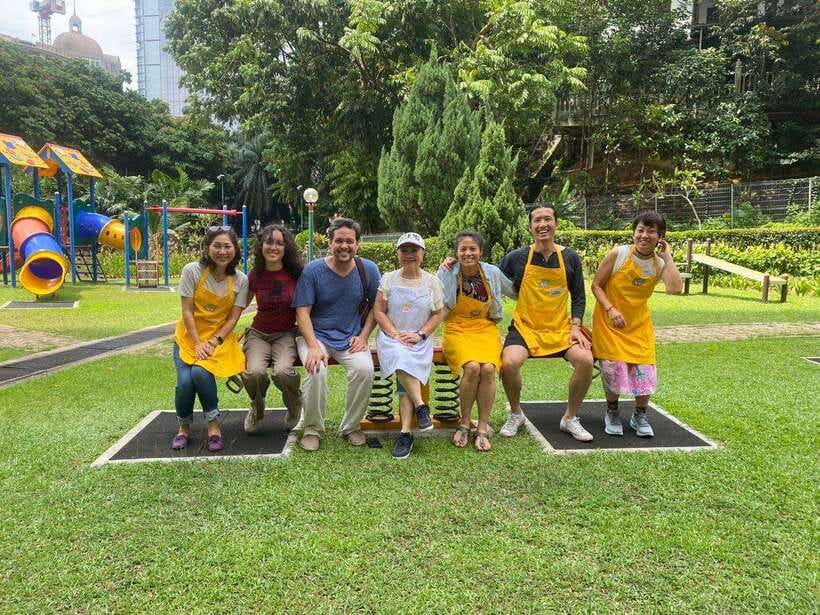
- TTDI Wet Market at 8:30 AM to see the ingredients before you cook them
- A 3-course lunch you make yourself: appetizer, main, and dessert
- Small-group instruction with an English, Malay, or Chinese-speaking instructor
- Personal cooking setup with a gas burner stove, countertop, and lots of utensils
- Founder Ana’s garden-and-farm approach to herbs and spices
- Teachers with real cultural context, including standouts like Saadiah (often Saturdays)
TTDI Wet Market at 8:30: your ingredient training ground
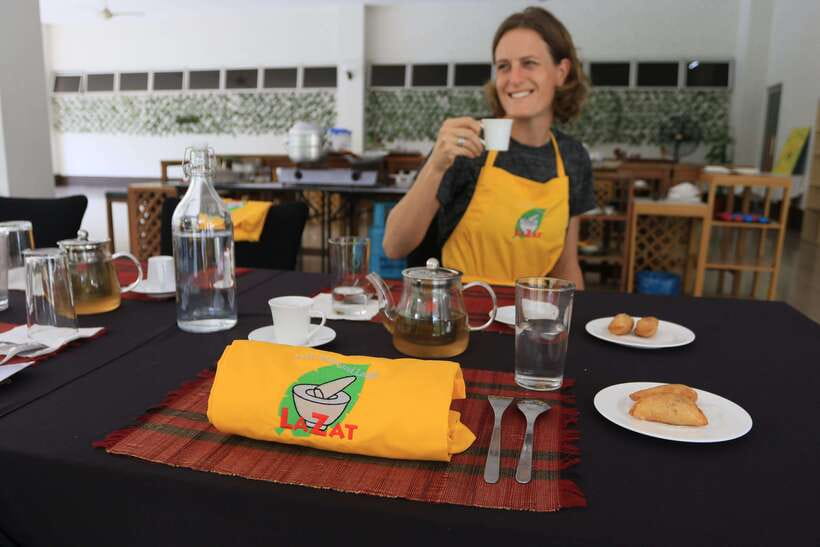
This class starts where most people only snack: the TTDI Wet Market. You meet your group at the entrance facing Jalan Wan Kadir, and you begin at 8:30 AM with a market tour focused on practical cooking. Instead of vague “try this spice” moments, you learn what ingredients are, how they’re used, and why they matter to Malaysian flavor.
I really like that the market part is not just sightseeing. It sets you up for better choices when you’re later assembling dishes. You also get a chance to see how food is selected in real life, not in a supermarket aisle with perfect labels.
If you’re short on time, you can skip the market tour and join later. That’s a helpful option, but if you enjoy shopping and want the full context, going early gives you the best payoff.
You can also read our reviews of more tours and experiences in Kuala Lumpur.

LaZat Cooking School and Ana’s garden-to-stove philosophy
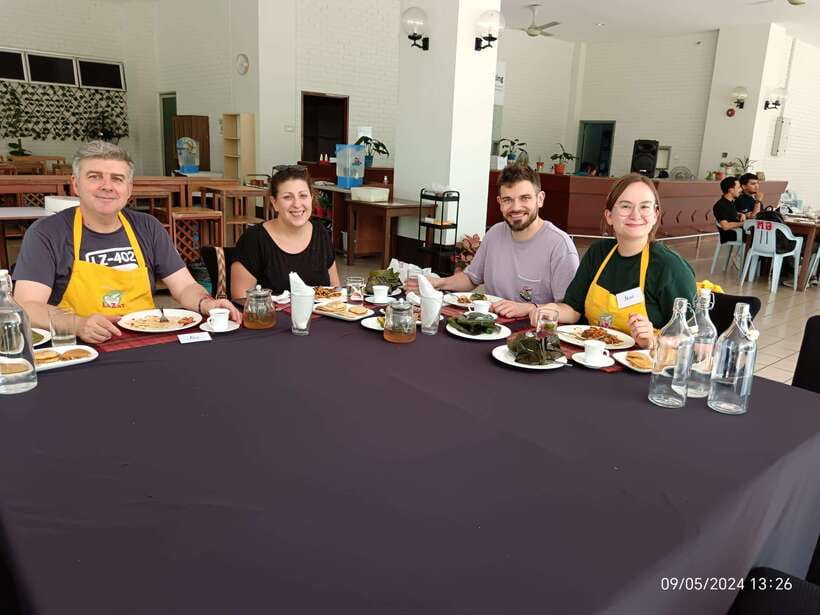
Once you move from the wet market to LaZat Cooking, the class shifts from buying ingredients to using them correctly. The school emphasizes fresh herbs and spices grown in a garden and sourced from local farms. That sounds like marketing, but it also explains why the food tastes different from what you get from generic spice blends.
Founder Ana’s motto is all about treatment of ingredients—massage them and add love—so you don’t treat cooking like assembly work. You learn that even simple prep steps can change the final flavor and aroma. In plain terms: this is the kind of class where technique is the secret ingredient.
There’s also a clear emphasis on tradition. Each day features a different ethnic menu, so you’re not just repeating the same “KL greatest hits.” That rotating approach also helps the class feel like a cultural lesson rather than a cookie-cutter demonstration.
The heart of the day: a 3-course lunch you build from scratch
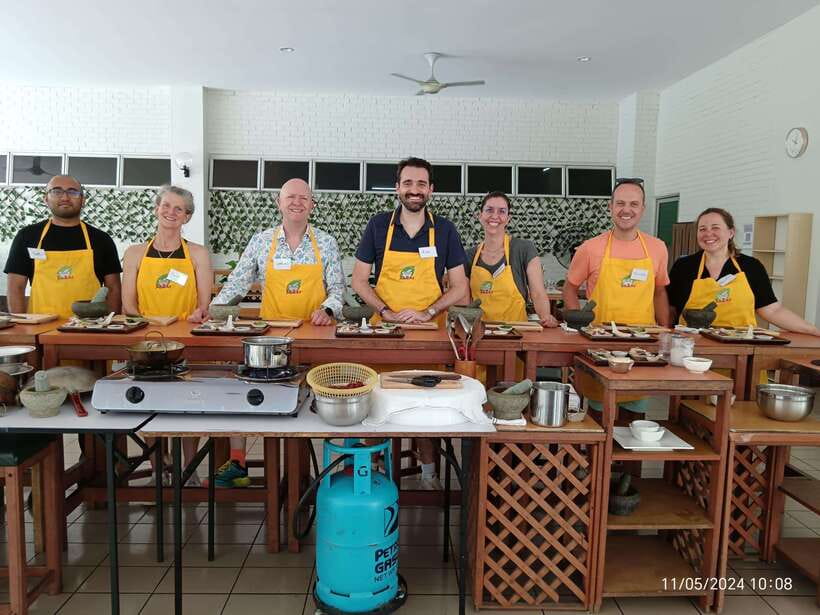
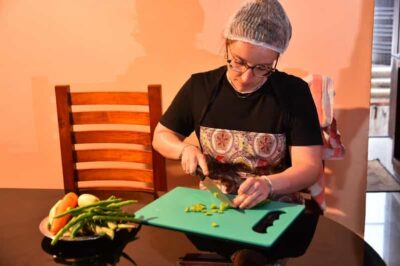
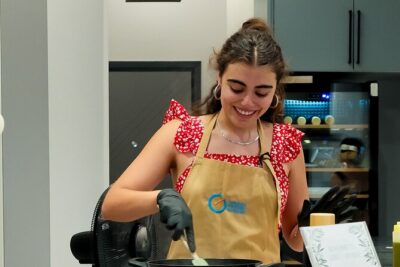
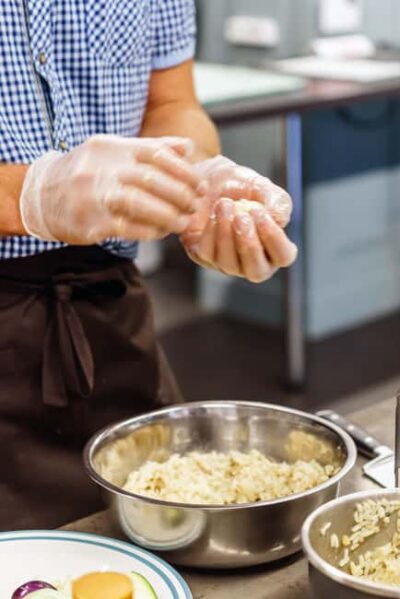
The main event is a hands-on cooking session where you create a full 3-course lunch: appetizer, main course, and dessert. This matters because you’re not just watching someone else work. You’re getting your hands on the key steps that usually separate home cooking from restaurant results.
The menu changes by day, but the learning focus stays consistent: you’ll cook traditional Malaysian dishes with guidance from local chefs. In at least one class, the menu included Nasi Lemak and Chicken Rendang, and the process was treated like more than a recipe dump. Your instructor ties what you’re doing to the dish’s background and why particular flavors show up.
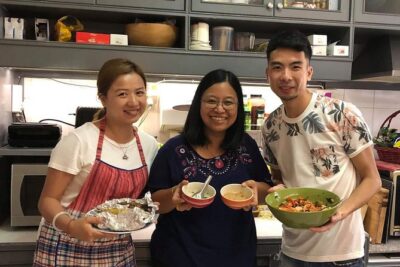
Here’s what I think you’ll enjoy most: you’ll taste what you’re making at the end of class, together with the group. That turns a lesson into an actual meal, which is where most cooking classes either shine or fall flat.
Appetizer, main, dessert: why the order matters
Think of the 3-course flow as a practical way to learn Malaysian flavors without cooking chaos. Starting with an appetizer helps you get warmed up on cutting, grinding, and seasoning. The main course is where technique gets more serious. Then dessert gives you a different side of Malaysian cuisine—less about savory depth and more about balance and comfort.
If you’re someone who likes to cook at home later, this structure is gold. You’ll leave with a full meal plan idea, not just one impressive dish.
Small-group energy: better questions, better safety
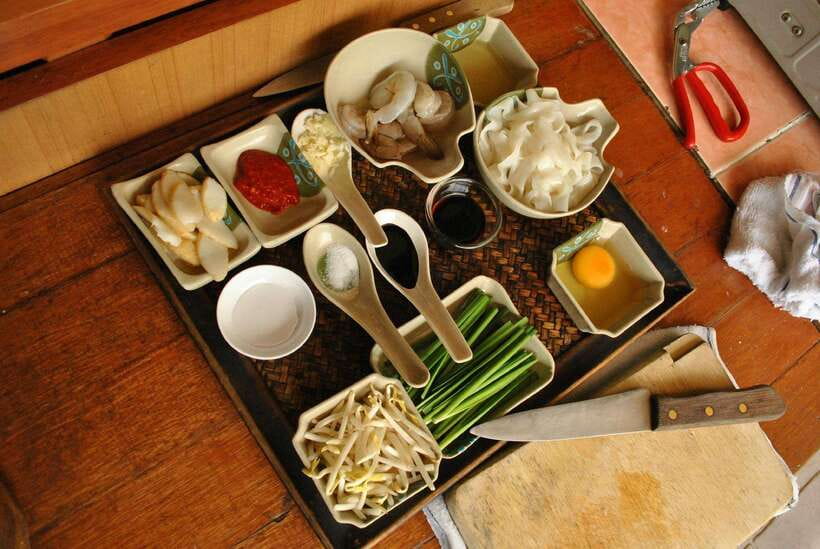
The class is designed for a small group, so you’re not trapped watching over shoulders while your stove sits untouched. One review highlighted that organization, safety, and enjoyment were always part of the hosts’ attention. That’s exactly what you want in a cooking class, especially when you’re working with hot burners and sharp tools.
You also benefit from the instructor being able to explain while correcting. When you’re cooking your own dishes, you need feedback fast—too much salt, wrong texture, timing off by a minute. Small group size makes that realistic.
Language support is another quiet win. Instructors can teach in English, Malay, and Chinese, which makes it easier to follow steps precisely and ask for clarification when you’re unsure.

Meet the teachers: Saadiah’s cultural storytelling
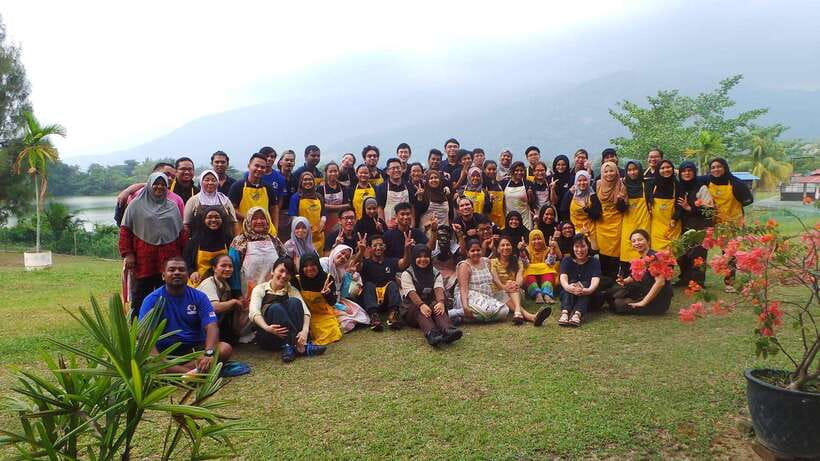
One instructor stood out in multiple ways: Saadiah. People described her as a highlight of the experience, and she didn’t just run the kitchen—she shared life details, history, and culture while teaching. That’s a big deal because Malaysian cuisine is not one-note. Different communities, different cooking styles, different spice approaches.
One review also mentioned that Saadiah is usually the Saturday teacher. If you can choose your day, that timing could be a smart way to maximize the value of the class.
Another market detail that came through clearly: roti canai was part of the morning market experience, and it was described as a favorite. That matters because it signals something practical: the market tour can include real food you can taste, not just ingredient explanations.
Your own cooking station: why the gear list matters
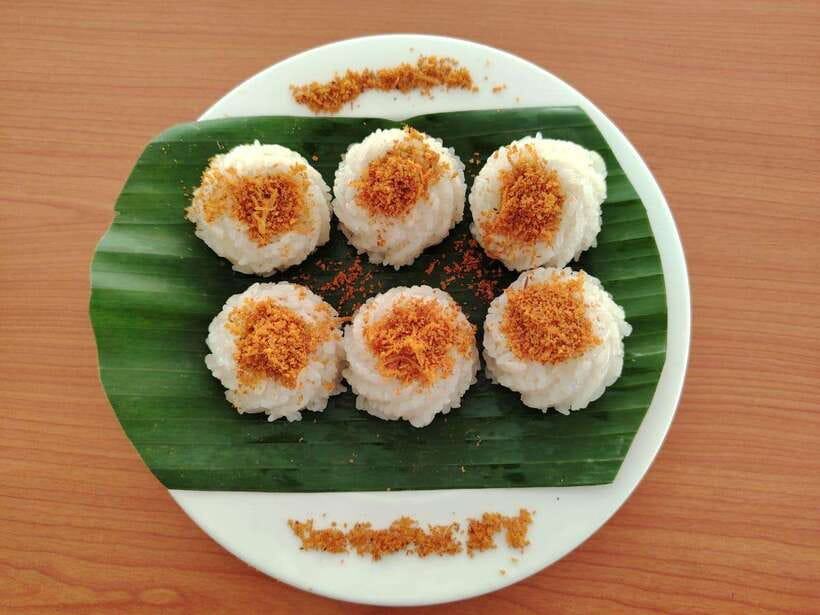
A class feels “real” when you get to cook with your own tools, and this one gives you an individual set. Each participant gets equipment including:
- a gas burner stove
- countertop setup
- cooking utensils and traditional utensils
- mortar & pestle
That gear list isn’t filler. Mortar & pestle time is where spices and aromatics start behaving like the dish they’re meant for. If you’ve ever tried to recreate Malaysian flavors at home using only pre-ground spice, you know how flat it can feel. Grinding and preparation steps are a huge part of the magic.
Also, having a full setup per person means you’re less dependent on watching and waiting. You’ll stay engaged, and you’ll be more confident when you try cooking later.
Included extras that make the class feel like a full day
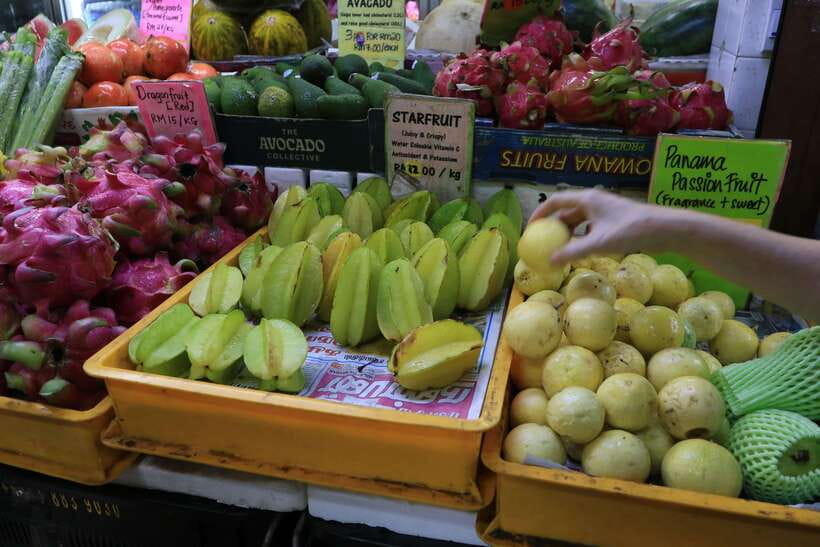
This experience is priced for the whole production, not just instruction. You get snacks, plus coffee and/or tea. There’s also a transfer from the wet market to LaZat after the market tour, so you’re not juggling rides mid-experience.
One more practical point: the class runs 330 minutes. That’s about 5.5 hours, which is long enough to learn multiple steps properly. Short cooking classes sometimes cram everything and leave you stressed. This one has time for an actual flow: market → school transfer → prep → cooking → eating.
Alcoholic beverages are not included. If you like drinks with food, plan on skipping them here or budgeting separately elsewhere.
Price and value: is $149 worth it?
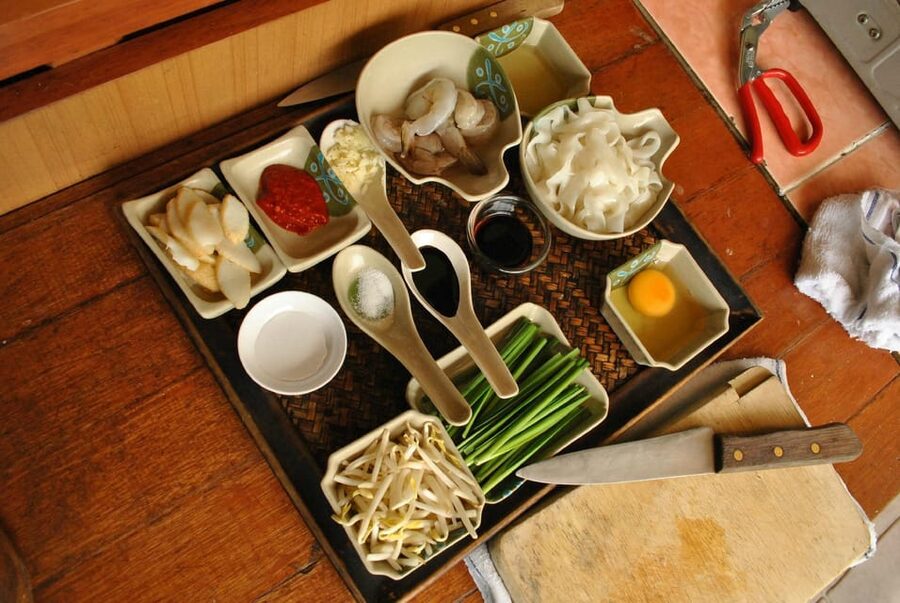
At $149 per person for about 5.5 hours, you’re paying for several things at once: guided market learning, hands-on cooking, your own equipment, and the meal you’ll eat at the end.
What makes it feel like value is the combination:
- You’re not just cooking one dish, you’re making a full 3-course lunch.
- You’re not sharing tools and waiting in line, you have your own stove and setup.
- You’re getting cultural context from local chefs, especially instructors like Saadiah when she’s teaching.
- You’re also getting the ingredient education from the market, which helps you understand the “why,” not just the “how.”
If you’re the type who likes to cook and wants repeatable skills, this price is more reasonable. If you only want a quick taste of Malaysian food with no interest in learning technique, you might prefer something shorter and cheaper.
Who this suits best (and who might want a different option)
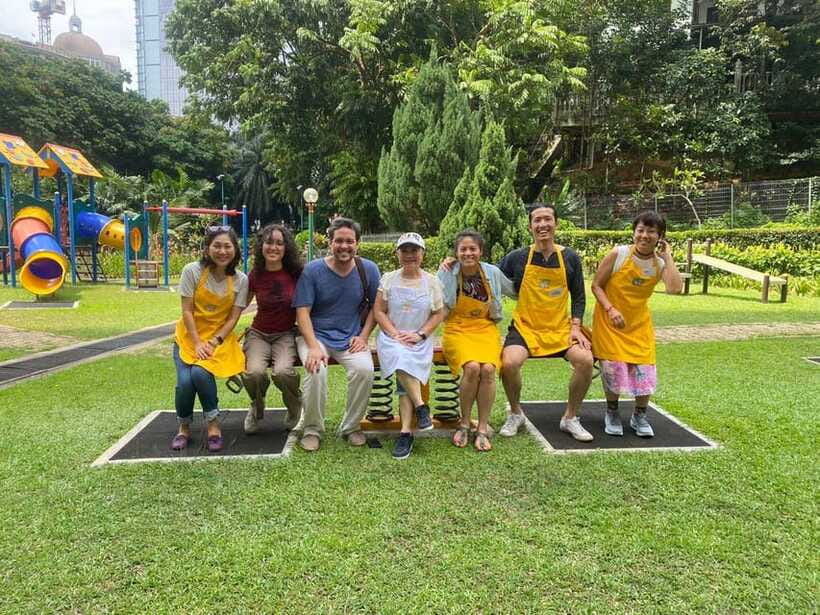
This class fits you well if you:
- want a hands-on cooking experience rather than a demo
- enjoy markets and want to understand ingredients before cooking
- like learning from instructors who bring culture and personal context
- want a structured way to learn Malaysian dishes across a full meal
It may be less ideal if you:
- hate early starts. The 8:30 AM market tour sets the tone
- have transportation challenges getting to TTDI Wet Market on your own
- expect alcohol to be part of the experience (it’s not included)
Good news: dietary needs are welcomed, and the class is set up to include different participants comfortably. The exact accommodations aren’t spelled out here, so if you have strict needs, it’s smart to confirm what can be adjusted for your menu.
Practical tips before you go
These are small things that can make the day smoother:
- Wear comfortable shoes. You’ll be moving between the market and the school.
- Come hungry, but don’t overdo it before the market stops. You’ll snack and drink coffee/tea, and then you’ll cook a full meal.
- Bring a curious mindset. This class works best when you ask questions about ingredients and prep steps.
- If you really want the market experience, plan to join the 8:30 AM start rather than skipping ahead.
Also, remember transfers are only from the wet market to the school after the tour. Transport to the wet market before class and transport after class ends are on you.
Should you book LaZat’s Malaysian Cooking Class?
If you want one KL activity that mixes real food culture with learnable technique, I’d book this. The strongest reason is simple: you’re not just eating Malaysian cuisine, you’re cooking it with guidance, in a small group, using your own stove and tools.
It’s especially worth it if you care about details like spice prep and ingredient choice. The market tour turns the meal into a story you can explain at home, and the 3-course structure gives you practical results.
I’d skip it only if the biggest value for you is nightlife, shopping malls, or a fast tasting-only experience. For cooking-focused travelers who like to return home with skills, this is a solid use of your day. Reserve plans look flexible, and you can cancel up to 24 hours in advance for a full refund, so there’s little risk in holding your spot while you finalize KL plans.
FAQ
Where do I meet for the class?
You meet at TTDI Wet Market, at the entrance facing Jalan Wan Kadir.
What time does the market tour start?
The market tour starts at 8:30 AM.
How long is the experience?
The duration is 330 minutes.
Can I join without doing the market tour?
Yes. If you prefer, you can skip the market tour and join later.
What will I cook?
You’ll create a 3-course lunch including an appetizer, main course, and dessert.
What’s included in the class fee?
Included are an individual set of cooking equipment (including a gas burner stove, countertop, utensils, traditional utensils, and mortar & pestle), snacks, coffee and/or tea, and transfer from the wet market to LaZat after the market tour.
Are alcoholic beverages included?
No, alcoholic beverages are not included.