REVIEW · POSITANO
Ravioli & Tagliatelle Cooking Class at a Local’s Home in Positano
Book on Viator →Operated by Barba Angela · Bookable on Viator
Cooking class here feels like visiting a kitchen with views. You’ll start in Positano, head up toward Montepertuso, enjoy a scenic stop at Li Galli, then return to a family home where you cook, taste, and eat together for about 3 hours. It’s taught in English, capped at a small group size, and designed so you learn pasta skills you can repeat later at home.
I especially love the garden-to-plate approach. You’ll pick fresh ingredients together and taste what’s going into the meal, then turn it into real dishes like ravioli filled with ricotta (or vegetables or meat, based on what you choose) and hand-made tagliatelle.
One thing to consider: this is a home setting with a scenic up-and-out route, and the experience requires good weather. If you’re hoping for a guaranteed beach-level, no-stairs afternoon, plan for a bit of travel time and keep an eye on the forecast.
In This Review
- Key takeaways before you book
- Entering a Positano Home, not a Restaurant Classroom
- Montepertuso and Li Galli: the Scenic Setup That Makes Cooking Better
- Garden Ingredients and an Aperitif You Actually Want to Start With
- Ravioli in Positano Style: Filling Choices and Dough Work
- Tagliatelle: The Handmade Noodles Moment
- Tiramisu and the Family Pour of Prosecco and Limoncello
- What the St. Agata-style Family Stories Add to the Meal
- Photos, PDF Recipes, and Taking This Home (For Real)
- Price and Value: Is $181.41 Reasonable in Positano?
- Who This Cooking Class Fits Best (and Who Might Not Love It)
- Should You Book This Positano Ravioli and Tiramisu Class?
- FAQ
- How long is the cooking class?
- What pasta dishes and dessert will we make?
- Is the class offered in English?
- Where does the experience start?
- How large is the group?
- What food is included?
- Is it suitable for children?
- What if the weather is bad or I need to cancel?
Key takeaways before you book

- A max group of 14 means you’ll actually work at the table, not just watch.
- Montepertuso + Li Galli adds an Amalfi Coast viewpoint break before the cooking starts.
- Ravioli and tagliatelle are both hands-on, with filling choices for the ravioli.
- Tiramisu is included, and it’s taught as an old-family recipe, not a shortcut.
- Wine, prosecco, and limoncello come with the meal, plus an aperitif to begin.
Entering a Positano Home, not a Restaurant Classroom
The meeting point is Piazza Cappella, 84017 Positano SA, and the whole feel is built around the idea that you come as participants and leave feeling like part of the household. This is not a big production. With a maximum of 14 people, the instructor can slow down when dough needs patience and can correct your technique without rushing the room.
You’ll also be working in a setting that’s close to public transportation, which matters in Positano where getting off the main strip can be its own mini-adventure. If you’re staying near the center, you’ll likely find it easier than some “far out” activities that require a full private transfer.
One practical plus: the experience runs in English. That means you can focus on the “why” behind the steps, not just the motions. And because it’s about 3 hours, it’s a comfortable chunk of time for your day—long enough to make pasta from scratch, but short enough that you won’t feel like you’ve lost half your trip.
You can also read our reviews of more tours and experiences in Positano.


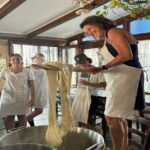
Montepertuso and Li Galli: the Scenic Setup That Makes Cooking Better
The day includes two stops: Montepertuso first, then Li Galli. Even if you only catch a few photo moments, it sets the mood. Positano is dramatic, but it’s easy to spend your time just seeing views from crowded viewpoints. This format gets you moving toward the kind of angles locals know best, and it gives the cooking a “we’re not rushing” rhythm.
Montepertuso is higher up, and that matters. In practical terms, you should expect you’ll be spending part of your afternoon away from the beach bustle. You don’t need to be an athlete, but comfortable shoes help. The group format also tends to be friendly for kids since the experience is described as suitable for children, yet you’ll still want adults in your party to handle any extra walking up or down depending on where you’re picked up and how you move.
Then comes the Li Galli stop—an eye-opening reminder that this coastline isn’t just pretty postcards. When you’ve got the view in your head, you cook differently. You pay more attention to ingredients, texture, and timing. It’s easier to remember what you’re doing when the scenery is doing half the teaching.
Garden Ingredients and an Aperitif You Actually Want to Start With
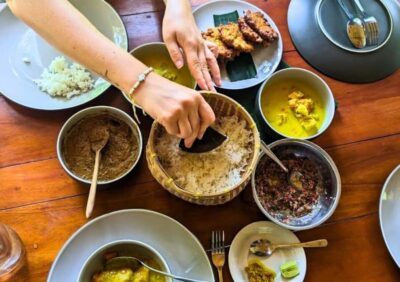
Before the pasta work starts, you’re welcomed with an aperitif and local products. One starter includes salami, tarallucci, local cheese, olives, plus prosecco. Another starter is more garden-forward: caprese with local mozzarella and fresh tomatoes, rocket, and grilled vegetables made from what’s grown and picked at the home property.
This garden-to-table detail is one of the biggest reasons this class feels authentic. Instead of watching someone assemble ingredients from a shop bag, you get to see what’s fresh and what’s seasonal, and you get a sensory sense of what will taste like something when it lands on your plate.
And yes, the food starts early. That’s not filler—it helps you settle in, loosen up, and get ready for the hands-on pasta steps. If you’re the type who gets impatient when classes start with a long lecture, this one tends to keep you engaged right away with tasting and making.
Ravioli in Positano Style: Filling Choices and Dough Work
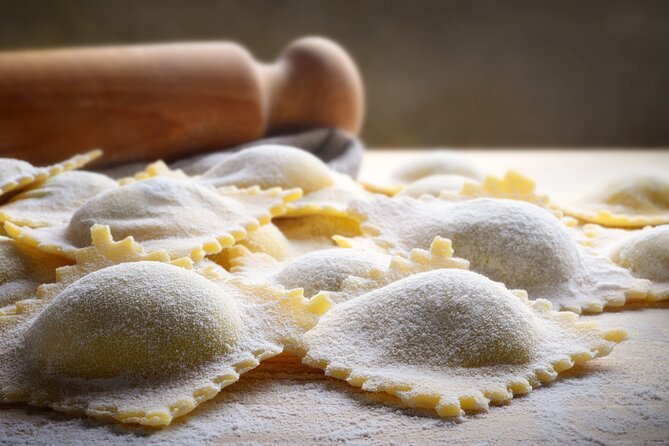
Now for the main event: ravioli. You’ll make fresh ravioli dough together, and the filling can be chosen with guidance. Common options include ricotta, vegetables, or meat, depending on what you decide during the class. That choice piece matters because it turns a rigid menu into something personal. You’re not just learning the technique; you’re learning how to adapt it.
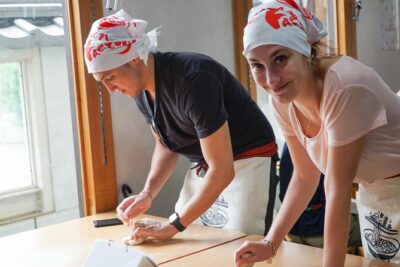
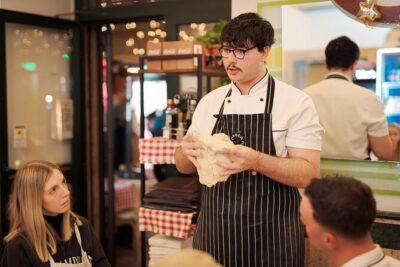
Ravioli dough is where the group effort shows. You’ll feel it when the dough stretches, when it needs attention, and when everyone’s hands become part of the process. In a small class, it doesn’t turn into chaos—it turns into teamwork. If you’ve never done pasta before, ravioli is a great first lesson because it teaches structure: thickness, sealing, and the importance of working carefully rather than fast.
Also, this is one of the places where the class earns its praise for being fun. The vibe is described as lively and family-involved, and that energy helps when your first attempt looks a bit “rustic.” In other words: don’t worry if your ravioli aren’t identical on day one. The point is to learn the method.
Practical tip for technique: keep an eye on the dough thickness and don’t rush the filling. The class’s teaching style is built around getting you to a good result, not just completing a checklist.
Tagliatelle: The Handmade Noodles Moment
After ravioli, you’ll move to tagliatelle, another hand-made pasta. You’ll work with fresh ingredients, including garden produce, and you’ll learn how to shape noodles the traditional way. Tagliatelle is a different kind of skill than ravioli: less about sealing edges, more about consistency and cutting/shaping so the pasta cooks evenly and holds sauce well.
This second pasta type is smart teaching design. If the class only did ravioli, you might leave knowing one technique. With tagliatelle too, you understand how pasta changes depending on the form—how it behaves in the pot and how it feels on the fork.
I also like that the class makes you participate in both the ingredient side and the dough side. That combination is what helps you recreate the experience later at home. You don’t just get recipes; you gain muscle memory.
Tiramisu and the Family Pour of Prosecco and Limoncello
No cake means no party in this kitchen, and tiramisu is included. You’ll learn how to prepare it as an old recipe from the family grandmother. Dessert is a key part of why people rave about this class: it gives you a satisfying finish after you’ve worked hard enough to earn it.
And the drinks are part of the meal pacing. You start with an aperitif, and the class includes a local wine selection. Limoncello also shows up, described as homemade by the family. More than one person highlights the amount of wine and the easygoing, social nature of the table.
A word of practical honesty: you’re here to cook, so pace yourself. The goal isn’t to get “vacation drunk.” It’s to enjoy wine while you learn and share. If you want to take notes, taste each stage, and stay alert for sauce and dough timing, keep it to a casual pour.
What the St. Agata-style Family Stories Add to the Meal
This class doesn’t treat food as disconnected from people. You’ll hear family history tied to the area, including stories about origins and traditions that shaped how they cook today. The hosts—often named as Emily and Gennaro, with family members involved—mix teaching with storytelling, and that’s why the experience doesn’t feel like a standard class.
That matters because learning pasta isn’t only technical. You’re learning attitudes: when to slow down, why certain ingredients matter, and how recipes get carried forward. When someone explains how a grandmother’s approach became the family’s method, it’s easier to respect the “small” steps that make the final dish taste right.
If you’re traveling with a partner, friends, or even solo, this storytelling element also helps you relax. You’re not sitting in a silent classroom. You’re at a shared table with people who want you to enjoy the process.
Photos, PDF Recipes, and Taking This Home (For Real)
One of the most useful parts of this experience is that you don’t leave empty-handed. Recipes are shared afterward, and at least one account notes you receive a PDF and even extras beyond what you made. That turns the class from a one-time memory into something you can cook again.
You may also get help from the hosts with the experience’s flow in a practical way. For example, there are reports of photo and video sharing via WhatsApp shortly after the class. That’s more than a nice-to-have if you want to remember what the dough looked like before it met the pan.
Then there’s the equipment side. Some people come home thinking about buying a pasta maker, because making your own dough is the moment where it stops feeling abstract. Even if you don’t buy one, you’ll understand how fresh pasta changes the whole meal.
Price and Value: Is $181.41 Reasonable in Positano?
At $181.41 per person, this isn’t a budget activity. But it’s also not an overpriced “tourist cooking show.” The value stacks up in a few ways:
- You’re cooking three authentic recipes: ravioli, tagliatelle, and tiramisu.
- You get an aperitif and a meal with starters that include local cheeses, olives, caprese using local mozzarella and tomatoes, plus grilled vegetables.
- Drinks are part of the class experience, including prosecco and a local wine selection, plus limoncello.
- The group is small (max 14), which usually means more hands-on time and less standing around.
That last part is the quiet hero. In larger classes, you might stir once and eat once. In a small home setting, you actually work the dough and learn what you’re doing. For many people, that’s worth more than saving $30 and ending up in a factory-style kitchen.
Still, be honest about fit. If you’re on a tight schedule, you may decide this is more than you want to spend. But if you care about food and want something that feels local—not just “Italian-themed”—this price starts to make sense quickly.
Who This Cooking Class Fits Best (and Who Might Not Love It)
This class is a strong match if you want a calmer, hands-on afternoon in Positano. You’ll likely enjoy it most if you like:
- Cooking with fresh ingredients and learning technique
- Small group settings
- Food that comes with a story, not a script
- A social meal with family-style hospitality
It’s also described as suitable for children, which helps if your group includes kids who enjoy hands-on activities and eating together.
If you’re the type who hates any uncertainty—like weather-dependent outdoor or view-based timing—then you’ll want to be flexible. The experience requires good weather, and poor conditions can lead to an alternative date or full refund.
Also consider transport comfort. The itinerary includes stops up toward Montepertuso, and the home setting is away from the main beach area. Plan for the idea that you’ll spend part of your time traveling a bit and not just strolling.
Should You Book This Positano Ravioli and Tiramisu Class?
I’d book it if you want an experience that’s more than a recipe dump. The combination of garden picking, ravioli + tagliatelle hands-on teaching, and a family-style tiramisu finish—paired with local wine and limoncello—creates a full evening’s worth of satisfaction in about 3 hours.
Skip it or think twice if:
- Your schedule is too rigid to handle a weather-dependent plan
- You dislike anything involving up-and-down travel to a hillside home
- You only want a quick, low-cost activity
If you do book, show up hungry, wear comfortable clothes, and be ready to work with others at the table. This is one of those classes where the best souvenir might be the skills—and the memory of a view you’ll keep thinking about while you cook later.
FAQ
How long is the cooking class?
It runs for about 3 hours.
What pasta dishes and dessert will we make?
You’ll make ravioli and tagliatelle, plus tiramisu.
Is the class offered in English?
Yes, it’s offered in English.
Where does the experience start?
You meet at Piazza Cappella, 84017 Positano SA, Italy.
How large is the group?
The group size is capped at maximum 14 travelers.
What food is included?
You’ll get a welcome aperitif and local starters, then a meal featuring the pasta you make, and dessert tiramisu.
Is it suitable for children?
Yes, this activity is described as suitable for children.
What if the weather is bad or I need to cancel?
The experience requires good weather. If it’s canceled due to poor weather, you’ll be offered a different date or a full refund. Free cancellation is available up to 24 hours in advance for a full refund.