REVIEW · JAIPUR
Jaipur Market Tour & Vegetarian Rajasthani Home Cooking Class
Book on Viator →Operated by Traveling Spoon · Bookable on Viator
Shopping in a Jaipur market teaches your stomach. Then you turn those ingredients into a vegetarian Rajasthani meal in a real home.
I like the market-to-home flow. You get guided help picking seasonal produce, and you’re not stuck guessing what to buy or how to use it.
One thing to consider: this is vegetarian only, and the menu can change with the season.
In This Review
- Key things you’ll actually notice
- Jaipur market to home kitchen: the real skill transfer
- Finding seasonal produce in a Jaipur street market
- Shalini’s home setup: a vegetarian Rajasthani class, family style
- What you cook: building a Rajasthani thali from scratch
- Spice, flavor, and the comfort of getting it adjusted
- Lunch or dinner: how timing shapes your Jaipur day
- Price and value: why $60 makes sense for this format
- Who this Jaipur experience is best for
- Small practical notes that can affect your day
- Should you book this Jaipur market and vegetarian cooking class?
- FAQ
- How long is the Jaipur market and cooking class?
- What is the price per person?
- Can I choose lunch or dinner?
- Is the class vegetarian?
- Where do we meet for the tour?
- What happens during the market part?
- What will we cook and eat?
- Is this a private experience?
- What about allergies or dietary restrictions?
- What if the weather is poor?
Key things you’ll actually notice
- Market shopping for seasonal ingredients with hands-on guidance
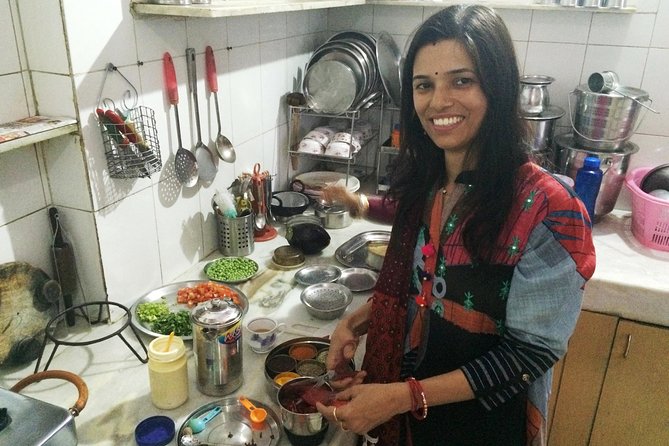
- A private, family-run cooking class in Shalini’s home
- Vegetarian Rajasthani cooking taught by Shalini and her mother-in-law
- Lunch or dinner options to fit your Jaipur day
- You eat what you cook, plus extra family dishes prepared ahead
- Flavor and spice skills you can recreate at home
Jaipur market to home kitchen: the real skill transfer
This experience is built around one practical idea: you learn more when you buy the ingredients first, then cook them in the same setting. The street market part matters because it trains your eyes and your choices. The cooking part matters because you watch techniques unfold with the right tools, the right routines, and someone correcting you as you go.
You’ll start with a local Jaipur street market visit to select ingredients for your class. Then you head to Shalini’s home, where her family teaches you to prepare a traditional vegetarian Rajasthani meal from scratch. The end goal isn’t just a tasty plate. It’s giving you the know-how to recreate the dishes after your trip—without needing to live in India again.
The tone also feels relaxed. It’s a private, personalized experience, so you’re not rushing through a rigid script. You can ask questions, and you get direct guidance when the language or spice names get confusing.
You can also read our reviews of more tours and experiences in Jaipur.

Finding seasonal produce in a Jaipur street market
The market stop is where the tour earns its keep. You’re not just walking past stalls. You’re actively selecting vegetables and ingredients based on what’s fresh and in season. That matters in Rajasthan cuisine, because seasonal produce shapes the flavors and texture of the dishes.
A big advantage for first-time visitors is the guidance during ingredient selection. Even if you don’t speak local languages, you’re supported while you learn what you’re picking and how it fits into the cooking plan. Instead of buying random items, you learn the logic behind the choices.
This also helps you avoid a common cooking-class trap: leaving with a shopping list that only makes sense in one specific city. Here, you’re learning the fundamentals of selecting quality produce, recognizing key ingredients, and understanding what those ingredients become once they hit the pot.
What I like for your first Jaipur food day: you’ll feel oriented fast. You’re learning the market rhythm, the ingredient language, and how home cooks actually think about vegetables.
Shalini’s home setup: a vegetarian Rajasthani class, family style
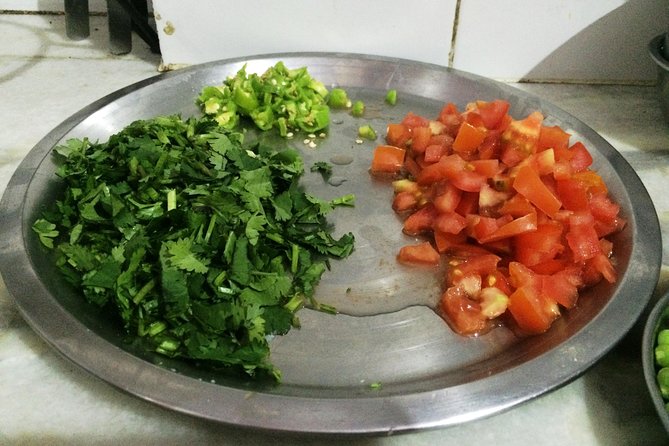
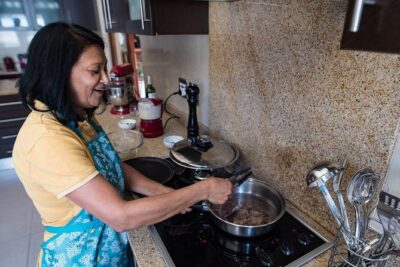
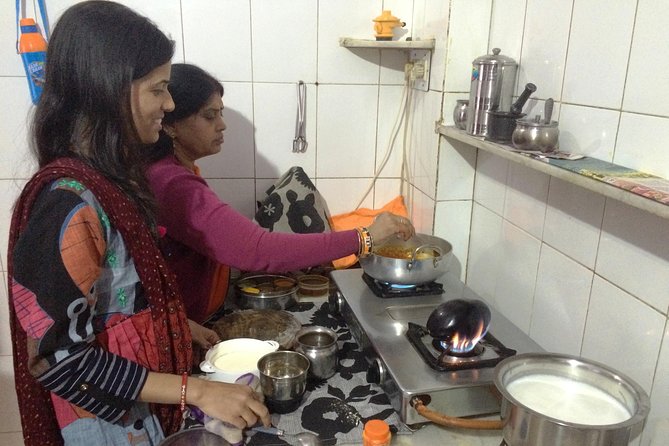
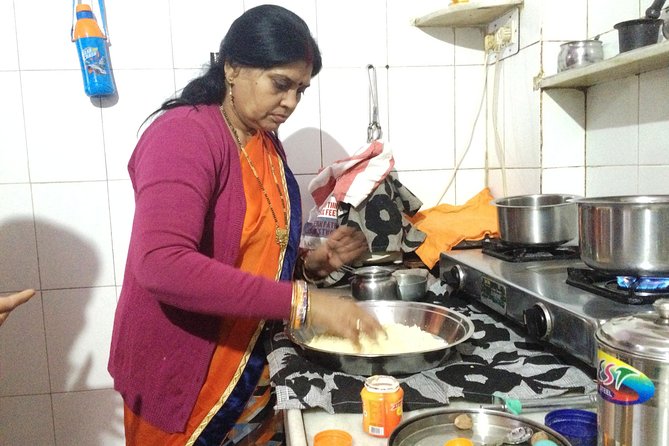
Back at Shalini’s home, the teaching comes from the household itself, guided by Shalini and her mother-in-law. That setup changes everything. You’re not dealing with a “performance kitchen” where the lesson is staged for tourists. You’re in a lived-in space, learning the steps that make the food familiar to the people who cook it every day.
The class is hands-on and focused on vegetarian Rajasthani cooking. Shalini only serves vegetarian food, so every dish in your meal is designed around vegetables, lentils, and spice-driven flavor building rather than meat-based recipes.
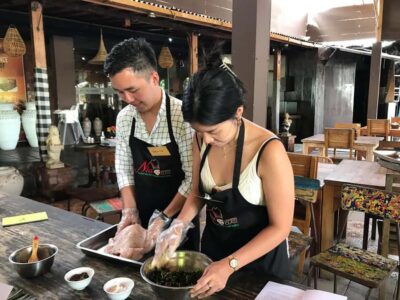
You’ll likely notice how the family pacing supports different skill levels. From what people consistently highlight, the instruction is patient, and it doesn’t assume you already know Indian cooking. If you’ve never made chapatis or parathas before, this kind of coaching is exactly what helps those skills “click.”
Also, because it’s private, you can have real conversation. Food is part of culture here, not a separate show. You’ll get a window into daily life in Jaipur through the simple act of cooking alongside the family.
What you cook: building a Rajasthani thali from scratch
You’ll cook a traditional vegetarian Rajasthani meal from scratch, then sit down to enjoy it. After the main cooking, you eat the dishes you made plus additional family recipes prepared in advance. That last part is important for value: it means the meal is not only what you personally managed to finish. You get a fuller spread, so you can compare flavors, textures, and techniques across more than one dish.
Expect a thali-style experience in spirit—multiple dishes on the table rather than a single-item cooking class. People often mention a feast-like feel to the meal, and that fits what this format delivers: you’re tasting the outcome of several different preparations, not just one recipe.
Menu may vary depending on the season. So if you’re hoping for one exact dish every time, keep your expectations flexible. In practice, seasonal change is often what makes the lesson more practical at home, because it trains you to adjust based on what’s available.
From the cooking focus points that come up repeatedly, you can expect to learn key components like spice handling and common staples such as chapati and paratha techniques. Even if your Indian cooking skills are rusty, the lesson structure supports learning those basics with guidance.
Spice, flavor, and the comfort of getting it adjusted
Rajasthani cooking is spice-forward, but it isn’t about forcing heat. A standout element here is how the host adapts. If your group doesn’t enjoy very spicy food, you can ask for a lower-spice approach. That kind of adjustment makes a big difference for enjoyment because you can actually taste all the layers—spice, herbs, aromatics, and the natural flavors of vegetables—rather than only heat.
You’ll also get practical instruction on spices and produce selection. The market portion sets you up to understand what ingredients should taste like and how fresh produce supports the final dish. Then the home portion teaches technique—how spices are used, when they are added, and how to balance flavor while cooking from scratch.
This is one of those experiences where the “lesson” part is more than memorizing a recipe. You’re learning how to think like a home cook: what to prep, what to watch for, and how to adjust when something isn’t right.
That’s the real transfer value if you cook at home after the trip.





Lunch or dinner: how timing shapes your Jaipur day
You can choose between lunch and dinner options, which helps you place this experience without breaking your itinerary. If you do the lunch version, you’ll often be pairing it with earlier sightseeing and a less stressful evening plan. If you do dinner, it can turn into a calm capstone after a busier day.
The length is about 4 hours, so it’s long enough to learn and cook properly, but short enough to keep Jaipur flexible. It also means you’re not committing your whole day to one activity—useful in a city where you’ll probably want to mix food with landmarks and markets.
Also, the experience is private, so timing feels more comfortable. You’re not waiting around for a group to assemble, and the pace can stay more natural in a home setting.
Price and value: why $60 makes sense for this format
At $60 per person for roughly four hours, the value comes from what you actually receive:
- A guided market visit where you select seasonal ingredients rather than guessing
- Private instruction in a local home, guided by Shalini and her mother-in-law
- Hands-on cooking with the dishes you’ll eat
- A full meal experience, including extra family recipes prepared ahead
Many cooking classes focus on the recipe and downplay the sourcing. Here, sourcing and cooking are connected. That connection is what makes the lesson easier to repeat later, because you understand the ingredient choices as well as the steps.
And because it’s private, you’re paying for personalized attention rather than a crowded demonstration. That reduces the common frustration of “I’m watching, but I’m not cooking.”
If you’re the kind of traveler who enjoys practical skills and wants one memorable food experience beyond eating in restaurants, the price feels fair for what’s included.
Who this Jaipur experience is best for
This is a great fit if you:
- Are in Jaipur for the first time and want your food day to feel organized but not touristy
- Want a vegetarian lesson that’s centered on Rajasthani cooking traditions
- Like learning from a real family setup rather than a formal school
- Prefer instruction that can adapt if your group doesn’t love strong spice
It’s also especially good for non-expert cooks. People consistently mention learning even when they don’t cook much at home, and the pace includes patience for beginners. That makes it more confidence-building than many “cook fast” classes.
One more practical fit: if you enjoy food conversation, this experience isn’t just instruction. It becomes a family evening you’re invited into, with natural time to chat through the cooking process.
Small practical notes that can affect your day
This experience uses a mobile ticket, and the meeting point is Crystal Mall, Barodia Scheme, Gopalbari, Jaipur, Rajasthan 302006, India. The experience ends back at the same meeting point, so you’re not stuck figuring out transportation at the finish.
It’s also noted as being near public transportation, which matters if you’re balancing a food class with other plans. And since the market stop is outdoors, you should plan your day around local weather.
Menu changes with the season. That means you might cook something different on another date, but it also keeps the lesson aligned with what’s actually available in Jaipur at that time.
If anyone in your group has allergies or dietary restrictions, advise at booking so the host can plan accordingly.
Should you book this Jaipur market and vegetarian cooking class?
Book it if you want an authentic, skill-based food experience in Jaipur that goes beyond restaurant meals. The market ingredient selection plus the hands-on cooking in Shalini’s family home is a strong combo, especially if you’re a vegetarian or you simply want to learn how to build flavor with vegetables and spices.
Skip it only if vegetarian cooking won’t work for your group, or if you’re looking for a non-spice-forward experience where every dish is guaranteed to be mild. The menu can vary by season, and Shalini only serves vegetarian food, so your expectations should match that.
If you’re choosing one “deep” food activity in Jaipur, this is the kind that gives you both a great meal and usable knowledge. It’s also the sort of experience you’ll remember because it feels personal, not packaged.
FAQ
How long is the Jaipur market and cooking class?
It’s about 4 hours (approx.).
What is the price per person?
The price is $60.00 per person.
Can I choose lunch or dinner?
Yes. You can choose between lunch and dinner options.
Is the class vegetarian?
Yes. Shalini only serves vegetarian food.
Where do we meet for the tour?
You start at Crystal Mall, Barodia Scheme, Gopalbari, Jaipur, Rajasthan 302006, India.
What happens during the market part?
You visit a local Jaipur street market to explore seasonal produce and help select fresh ingredients for the cooking class.
What will we cook and eat?
You’ll prepare a traditional vegetarian Rajasthani meal from scratch, then sit down to eat what you helped create, along with additional family recipes prepared in advance. The menu may vary by season.
Is this a private experience?
Yes. It’s private and personalized, and only your group participates.
What about allergies or dietary restrictions?
If anyone in your group has allergies, dietary restrictions, or cooking preferences, you should advise at the time of booking.
What if the weather is poor?
This experience requires good weather. If it’s canceled due to poor weather, you’ll be offered a different date or a full refund.