REVIEW · JAIPUR
Cooking class & meal (Indian Food) with local family in Jaipur.
Book on Viator →Operated by Sunshine India Tours · Bookable on Viator
A kitchen invite beats any restaurant. This Jaipur home cooking class puts you in a real household with a small group, hands-on instruction, and the chance to eat what you make right after. The vibe is practical, warm, and very North Indian—spices, curries, and all the little habits you only see at home.
Two things I love: you cook classic vegetarian dishes with clear step-by-step guidance, and you also get genuine family time—chai chat included. I’m especially glad it’s small-group (max 10), because it feels like you can ask questions without shouting over a classroom. One possible drawback: since it’s a home, the experience is more hands-on than polished—expect close quarters, a bit of kitchen mess, and cooking that follows a real household pace.
In This Review
- Key Things to Know Before You Go
- Why a Jaipur Home Cooking Class Beats a Standard Tour
- Meeting the Family: Pickup, Warm Welcome, and Chai Time
- What You’ll Cook: Dal, Aloo Gobi, Chapatis, and Curries
- Dal: the foundation dish
- Aloo gobi and the potato-spice logic
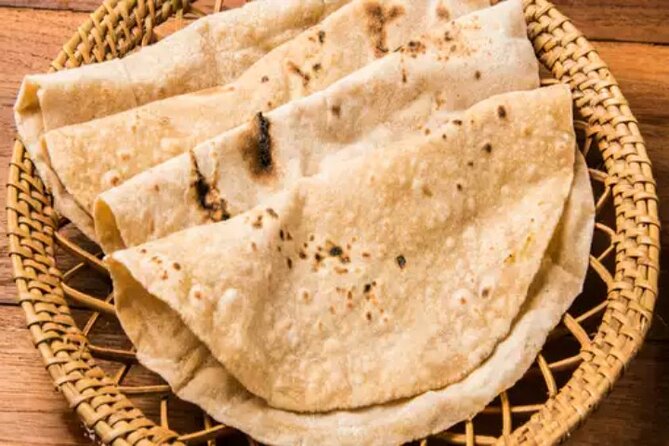
- Chapatis: the skill that makes the meal feel complete
- Curries: learning what changes flavor
- Chai, Spices, and the Real Secret: Technique Over Mystery
- The Meal: Eat What You Made, in a Proper Home-Style Way
- Learning Jaipur Through Daily Life, Not Just Landmarks
- Price and Time: Is $23 Good Value in Jaipur?
- Logistics That Actually Matter: Start Point, Mobile Ticket, and Getting There
- Who This Class Fits Best (And Who Might Skip It)
- Should You Book This Jaipur Cooking Class?
- FAQ
- What is the duration of the Jaipur Indian food cooking class?
- How much does the experience cost?
- Is pickup offered from hotels?
- Where does the activity start and end?
- How many people are in the group?
- What will I be cooking during the lesson?
- Do I eat the food I cook?
- Will I receive recipes?
- Is there a mobile ticket and when do I get confirmation?
Key Things to Know Before You Go
- Small group size (max 10) means more attention from the instructor and household chefs.
- Chai and conversation first sets the tone before you start cooking.
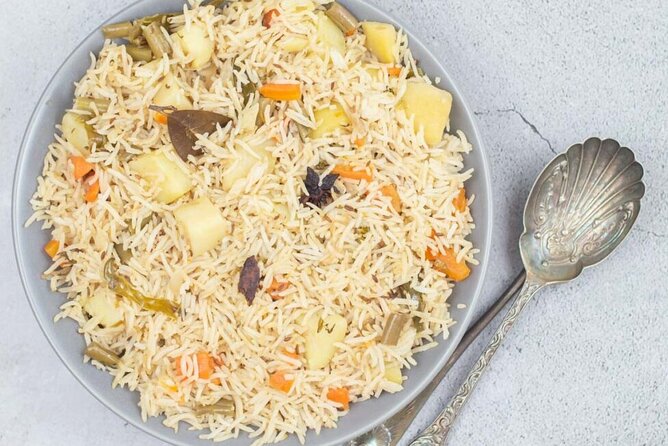
- North Indian vegetarian focus includes favorites like dal, aloo gobi, curries, chapatis, and chai.
- You dine on your creations at the end, with a home-style meal described as unlimited.
- You’ll get recipes to take home, so the experience doesn’t vanish after dinner.
- Pickup from select hotels is available on request, which saves time in Jaipur traffic.
Why a Jaipur Home Cooking Class Beats a Standard Tour
Jaipur can be fast and loud outside. In a home kitchen, the pace slows down in a good way. You’re not just watching someone cook—you’re making the food, learning what matters, and asking why certain spices go in at certain times.
This class is built around a simple plan: learn core North Indian techniques, cook a few dishes together, then eat as a group. That format is smart because it solves two problems people often have with cooking classes. You get enough structure to actually learn, and you get immediate payoff when you sit down to eat what you made.
Also, you’re working in a local family setting. Even if you’re not a big talker, it’s easy to connect. You hear how day-to-day life works, and you see how people think about food in a family routine.
You can also read our reviews of more tours and experiences in Jaipur.

Meeting the Family: Pickup, Warm Welcome, and Chai Time
Pickup is one of those “small detail” perks that matters more in Jaipur than you might expect. The class offers pickup from select hotels on request, and that can take the stress out of getting to a home kitchen at the start.
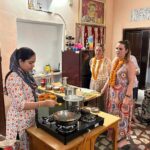
When you arrive, the welcome is the real mood-setter. In one account, Ravi handled the pickup and brought guests to his home, where Suman warmly received everyone. There was also a chat with the grandfather before the cooking started. That kind of moment is more than sweet—it gives context. You’re not walking into a staged demo. You’re stepping into a household where people talk, eat together, and keep routines moving.
Then comes chai. You’ll make chai as part of the experience, but the first cup you’re offered helps you settle in. It also gives you something practical: a baseline of flavors and comfort before you start dealing with spices, heat, and fresh ingredients.
What You’ll Cook: Dal, Aloo Gobi, Chapatis, and Curries
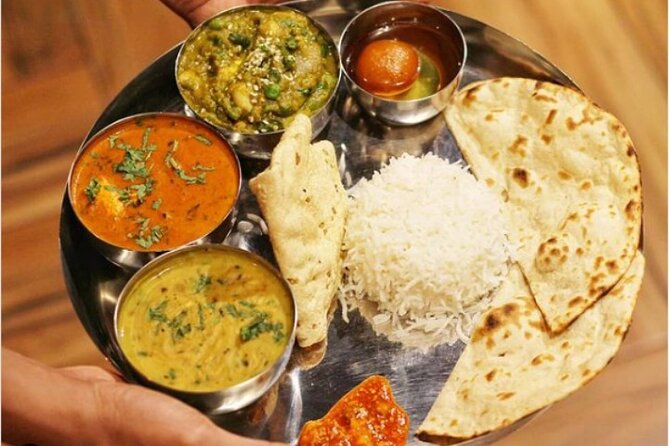
The heart of the class is the food you’ll learn to make. This isn’t “one dish and done.” You’ll work on multiple items that make up a North Indian vegetarian meal.
From the experience description, expect dishes in the dal and aloo gobi family, plus curries. One review mentions daal and two curries, which matches the idea that you’ll cook more than just a single pot. You’ll also roll chapatis, and you’ll make chai. That combination matters because it covers the full meal: breads, mains, and something drinkable to balance the spices.
Dal: the foundation dish
Dal is where most people start to feel the technique. The key is learning how spices interact with the base and how the texture develops. Dal is forgiving in a way—if you don’t get it perfect the first time, you still get a comforting result. You’ll also see why dal works so well with chapatis: it’s thick enough to scoop and scoop-friendly without turning your meal into soup.
Aloo gobi and the potato-spice logic
Aloo gobi brings together potato and cauliflower, and it teaches you how to handle vegetables so they stay pleasant, not mushy. It’s also a great “real food” dish. It’s familiar, vegetarian, and built around spice layering rather than complicated technique.




Chapatis: the skill that makes the meal feel complete
Rolling chapatis is part of the charm because it’s hands-on. You’re not just measuring; you’re shaping. And when you sit down to eat, the bread you made is what ties everything together. Chapatis also help you practice timing—if the breads are ready, the curries feel even better.
Curries: learning what changes flavor
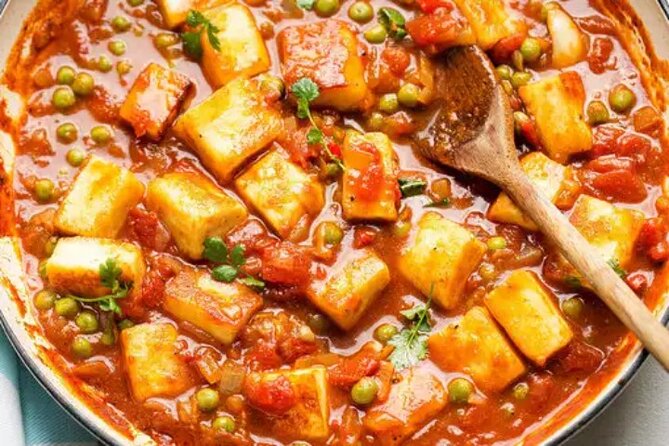
Curries can sound repetitive until you learn what makes them different. In this class, the instruction focuses on spices and how they’re used in home cooking. You’ll likely cover more than one curry style, and that gives you contrast: different spice combinations, different cooking order, and different texture goals.
Chai, Spices, and the Real Secret: Technique Over Mystery

Spices are the star in Indian cooking, but the real “secret” isn’t that spices are magical. It’s that spices are treated like ingredients with job descriptions.
This class is explicitly built around household chefs explaining secrets of spices. You’ll get practical guidance rather than vague advice. For example, you’ll learn how curries evolve as ingredients hit the pot and how spice intensity changes with heat and timing. That’s the kind of knowledge that helps you recreate the dish later.
And chai fits in here too. Making chai isn’t only about taste. It’s also about rhythm—how you balance milk, tea, and spices so it feels comforting instead of harsh.
The motto shared for the experience is No worries – Always curries. It’s a good reminder. Cooking doesn’t need to be perfect to be enjoyable, especially in a home setting where the goal is feeding people.
The Meal: Eat What You Made, in a Proper Home-Style Way
Here’s where value really shows. Many cooking classes teach you and then hand you a small tasting. This one plans for you to dine on your creations at the end, and the meal is described as unlimited and home-cooked.
That matters for two reasons. First, you’ll get to taste as you go—so you can understand what the food should become. Second, the unlimited part turns the session from a “class” into a meal you can actually feel satisfied with.
It also makes the experience more social. You’ll sit with the family and group, and your food is part of the conversation. Instead of paying for entertainment, you pay for a full dinner plus lessons.
One reason this stands out for many visitors is the mix of food and family life. The description points to interaction with the host family and learning about traditions, culture, weddings, gods, and more. Even if you only catch bits of the conversation, it changes how you understand the cooking. Spices and meals aren’t random—they’re tied to household rhythm and celebrations.
Learning Jaipur Through Daily Life, Not Just Landmarks
You come to Jaipur for sights, sure. But you stay curious when you see how people actually live.
This experience includes interaction with the family and education on their traditions and day-to-day routine. The description also mentions their joint family system, which is a big deal in how households function—people share space, responsibilities, and meals.
You’ll also hear about weddings and gods, at least at the level that household conversation naturally covers. It’s not presented as a lecture. It’s more like getting an insider view while you cook, eat, and ask questions.
If you enjoy learning through real conversation, this is one of those experiences that lands. It’s also ideal if you want something that feels “Indian” without requiring you to run across the city all day.
Price and Time: Is $23 Good Value in Jaipur?
At $23 for about 2 hours, this is strong value if you care about real instruction and a full meal. The price isn’t just paying for ingredients. You’re paying for time with a household team, guidance through multiple dishes, and a sit-down meal where you eat what you cooked.
Time matters too. Two hours is long enough to learn skills like spice handling and chapati rolling, but short enough that it doesn’t take over your entire day. That makes it easy to pair with other Jaipur plans.
The small group size also supports the value. With a max of 10 travelers, the class doesn’t turn into a slow “watch everyone and wait your turn” experience. You can usually get questions answered while you’re actively cooking.
Logistics That Actually Matter: Start Point, Mobile Ticket, and Getting There
The class starts at Smart N Shiny | Best Salon in Vaishali Nagar area, with the exact address listed near SBBJ Bank and Akruti Apartments (Chitrakoot, Vaishali Nagar). It ends back at the meeting point. The description also notes it’s near public transportation, which helps if you’re not using pickup.
You’ll use a mobile ticket, and you’ll receive confirmation at the time of booking. That’s useful because cooking experiences work best when you arrive on time and hungry.
If you’re considering pickup, request it when you book (it’s for select hotels). If you don’t request it, plan to get yourself to the meeting point. Either way, keep the first 30 minutes flexible. A home-based experience depends on everyone arriving smoothly.
Who This Class Fits Best (And Who Might Skip It)
This experience fits best if you want:
- a hands-on way to learn North Indian vegetarian cooking
- to eat a satisfying meal you helped make
- to meet a local family and learn through conversation
- a small group format with personal attention
You might want to skip it if you’re looking for a fully formal, restaurant-style setting. This is a home kitchen experience. If you hate close cooking spaces or you’re uncomfortable with getting a little involved, the setup may feel too intimate for your taste.
It’s also a strong match for anyone who wants something cultural that isn’t only sightseeing. You’ll leave with recipes and food memory, not just photos.
Should You Book This Jaipur Cooking Class?
I think you should book it if you want a real Jaipur moment you can taste. The best part is the combination: cook authentic vegetarian North Indian dishes, get recipes, and then eat an unlimited home meal with a local family setting.
It’s also a smart choice for couples and solo travelers who like conversation but don’t want a big tour bus. The small group size helps. The chai welcome and family interaction help even more.
If you like your travel with hands-on learning and warm people, this one’s worth it. Just go in with an open mind about the home-kitchen feel, and you’ll come out fed, informed, and with skills you can use back home.
FAQ
What is the duration of the Jaipur Indian food cooking class?
It runs for about 2 hours.
How much does the experience cost?
The price is $23.
Is pickup offered from hotels?
Pickup is available from select hotels on request.
Where does the activity start and end?
It starts at Smart N Shiny | Best Salon in Vaishali Nagar area in Jaipur, and it ends back at the meeting point.
How many people are in the group?
The experience has a maximum of 10 travelers.
What will I be cooking during the lesson?
You’ll learn North Indian vegetarian dishes, including items like dal and aloo gobi, and you’ll also roll chapattis and make chai. The class includes cooking different curries as well.
Do I eat the food I cook?
Yes. You dine on your creations at the end of the lesson, and the meal is described as unlimited and home-cooked.
Will I receive recipes?
Yes. You get recipes from the class.
Is there a mobile ticket and when do I get confirmation?
The tour uses a mobile ticket, and confirmation is received at the time of booking.