REVIEW · CASABLANCA
Casablanca : Traditional Moroccan Cooking Class with Locals
Book on GetYourGuide →Operated by Discover with Inas · Bookable on GetYourGuide
Casablanca is all about food, and this class gets you there fast. You’ll cook with Inas in a real family home, using time-honored methods and fresh local ingredients. What I like most is the hands-on pace and the way you leave with practical skills for making these dishes again. The other big win is the family meal and stories, so it feels like culture, not just cooking.
You can expect to work on iconic plates like tagine and couscous, and you’ll also touch pastilla and Moroccan salads. There’s also the small-group feel (max 10), with an instructor who explains step-by-step in Arabic, French, or English. One consideration: this is in a local neighborhood home, so plan for street-level navigation and bring patience with you.
In This Review
- Key moments to look forward to
- Why a Casablanca home kitchen is the real deal
- Inas, the family setup, and what the 4 hours actually feel like
- The menu: tagine, couscous, pastilla, and Moroccan salads
- Hands-on skills that help you cook again later
- The family meal: why it’s more than a finish line
- Culture, conversation, and practical etiquette
- Ingredients and technique: what makes the learning feel real
- Price and value: what you get for $60
- Where to meet in Casablanca (and how to plan your arrival)
- Who should book this class, and who might skip it
- Should you book it?
- FAQ
- How much does the Casablanca Traditional Moroccan Cooking Class with Locals cost?
- How long is the cooking class?
- Where is the meeting point in Casablanca?
- Is this a small group experience?
- What languages does the instructor speak?
- What dishes will we cook?
- Is the meal included?
- What are the cancellation rules?
Key moments to look forward to
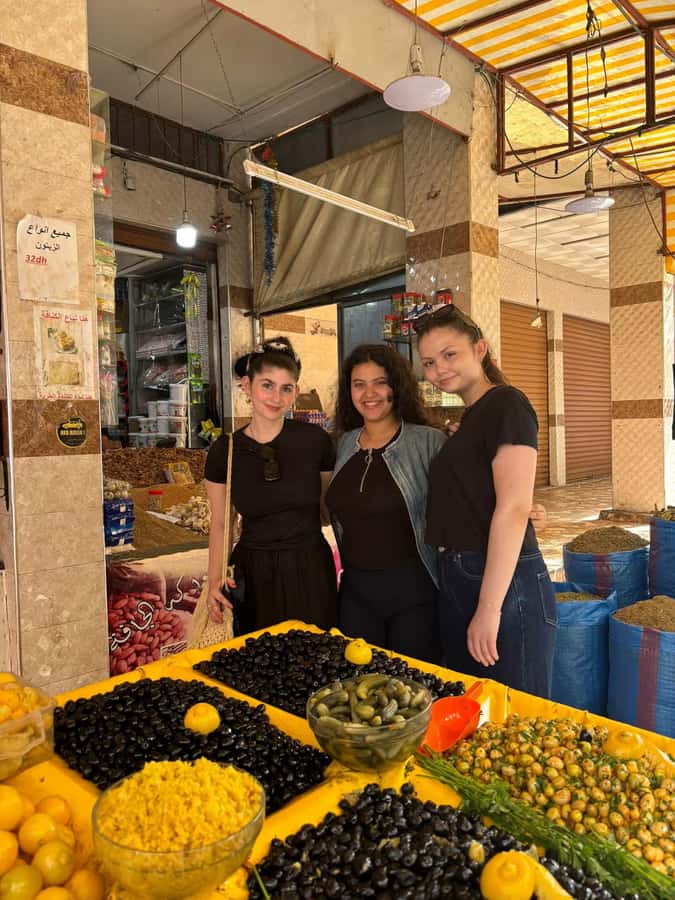
- A home kitchen, not a demo studio: you cook in a real Moroccan family space in Casablanca.
- Classic dishes with real technique: tagine, couscous, pastilla, plus Moroccan salads.
- Secret tips you won’t find on page one: passed down through generations (and explained clearly).
- A shared family meal: eat what you make, then swap stories and customs.
- Small group size: limited to 10 participants for more personal guidance.
- Language support: Arabic, French, and English instruction available.
Why a Casablanca home kitchen is the real deal
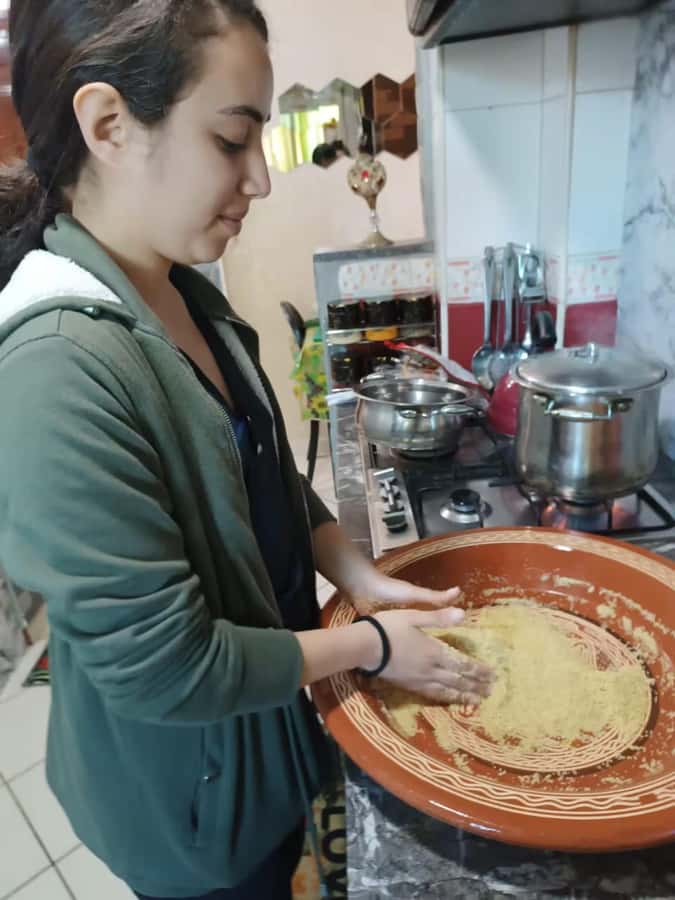
Casablanca can feel big and modern, but Moroccan cooking starts at home. This class keeps the focus where it belongs: hands, heat, and patience—plus the little choices that make flavor land the right way.
I like that you’re not just watching someone cook. You work through the steps with guidance, then you sit down and eat as part of the household rhythm. That turn—from making to sharing—matters more than people expect.
You can also read our reviews of more tours and experiences in Casablanca.
Inas, the family setup, and what the 4 hours actually feel like
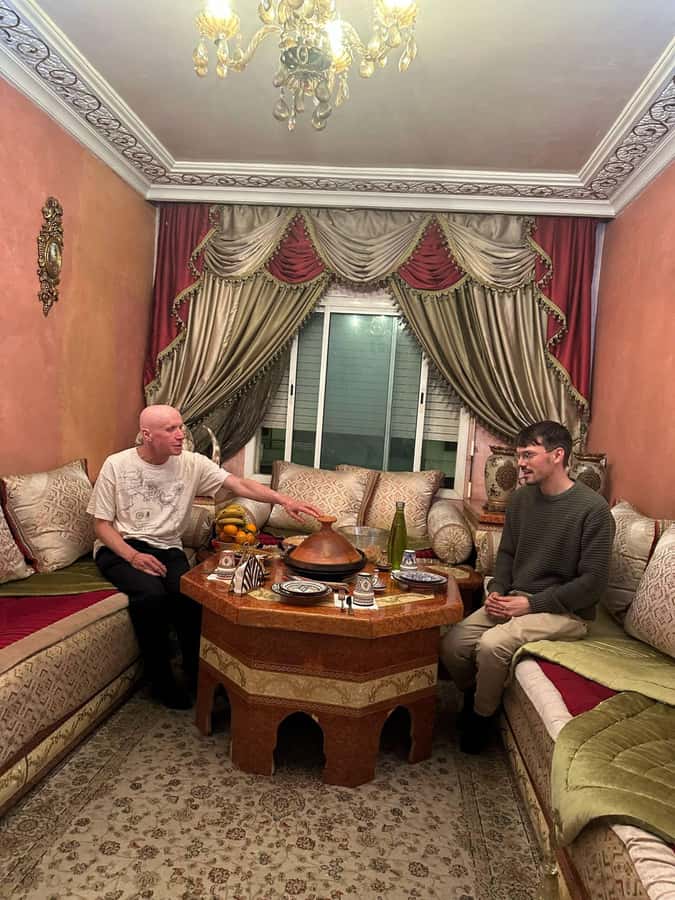
The host is Inas, and the class runs about 4 hours in her family home. The group is small, capped at 10 participants, which means you’re more likely to get direct help when you get stuck. Instruction is available in Arabic, French, and English, so language usually isn’t a barrier.
A major part of the experience is how you’re welcomed. Several past participants described being treated like family by the end of the evening, not just as a paying spot at a table. You also learn in a relaxed way, with patience when you’re chopping, stirring, or shaping something you haven’t done before.
One practical note: the activity includes a shared meal, but it does not include transportation. So you’ll want to plan how you’ll get to the meeting area, and how you’ll get back afterward.
The menu: tagine, couscous, pastilla, and Moroccan salads
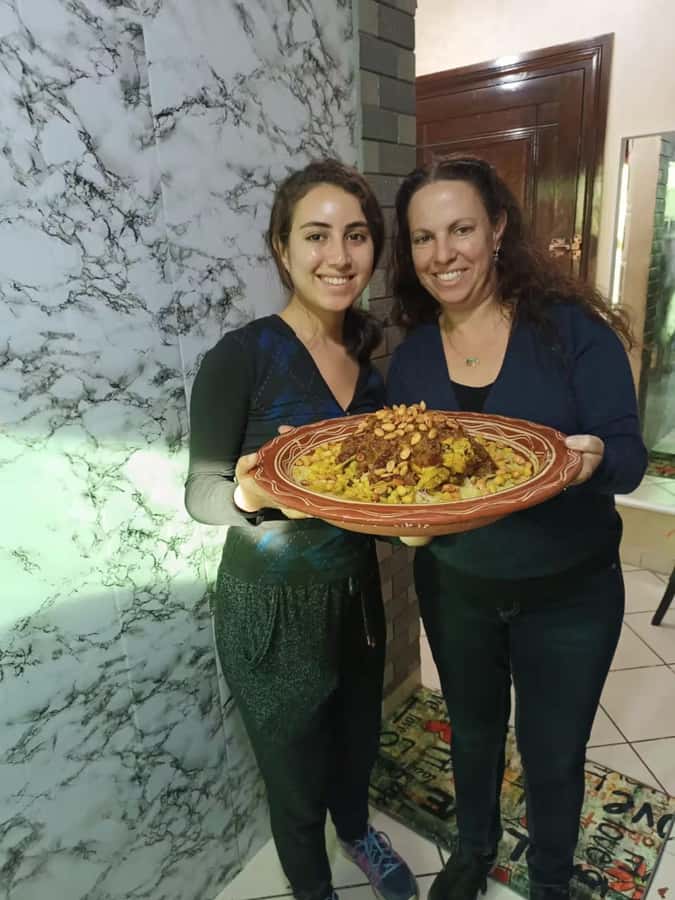
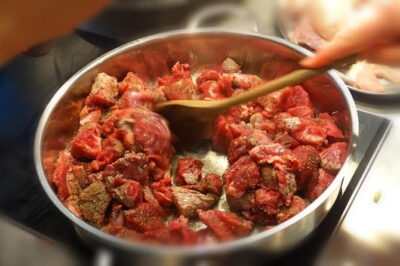
This class centers on Moroccan staples, and the menu is built for hands-on learning. You’ll help prepare iconic dishes such as tagine, couscous, and pastilla, along with Moroccan salads.
From participant experiences, you can specifically expect dishes like:
- Tagine with preserved lemon (a classic flavor move in Moroccan cooking)
- Couscous with vegetables
Even if the exact combo shifts slightly, the core goal stays the same: learn the logic behind Moroccan cooking rather than memorize one recipe. Tagine-style cooking is about how you build flavor and how you manage moisture and time. Couscous is about texture and timing. Pastilla is where technique and layering matter.
What’s valuable is that you’re doing the work. You’re not left guessing what happens between steps. Inas is described as explaining each step clearly and guiding you patiently, so you understand what you’re doing and why.
Hands-on skills that help you cook again later
The headline says ancestral techniques and secret tips, and that lines up with how the class is taught. The cooking happens with fresh ingredients and time-honored methods, plus practical know-how that doesn’t always make it into cookbooks.
Here are the kinds of things that tend to transfer well to your own kitchen:
- How to build a spice base and adjust it as you go
- How to manage timing so everything lands hot at the meal
- How to shape and serve so the dish looks right, not just tastes right
- How to handle key Moroccan flavor ingredients, like preserved lemon
Also, you’re learning the dishes in context. In Moroccan homes, food isn’t separated from family life and conversation. That’s why the class includes storytelling and cultural sharing—it gives your brain an easier path to remember the steps.
The family meal: why it’s more than a finish line
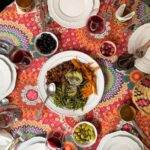
After cooking, you sit down with the family and enjoy the meal together. This matters for two reasons.
First, it lets you taste the results immediately, while the process is still fresh in your mind. Second, it turns the evening into an exchange. Past participants talked about laughter, stories, and learning about customs and everyday life.
If you’re the type of person who likes food, but also wants meaning behind it, you’ll probably enjoy this part the most. You’re not rushing out right after the last stir.
Culture, conversation, and practical etiquette
This is a cultural experience as much as a cooking class. You’ll spend time with a Moroccan family in Casablanca, learning about traditions and customs through conversation. The language options (Arabic, French, English) also mean you’re more likely to follow the details without getting lost.
A small detail that signals comfort: the class is described as friendly and relaxed, with an emphasis on patience. That makes a difference if you’re new to Moroccan cooking and you worry you’ll slow the group down.
Dietary requests are mentioned as something Inas can accommodate, but the information provided doesn’t spell out specific limitations. If you have dietary needs, message ahead and be clear about what you can and can’t eat.
Ingredients and technique: what makes the learning feel real
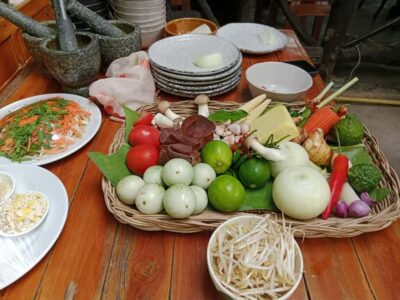
Fresh local ingredients are part of what’s included, and that keeps the class grounded. Moroccan cooking often depends on how ingredients are handled, not only what ingredients are used. When you’re working with real staples in a home kitchen, you start to understand why certain flavors pair so naturally.
The class also uses traditional cooking techniques. That usually means you’re working with methods that have been refined over generations, not shortcuts. “Secret tips” here isn’t marketing fluff—it’s the small guidance you get while you’re actually cooking, like how to adjust during the process rather than wait until it’s too late.
If you’ve tried Moroccan dishes at home and felt like something was missing, this is the kind of experience that helps you pinpoint what went off track: seasoning balance, texture, or timing.
Price and value: what you get for $60
At $60 per person for 4 hours, this is priced like a hands-on cultural activity, not a quick tasting tour. The value comes from what’s included: you get the cooking class, the ingredients, guidance to prepare classic Moroccan dishes, and a shared meal with the family.
Also, the small group size (up to 10) helps justify the price. When you’re in a large group, you often watch more than you cook. Here, you’re more likely to get individualized attention, and that makes your learning stick.
The trade-off is that transportation isn’t included, so you’ll need to factor in getting to the meeting point. If you already plan to use local transport or you have your own car, the total cost stays reasonable. If not, budget time and distance so you don’t end up paying for last-minute rides.
One more practical note: one participant mentioned Inas provided indoor protected parking for their car. That might not be universal, but it suggests the host understands logistics. If you’re driving, ask ahead.
Where to meet in Casablanca (and how to plan your arrival)
The meeting point is Résidence El fath, on street Abdellah Ibrahim at BIM Attacharok. Because it’s a local home experience, I’d plan to arrive a little early. You’ll want a buffer to find the exact spot and get settled before cooking starts.
Also keep in mind: the activity is held in a family home. That usually means you’ll experience the neighborhood side of Casablanca, not a polished tourist-only zone. If you’re comfortable with that, you’ll feel more at ease.
Wear something you can move in. You might get flour or spice on your clothes, and cooking lessons rarely end as clean as they start.
Who should book this class, and who might skip it
This is a great fit if you:
- Want to learn Moroccan cooking by doing it, not by watching
- Like cultural exchange where food is the doorway
- Prefer a small group and clear step-by-step instruction
- Enjoy eating what you cook right away
You might skip it if you:
- Only want a restaurant-style experience with minimal interaction
- Hate the idea of being in a real home setting
- Are looking for a cooking class that’s mostly lecture or mostly photos
If you’re traveling with friends, this is also a nice shared evening. It’s social, but still structured around cooking.
Should you book it?
Yes, book this if you care about learning real Moroccan technique and want an evening that feels like a family experience in Casablanca. The $60 price makes sense when you consider the included meal, the hands-on cooking, and the small group attention.
Do it especially if you want more than a list of dishes. This class focuses on how the dishes come together, and that’s what helps you cook Moroccan food later with confidence.
FAQ
How much does the Casablanca Traditional Moroccan Cooking Class with Locals cost?
It costs $60 per person.
How long is the cooking class?
The class lasts 4 hours.
Where is the meeting point in Casablanca?
You meet at Résidence El fath on street Abdellah Ibrahim at BIM Attacharok.
Is this a small group experience?
Yes. It’s a small group limited to 10 participants.
What languages does the instructor speak?
The instructor speaks Arabic, French, and English.
What dishes will we cook?
You’ll prepare iconic Moroccan dishes such as tagine, couscous, pastilla, and Moroccan salads.
Is the meal included?
Yes. After the cooking, you share a meal with the family.
What are the cancellation rules?
You can cancel up to 24 hours in advance for a full refund.