REVIEW · CASABLANCA
Private Moroccan Cooking Class in Casablanca with a Local Expert
Book on Viator →Operated by Traveling Spoon · Bookable on Viator
Cook dinner in a real Casablanca home. In Chamsi’s kitchen, you learn classic Moroccan dishes and then eat the meal you helped create.
I love the clear coaching on spices and sauces, and I like that you’re not just watching—you’re cooking and sharing a real home meal. The main drawback to think about: there’s no hotel pickup, so you’ll need your own way to Hay El Hana.
In This Review
- Key highlights worth planning for
- A Private Class in a Casablanca Home: What You’re Actually Buying
- Meet Chamsi and Get Ready to Cook Like a Guest, Not a Spectator
- What You’ll Cook in Casablanca: Tagine, Couscous, Chicken, and More
- The Best Part: Eating What You Made (Together)
- Timing and Getting There: How to Fit 3 Hours in Casablanca
- Price and Inclusions: Why $145.65 Can Feel Fair
- Vegetarian Options, Allergies, and Who This Works Best For
- Should You Book This Moroccan Cooking Class?
- FAQ
- Where is the meeting point for the cooking class?
- How long does the private Moroccan cooking class last?
- Is hotel pickup and drop-off included?
- What types of dishes might we cook?
- Is there a vegetarian option?
- Can the host accommodate allergies or dietary restrictions?
- What is included in the price?
- Is this experience private?
- When will I receive confirmation and how does cancellation work?
Key highlights worth planning for
- A private, home-based cooking class with Chamsi and her family, not a commercial studio setup
- Hands-on cooking for about an hour, then you sit down to enjoy what you made
- Seasonal menu flexibility, with dishes that may include tagine, couscous, and eggplant salad
- Diet support when you book, including a vegetarian option and the chance to flag allergies or preferences
- Inclusions that reduce hassle, like bottled water, taxes/fees, gratuities, and alcoholic beverages
- No pickup or drop-off, so your timing depends on how you get to Hay El Hana
A Private Class in a Casablanca Home: What You’re Actually Buying
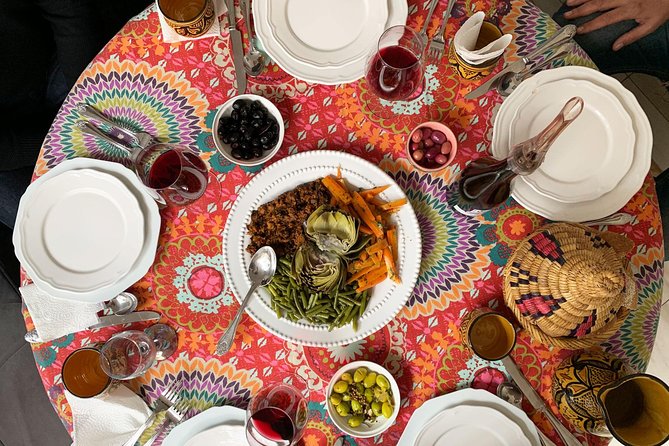
This experience isn’t a cookie-cutter cooking show. You’re stepping into a real Casablanca home with Chamsi as your guide, learning Moroccan food the way families do—mix, taste, adjust, and talk through the process.
The value comes from three things. First, it’s genuinely private: only your group participates. Second, the meal is included, and it’s not separate from the class. You cook for about an hour, then you sit down and eat together. Third, the price is easier to judge because so much is included—gratuities, bottled water, taxes/fees/handling charges, and even alcoholic beverages.
One practical note: since there’s no hotel pickup, your “success” depends on transport. If you like tours that handle everything, this one will feel more hands-on on your end. If you don’t mind taking a taxi or arranging your own ride, it becomes a low-stress, high-reward afternoon.
In the end, you’re not just learning recipes. You’re learning how Moroccan home cooks think—about seasoning, texture, and balancing savory, sour, and sweet flavors on the same table.
You can also read our reviews of more tours and experiences in Casablanca.
Meet Chamsi and Get Ready to Cook Like a Guest, Not a Spectator
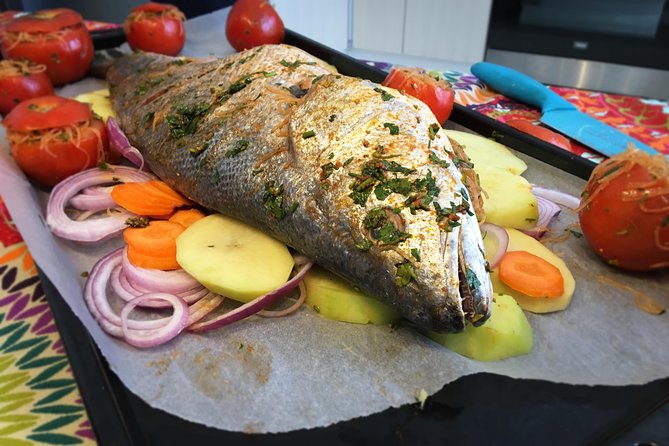
You’ll meet at Hay El Hana in Casablanca, and the day follows the rhythm of a family kitchen. Even though the class is structured, the tone stays human. People aren’t performing for you; they’re making dinner while teaching you how it works.
Chamsi’s style matters here. From what I’ve seen in the way people describe the experience, she guides step-by-step and pays attention to the details—especially spices. That’s important, because Moroccan cooking often sounds simple until you try it. The difference between flat and flavorful usually comes down to tiny adjustments: how spices bloom, when you add aromatics, and how you balance the sauce.
Plan to be active. You’ll be rolling up your sleeves, chopping, mixing, and helping with whatever step fits that day’s menu. Some prep may be done in advance, so don’t expect to start from raw ingredients only. Still, you’ll do real work, not just assemble at the end.
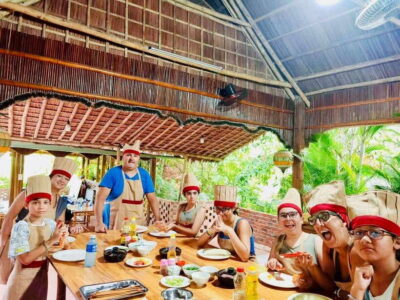
The vibe is also family-friendly. People mention Chamsi’s family making guests feel welcome, and even when children join, the experience is handled in a way that keeps everyone engaged. If you’re traveling with kids, this is one of the better formats because it’s not just “sit and listen.” You can hand the kids a simple task and they’ll learn by doing.
What You’ll Cook in Casablanca: Tagine, Couscous, Chicken, and More
The menu can change by season, but you should expect a classic Moroccan spread. The dishes you might see include comfort staples and regional favorites such as:
- Lamb tagine (often the centerpiece of Moroccan home meals)
- Lemon chicken with olives (bright, savory, and usually very sauce-forward)
- Camel burgers (less common at many home tables elsewhere, but listed as a possibility here)
- Couscous (a practical favorite because it’s comforting and shares well)
- Eggplant salad (a cool counterpoint to hot tagine and saucy chicken)
Dessert may be something like cake, oranges with cinnamon, or milk pastilla. The dessert variety matters because Moroccan meals often end by shifting the flavor again—warm spice, creamy milk, fruit sweetness, or a simple cake you’ll actually recognize.
Here’s the key thing I’d watch for as you cook: Moroccan dishes are often about layers. Tagines aren’t just meat plus spices; the sauce and aromatics carry the flavor. Lemon chicken with olives is a great example—what makes it work is the balance between acidity and the saltiness of olives, so you’re tasting and adjusting rather than following a single rigid formula.
Couscous also teaches a useful lesson: texture is the whole point. If you’ve ever had couscous that felt bland or dry, this is your chance to see how it’s handled properly. Eggplant salad, meanwhile, can teach you how Morocco treats vegetables—not as a side thought, but as a fully flavored dish.
And because the menu can change with the season, you’re less likely to feel like you got a generic “tourist menu.” You’re cooking what the home cook is actually working with.
The Best Part: Eating What You Made (Together)
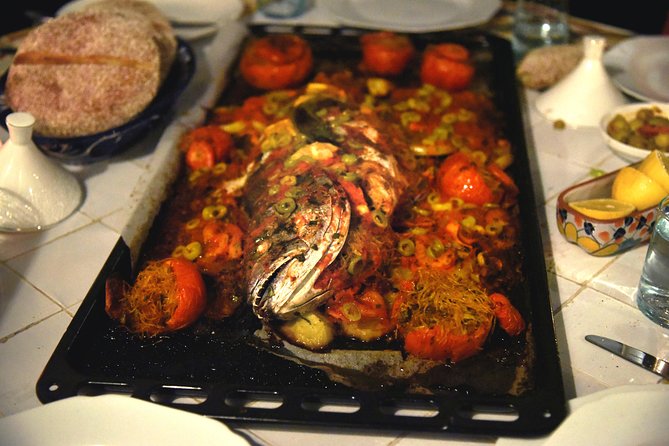
After about an hour of cooking, you sit down and eat the meal you helped create. This is where many cooking classes win or lose—and this one tends to land well because it’s built around the table, not the kitchen.
In a Moroccan home meal, everything is meant to be shared. That means you’ll likely try multiple dishes in one sitting, then notice the contrasts: the warm spice notes in tagine, the tangy brightness in lemon chicken, the softer comfort of couscous, and the cooler balance of eggplant salad. If dessert is oranges with cinnamon, you’ll get a nice final shift into aromatic sweetness.
I also like how this format naturally creates conversation. You’re not only learning ingredients; you’re learning the “why.” Ask questions while you’re eating—how the spice blend is handled, what makes the sauce right, or why certain desserts are chosen in different seasons. Even if the exact answers vary by day, the shared meal makes it easy to ask and follow along.
One more practical upside: because the lunch or dinner is included, you’re not stuck hunting for food afterward. Your day ends when you’re done eating, not when you finish searching for a restaurant that matches your budget and timing.
Timing and Getting There: How to Fit 3 Hours in Casablanca
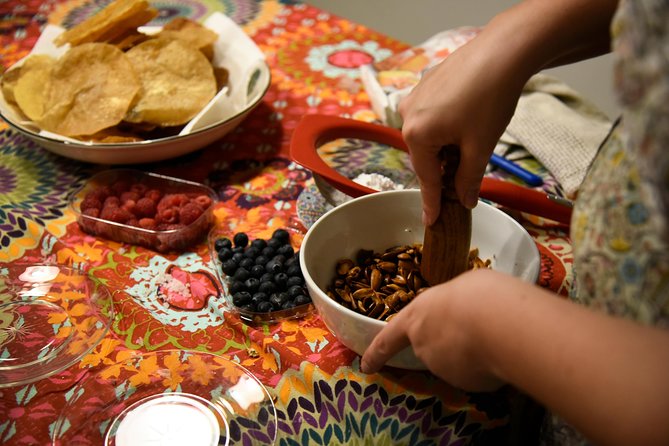
The experience runs about 3 hours total, and it ends back at the meeting point. You should build your day around that, not around a loose “sometime this afternoon” plan.
Because there’s no hotel pickup, you need to plan your transportation to Hay El Hana. Casablanca can be very traffic-dependent, so I recommend leaving extra buffer time so you arrive relaxed. If you’re doing this after a morning activity, make sure you’re not racing the clock.
Also pay attention to confirmation timing. You’ll receive confirmation within 48 hours of booking, subject to availability. If your schedule is tight, booking earlier helps, and this is one of those experiences that often gets reserved ahead—on average, people book about 68 days in advance.
What I’d do to make the logistics easier: pick a meeting area you can reach confidently, then plan the rest of the day around the cooking class. Since you’ll likely be eating a full lunch or dinner, you won’t need a heavy meal after. That makes it easier to keep your itinerary smooth.
Price and Inclusions: Why $145.65 Can Feel Fair
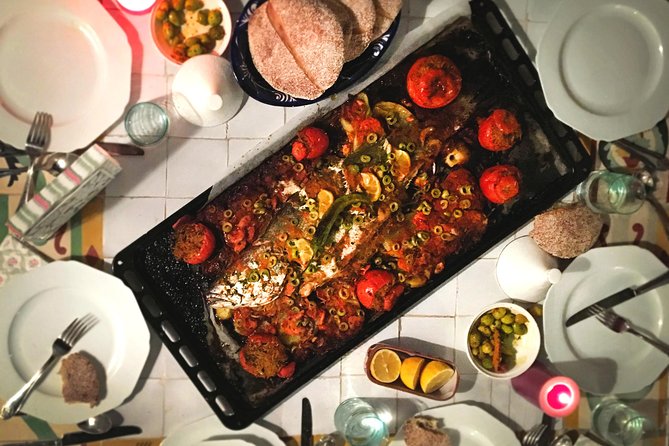
At $145.65 per person, you might ask what you’re really paying for. In this case, you’re paying for access and instruction inside a home, plus a full meal.
Here’s what’s included:
- private cooking class with your host Chamsi
- home-cooked lunch or dinner
- bottled water
- all taxes, fees and handling charges
- gratuities included
- alcoholic beverages included
That set of inclusions matters. When gratuities and taxes are tacked on later, it changes how expensive a tour feels. Here, the price is more “all-in,” so you can decide based on the experience itself: private coaching, shared family meal, and a Moroccan menu that can include tagine, chicken with olives, couscous, and dessert.
Also, if you’re traveling as a group, the listing mentions group discounts. If you can split the experience across friends or family, the per-person value tends to get even stronger.
The only way the price feels weak is if you expected a large-bus, high-production cooking show. This is more intimate. You’re learning in someone’s kitchen and eating what comes out of it. If that sounds like your style, the cost starts to feel logical fast.
Vegetarian Options, Allergies, and Who This Works Best For
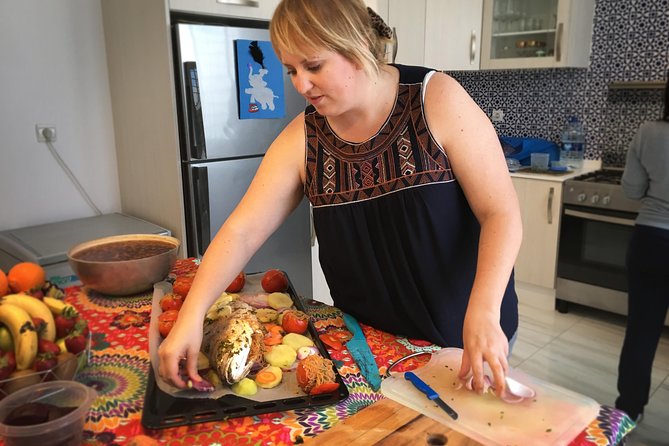
If you have dietary needs, this is one of the better formats because you can flag restrictions at booking. There’s a vegetarian option available, and you’re asked to advise allergies, dietary restrictions, and cooking preferences ahead of time.
That’s not a minor detail. Moroccan food uses plenty of spices and cooking techniques, and small changes can make a big difference. If you show up without sharing restrictions, you’re leaving your options to chance. If you share them early, you give Chamsi time to plan the right menu and keep the experience comfortable.
This class also tends to work well for families. People describe bringing children around ages 6 and 8, and the home experience became a highlight, with kids interacting with the family and not wanting to leave. That doesn’t mean it’s a daycare. It means the atmosphere is welcoming and hands-on, so children have a natural role in what’s happening.
Where you should be honest with yourself: if you need a tour with strict pacing, lots of signage, or an English-heavy script, a home meal experience will feel more personal and less formal. You might spend more time asking questions and reading the cooking process than following a pre-written lesson.
Should You Book This Moroccan Cooking Class?
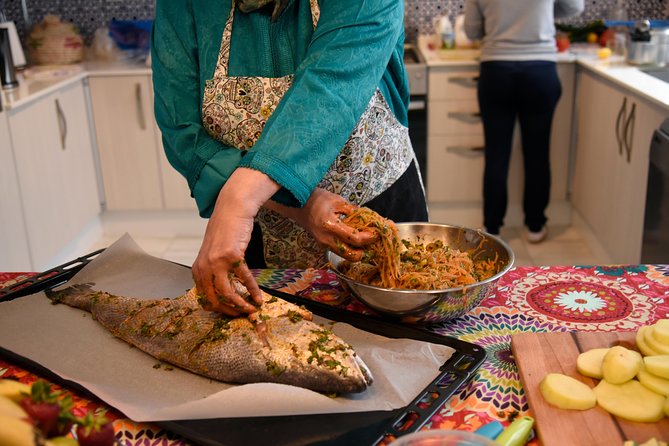
I think you should book it if you want a real Casablanca home experience and you enjoy learning by doing. It’s especially worth it if you care about Moroccan dishes beyond the basics—tagine, lemon chicken with olives, couscous, eggplant salad, and dessert options like milk pastilla or oranges with cinnamon.
You should pause if you strongly prefer tours with hotel pickup and tightly controlled schedules. Since there’s no pickup, your comfort depends on your transport plan to Hay El Hana and your willingness to handle that part yourself.
One last tip: when you book, be clear about vegetarian needs, allergies, and dietary preferences. That upfront message helps you get a meal that actually fits you, and it keeps the class experience smooth for everyone.
If you want a memorable souvenir that you can taste—then try this. You’ll leave with recipes in your head, flavors in your notes, and a dinner story you’ll still tell at home.
FAQ
Where is the meeting point for the cooking class?
The experience starts at Hay El Hana, Casablanca 20250, Morocco, and it ends back at the meeting point.
How long does the private Moroccan cooking class last?
It lasts about 3 hours.
Is hotel pickup and drop-off included?
No. Hotel pickup and drop-off are not included.
What types of dishes might we cook?
The menu can vary by season, but it may include lamb tagine, lemon chicken with olives, camel burgers, couscous, eggplant salad, and dessert such as cake, oranges with cinnamon, or milk pastilla.
Is there a vegetarian option?
Yes, a vegetarian option is available. You should advise at booking if you need it.
Can the host accommodate allergies or dietary restrictions?
You can share allergies, dietary restrictions, and cooking preferences at the time of booking.
What is included in the price?
Included are the private cooking class with Chamsi, a home-cooked lunch or dinner, bottled water, all taxes/fees/handling charges, gratuities, and alcoholic beverages.
Is this experience private?
Yes. It’s a private, personalized experience, and only your group participates.
When will I receive confirmation and how does cancellation work?
Confirmation is received within 48 hours of booking, subject to availability. You can cancel up to 2 days in advance for a full refund.