REVIEW · JAIPUR
Jaipur: Interactive Cooking Class with a Local Family
Book on GetYourGuide →Operated by Ultimate Urban Adventures Pvt. Ltd. · Bookable on GetYourGuide
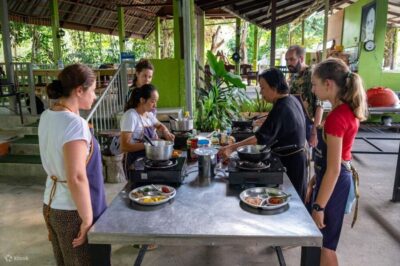
Cooking in a Jaipur home beats any restaurant. In Monty and Harshita’s kitchen, you start with a welcome drink and a clear spice intro, then you cook hands-on with their daughter Gina watching over the fun and the flavors.
Two things I really love: the practical, step-by-step chapati technique and the chance to make a vegetable curry yourself, not just stand and watch.
One heads-up: the meeting place is accessed by stairs to the first floor (F-2), and if you’re staying in the old town, you’ll want to plan your ride so you’re not squeezed for time.
In This Review
- Key things that make this cooking class worth it
- Why a Jaipur home-kitchen class feels different from eating out
- The welcome drink and spice intro: where you start tasting smarter
- Demo to hands-on: making round chapatis the way families do
- Vegetable curry practice: timing, thickening, and balance
- What else you might cook (and why the menu changes)
- The meal itself: drinks, dessert, and conversation with the family
- Transport and timing: plan your route like a local
- Price and value: $24 for skills plus dinner
- Who this class suits best (and who might want to rethink it)
- Little details that will make your session smoother
- Should you book this Jaipur cooking class?
- FAQ
- How long is the Jaipur interactive cooking class?
- Is the cooking instruction in English?
- What dishes do I learn to cook?
- Do I get recipes after the class?
- Is hotel pickup available?
- Is this experience wheelchair accessible?
Key things that make this cooking class worth it
- You cook in a real home kitchen with a family, not a showroom classroom.
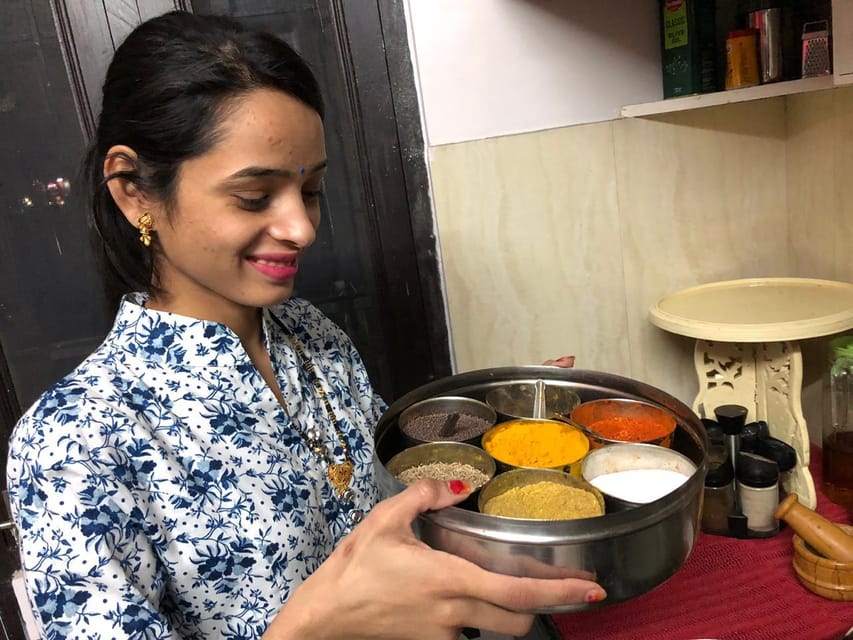
- Spice and ingredient explanations you can use later in your own cooking.
- Hands-on round chapatis plus a vegetable curry you make from start to finish.
- A shared meal with drinks and dessert while you chat about food and family recipes.
- English instruction and small-group or private options.
- Digital e-recipes for what you cooked, so you can repeat the dishes at home.
Why a Jaipur home-kitchen class feels different from eating out
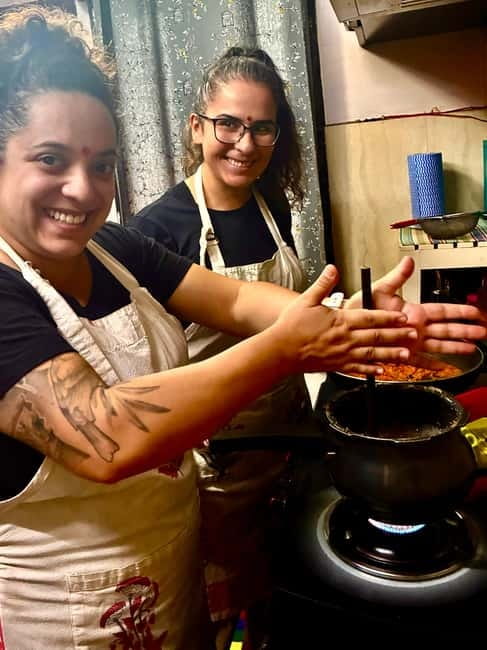
Jaipur is full of great food, but this experience gives you something restaurants can’t: context. In a family kitchen, you learn what matters to the cooks themselves—how spices are chosen, when they’re added, and how the same ingredients can taste different depending on technique and household habits.
The other big difference is the tone. This doesn’t feel like a strict class where everyone memorizes. It feels more like being invited in, then gently coached while you do the work. That matters, because you don’t just leave with a full stomach. You leave with muscle memory: how dough should behave, what a curry should look like as it thickens, and how flavors get balanced.
Also, the experience is built around North Indian cooking, which is exactly where Jaipur families tend to go deep. You’re likely to see the same comfort foods that locals eat at home—chapati, paratha, seasonal vegetable curries, and sides that make the meal feel complete, not random.
You can also read our reviews of more tours and experiences in Jaipur.

The welcome drink and spice intro: where you start tasting smarter
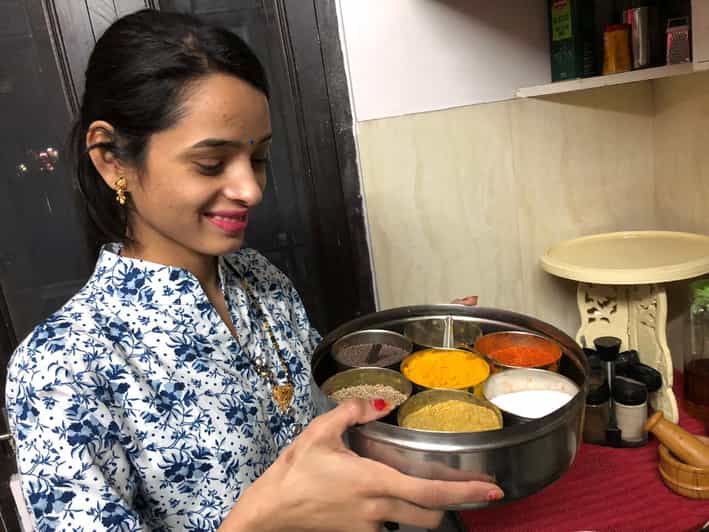
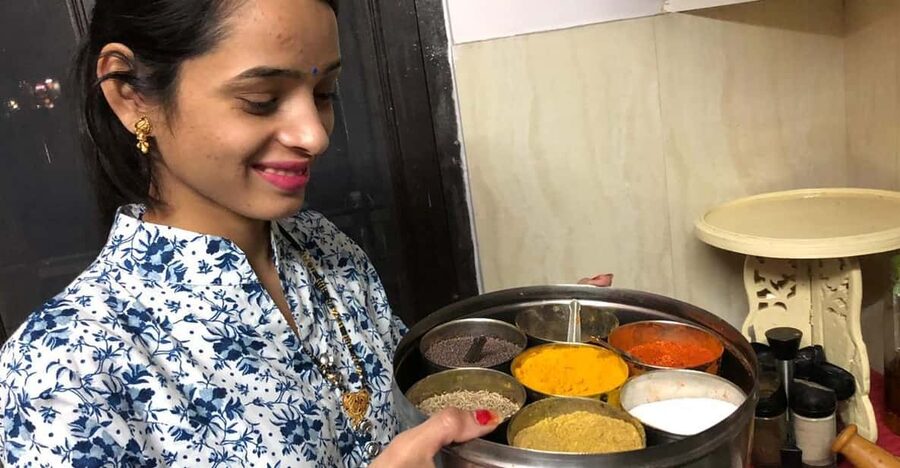
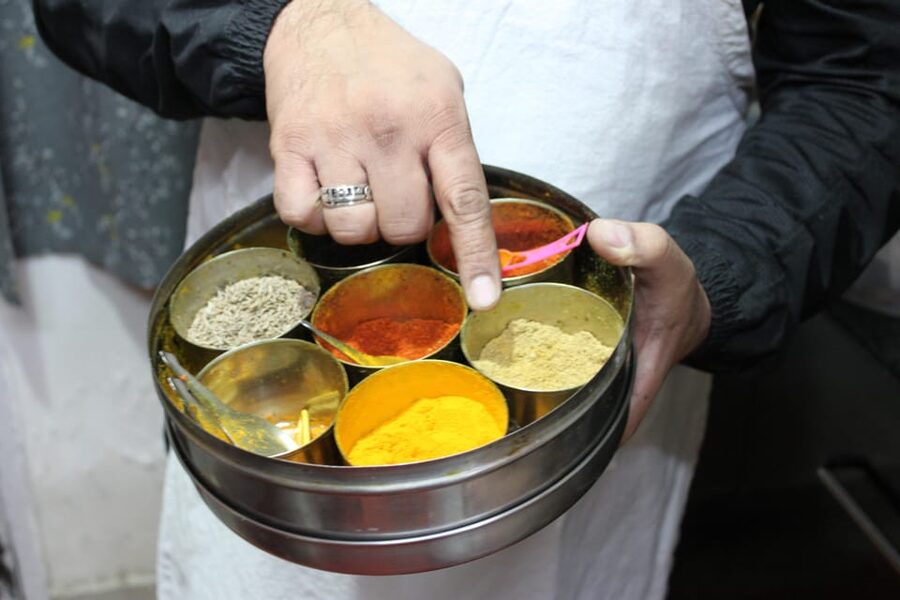
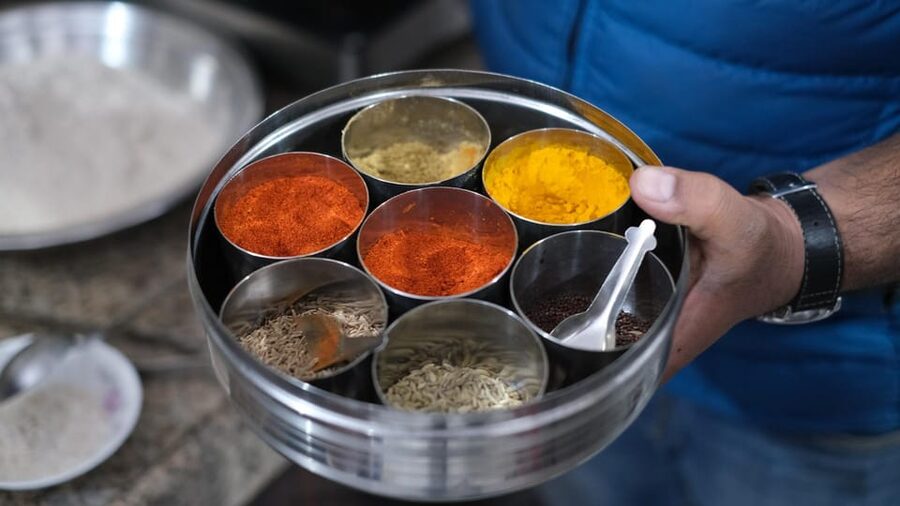
Before you touch any dough or pan, you get oriented. You’ll be greeted with a welcome drink, then taken through the spices, herbs, and ingredients used for the day’s menu. This is the part that pays off later, because it helps you connect flavors to actions.
Here’s what I like about this approach: it doesn’t treat spices like magic dust. It treats them like tools. You’ll learn what goes in first, what goes in later, and how certain spices change taste depending on heat and timing. If you’ve ever tried to recreate Indian food at home and wondered why it tastes off, this is the training that helps you fix that.
The class is led in English, and the hosts are comfortable talking through questions. From the way the experience runs, it’s clear they want you to understand the why, not only the how—so you’re not just following steps. You’re building your own feel for the flavors.
Demo to hands-on: making round chapatis the way families do
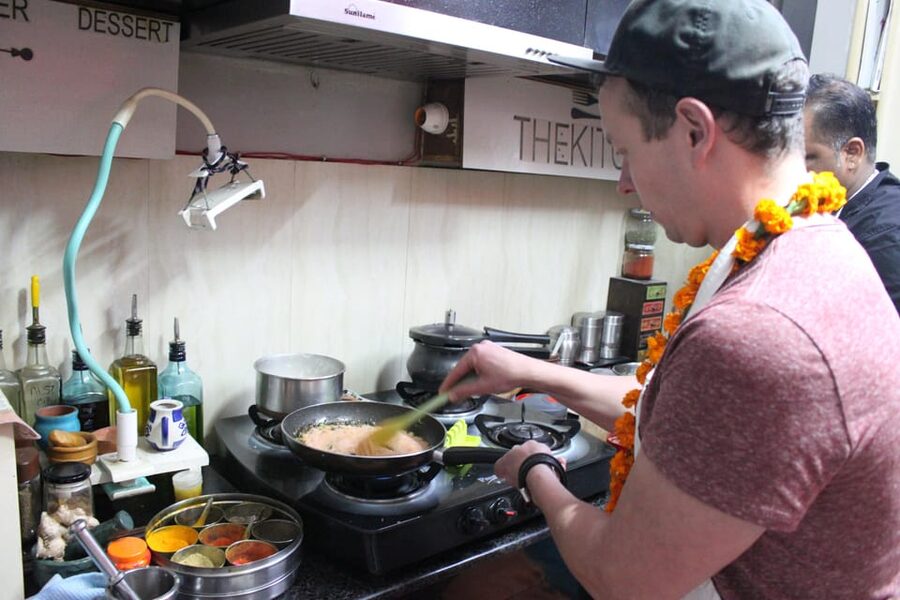
The flow usually goes like this: a demonstration first, then you take over. You’ll get the chance to make round chapatis yourself. That sounds simple until you’re doing it, and that’s exactly why this part is so satisfying.
Chapati is a skill. It’s about consistency—how the dough is handled, how thin it’s rolled, and how you manage the heat so it puffs without scorching. In a family setting, you’ll often get small fixes that matter, like how to adjust thickness, how to keep the dough flexible, and what to look for while it cooks.
The best part is that you’re not stuck guessing. You’re guided while you’re actively doing it. Even if you’ve cooked Indian breads before, you’ll likely notice technique tweaks that make a difference.
And since the class is designed around interactive learning, you’re not waiting your turn for long. You’ll actually work the dough, watch for cues, and practice until you feel comfortable.
Vegetable curry practice: timing, thickening, and balance
After chapatis, you move into vegetable curry (again, hands-on). Curries are where many home cooks struggle, not because the ingredients are hard, but because the process is easy to rush.
In this class, you get to work through the key stages that shape the final texture and flavor—spice warming, building the base, cooking vegetables until they’re tender, and getting the sauce to the right thickness. The goal isn’t just a good-looking curry. It’s a curry that tastes layered.
You also learn how a North Indian kitchen thinks about balance. You’ll be guided to create a curry that pairs naturally with breads—so it’s not too watery, not too heavy, and not bland. When you taste what you cooked, it feels like proof that the earlier spice intro wasn’t just lecture.
On the menu side, you’ll typically see seasonal vegetable curries and supporting dishes. Some days include variations and favorites that fit the household’s repertoire, which is part of the charm.
What else you might cook (and why the menu changes)
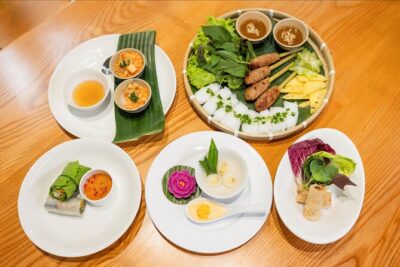
This experience focuses on North Indian comfort food, but it’s not always identical from day to day. Depending on the menu slot, you might cook things like paratha, a spinach-and-paneer style dish (for example palak paneer), or a vegetable side that fits the meal. You may also see dishes like fried rice or family-style comfort items.
Some menus also include Indian classics served at home, and you may hear stories about how a recipe became part of the family routine. The hosts share older family recipes, and you’ll get more than a list of ingredients—you’ll get the household logic behind how it’s made.
That’s a big value point: even if you’ve eaten these dishes in restaurants, you’re learning the home version—how it tastes when it’s meant for family dinner, not for a menu.


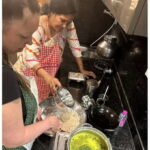

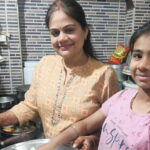

The meal itself: drinks, dessert, and conversation with the family
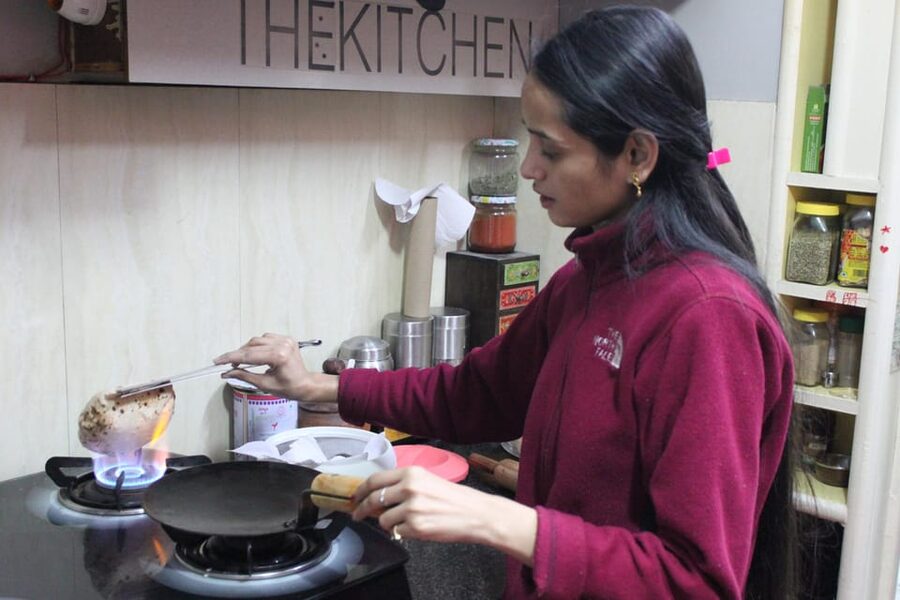
You don’t just eat after cooking. You eat as part of the cooking story. Once your dishes are ready, you’ll sit down to a meal with the family, and you’ll also have a traditional Indian drink plus dessert.
This is where the experience becomes more than food skills. The hosts talk about spices and cooking techniques, and you’ll likely hear how their approach has evolved over time in a household kitchen. You’ll also get a chance to chat like a normal human, not like a student staring at a clipboard.
One of the most memorable parts for many people is the warm, casual atmosphere—like you’re eating dinner with friends who just happen to be great cooks. And yes, there’s often extra family energy in the room, with Gina adding a playful touch that makes the moment feel truly special.
Transport and timing: plan your route like a local
The class lasts about 2.5 to 3 hours, so it works well as a mid-trip activity. You don’t need a full day, and you’re not turning it into an exhausting marathon. It’s long enough to cook properly and sit down to eat, but short enough that you can still enjoy Jaipur after.
Pickup is optional. If you want it, a driver meets you in your hotel lobby or another location within Jaipur you choose. This matters because getting to a home can be easier when someone local handles the door-to-door part.
If you’re staying in or near the old town, I’d strongly consider arranging transport. The area can be a bit tricky to navigate quickly, and you don’t want to arrive frazzled. Food experiences are best when you show up relaxed.
Once there, remember the stairs to F-2. This isn’t a deal-breaker, but it is real.
Price and value: $24 for skills plus dinner
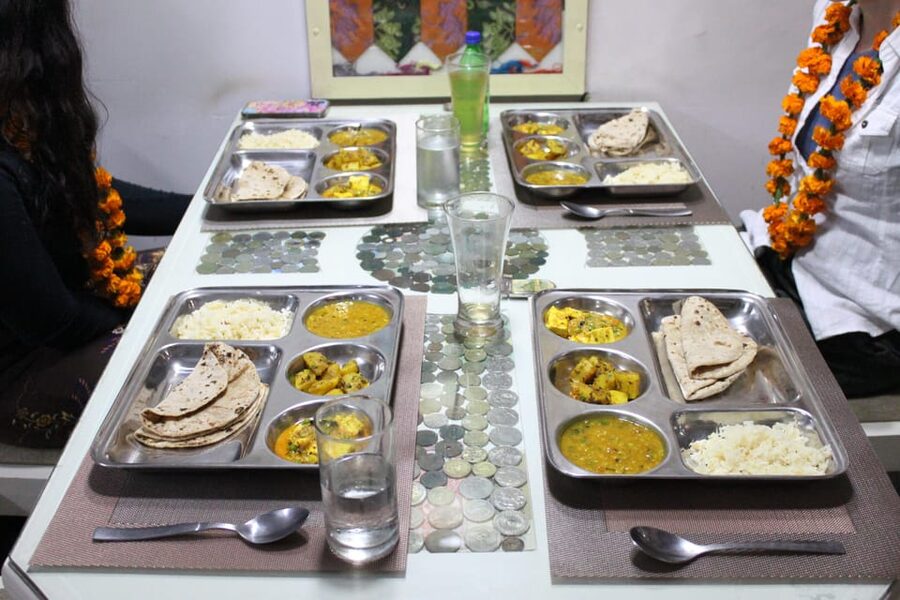
At $24 per person, this is priced like a budget activity but built like a premium one. Here’s why it’s good value:
- You get instruction in a real cooking process: chapati technique and curry making are hands-on skills.
- You also get a full meal you cooked yourself, plus drinks and dessert.
- The class includes e-recipes after the session, which helps you repeat what you learned.
- You benefit from small-group or private options, so you’re not just packed into a large crowd.
If you normally pay for a cooking class and then still end up eating elsewhere, this is one where food and skill are bundled. You’re paying for cooking time, coaching, and dinner in a family home—so it ends up feeling more like getting invited to something than buying a ticket to a generic activity.
Who this class suits best (and who might want to rethink it)
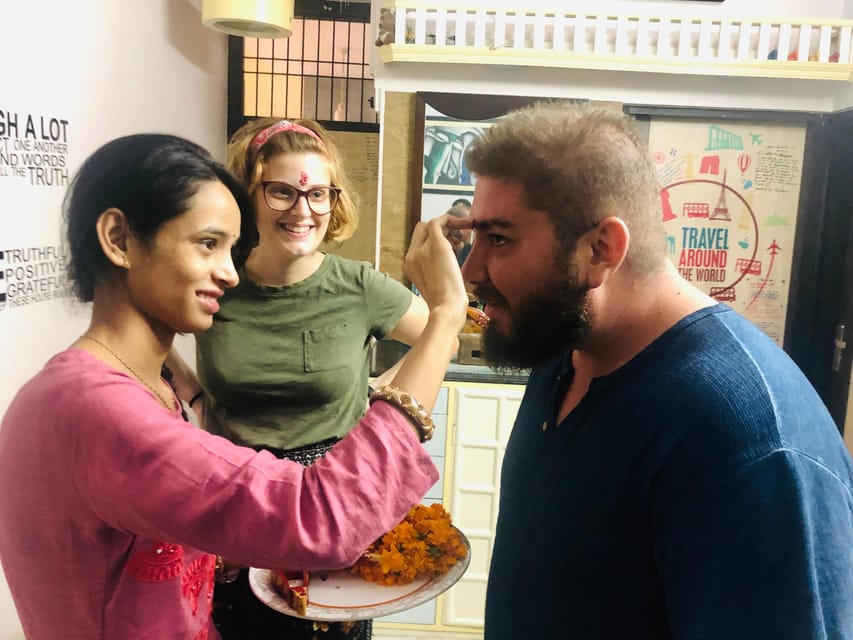
This is a great fit if you want to learn practical cooking, especially North Indian home-style food. It’s also a strong choice if you enjoy talking with hosts and learning through normal conversation while you cook.
If you’ve cooked Indian food before, you might still get value from the spice handling and technique cues. People tend to leave with tips that are easy to repeat at home because the process is explained in plain terms.
One limitation: this experience is not suitable for wheelchair users, since it requires stairs (F-2). If mobility is an issue for you, you’ll want to plan an alternative activity.
Also, if you have food allergies or intolerances, you should inform the organizers ahead of time. The more notice you give, the better the kitchen can respond. Pets are not allowed on the property, and smoking is only allowed on the balcony area.
Little details that will make your session smoother
A few practical things help you get the most out of the class:
- Wear clothes you’re comfortable moving in. You’ll be working at kitchen surfaces and spending a chunk of time cooking.
- If stairs are a concern, plan your pace and bring your energy. The route to F-2 matters.
- If you’re sensitive to heat or certain spice levels, speak up early. The class structure is interactive, so communication is part of the process.
- Bring patience for the fact that home cooking takes time. You’re not rushing through it, and that’s part of the value.
Should you book this Jaipur cooking class?
I think you should book it if you want a real home meal plus real technique—especially if North Indian food is your thing. The price is reasonable, the time is focused, and you leave with more than photos. You leave with skills you can use, plus digital recipes for what you cooked.
I’d skip it or choose carefully if stairs would make the experience uncomfortable, or if you’d rather do a cooking class with less family interaction. But for most people who want authentic Jaipur beyond monuments and menus, this is the kind of evening that sticks with you.
FAQ
How long is the Jaipur interactive cooking class?
The experience runs for about 2.5 to 3 hours. Starting times depend on availability.
Is the cooking instruction in English?
Yes. The instructor speaks English.
What dishes do I learn to cook?
You’ll focus on North Indian cuisine, with hands-on cooking that includes making round chapatis and a vegetable curry. Specific menu items can vary.
Do I get recipes after the class?
Yes. You receive e-recipes of all the dishes you cook.
Is hotel pickup available?
Pickup is optional. A driver can meet you in your hotel lobby or at another location within Jaipur that you choose.
Is this experience wheelchair accessible?
No. It is not suitable for wheelchair users due to stairs (use stairs to reach the first floor, F-2).