REVIEW · JAIPUR
Jaipur: Cooking Class with a Local Family
Book on GetYourGuide →Operated by Jaipur Pink city Cooking Class · Bookable on GetYourGuide
The best souvenir from Jaipur is what you can cook. This small, hands-on class happens in Swati’s family home, where you learn Rajasthan flavors and the reasons behind every spice while cooking with a local host.
Two things I especially like: you get a truly personal, family-style welcome, and you can often tailor what you cook to your tastes or dietary needs. One thing to consider is logistics: transportation isn’t included, and you’ll need to get yourself to a specific meeting point near Johari Bazar.
In This Review
- Key things that make this class work
- A Jaipur home kitchen is the real upgrade
- What you cook in 3 hours: Rajasthan classics plus your choices
- Chai, spices, and the practical why behind every flavor
- Hands-on technique: from chapati to curries you can repeat
- The dessert stop and the recipe handoff you’ll actually use
- Price and value: why $19 can feel like a steal
- Where to meet and what to expect when you arrive near Johari Bazar
- Who should book this, and who might want a different option
- Should you book Jaipur Cooking Class with a Local Family?
- FAQ
- What is the duration of the cooking class?
- How much does the class cost?
- How many people are in the group?
- What dishes will I learn to cook?
- Are dietary restrictions or allergies accommodated?
- Is transportation included?
- Is the class available in English or another language?
Key things that make this class work
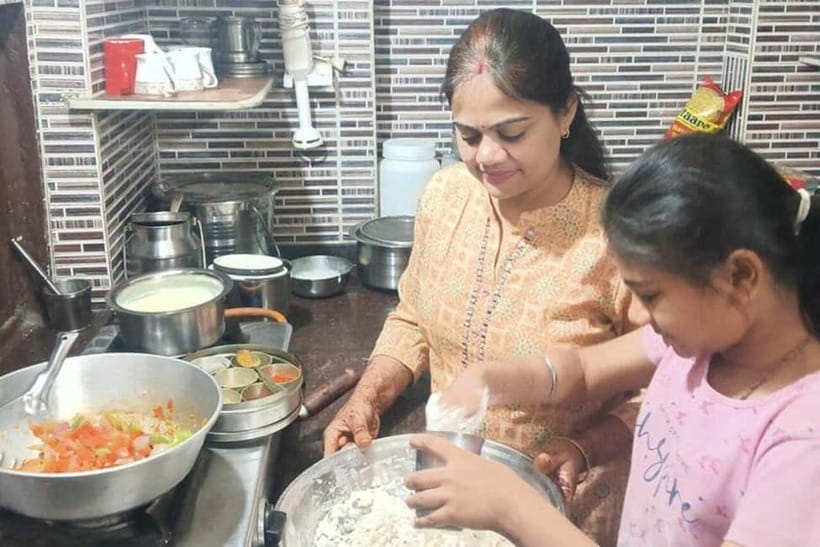
- You cook in a real home kitchen, not a staged demo setting, with family members pitching in.
- Tea first, lessons second: start with masala chai and conversation before you touch the ingredients.
- Spice knowledge that’s practical: you learn what spices do and how they’re used in the step-by-step process.
- Your menu can change: you may choose dishes, and the family has accommodated gluten-free and other needs.
- You leave with recipes in e-format, so the dishes aren’t a one-time memory.
- Rajasthan-specific dishes may appear, alongside classic North Indian staples you’ll actually cook again at home.
A Jaipur home kitchen is the real upgrade
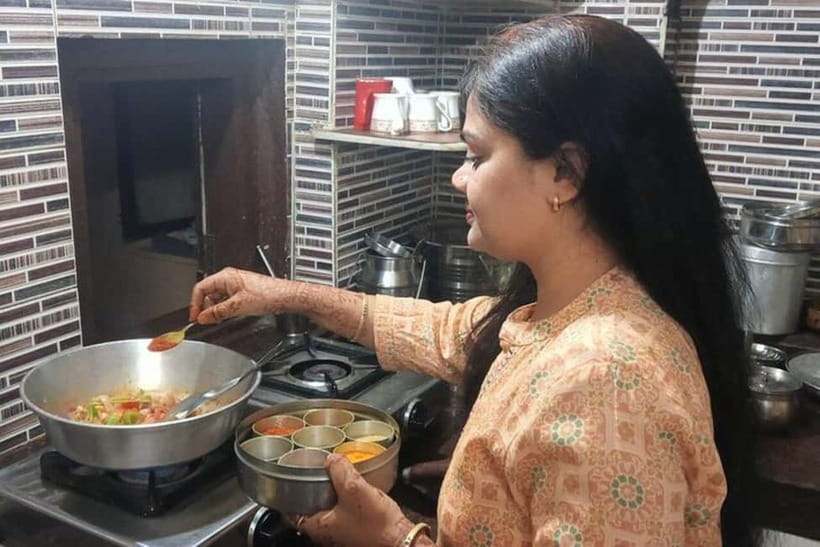
Jaipur is famous for markets, forts, and photo stops. This experience adds something rarer: food made inside a family rhythm, where hospitality feels like part of the recipe.
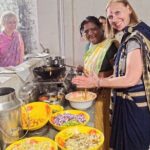
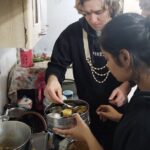
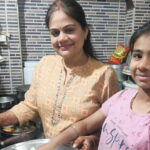
You’re welcomed into a real Jaipur household and taught by Swati and her family. In many classes, the “teacher” is a separate role from the “host.” Here, those lines blur. Swati’s mother-in-law and other family members join in, and you feel the flow of a home kitchen—heat, timing, tasting, adjusting, and helping each other move through the meal.
That matters because you’re not just memorizing steps. You’re learning how Indians cook at home, where meals are built in layers and where taste comes from balance, not from one magic ingredient.
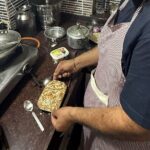
And yes, it’s hands-on. You’ll roll and cook breads like chapatis (and often parathas), make curries/dals, and work through the key prep steps that actually determine flavor. Even if you’re a beginner, you’ll likely get confidence quickly because the class keeps the process practical and guided.
You can also read our reviews of more tours and experiences in Jaipur.
What you cook in 3 hours: Rajasthan classics plus your choices
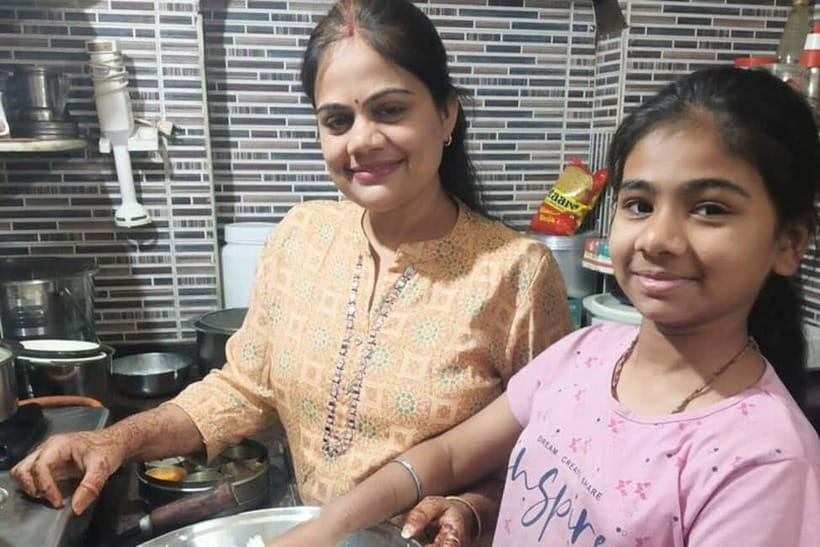
The core promise is Rajasthan flavors, but the exact menu can flex. The class includes hands-on cooking for chapatis and vegetable curries, and the highlights point to time-honored Rajasthan dishes like dal baati churma and ker sangri. In real life, many meals in this class also include familiar North Indian comfort foods—especially items like dal tadka, palak paneer, aloo ghobi, vegetable biryani, and vegetable pakora—depending on what you want to learn.
Here’s why that flexibility is valuable: if you come to India excited for specific dishes (or worried about certain ingredients), you can usually shape the class around your interests. Multiple participants described being able to choose which recipes they cooked, and some meals were adjusted for dietary needs on the spot.
One standout detail: the class can handle serious dietary requests. There’s at least one verified example of a 100% gluten-free menu, and the family has accommodated allergies and intolerances by adjusting what’s used and how meals are built.
So your “menu goal” can be simple:
- If you want Rajasthan: focus on dishes like dal baati churma and ker sangri.
- If you want North Indian homestyle: focus on chapati/paratha, dal, palak paneer, and spiced vegetable curries.
- If you want variety: pick one bread item, one curry/dal, and one dessert.
You’ll typically start with tea, then move into the main meal components, and finish with an Indian dessert. Even when the dishes change, the teaching structure stays consistent.
Chai, spices, and the practical why behind every flavor
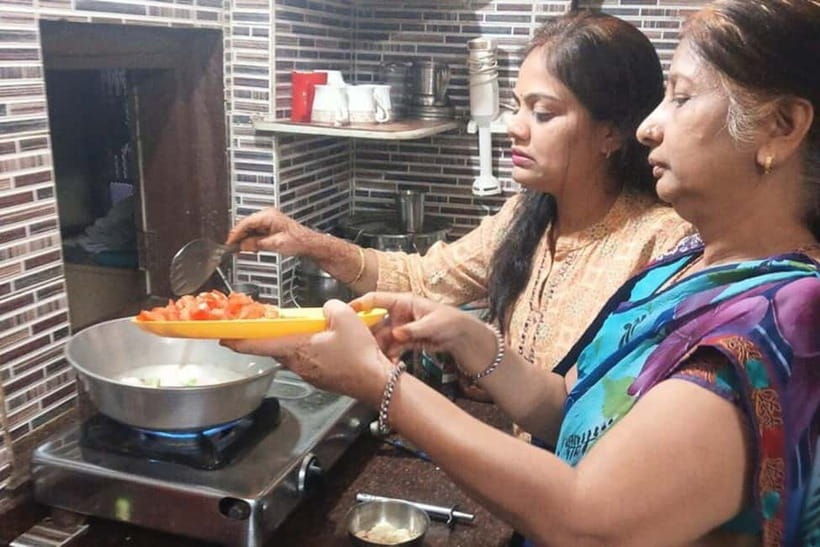
Most cooking classes teach recipes. This one also teaches decisions.
At the start, you get a welcome drink and an introduction to Indian spices and ingredients. That spice talk isn’t just theory. It ties directly into what you’ll do next—how spices bloom, why aromatics matter, and how each spice fits into the overall flavor profile.
You’ll hear stories and explanations about the purposes behind ingredients. That’s the real shortcut for cooking at home: once you understand what a spice is doing, you can substitute or adjust later without ruining the dish.
This is also where your personal preferences come in. In the better versions of this class, you’re able to cook in a way that matches what you like. One participant described making masala chai tailored to their taste. Another described being able to request dishes and get explanations as each step happened.
And because this is a family setting, the questions come fast. You can ask why the dough feels a certain way, why a curry is seasoned in a specific order, or what “done” looks like for bread or vegetables. Swati’s teaching style is repeatedly described as clear and attentive, with plenty of room to learn rather than just follow.
Hands-on technique: from chapati to curries you can repeat
The biggest value here is repeatability. You’ll practice the foundational techniques that make Indian food feel less mysterious.
You’ll learn to make:
- Chapatis and often other breads like parathas or similar flatbreads (your final bread texture is shaped by dough consistency, resting, and heat control).
- Vegetable curries and dal-style preparations, where the balance of fat, spice, and liquid affects both flavor and thickness.
The teaching flow tends to follow a logical rhythm:
- Prepare core ingredients (chopping, measuring, portioning).
- Work through the spice step (how flavors are introduced).
- Build the curry/dal body (simmering and seasoning).
- Cook breads while sauces come together (so everything finishes together, not in separate time zones).
A detail that came up in multiple experiences: fresh ingredients matter here. One person specifically noted homemade paneer and ghee. Even if you’re not trying to source the exact same products at home, it reinforces a useful lesson: Indian home cooking often relies on ingredient quality and simple technique more than on complicated gadgets.
Also, the class cares about safety and comfort. One participant mentioned mineral water used for cooking. Another described careful hygiene and organization in the kitchen. That means you can focus on learning, not worrying about basic steps.
If you’re worried about being able to follow instructions, don’t. The class operates in small-group format and is described as supportive and patient. You’ll be active enough that you learn what to do next, but not so overwhelmed that it feels chaotic.
The dessert stop and the recipe handoff you’ll actually use
A good meal ends with something sweet, and this class includes an Indian dessert. Gulab jamun came up specifically in one account, and you may see a similar traditional sweet depending on the day.
What makes the dessert part worth it is the final “take-home” phase. You get e-recipes of all cooked dishes, and many participants mentioned receiving recipes via WhatsApp after the class. That’s important: you’re less likely to forget steps like spice order, timing, or ingredient ratios once you have a clean digital reference.
This is where the experience turns from fun to useful. Instead of relying on memory, you have a guide you can use the next time you’re craving dal, curry, or a proper chai-style cup.
And if you want to impress friends at home, dessert is often the easiest win. You can start with the simpler sweet, then move back to breads and curries once you’re comfortable.



Price and value: why $19 can feel like a steal
At $19 per person for a 3-hour class, the math is straightforward: you’re paying for more than cooking. You’re buying instruction, hospitality, ingredients, and a full meal outcome that’s usually better than anything you’d pick off a menu for the same price.
Here’s the real value breakdown:
- Small group size (up to 6) means you’re not lost in a crowd.
- Hands-on cooking means you’re doing the work, not watching someone else do it.
- Customization for preferences and dietary needs is a big deal. Adjusting menus takes extra effort, and it can be hard to find outside a private home class.
- E-recipes give you a tangible result long after your Jaipur day ends.
Transportation isn’t included, so add whatever local taxi/auto cost fits your plan. But even with that, the experience often feels like a better use of time than a generic food tour stop, because it turns into a skill you can repeat.
In a city where many activities are loud and crowded, this one feels calm and personal—more “shared meal” than “activity stamp.”
Where to meet and what to expect when you arrive near Johari Bazar
The meeting point is:
3664, Motisingh Bhomiyon Ka Rasta, Fourth Crossing, Johari Bazar, Jaipur 302003
It’s a residential area, so give yourself a little time buffer. One participant described receiving clear directions from the host by text on the day, with support via WhatsApp/phone if needed. That’s exactly what you want: simple, direct guidance so you can find the home without turning it into an expedition.
A few practical expectations:
- You’ll be cooking with fresh ingredients, so plan to dress for that (easy sleeves are helpful).
- Pets aren’t allowed, so don’t assume you can bring them along.
- You can interact with family members, and some participants reported cultural extras like looking through family photo albums, and even henna on the hands if they wanted it, plus small takeaways.
If you’re nervous about being in someone’s home, it helps to remember this is hosted at a real household that clearly understands how visitors feel. People highlighted warmth, safety, and clear communication.
Also, if you need planning flexibility, free cancellation is available up to 24 hours in advance, and you can reserve now and pay later.
Who should book this, and who might want a different option
This class is best for you if:
- You want a hands-on skill (breads, curries, spice balance), not just a tasting.
- You like learning from a real family host, with time to ask questions.
- You care about dietary needs or preferences and want a place that can adapt.
- You want a quieter, more personal Jaipur experience that still feels deeply connected to local life.
You might consider a different type of tour if:
- You want something where you mostly watch and sample.
- You don’t have an easy way to reach a specific residential meeting point and you hate handling logistics yourself.
But if you’re willing to show up curious and hungry for learning, this is the kind of Jaipur activity that sticks.
Should you book Jaipur Cooking Class with a Local Family?
Book it if you want the best kind of souvenir: a meal you can make again, guided by real people in a real Jaipur home. The combination of family hospitality, spice-and-technique teaching, and recipe take-home makes the $19 price feel sensible and fair, not inflated.
Skip it only if you’re strictly searching for a restaurant-style experience or you don’t want to handle transport to a residential address. Otherwise, this class is a smart use of 3 hours in the Pink City—because you’ll leave fed, informed, and with a plan for dinner back home.
FAQ
What is the duration of the cooking class?
The class lasts 3 hours.
How much does the class cost?
The price is $19 per person.
How many people are in the group?
The group is small, limited to 6 participants.
What dishes will I learn to cook?
You’ll do hands-on cooking making chapatis and vegetable curries, and you may also learn traditional Rajasthan dishes like dal baati churma and ker sangri. The class also includes an Indian dessert.
Are dietary restrictions or allergies accommodated?
Yes. The experience can accommodate allergies and intolerances, and there are examples of gluten-free menus.
Is transportation included?
No. Transportation to and from the activity is not included.
Is the class available in English or another language?
The instructor speaks English and Hindi.