REVIEW · HOI AN
Hoi An Eco & Cooking Class
Book on Viator →Operated by Hoi An Eco Cooking Tour · Bookable on Viator
A rainy afternoon in Hoi An can turn magical fast. This eco-and-cooking class blends a bamboo basket boat ride in the Bay Mau nipa palm forest with a hands-on market visit and cooking lesson, ending with a satisfying meal. Two things I especially like are the real-world fishing experience with local fishermen and the fact that your cooking starts with ingredients you picked earlier. One possible drawback: it’s a full 5-hour stretch outdoors and on the water, so if heavy rain rolls in, you’ll want to be ready for wet conditions.
I like how the day mixes food, nature, and local stories instead of treating any one part as a photo stop. You also travel in a small group (up to 10 people), which makes it easier to ask questions during the cooking and fishing activities. Since the pace is active, it helps to wear shoes that can handle damp ground and boat steps.
In This Review
- Quick hits before you go
- Why this Hoi An Eco & Cooking Class works in about 5 hours
- Hotel pickup and the small-group advantage
- Market visit: learning how locals buy food before you cook it
- Rice paddy country to the Cua Dai river
- Bay Mau nipa forest basket boat ride and fishing with local fishermen
- Palm-leaf souvenirs and war-time stories in the same day
- The cooking class: market ingredients to your plate
- Lunch and dinner included: what you get and why it’s good value
- Logistics that help: timing, tickets, and group comfort
- Who this tour suits best (and who might want a different option)
- Price and value: making $25 feel like more than a bargain
- Should you book the Hoi An Eco & Cooking Class?
- FAQ
- What is the duration of the Hoi An Eco & Cooking Class?
- How much does it cost?
- Is hotel pickup included?
- Do I visit a market before the cooking class?
- What water activities are included?
- What will I be catching during the fishing portion?
- Are meals included?
- What cooking materials do I get?
- Is alcohol included?
- Is there free cancellation?
Quick hits before you go
- Start with a local market where you learn how ingredients are chosen before you cook them
- Bay Mau nipa palm forest basket boat ride with local fishermen on the water
- Catch-and-collect fishing time using traditional nets for fish and purple crabs
- Palm-leaf souvenir making so you leave with something you made yourself
- A cooking lesson that actually uses your market finds plus a recipe book to take home
Why this Hoi An Eco & Cooking Class works in about 5 hours
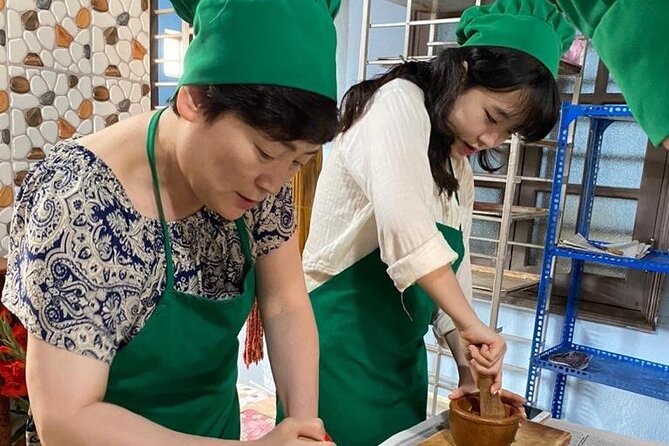
Hoi An is famous for food, but this experience does something smarter than just pointing you at dishes. You get the full chain: how ingredients are bought, how they’re handled, and how they become a meal. It’s also practical timing—about 5 hours—so it fits well if you’re juggling shopping, sightseeing, and beach time.
The eco part is real in the sense that you’re spending time on and around the Cua Dai river and the nipa palm groves at Bay Mau. You’re not just passing through a scenic spot; you’re learning how local fishermen work there. That’s why it feels like a day of everyday life, not a staged show.
One more reason I like it: the pricing is straightforward. At $25 per person, you’re paying for multiple activities plus lunch and dinner, all cooking ingredients, and a recipe book. That combination is hard to beat in a city where cooking classes can get pricey fast.
You can also read our reviews of more tours and experiences in Hoi An.
Hotel pickup and the small-group advantage
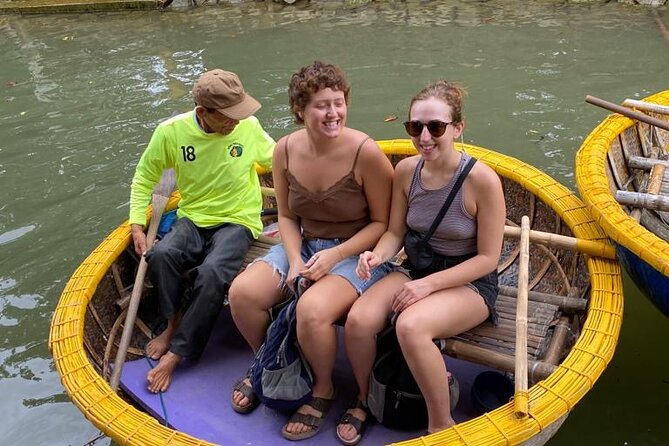
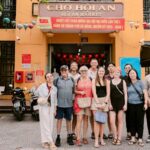
The day starts with pickup from your hotel lobby in Hoi An ancient town. You’ll meet your guide at Villa Hoa Vừng (Bartonia Villa) if that’s your designated meeting point, and then you’ll move through the program with the group.
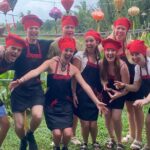
Your group size caps at 10 travelers, which makes a difference. In larger classes, you can feel rushed or lost. Here, you’re more likely to get clear answers while learning cooking steps and fishing techniques.
You also get a mobile ticket, which keeps things simple the day of. The tour includes a return to your meeting point/hotel at the end, so you’re not stuck figuring out transport after you’ve worked up an appetite.
Market visit: learning how locals buy food before you cook it
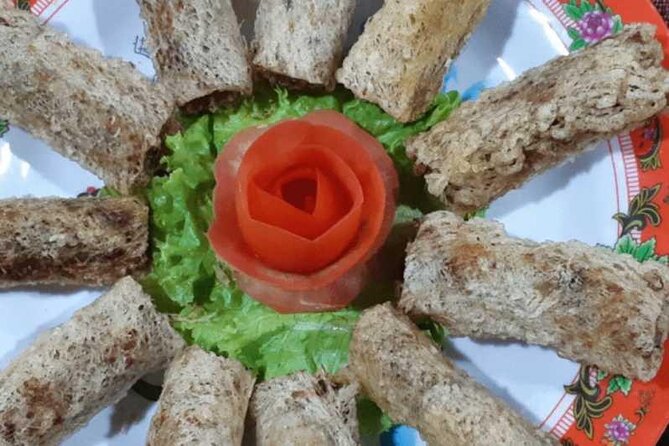
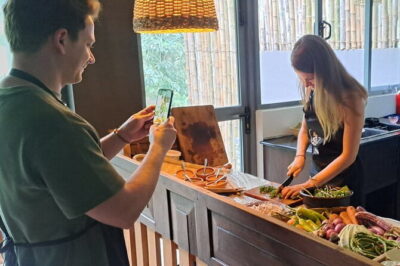
Before any frying happens, you’ll visit a local market and hear how people shop for ingredients. This is more than sightseeing. You’re getting context on what goes into Vietnamese cooking and why certain items are chosen in the first place.
Your guide will show you what to look for, and you’ll buy the ingredients that will later become your cooking lesson. That’s a big value point for the $25 price tag: the market time sets you up to understand the meal, not just follow steps.
If you care about food texture and balance, the market is where it starts. You’ll also get a sense of what’s commonly available locally, which helps you if you want to recreate dishes later. And yes, this is one of those experiences that works even if your schedule gets tight—you’ll leave with a list of ingredients you actually used.
Rice paddy country to the Cua Dai river
After the market, you’ll transfer by car toward a fishing village area. The route includes passing rice paddy fields, which is a nice break from the old town streets.
Then the focus shifts to the Cua Dai river and the Bay Mau nipa grove—water coconut palm territory. Expect the day to feel more rural and watery as you move from the market into the fishing landscape.
This travel segment matters more than it sounds. It’s where the experience pivots from food-themed to nature-and-fishing themed. If you’re expecting a class that stays indoors the whole time, you’ll want to know this day includes real time outside, plus time on a boat.
Bay Mau nipa forest basket boat ride and fishing with local fishermen
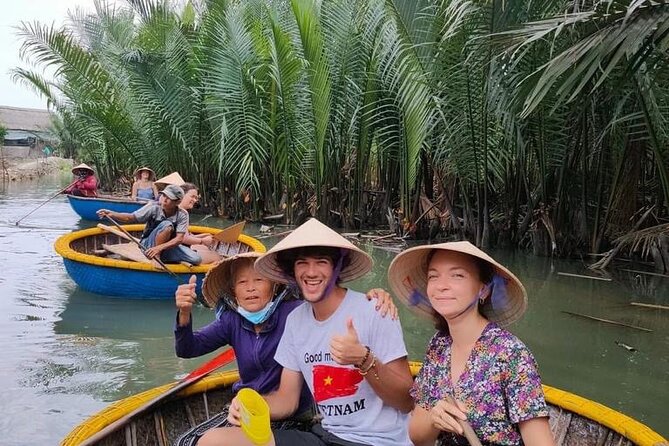
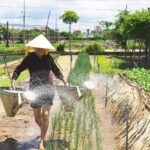
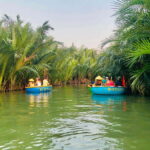
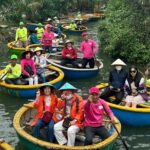
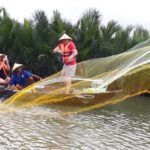
The heart of the day is the Bay Mau nipa palm experience. You’ll head out on a bamboo basket boat with local fishermen in the water coconut palm forest. It’s not just a ride for photos. You’re learning alongside people who work this water every day.
Then comes the hands-on part: catching fish and purple crabs using fishing nets. You may also be shown unique net setups used by local fishermen. This is the moment where the eco angle feels tangible—your understanding of the food grows because you’re part of the process of getting it.
You’ll also get chances for learning and sharing. The program includes time where you hear about daily fishing experiences, not just instructions on where to sit. That’s why it tends to be a highlight for people who think they’ve seen enough boats and tours.
The practical note: you’ll likely get wet. Even in good weather, this is water-based work. Wear clothes and footwear you don’t mind getting damp, and bring a bag that can handle moisture.
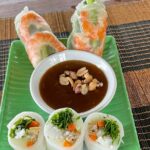
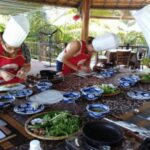
Palm-leaf souvenirs and war-time stories in the same day
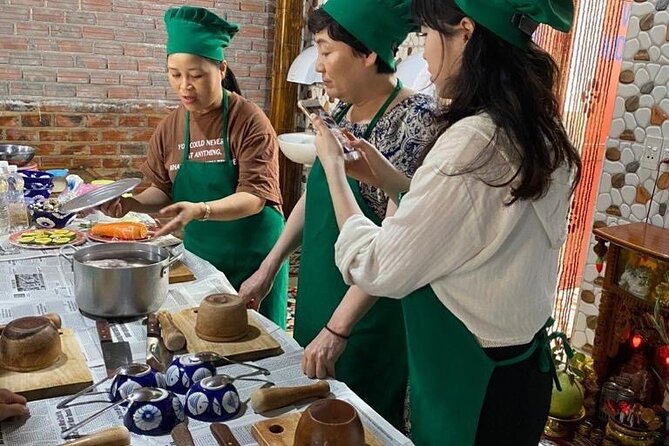
One of the most memorable add-ons is learning to make souvenirs with palm leaves. It’s simple enough to enjoy even if you’re not arts-and-crafts person, but hands-on enough to feel personal. And you’ll understand the materials better because you’ve already been around the nipa palm environment.
Another part of the day focuses on Vietnamese–American war stories and what happened during that time. The key here is that it’s framed as interesting and true stories tied to local places and people, not a detached lecture. That context can deepen how you see the region when you go back to Hoi An’s historic atmosphere.
If you prefer pure food and nature only, this section might feel like a contrast. Still, it adds human weight to the scenery and makes the experience feel grounded in lived history.
The cooking class: market ingredients to your plate
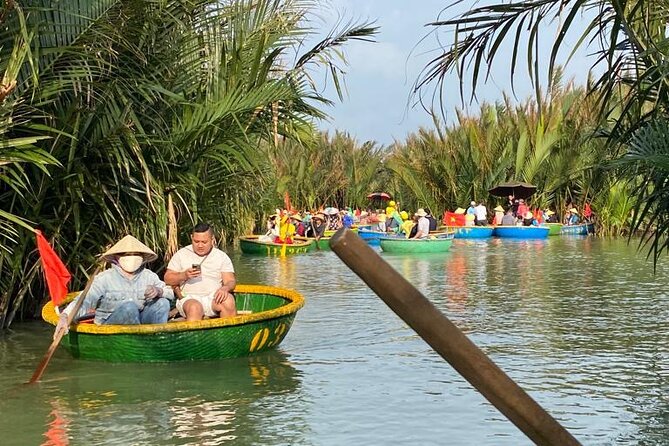
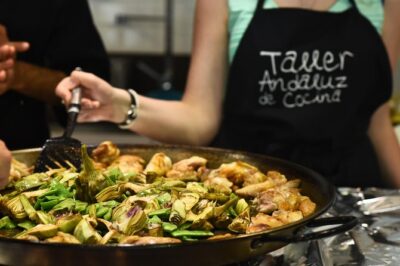
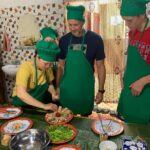
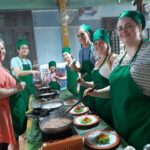
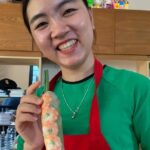
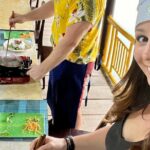
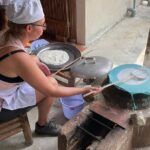
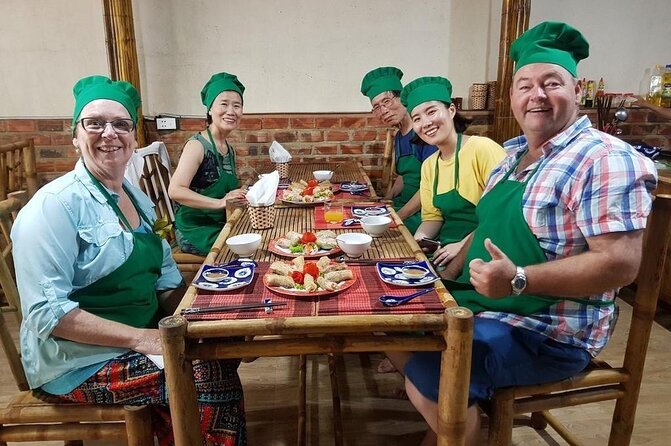
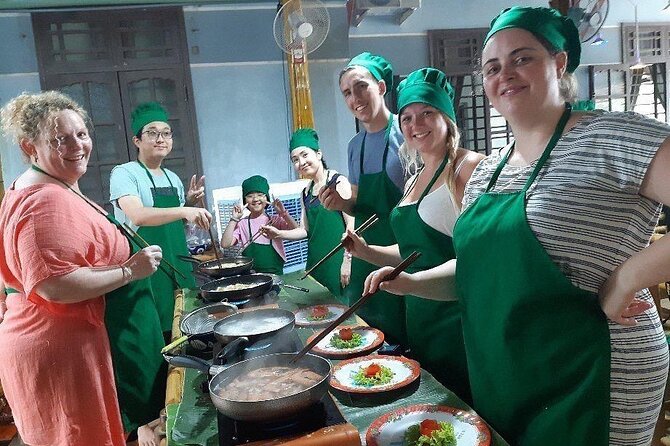
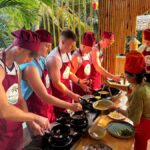
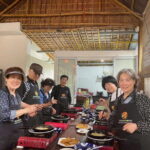
Once you’ve collected the ingredients, the cooking lesson becomes the payoff. You’ll follow instructions step-by-step and learn how to prepare Vietnamese dishes using what you bought at the market.
This is where the guides’ teaching skills matter. People consistently highlight the way the instruction is engaging and clear, including excellent English in at least some groups. You’re not stuck guessing. You’re learning why ingredients go together and how to handle them in the cooking process.
I also like that the cooking isn’t treated as a one-dish demo. You’ll make enough food to actually eat what you cook, and the experience includes a recipe book to take home. That means you can reproduce the meal later without trying to remember everything from memory.
One caution: a cooking class has a rhythm. If you’re sensitive to timing, or if you’re used to very slow tours, this one moves along because the fishing, souvenir making, and cooking all fit into a single day. The upside is you’ll leave with a full meal and skills you can repeat.
Lunch and dinner included: what you get and why it’s good value
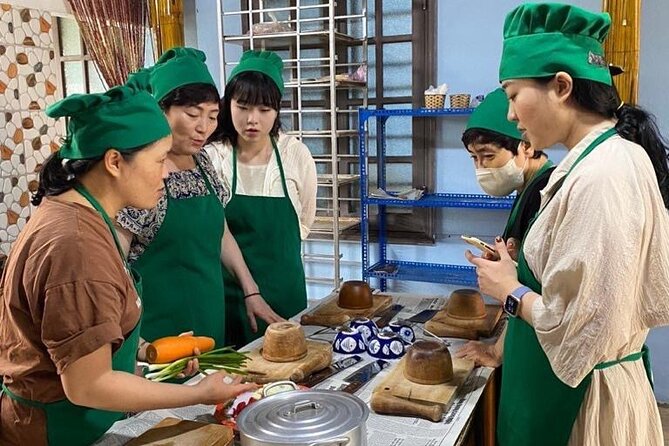
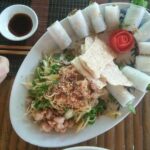
Meals are included, with lunch and dinner listed as part of the package. In practice, the day’s schedule ties eating to the cooking lesson and the rest of the itinerary, so you’re not paying extra at the end when you’re tired and hungry.
This matters for value. At $25, you’re getting more than a class—you’re getting a full food day with cooking ingredients included. Many standalone Hoi An experiences charge more for just one activity or just one meal.
Also, the quality tends to land well because your cooking class is hands-on. If you want the kind of Vietnamese meal you can recreate, pay attention during the cooking steps and use the recipe book later. I find that’s the best way to turn a fun day into something useful.
One more note: alcoholic beverages aren’t included, so if that’s part of your normal meal routine, you’ll want to plan to purchase separately.
Logistics that help: timing, tickets, and group comfort
This tour runs about 5 hours. The exact pacing depends on conditions and how smoothly the fishing and cooking flow, but the overall structure is consistent: pickup, market, countryside transfer, boat and fishing in the nipa grove, palm-leaf souvenir making and war stories, then the cooking lesson and included meals, followed by the return to your meeting point/hotel.
You’ll travel by car from area to area. Since you’re switching between land and water, I’d treat this like a weather-flex day. You’ll be outdoors for parts of it.
If you’re coming from Hoi An ancient town, pickup helps a lot. If you’re using public transport, the tour is described as being near public transportation routes, which can simplify your day if you don’t have a hotel pickup.
Service animals are allowed, and you’ll receive confirmation at booking time. If you’re traveling with a need for clear communication, it’s worth knowing the guides’ English skills are praised in the experience—so you should feel supported during the cooking and Q&A.
Who this tour suits best (and who might want a different option)
This works especially well if you want a hands-on Hoi An day. You like learning by doing—market to cooking, boat to fishing, palm leaves to a souvenir. It also fits travelers who enjoy learning about how locals live, including context about the Vietnamese–American war through true local stories.
It’s also a smart choice for weather problems. One of the strongest signals from the experience is that people have used it as a rescue plan on a rainy day and still had a memorable time.
Who might skip it? If you strongly dislike wet conditions or have mobility issues that make stepping onto boats difficult, you might prefer a cooking-only alternative or another Hoi An class that stays fully on land. Some people do mention a cooking-only format, so that can be a reasonable compromise if you want the food focus without the full water segment.
Price and value: making $25 feel like more than a bargain
At $25 per person, the value comes from stacking multiple included pieces:
- Market ingredients that directly feed your cooking lesson
- Bamboo basket boat experience in the nipa palm forest
- Fishing time with nets and hands-on participation
- Palm-leaf souvenir making
- Lunch and dinner included
- A recipe book plus all cooking ingredients
For many people, cooking classes alone can cost more in Vietnam, and you still have to pay separately for activities. Here, you’re combining two skill experiences—fishing context and cooking skills—plus meals, which makes the price feel fair.
So the question isn’t just Is it cheap. It’s Does it replace other paid stops. In this case, it often does.
Should you book the Hoi An Eco & Cooking Class?
Book it if you want an active, food-first day that also teaches you how Hoi An’s food culture connects to the river and palms. The mix of market learning, basket boat time, fishing for purple crabs, palm-leaf souvenirs, and a real cooking lesson gives you more than a single-theme tour.
Consider booking a cooking-only option if you’d rather keep things drier and less boat-focused, but still want the market-to-meal teaching. Either way, set your expectations for a full day with time outdoors and a small-group pace that feels interactive.
If you’re the type who likes to understand not just what you eat but how it gets to your plate, this is a strong match.
FAQ
What is the duration of the Hoi An Eco & Cooking Class?
The experience is listed as about 5 hours.
How much does it cost?
It costs $25.00 per person.
Is hotel pickup included?
Pickup is offered, with the guide picking you up at the hotel lobby in Hoi An ancient town.
Do I visit a market before the cooking class?
Yes. You’ll visit a local market where you learn how local people buy products and purchase ingredients used later for cooking.
What water activities are included?
You’ll go to Bay Mau nipa (water coconut palm forest) and take a bamboo basket boat trip with local fishermen, including fishing time with nets.
What will I be catching during the fishing portion?
The tour includes catching fish and purple crabs.
Are meals included?
Lunch and dinner are included, and you’ll also enjoy the meal after the cooking lesson.
What cooking materials do I get?
The tour includes all ingredients and a recipe book.
Is alcohol included?
Alcoholic beverages are not included.
Is there free cancellation?
Yes. Free cancellation is available up to 24 hours in advance for a full refund. If you cancel less than 24 hours before the start time, the amount paid is not refunded.