REVIEW · TOKYO
Tokyo: Tsukiji Market Walking Tour & Sushi Cooking Class
Book on GetYourGuide →Operated by ABC Cooking Travel · Bookable on GetYourGuide
Sushi starts with chaos at Tsukiji. I love the Tsukiji Outer Fish Market for its loud, messy, very real energy, and I also love that you finish with a hands-on sushi cooking class you can actually repeat at home. The best part is the mix: you see where the food culture comes from, then you learn how it’s made.
One thing to plan for: the market time is limited, so you may wish you had more time at the stalls before class. A few people found the class rushed, too, even though instructors like Akiko and Megumi were consistently praised for being patient and fun.
In This Review
- Key Highlights You’ll Feel Immediately
- First Stop: Tsukiji Hongwanji Temple and Getting Oriented
- Walking Tsukiji Outer Market: How the Chaos Becomes Understandable
- How the Tour Moves from Market to the Cooking Studio
- Cooking Class Details: Temari, Maki, Tamago yaki, Miso Soup
- Lunch Is the Proof: Eating What You Make
- Price and Value: Is $96 Worth It?
- Who This Tour Suits Best (and Who Should Rethink It)
- Logistics That Matter: Timing, Weather, and What to Wear
- The Main Trade-Offs: What You Gain, What You Don’t Get
- Should You Book This Tsukiji Market + Sushi Class?
- FAQ
- How long is the Tsukiji Market walking tour and sushi cooking class?
- Where do we meet our guide?
- Do you visit the tuna auction or the inner wholesale fish market?
- What dishes do we learn to make?
- Is lunch included?
- How big is the group?
- What should I bring and wear?
Key Highlights You’ll Feel Immediately
- Max 6 people, so you get real interaction with your guide and instructor instead of watching from the back
- Outer Tsukiji only (no tuna auction, no wholesale inner market), which keeps the experience focused and easier to manage
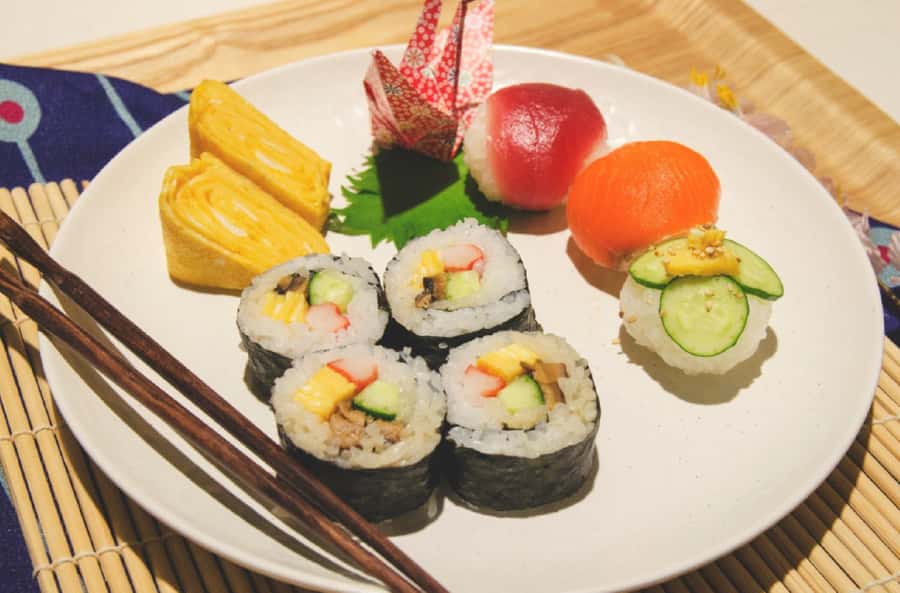
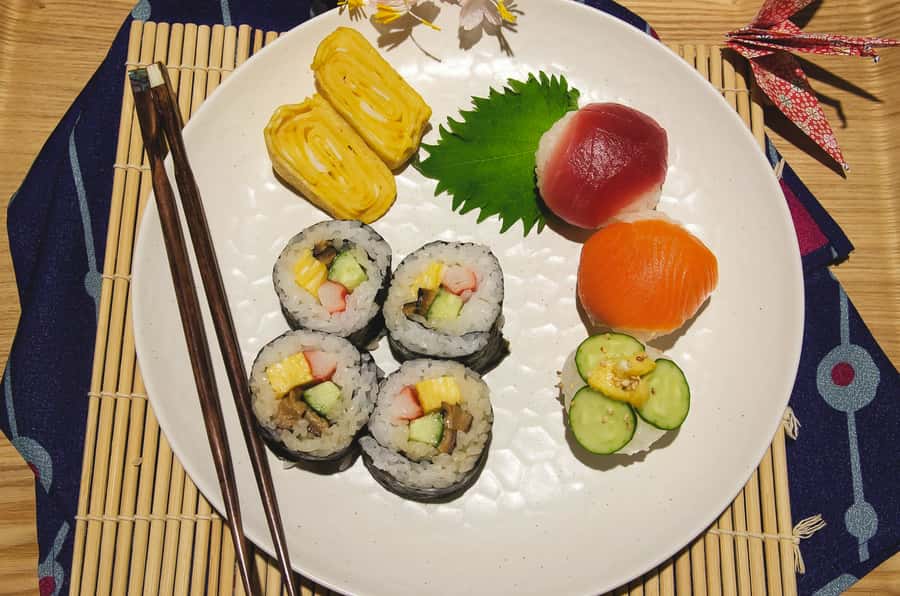
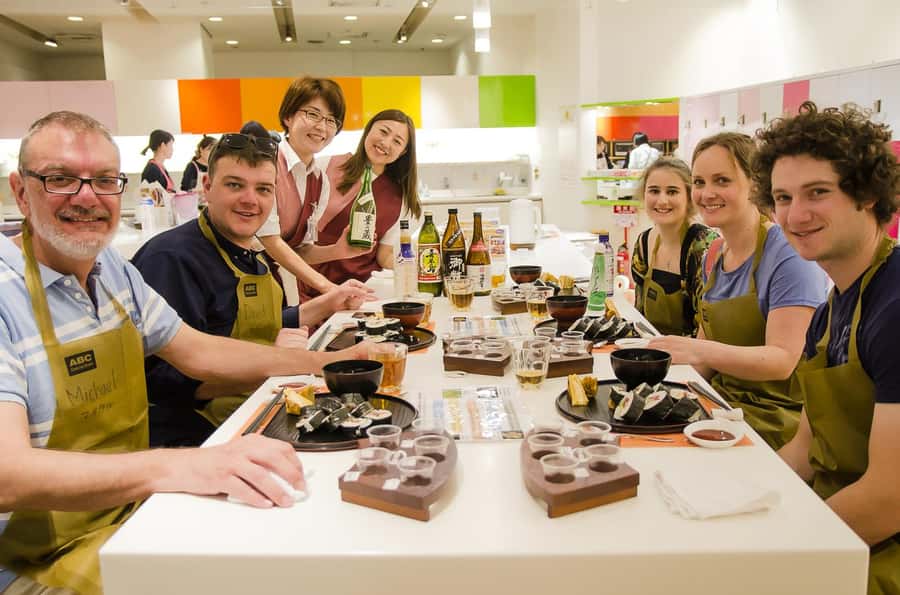
- Make-and-eat lunch: you roll sushi, shape Temari-style bites, cook tamago yaki, and simmer miso soup, then sit down to eat it
- English live guide at the market, meeting at Tsukiji Hongwanji Temple so you get your bearings fast
- Seasonal ingredients can change, so your dishes match what’s available rather than some fixed photo version
First Stop: Tsukiji Hongwanji Temple and Getting Oriented
The day starts at the main gate of Tsukiji Hongwanji Temple. Your guide is holding a sign with your name, which is a small detail that matters here. Tsukiji can feel like a maze—especially if you’re trying to translate signage while weaving around shoppers and stall traffic—so a clear meeting point reduces stress right away.
You’ll be in comfortable shoes territory. This isn’t the kind of walk where you can wear pretty footwear and hope for the best. The tour moves through the outer shopping market area, and you’ll want stability for crowded aisles.
Your guide is there for more than logistics. In good sessions, you’ll hear straight talk about Japanese seafood and why specific stalls matter. Several guides in this format are described as friendly and upbeat, like Aki at the market and Akiko at the class, which makes the experience feel less like a checklist and more like a conversation.
You can also read our reviews of more tours and experiences in Tokyo.

Walking Tsukiji Outer Market: How the Chaos Becomes Understandable
The core market portion is about 70 minutes in the outer area. That timing is important. Tsukiji is the sort of place where you could easily get lost for hours, but this tour is built to give you a guided route with enough time to see key sights without turning the morning into a full-day endurance event.
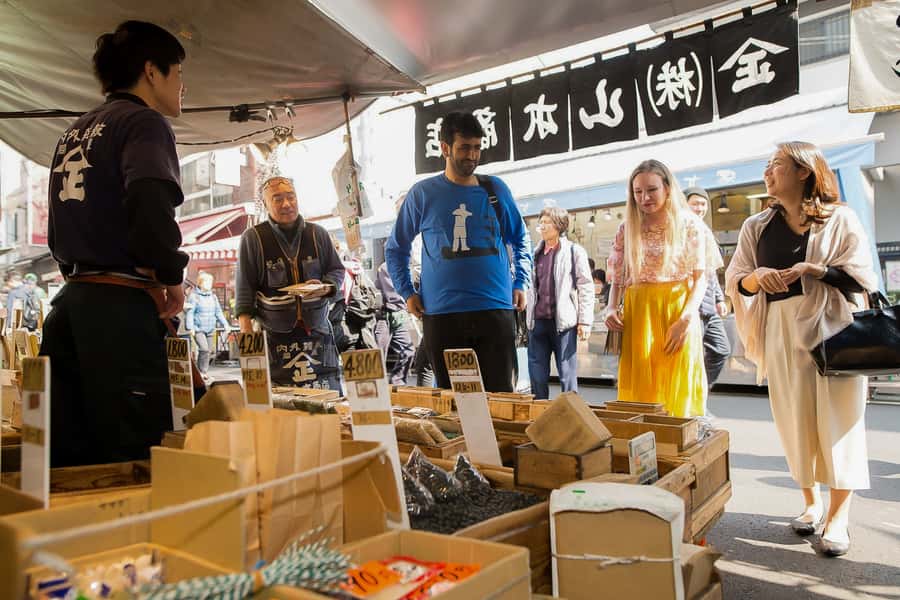
You’ll meet the market at its most real. The outer area is often described as lively, chaotic, and oddly charming—food counters next to supply stalls, shoppers moving fast, and constant smells drifting through the air. With a guide, the benefit is not just what you see, but what you learn to notice:
- what kinds of seafood show up and why,
- how the market is organized,
- how locals approach buying and preparing fish and seafood.
A practical tip: come with a little appetite. Even if tastings aren’t guaranteed everywhere, you’ll likely be surrounded by places where you can sample or snack. One review strongly suggested arriving hungry because there’s plenty to try.
Also, don’t plan to see everything Tsukiji is famous for. This tour does not include the inner wholesale fish market or the tuna auction. In other words, you’re not paying to wait for an event that’s not part of your day. You’re paying for an outer-market walking experience plus a cooking class.
How the Tour Moves from Market to the Cooking Studio
After the market portion, you head to the cooking school. The experience is organized so the switch feels natural: you walk through seafood culture first, then you translate that knowledge into technique.
One big value of this structure is mental. If you only do the market, it can stay abstract—lots of images, lots of impressions, not much you can recreate. If you only do a cooking class, you might learn skills but miss the food context that makes Japanese seafood cooking feel logical. Put together, it clicks.
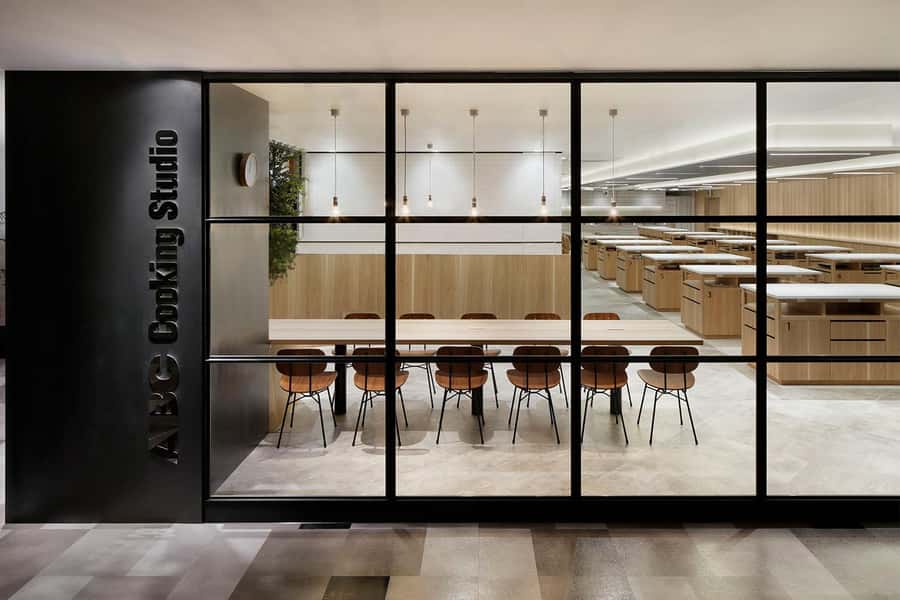
Your class is at Japan’s largest cooking school, which matters because you’re learning within a system built for repeatable results. You’re not just watching someone cook—you’re doing it, and that’s what helps you take the experience home.
Cooking Class Details: Temari, Maki, Tamago yaki, Miso Soup
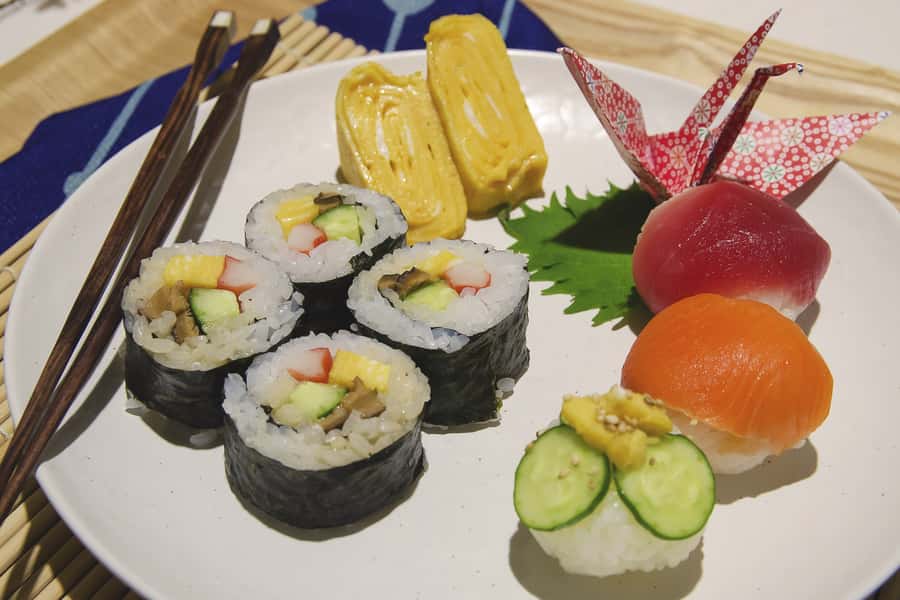
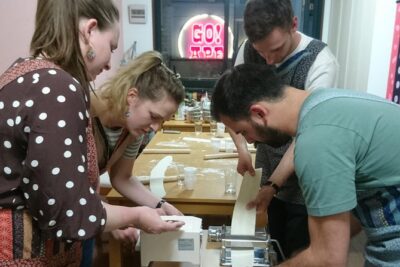
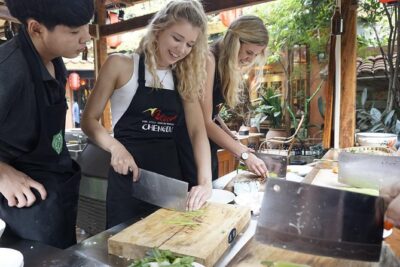
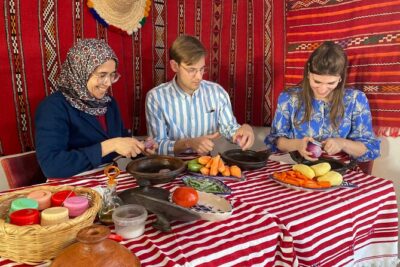
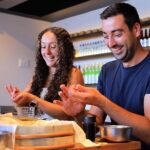
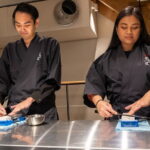
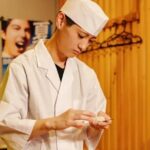
This is the part you’ll talk about later, because you leave with skills, not only photos. The instructor demonstrates techniques, then guides you through hands-on steps.
You’ll learn to prepare washoku-style dishes, including:
- Temari sushi (ball-shaped sushi)
- Maki sushi (rolled sushi)
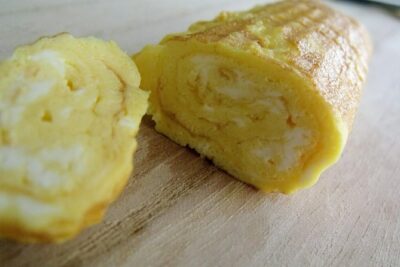
- Tamago yaki (Japanese egg roll)
- Miso soup
A few practical notes help you set expectations:
- Ingredients may differ from the ads, and the menu can change with season and what’s available. That’s normal in a real kitchen tied to supply.
- You’ll get an apron, and you’ll have access to drinking water at the studio.
- There’s a digital recipe and digital certificate afterward, which is handy if you want to actually cook again rather than just remember the fun.
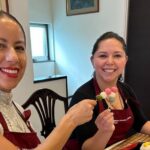
Instructors get consistently praised for being patient and supportive. Names that came up a lot include Akiko, Megumi, and Hiroko, and the pattern is the same: the teacher helps you get the mechanics right even if you’ve never rolled sushi before.
If you care about technique, pay attention during the egg and rice steps. Tamago yaki can look simple, but rolling and setting the texture takes method. And for sushi rolling, small moves make a difference in how tight the roll is and how cleanly it slices.
Lunch Is the Proof: Eating What You Make
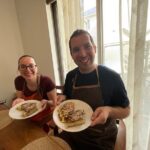
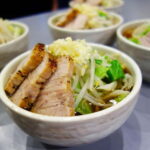
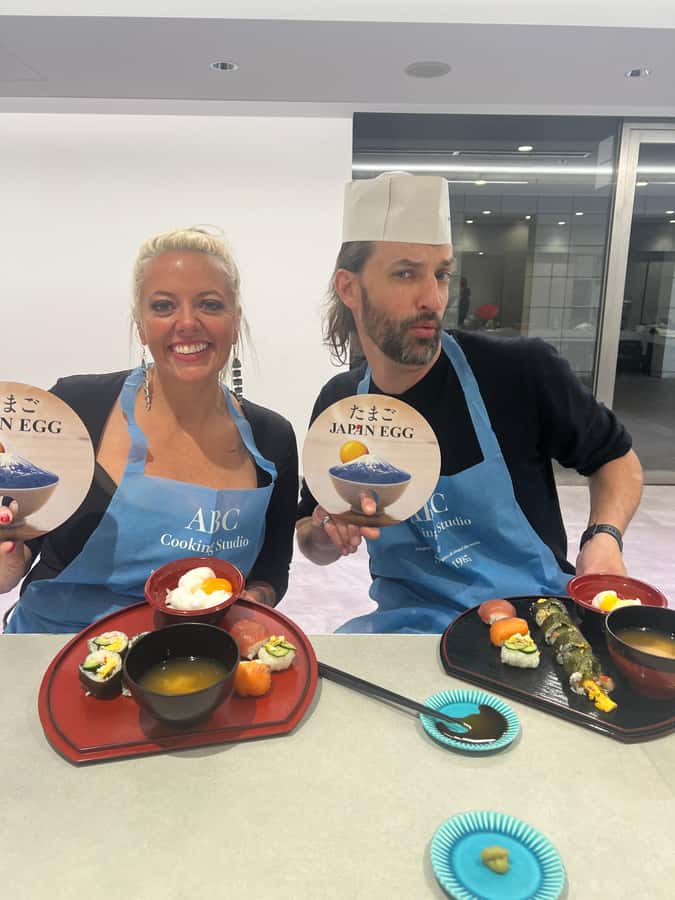
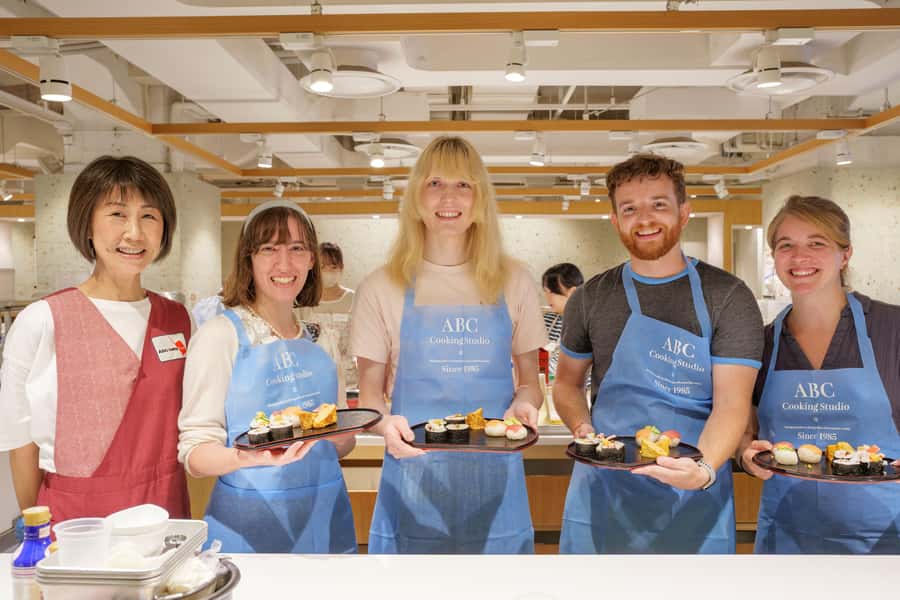
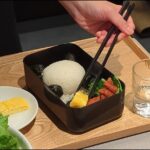
At the end, you sit down for lunch comprised of your own creations. This matters more than it sounds. Cooking classes that only teach technique but don’t feed you are fine, but here you get the emotional payoff: you made it, you taste it immediately, and you can compare what you expected with what actually happened.
And because you cook multiple items—Temari, maki, tamago yaki, and miso soup—you get a balanced meal rather than one finished dish plus some sides. The menu also gives you variety in texture and flavor: structured bite-size sushi, a rolled texture, savory-sweet egg, and the warm, salty comfort of miso soup.
A simple takeaway: you’ll probably understand why people talk about sushi as more than just raw fish. It’s technique, seasoning, timing, and rice handling all working together.

Price and Value: Is $96 Worth It?
At $96 per person for a 3-hour experience, you’re paying for three things at once:
1) a guided walk through a major market area,
2) instruction from a professional cooking teacher at a large cooking school, and
3) lunch that’s built from what you make.
If you tried to replicate this solo, you’d likely spend money on transportation, pay for a separate cooking class, and then still wander the market without a clear path. Here, you get the pairing: market context plus a structured skill session.
That said, value depends on what you want most.
- If you want the market to be the star, you might feel the market portion is short.
- If you want a practical cooking skill you can use later, the format usually lands well because you actually produce the dishes.
A couple of critical comments showed up around cost and pacing. One concern was that the market felt like more of a tourist-facing area than a pure local stop, and another said the class could feel a bit rushed. Those are fair considerations. Your best move is to choose this when you’re excited for both halves—market learning plus hands-on cooking—rather than when you’re only chasing one.
Who This Tour Suits Best (and Who Should Rethink It)
This experience fits best if you want a guided, English-friendly food day with real output.
You’ll likely enjoy it if you:
- like walking but don’t want to navigate Tsukiji alone,
- want hands-on sushi skills, not just watching,
- enjoy learning why Japanese seafood cooking works the way it does,
- appreciate a small group format (limited to 6 participants).
You may want to skip it if you:
- need wheelchair access (this isn’t suitable for wheelchair users),
- are traveling with very young kids (minimum age is 9, and there’s also a height cutoff),
- have back, heart, pregnancy, or other serious medical conditions (the tour isn’t recommended for these situations),
- or want the inner wholesale market and tuna auction experience (this tour doesn’t include those).
Also note what’s not allowed: pets, baby strollers, and luggage or large bags. If you’re carrying a big suitcase, plan ahead so your day stays smooth.
Logistics That Matter: Timing, Weather, and What to Wear
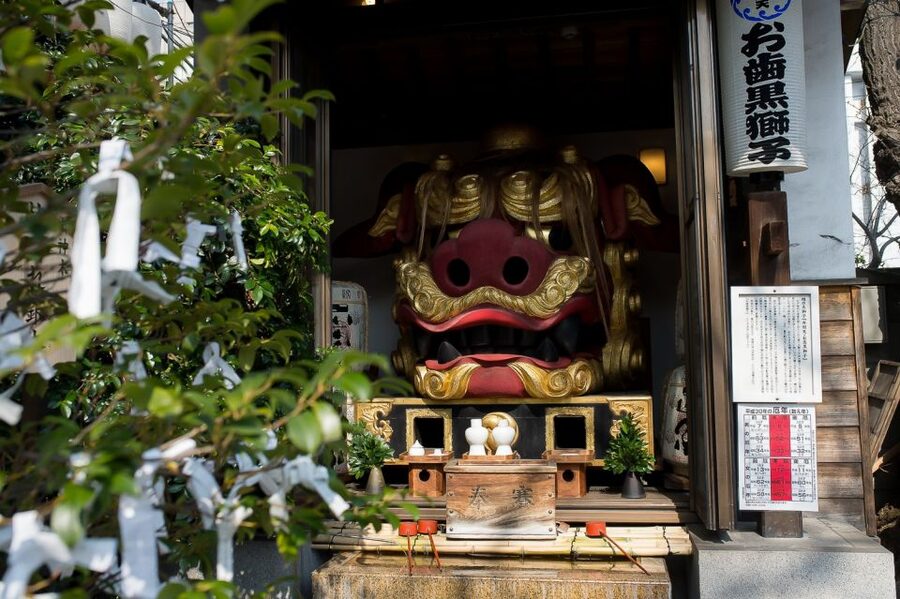
This tour requires good weather. If it’s canceled due to poor weather, you get a full refund or you can request to reschedule. Since the market portion is outdoors, dress like you expect Tokyo walking conditions: breathable clothes, layers if it’s cool, and shoes you trust.
The itinerary is tight, and that’s by design. With only about 70 minutes in the outer market and then class instruction, you should treat this as a curated experience. If you want lots of wandering time, you might add extra browsing before or after the tour on your own.
For meeting location comfort: Tsukiji has multiple nearby stations. If you’re using the Hibiya line, Tsukiji Station (H11) is very close, about a 1-minute walk from exit 1. If you’re on the Oedo line, Tsukiji Shijou Station (E18) is about a 7-minute walk from exit A1 in the direction of St. Luke’s Hospital.
The Main Trade-Offs: What You Gain, What You Don’t Get

Here’s the honest balance.
What you gain:
- a clear, guided route through the outer market,
- hands-on sushi-making and egg and soup technique,
- lunch that ties the day together,
- small-group attention in both halves.
What you don’t get:
- no inner wholesale market and no tuna auction, even though Tsukiji is famous for those,
- unlimited time in the market area.
Some people felt the outer market stop could be shorter or more tourist-forward than expected. That doesn’t make it bad. It just means this is built for first-timers who want an efficient, guided experience and a finished meal.
If you’re chasing the most hardcore, early-morning fish-industry experience, you’ll need a different plan. If you want market flavor plus cooking skills you can repeat, this is a strong match.
Should You Book This Tsukiji Market + Sushi Class?
I’d book it if you want a structured, small-group Tokyo food day that ends with you eating what you made. The combination is the key: guided market context first, then real technique in the kitchen, with lunch as the payoff.
Skip or reconsider if you’re mainly after the tuna auction or the inner wholesale market, or if your top priority is maximum time roaming Tsukiji on your own. Also, plan to be comfortable walking and standing for the full outing, and come ready for a hands-on class where you’ll follow an instructor step-by-step.
If you do book, bring comfortable shoes, come a little hungry, and treat the market walk as your guided orientation. Then let the cooking class do what it does best: turn food curiosity into skills.
FAQ
How long is the Tsukiji Market walking tour and sushi cooking class?
It runs for 3 hours total.
Where do we meet our guide?
Meet in front of the main gate of Tsukiji Hongwanji Temple. Your guide will be holding a sign with your name on it, at 3-15-1, Tsukiji, Chuo, Tokyo.
Do you visit the tuna auction or the inner wholesale fish market?
No. This experience includes the Tsukiji Outer Fish Market only and does not include the inner wholesale fish market or the tuna auction.
What dishes do we learn to make?
You’ll learn Temari sushi, Maki sushi (rolled sushi), Tamago yaki (egg roll), and miso soup.
Is lunch included?
Yes. Lunch is included and you’ll eat the dishes you prepare.
How big is the group?
The tour is a small group capped at 6 participants.
What should I bring and wear?
Wear comfortable shoes and comfortable clothes. You’ll also receive an apron for the cooking class.