REVIEW · MUNDUK
Munduk Balinese Cooking Class lunch/Dinner at a Local Home
Book on GetYourGuide →Operated by Bali munduk jungle adventure · Bookable on GetYourGuide
Spice meets family life in Munduk. This hands-on Balinese cooking class happens in a local family home, so it feels like part of daily life, not a staged performance. You’ll learn what makes Balinese food taste unmistakably Balinese.
I especially like the focus on building flavor from the ground up, including the heart of the cuisine: Base Genep spice paste. You’ll also appreciate the practical menu flexibility for vegetarian, vegan, and a range of allergy needs.
One key consideration: it’s not suitable for people with altitude sickness, so if that’s you, skip this and plan something closer to sea level.
In This Review
- Key things to love about this Munduk cooking class
- A local family kitchen in Munduk, not a tourist set-up
- How the session starts (and why the timing feels right)
- Nasi Campur: the Bali plate you’ll build from scratch
- The dishes you’ll make: what each one teaches you
- Sate Lilit: herbs, coconut, and a different style of satay
- Bergedel: crispy outside, savory inside
- Balinese vegetable stir-fry: seasonal, aromatic, not heavy
- Jukut jepang (Balinese soup with chayote)
- Base Genep spice paste: the core flavor you’ll use across dishes
- Base Genep, no-MSG cooking, and how to taste like a cook
- Dietary options for vegetarian, vegan, and common allergies
- Lunch or dinner with the family: what to expect at the table
- Price and time: is $18 good value in Bali?
- Pickup, English support, and what to bring for comfort
- Who should book this Munduk cooking class?
- Should you book this cooking class in Munduk?
- FAQ
- What’s the duration of the Munduk Balinese cooking class?
- Where does the class take place?
- What’s the price per person?
- Is hotel pickup available?
- Are vegetarian, vegan, and allergy-friendly options available?
- What language support do you get?
- What should I bring?
- Is it suitable for people with altitude sickness?
Key things to love about this Munduk cooking class
- Local family setting in Munduk: cook where people actually live and eat
- Nasi Campur is the centerpiece: a colorful mix of small dishes on one plate
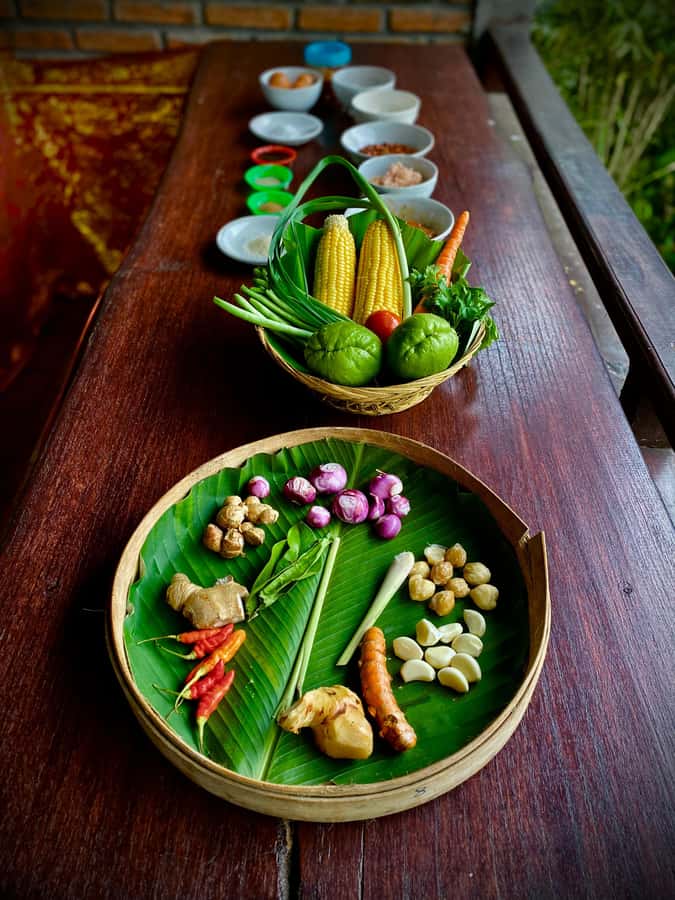
- Base Genep is the flavor lesson: turmeric, ginger, galangal, shallots, garlic, lemongrass, chili, and more
- No MSG cooking: fresh ingredients, prepared in a traditional way
- Dietary adjustments are real: vegetarian, vegan, and options for certain allergies
- English support, plus simple guidance: host or greeter is English-speaking, with optional audio
A local family kitchen in Munduk, not a tourist set-up
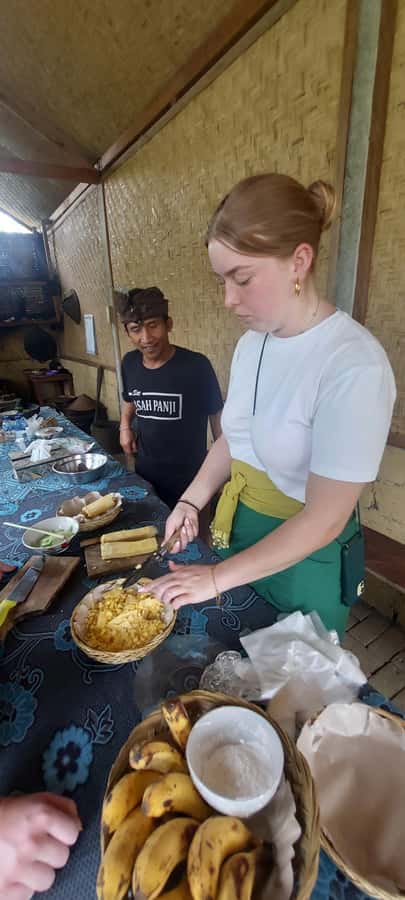
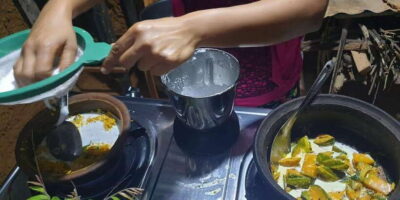
Munduk is the kind of Bali you come to for cooler air, quieter rhythms, and a slower look at how people live. This class uses that mood well. You’re invited into a family home setting, where the food lesson is also a chance to see how a household works, gardens get maintained, and meals get put together.
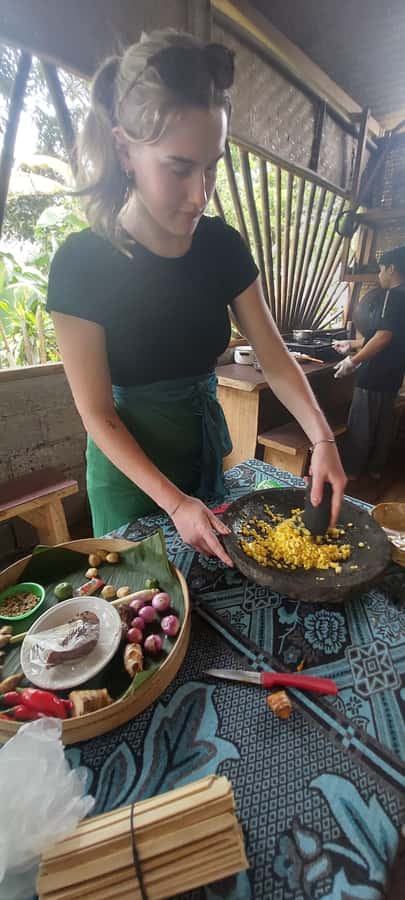
The biggest value is that you’re not just watching someone cook. You’re rolling, chopping, mixing, and grilling along the way. That hands-on part matters because Balinese cooking is about balance: fresh herbs, aromatics, coconut, and spices working together. When you make it yourself, you understand what to taste for later.
The other thing I like is the calm, friendly pace. Several dishes are explained clearly enough that even if your English is limited, you’ll still get what’s happening at the stove. Food is universal, and this lesson leans into that.
You can also read our reviews of more tours and experiences in Munduk.
How the session starts (and why the timing feels right)
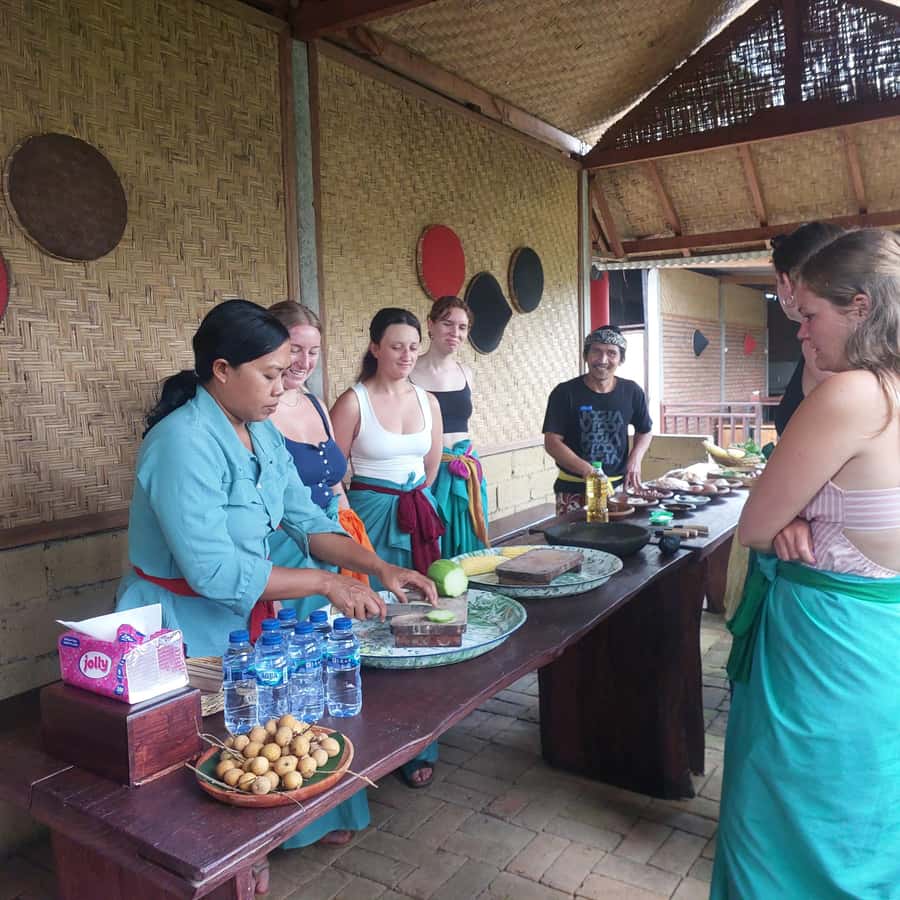
The class runs about 2–3 hours, usually long enough to learn the key steps without rushing you out the door. If pickup is selected, you’ll be taken to the home, and your team will text to confirm your hotel address. If you’re not doing pickup, the meeting point can vary by option, so double-check what you’re given after booking.
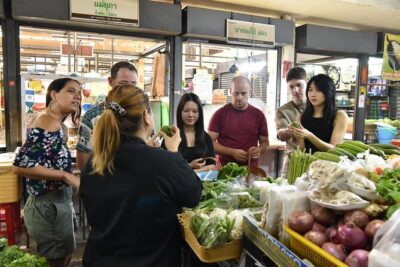
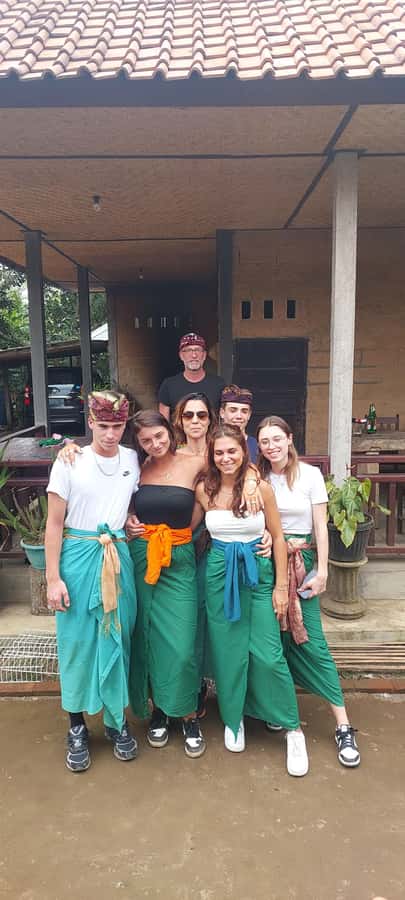
In many cases, there’s a bit of waiting time before everyone sits down to cook. That’s when you may get a quick introduction to the place—like a short walk around a garden or small farm area—while the group comes together. In at least some sessions, Kadek and the team use that moment to explain what they grow and how they live around it, which makes the cooking feel connected instead of random.
If you want a simple strategy: wear comfortable clothes you don’t mind getting a little splashed (there’s chopping and mixing), and bring insect repellent. It sounds basic, but it can save your whole evening.
Nasi Campur: the Bali plate you’ll build from scratch
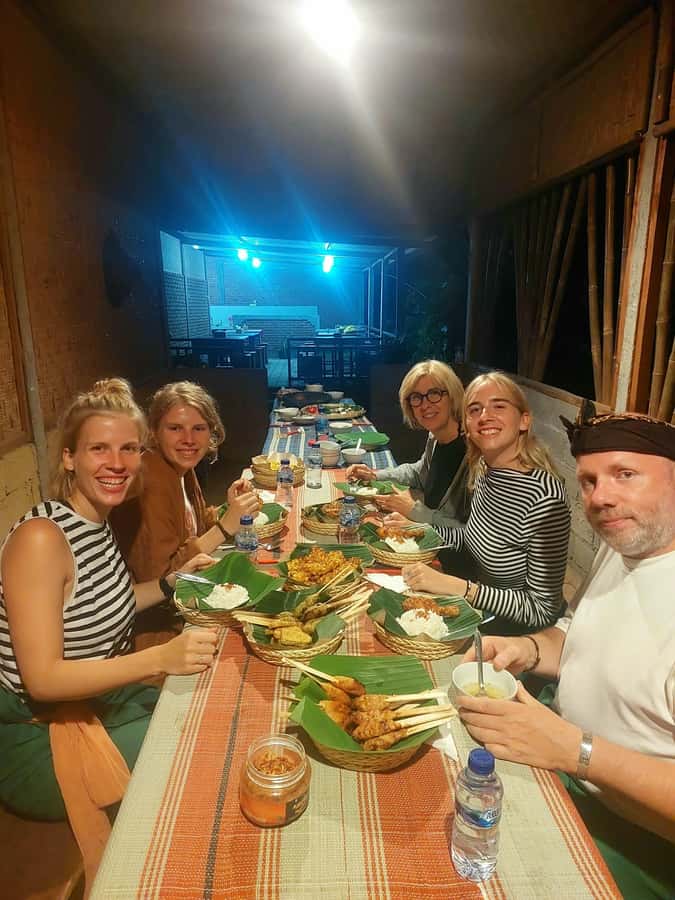
Nasi Campur is Bali’s “many bites, one meal” style. Instead of a single big entrée, your plate becomes a colorful combination of small dishes—so you taste sweet, savory, herbal, crunchy, and spicy (to a controlled level). The class centers on this idea, which is smart for learning. It teaches you how Balinese meals are structured.
As you cook, you’ll assemble multiple components and understand how they fit together. You’ll see that some dishes are meant for contrast: a fried patty next to a lighter soup, grilled protein next to vegetable stir-fry, and the spice paste flavor that ties it all together.
This is also where the “international palate” point matters. The cooking is adjusted so it’s flavorful without being too hot. You still get real Balinese spice character, just with restraint—so the food stays enjoyable even if you’re sensitive.
The dishes you’ll make: what each one teaches you
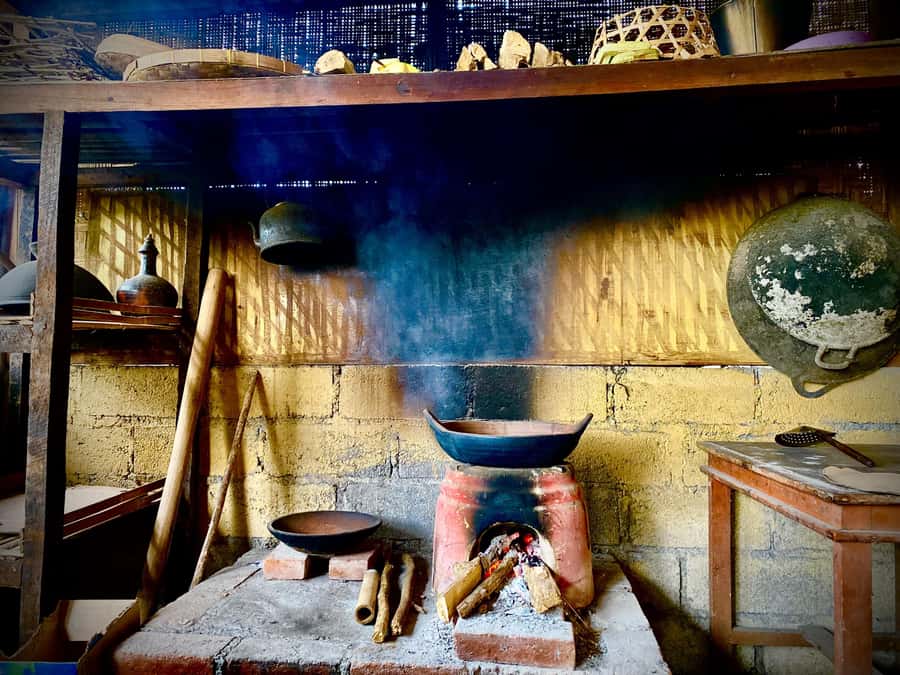
You’ll cook a mix of dishes that cover grilling, frying, stir-frying, and soup-making. That variety isn’t just for fun—it’s a practical way to learn Balinese flavor logic across different textures and cooking methods.
Sate Lilit: herbs, coconut, and a different style of satay
Sate Lilit is minced fish or chicken mixed with fresh herbs and grated coconut, wrapped around bamboo sticks, then grilled. The lesson here is that satay doesn’t have to mean just peanut sauce and skewers. Balinese satay focuses on aromatic herbs inside the meat mixture and the coconut that softens and rounds the flavor.
Bergedel: crispy outside, savory inside
Bergedel are golden-fried potato patties with a soft, savory interior. It’s a good dish to learn because it teaches how seasoning works with starchy ingredients. You’ll get a feel for how to aim for that crisp edge without letting the inside go bland.
Balinese vegetable stir-fry: seasonal, aromatic, not heavy
You’ll make a vegetable stir-fry with seasonal vegetables plus aromatic spices. This part is useful if you’re worried about overeating rich foods. It brings the meal back to something lighter and shows how Balinese cooking still respects balance.
Jukut jepang (Balinese soup with chayote)
Jukut jepang is a light, comforting soup made with chayote (jepang) and local herbs and spices. Soup teaches patience and timing: you learn how flavor develops without adding weight. It also helps “reset” your taste buds before you go back to the richer dishes.
Base Genep spice paste: the core flavor you’ll use across dishes
Base Genep is the soul of Balinese cooking. You’ll prepare it using fresh ingredients like turmeric, ginger, galangal, shallots, garlic, lemongrass, and chili. If you only remember one thing from this class, make it this: Balinese flavor often starts as a paste—then gets repeated across dishes in different ways.
Base Genep, no-MSG cooking, and how to taste like a cook
The class makes a point of using fresh ingredients sourced from local markets, and it’s cooked without MSG. That’s not a sales pitch—it changes how you experience flavor. MSG can boost the feeling of “pop,” but it can also mask the real structure of aromatics. Without it, you’ll notice what’s actually doing the work: ginger warmth, turmeric earthiness, lemongrass brightness, and the heat from chili handled in a more controlled way.
When you make Base Genep yourself, you start tasting ingredients separately instead of treating the whole paste as one flavor blob. You’ll likely catch what turmeric adds (color and earth), what galangal does (a piney, peppery note), and how shallots/garlic round out the mix.
Practical tip: don’t rush your tasting. Smell first, then taste a tiny amount, then taste again after it sits for a minute. That’s when aromatics can shift. It’s a small habit that makes you a better home cook.
Dietary options for vegetarian, vegan, and common allergies
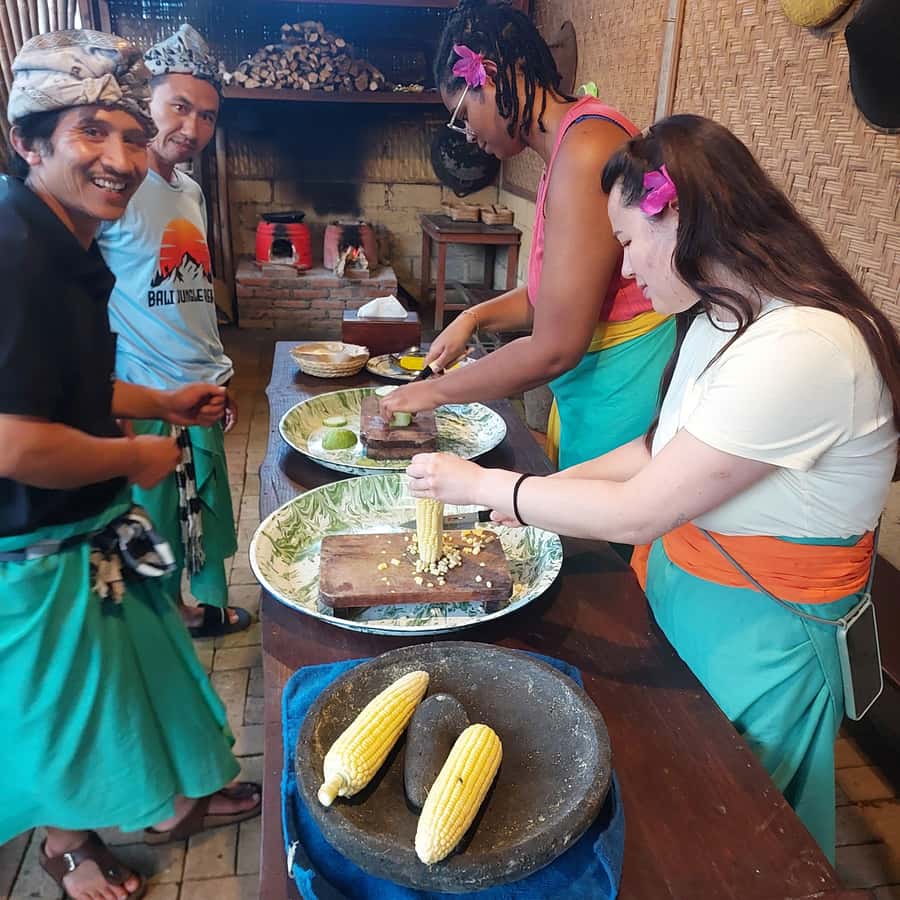
One of the biggest reasons to pick this class—especially at $18—is that it isn’t one-size-fits-all. The menus can be flexible for vegetarian and vegan options, and alternatives are offered for guests who can’t consume meat, wheat/flour, peanuts, or eggs.
What I like about that is it changes the experience from a compromise into a full meal. You’re still cooking, still eating what’s been built in your session, and still learning the flavor logic—rather than getting a separate plate that doesn’t match the rest.
If you have allergies, don’t be vague. Use the booking details to clearly list what to avoid (meat, wheat/flour, peanuts, eggs are specifically mentioned). The more exact you are, the more likely the kitchen can adjust correctly for your menu.
Lunch or dinner with the family: what to expect at the table
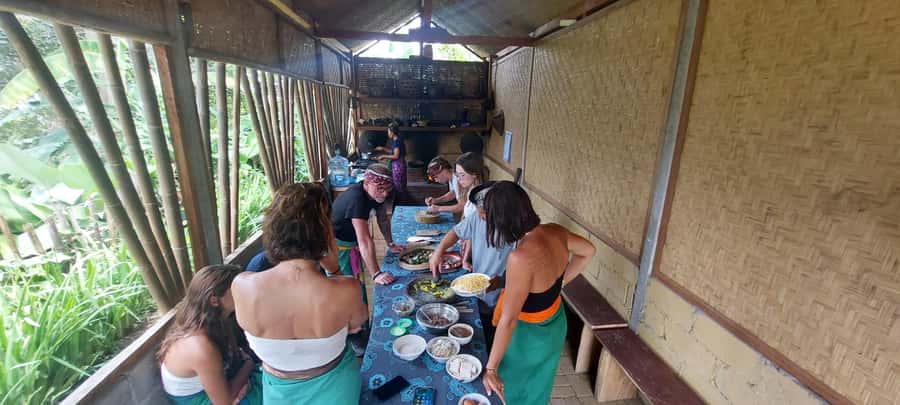
After the cooking, you sit down together and eat what you made with your hosts and fellow participants. Whether you do lunch or dinner depends on your booking, but either way, this is meant to be relaxed. It’s not a “grab and go” meal.
This shared meal is part of the value. You’ll understand how the components work together when they’re on the same plate as part of Nasi Campur. Fried, grilled, sauced, soupy, and stir-fried dishes balance each other. Even if you’re a “one-dish at a time” person, this format encourages you to try a bit of everything.
A small detail that can matter: drinking water is included, so you don’t have to hunt for it right away.
Price and time: is $18 good value in Bali?
At $18 per person for a 2–3 hour hands-on class plus lunch or dinner, this is strong value—especially because you’re not just tasting. You’re cooking multiple dishes, learning Base Genep, and eating together afterward in a real home setting.
The value comes from three places:
- Hands-on learning across several cooking methods (grill, fry, stir-fry, soup)
- Meal included (not a snack; you leave fed)
- Dietary flexibility that doesn’t reduce your experience to “watch only”
If you’re comparing to Bali food tours that are basically tastings, this one feels more useful for the money. You’ll remember recipes and techniques, not just flavors you sampled once.
Pickup, English support, and what to bring for comfort
The host or greeter is English-speaking, and there’s an optional audio guide in English. That’s helpful if you want the extra layer of context, but even without audio, the class is designed to be understandable while you cook.
Optional pickup can be included, and your team texts to confirm your hotel address and details. This is worth choosing if you’re short on time or don’t want to coordinate transport on your own.
What to bring is straightforward:
- Sun hat
- Camera
- Comfortable clothes
- Insect repellent
You’re in a home and garden-like environment, so comfy clothes beat fashion. Also, plan for small time outdoors around the start of the session.
Who should book this Munduk cooking class?
I think this is a great fit if:
- You want hands-on Bali food skills, not a passive demo
- You’re interested in how Balinese meals are structured around Nasi Campur
- You have dietary needs and want actual options named in advance
- You’d enjoy learning the “why” behind the flavor, especially through Base Genep
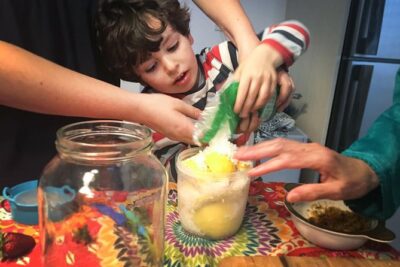
It’s also a good pick for families, because the cooking is interactive and the pacing is friendly. If you’re traveling with kids, this type of meal-building can keep attention better than a long museum-style activity.
Skip it if you deal with altitude sickness. Munduk can be higher, and the experience is listed as not suitable for altitude sickness.
Should you book this cooking class in Munduk?
Yes, if you want a real food experience where you cook and eat in a local home. The $18 price feels fair for the amount of active cooking, the meal included, and the strong emphasis on traditional flavor foundations like Base Genep. Add in the dietary flexibility, and it becomes one of the more practical “culture through food” activities in Bali.
Before you book, just do one smart check: confirm your dietary needs clearly, especially allergies tied to meat, wheat/flour, peanuts, or eggs. And if altitude sickness is part of your trip history, choose a lower-elevation option instead.
If you’re ready to trade a quick selfie meal for a couple hours of real cooking knowledge, this is the kind of Bali day you’ll still be thinking about later.
FAQ
What’s the duration of the Munduk Balinese cooking class?
The cooking class with lunch or dinner runs about 2 to 3 hours.
Where does the class take place?
It’s held at a local family home in Munduk, Bali.
What’s the price per person?
The price is $18 per person.
Is hotel pickup available?
Pickup is optional. If you choose it, the team will pick you up from your hotel and text to make sure your hotel address is correct.
Are vegetarian, vegan, and allergy-friendly options available?
Yes. Vegetarian and vegan menus are available on request, and alternatives are offered for guests who can’t consume meat, wheat/flour, peanuts, or eggs.
What language support do you get?
The host or greeter speaks English. There is also an optional audio guide in English.
What should I bring?
Bring a sun hat, camera, comfortable clothes, and insect repellent.
Is it suitable for people with altitude sickness?
No. It’s not suitable for people with altitude sickness.