REVIEW · ROME
Rome: Five Shapes of Pasta Cooking Class in Ancient Tavern
Book on GetYourGuide →Operated by Professional Lab Pasta Experience · Bookable on GetYourGuide
Kneading pasta in Rome is strangely addictive. This 3-hour class turns an old tavern into a working kitchen where you learn five iconic pasta shapes from scratch. You also get to sit down for the meal you make, plus classic drinks and dessert.
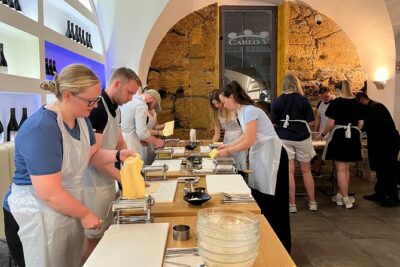
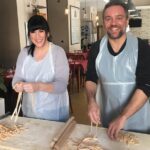
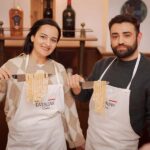
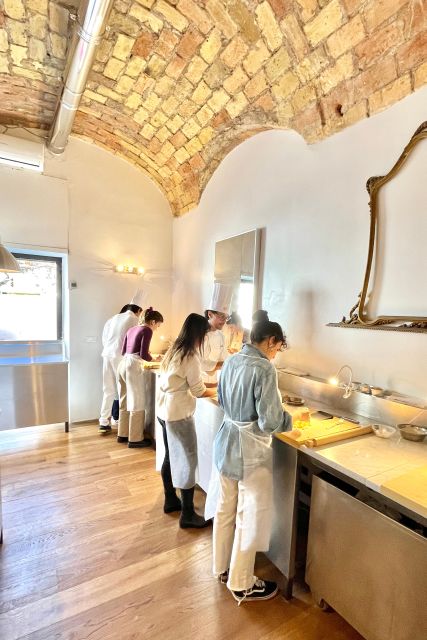
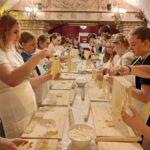
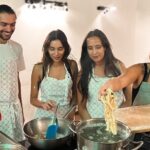
I love that you’re not just watching. You roll dough with a wooden pin, cut and portion safely, and shape ravioli, agnolotti del plin, tortellini, cappelletti, and fettuccine with real chef guidance from Emanuele (and often Angelo).
One possible drawback: it’s a hands-on cooking experience in a small space, and it’s not suitable for people with mobility impairments, so think about comfort and movement before you book.
In This Review
- Key Things I’d Prioritize
- Why This Ancient Tavern Pasta Class Feels Like Real Rome
- What You’ll Make: Five Iconic Pasta Shapes and Two Sauces
- The Hands-On Flow: Wooden Pin Dough, Safe Cutting, and Filling Skills
- Meet Emanuele and Angelo: Small-Group Coaching That Actually Helps
- The Meal Part: Prosecco, Wine, Local Cheese, and Express Tiramisu
- Finding Cucina: Location and How to Arrive Calm
- Price and Value: Is $67.19 Really Fair?
- Who This Class Suits Best (and Who Might Want a Different Option)
- Should You Book This Rome Pasta Class?
- FAQ
- How long is the cooking class?
- How many people are in the group?
- What pasta types will I learn to make?
- Are drinks and food included?
- Do the instructors speak English?
- Is the experience suitable for people with mobility impairments?
- Are pets allowed?
- Is it safe from a food hygiene standpoint?
Key Things I’d Prioritize
- Five pasta shapes in one session, so you leave with more than one recipe to repeat at home
- Rolling with a wooden pin, including how to form thin sheets and portion dough
- Two sauces paired with what you make, so you taste smart pairings, not just pasta
- Prosecco, local cheese, and wine, plus an express tiramisu that finishes the meal
- Small group size (up to 10), which makes it easier to get help while you’re shaping pasta
- Food safety focus (HACCP certified in 2020), which matters when you’re cooking and eating together
Why This Ancient Tavern Pasta Class Feels Like Real Rome
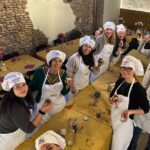
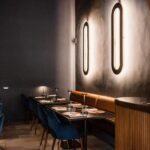
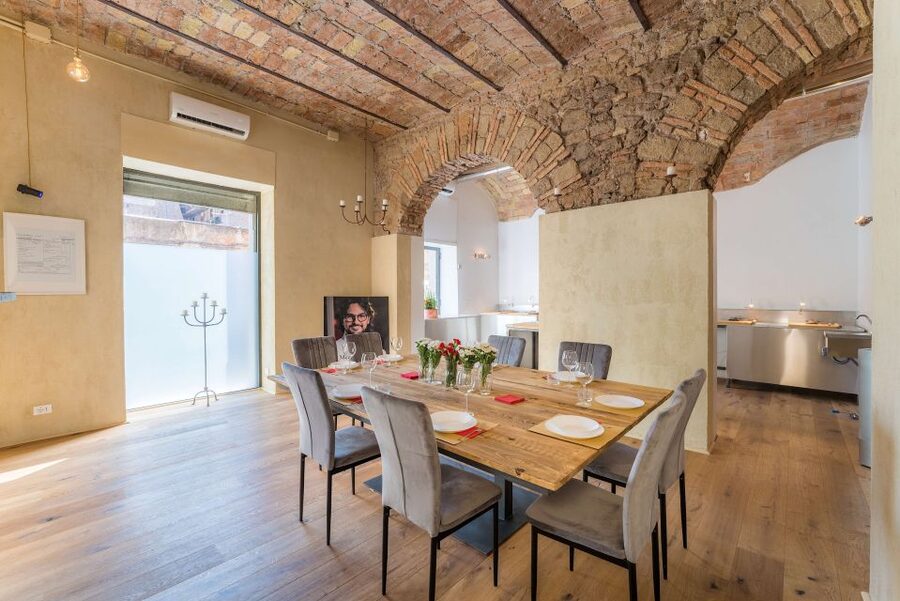
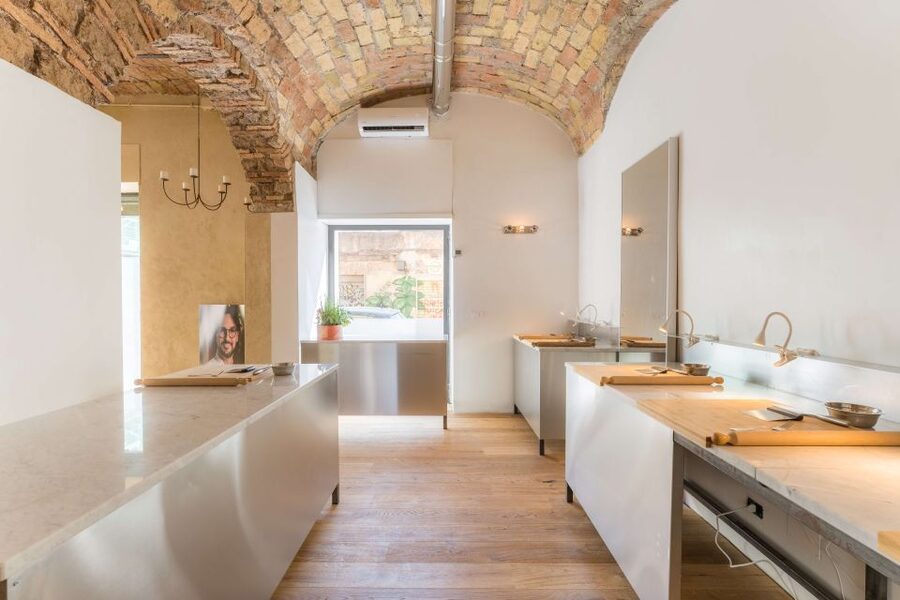
Rome has plenty of food tours. This one works differently: you cook, you taste, and you learn the exact motions behind traditional shapes. The setting is an old Osteria founded in the late 1800s and turned into a cooking school, so you’re eating in a room that feels purpose-built for the ritual, not staged for photos.
The practical upside is that the class design supports learning. You get structured steps to go from raw dough to finished pasta, and then you sit down and eat it. That means your brain actually connects technique to payoff.
And yes, there’s also a performance factor. In the kind of classes this team runs, you’ll likely feel the energy shift once the rolling and shaping start, with music and humor that keep everyone relaxed instead of panicked.
You can also read our reviews of more tours and experiences in Rome.
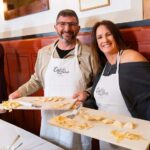
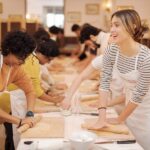
What You’ll Make: Five Iconic Pasta Shapes and Two Sauces
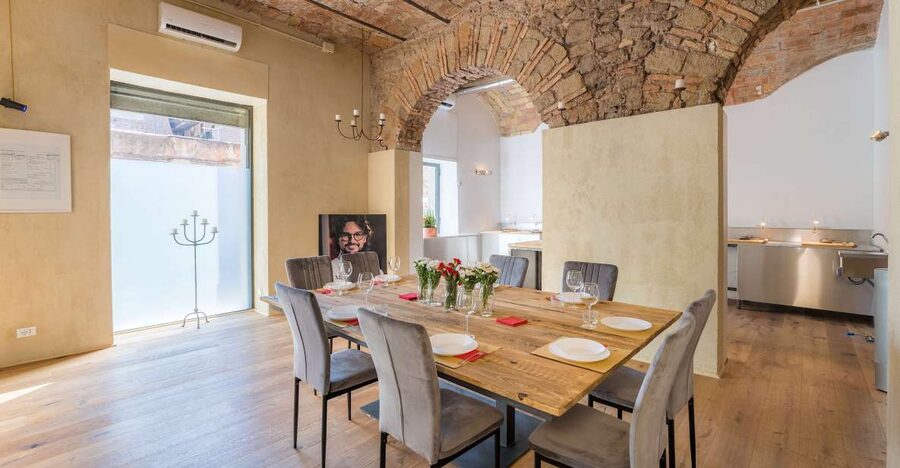
The headline is five shapes of fresh pasta, made from scratch in the same 3-hour window. You’ll work through classic dough handling and then switch into different shaping styles, which is where most cooking classes either over-simplify or skip the real learning.
Here’s the menu of shapes you’ll make:
- Ravioli (filled pasta squares)
- Agnolotti del plin (small folded pasta, pinched)
- Tortellini
- Cappelletti
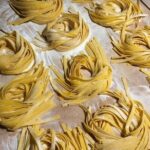
- Fettuccine (flat, ribbon-style)
You’ll also taste your pasta with two different kinds of Italian sauce. Even without getting a page of theory, that pairing is useful: you’ll understand which sauce textures cling to filled pasta versus how ribbons handle sauce.
The Hands-On Flow: Wooden Pin Dough, Safe Cutting, and Filling Skills
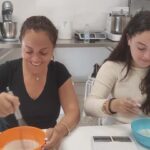
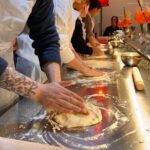
This class is built around a step-by-step rhythm: dough first, thin sheets next, then shaping. You’ll make the dough sheet and roll it with a wooden rolling pin, using professional technique so the dough stays workable rather than shrinking or tearing.
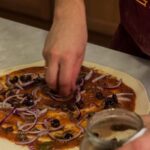
Then comes the part that makes most people feel surprised in a good way: filling and forming. You’ll follow safe cutting procedures and learn the small workflow that keeps portions consistent. For filled shapes, the goal isn’t perfection for its own sake. It’s even sizing so cooking stays predictable.
A big value point here is variety. Ravioli, agnolotti del plin, tortellini, and cappelletti all teach different folding and closing behavior. After you’ve done those, fettuccine feels almost simple, because you already understand how thinness and handling affect the final texture.
Meet Emanuele and Angelo: Small-Group Coaching That Actually Helps
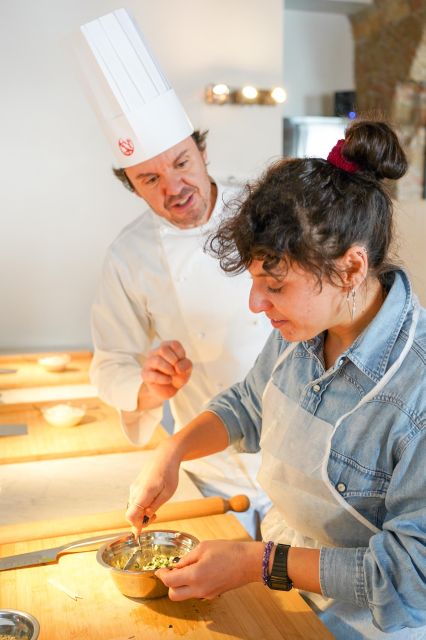
You cook faster when someone corrects you early, while the dough is still forgiving. This class is taught by English- and Italian-speaking instructors, and the vibe in the room is very “work with us” rather than “good luck.” In particular, Emanuele is repeatedly highlighted for teaching with humor and stepping in when someone is stuck.
Angelo also shows up in the chef lineup, and the team’s approach seems consistent: they help you name what you’re doing, keep the pace comfortable, and adjust when needed. That matters if you’re nervous about getting everything wrong.
There’s also strong evidence of allergy-aware flexibility. One example mentioned is a garlic allergy, where the chef offered modifications and even a separate sauce so the person could still eat what was being taught. I can’t guarantee your specific need will match every scenario, but the teaching style here is clearly geared toward not leaving people behind.
The Meal Part: Prosecco, Wine, Local Cheese, and Express Tiramisu
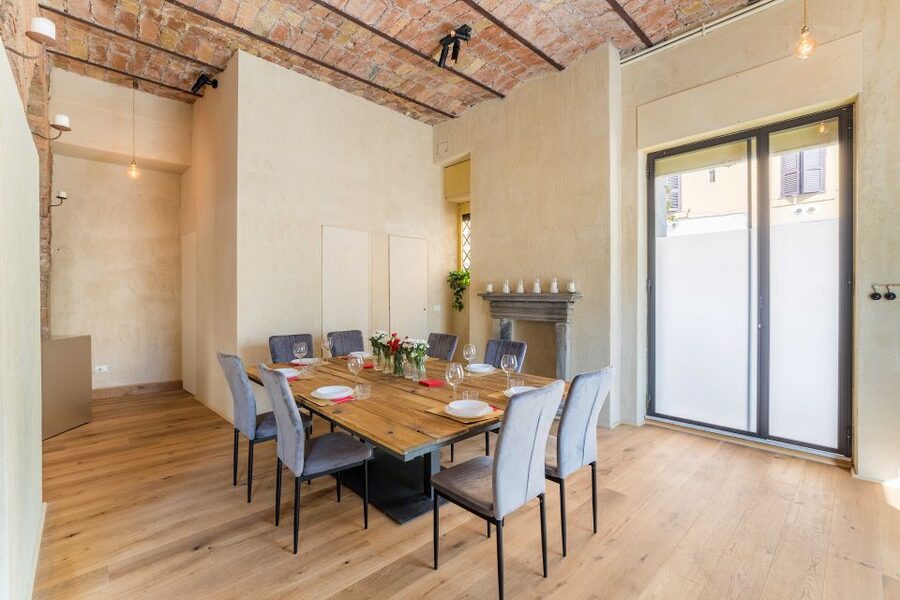
This isn’t a class where you make pasta and then get handed a sad plate of something else. You’ll have an appetizer and then a full Italian meal that includes what you made.
What’s included around the cooking:
- Appetizer with prosecco and Italian cheese
- Tasting local cheese with fresh prosecco
- Dinner or lunch format with wine included
- You’ll eat the two plates of different hand-made pasta
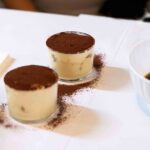
- Dessert: express tiramisu preparation at the end
That dessert detail is small but smart. If tiramisu is your favorite Roman dessert, you’ll get to see how a faster version comes together without turning it into a separate workshop. You’ll end the session with the same people you cooked with, which keeps the evening flowing.
If you’re trying to get the most out of 3 hours in Rome, this structure is excellent. You don’t have to plan dinner afterward, and you don’t have to guess whether the class food is good. You’re eating a meal that’s part of the teaching sequence.

Finding Cucina: Location and How to Arrive Calm
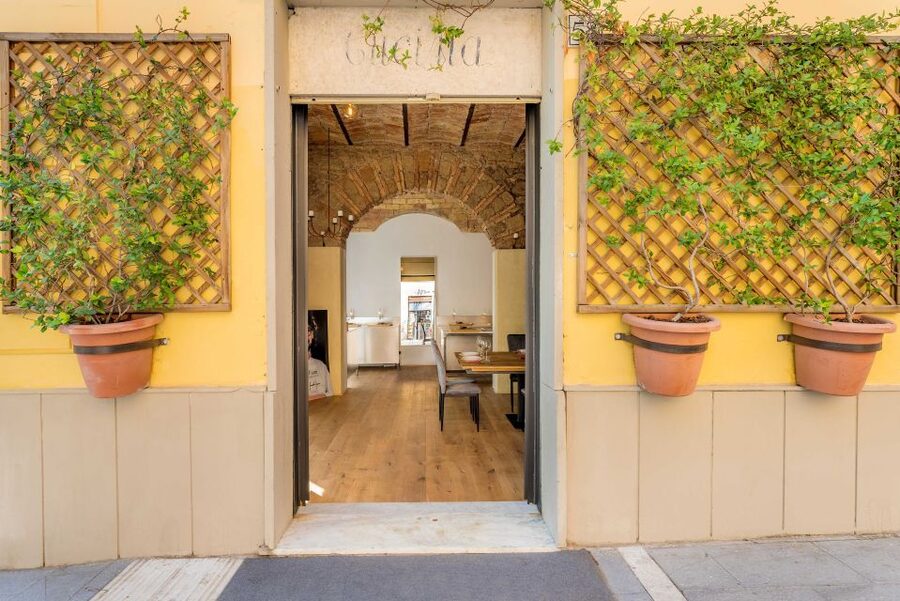
The meeting point is straightforward once you know what to look for: start at the old Osteria named Cucina. You’ll also spot an original osteria sign in marble above the entrance.
Because the class is hands-on, I’d show up a few minutes early. Not to stress about timing, but because once aprons and ingredients appear, you’ll want to settle in without rushing. The class ends back at the meeting point, so you’re not stuck navigating your way across town after dinner.
Price and Value: Is $67.19 Really Fair?
At $67.19 per person for about 3 hours, this can be good value if what you want is skill plus meal. You’re paying for:
- Ingredients and tools used for dough, fillings, and shaping
- Chef-led instruction (including technique coaching)
- Two sauces and multiple pasta servings
- Drinks: prosecco plus wine
- Dessert: express tiramisu
- A complimentary professional chef hat with the Pastificio Faini logo
Where the price makes sense is that you’re not just buying a ticket to watch. You get tangible outputs you can repeat later, plus you’re fed like you’re part of the evening’s dining plan.
If you’re the type who likes cooking but hates spending hours at home, this is a sweet spot. You learn enough technique to make it realistic to try again, without needing to dedicate a full day.
Who This Class Suits Best (and Who Might Want a Different Option)
This works especially well for people who enjoy interactive activities more than museum-style sightseeing. It’s also a strong fit if you like food and want a Roman evening with structure.
It’s also worth considering if:
- You’re traveling with friends or family and want a shared “we made it” moment
- You like small-group settings where you can actually get help
- You want to take something home besides photos, like a repeatable pasta workflow
Two clear limitations from the provided info:
- It’s not suitable for people with mobility impairments
- Pets aren’t allowed
If either of those affects you, it’s smart to look for alternatives.
Should You Book This Rome Pasta Class?
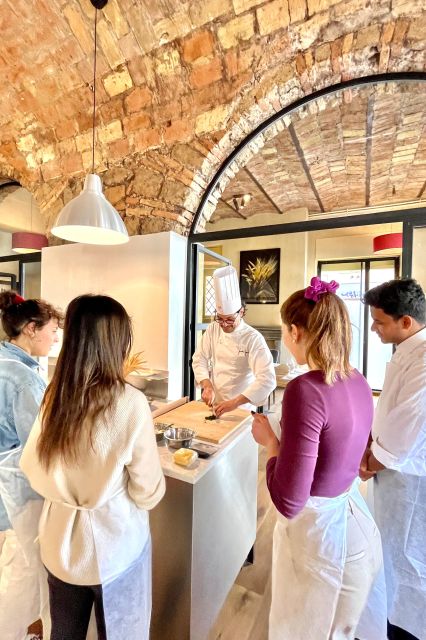
If you want one Rome experience where your hands do the work and your belly benefits immediately, I’d book this. The combination of five pasta shapes, coaching from Emanuele and Angelo, and a full meal with prosecco, wine, and express tiramisu is exactly the kind of payoff that feels worth the time.
I’d skip it only if you strongly prefer passive activities, or if mobility is a concern. Otherwise, this is one of the more practical ways to connect with Italian cooking without needing advanced skills.
FAQ
How long is the cooking class?
The class is 3 hours.
How many people are in the group?
It’s a small group with a limit of 10 participants.
What pasta types will I learn to make?
You’ll make ravioli, agnolotti del plin, tortellini, cappelletti, and fettuccine.
Are drinks and food included?
Yes. The experience includes an appetizer with prosecco and Italian cheese, a full meal, two plates of pasta made by you with sauces, and dessert (express tiramisu). Fresh prosecco and wine are also included.
Do the instructors speak English?
Yes. Instruction is available in English and Italian.
Is the experience suitable for people with mobility impairments?
No. It is not suitable for people with mobility impairments.
Are pets allowed?
No, pets are not allowed.
Is it safe from a food hygiene standpoint?
The experience is HACCP certified for food hygiene and safety (certified in 2020).