REVIEW · HOI AN
Hoi An: Tra Que Herb Village Cooking Class
Book on GetYourGuide →Operated by Dich vu du lich lang que Cam Thanh · Bookable on GetYourGuide
Tra Que Herb Village turns a cooking class into a real sensory experience. You start right where the herbs grow, then get a hands-on lesson that ends with a meal you made yourself. It’s a great way to understand Vietnamese flavor instead of just copying recipes from a screen, especially in Hoi An.
Two things I really like: the class teaches four dishes (not just one “demo”), and the outdoor herb-garden setting makes everything feel local and calm, not staged.
The main drawback to plan around is finding the place and getting there in time. Several people noted it can be a bit tricky to locate, so you’ll want a little extra buffer before your start time.
In This Review
- Key Points You’ll Feel (Not Just Read)
- Entering Tra Que: A Herb Garden That Sets the Right Mood
- The 150-Minute Cooking Plan: What Actually Happens
- The Four Dishes: Spring Rolls, Pancakes, and a Vegetable Village Specialty
- Dietary needs: what you should know
- Outside Cooking in the Herb Gardens: More Than Pretty Photos
- Learning From the Chef: Patient Teaching, Real Methods
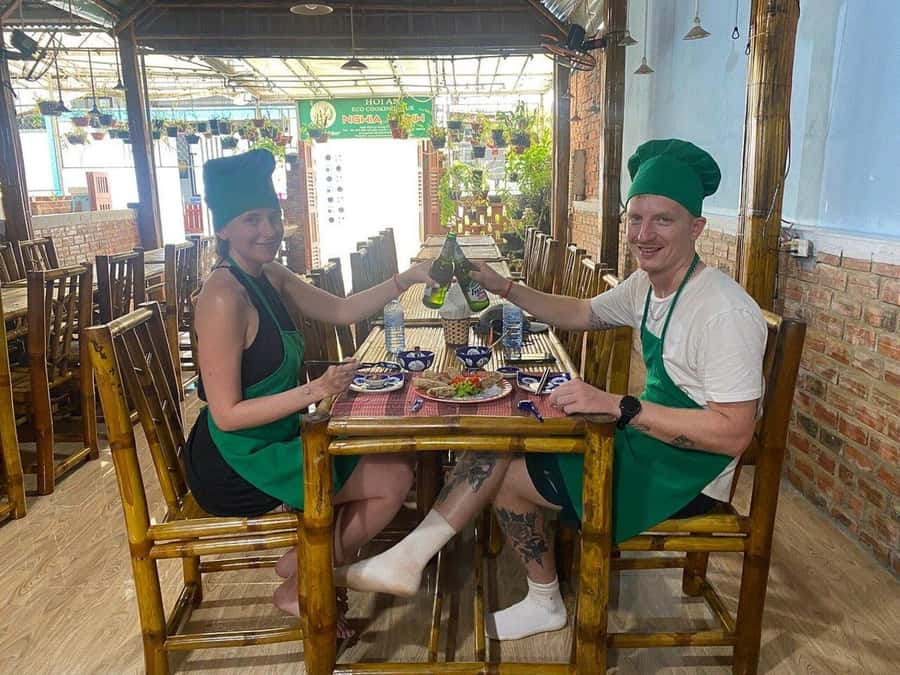
- The End of Class: Sit Down, Relax, and Eat What You Made
- Price and Logistics: Is $28 Worth It?
- Who Should Book This Tra Que Herb Village Class?
- Should You Book the Hoi An Tra Que Cooking Class?
- FAQ
- How long is the Tra Que herb village cooking class?
- What dishes will I learn to cook?
- Is hotel pickup and drop-off included?
- What’s included in the price?
- Are drinks included besides the welcome drink?
- Is there an extra fee on public holidays?
- Is the class wheelchair accessible and are pets allowed?
Key Points You’ll Feel (Not Just Read)
- Herb-garden start: you meet in Tra Que and see the plants before cooking
- Four-dish menu: including Hoi An spring rolls and pancakes, with a vegetable-village specialty
- English live guide/instructor: clear teaching, with named chefs such as Sophia, Thanh, and Trang Lê mentioned in feedback
- Small-group energy: teaching style often feels personal, with lots of time for questions
- Eat what you cook: you sit down after the lesson and finish with the food from your own work
Entering Tra Que: A Herb Garden That Sets the Right Mood
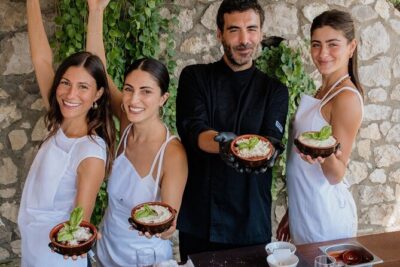
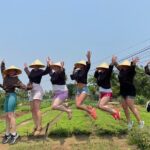
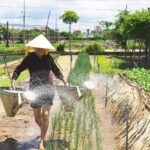
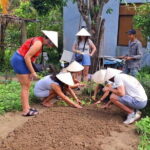
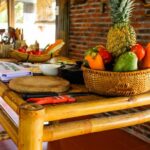
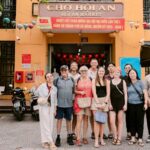
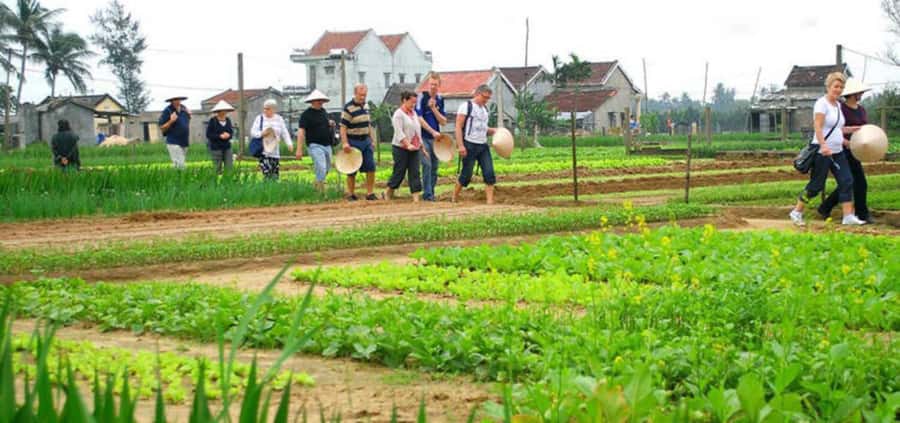
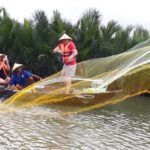
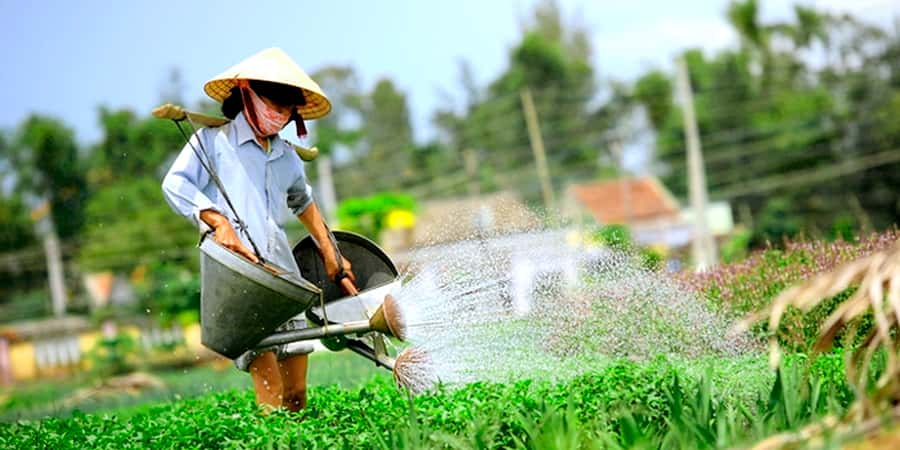
This experience starts in Tra Que Herb Village, a farming area outside Hoi An known for vegetables and herbs. Instead of walking straight into a kitchen, you begin at the meeting point near Tra Que Rural Charm Cooking Class and get your bearings around where the ingredients come from.
Then comes the welcome drink. It’s simple, but it helps you switch from tourist mode into “okay, I’m cooking” mode. You also get a moment to slow down and take in the setting—plants, garden paths, and the kind of quiet that makes a 150-minute class feel like time well spent rather than a rushed activity.
One small but real tip: choose your start time carefully. The class runs at different times (morning, afternoon, evening), and since the meeting point can be hard to find, an early slot can be better if you’re the type who likes to arrive with your head clear.
Also note what this class isn’t. It’s not built for wheelchair users, and pets aren’t allowed. If you’re traveling with mobility devices or a furry friend, you’ll need a different option.
You can also read our reviews of more tours and experiences in Hoi An.
The 150-Minute Cooking Plan: What Actually Happens
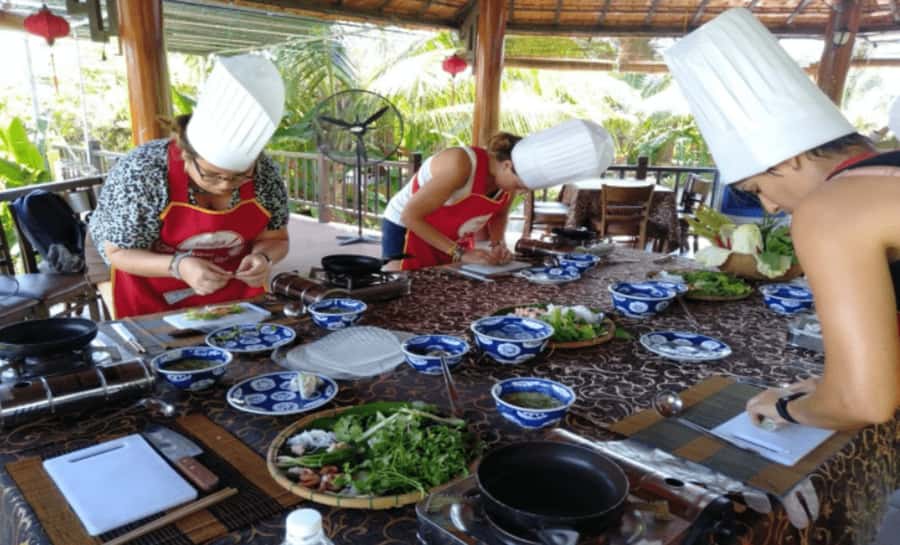
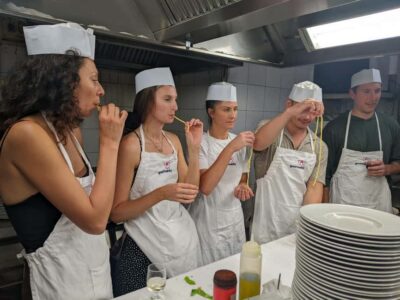
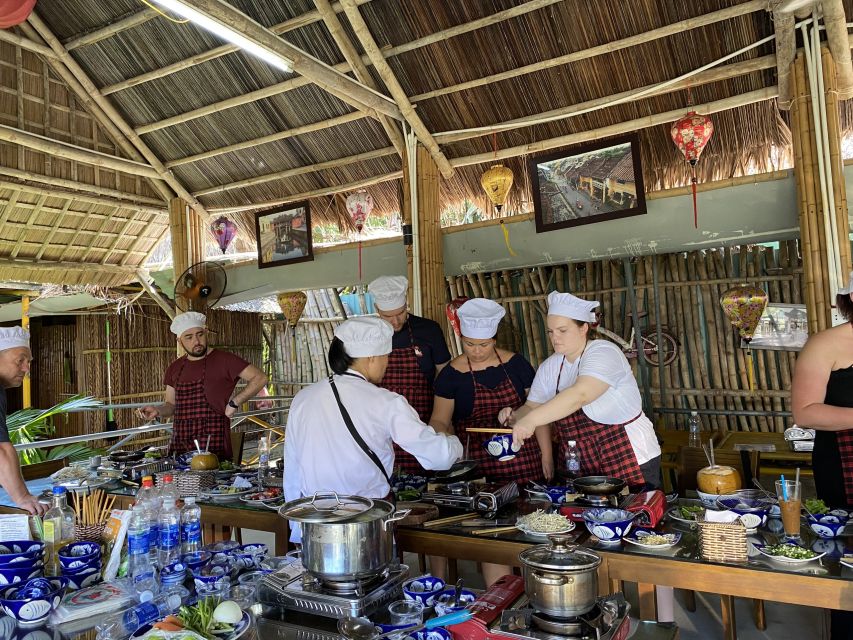
The class runs for about 150 minutes, long enough to learn by doing. You’re not just watching someone cook while you take notes. You’ll work through the steps for multiple dishes, guided by an English-speaking instructor.
Here’s how the flow typically feels:
- Arrive, look around, drink something welcome
- Start cooking with ingredients prepared to make the class easier
- Learn 4 local dishes with hands-on instruction
- Sit down at the end and eat everything you made
The kitchen work is supported by the fact that some ingredients are prepared beforehand. That matters for a class time limit. It keeps the session moving without turning it into a “you only assemble” experience. You still do real cooking, just with smart prep so you spend time learning methods and not waiting.
The menu is also flexible. You’ll learn four dishes, but the exact selection can change depending on ingredient availability. That’s not a problem—it’s how cooking actually works in Vietnam.
The Four Dishes: Spring Rolls, Pancakes, and a Vegetable Village Specialty
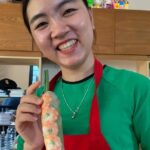
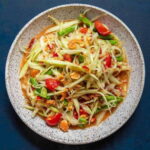
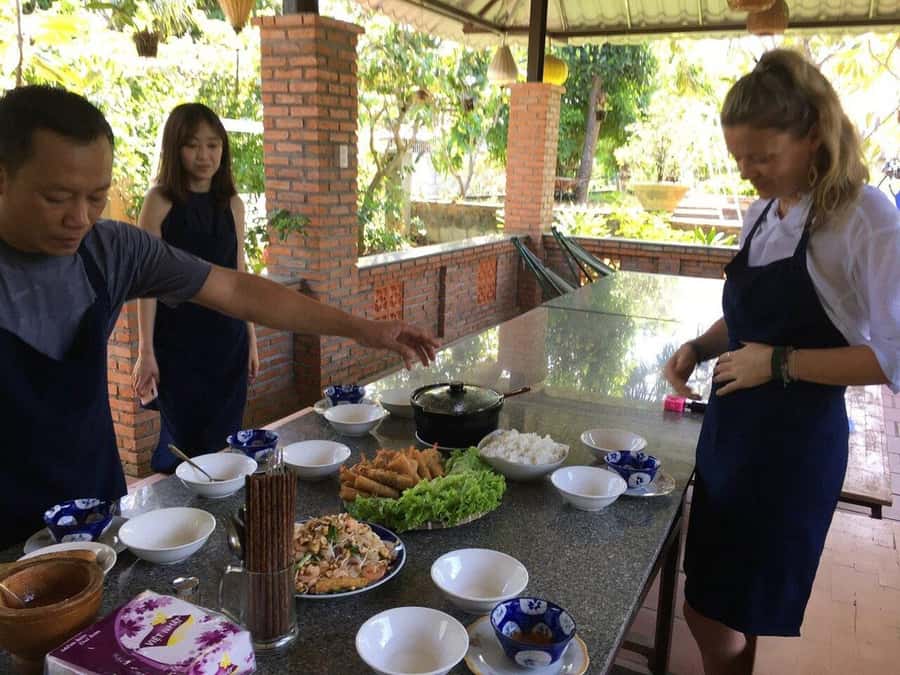
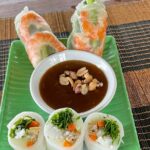
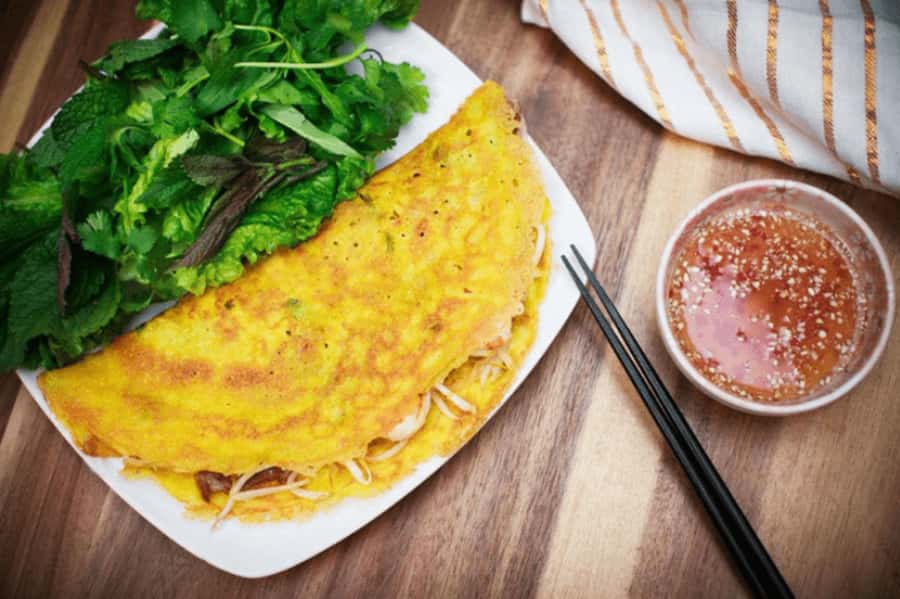
The menu is built around classic Hoi An flavors. You can expect to learn Hoi An spring rolls and pancakes, plus another dish described as a special option from the vegetable village. The fourth dish rounds out the set, and it may vary based on ingredients.
Why this menu choice is smart: Hoi An cuisine is about balance—freshness, herbs, crunch, and sauces. Learning spring rolls and pancakes helps you understand two different textures and rolling/cooking rhythms. Then the vegetable-village dish gives you a sense of how herb-forward ingredients show up in everyday cooking.
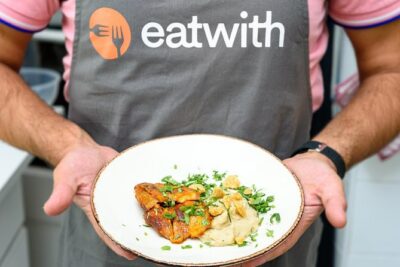
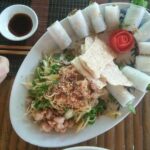
In feedback from past classes, the dishes often include pork and shrimp, and there’s usually plenty of food at the end. If you go in hungry (and you should), you’ll likely feel satisfied rather than “just nibbling for photos.”
Dietary needs: what you should know
If you have dietary restrictions, this class can be workable. People have reported that vegan preferences and intolerances (like gluten and garlic) were accommodated. Also, you should expect that allergies are taken into account as part of the experience. Still, since the menu can change, it’s a good idea to mention needs clearly when you book or as early as possible with your instructor.
Outside Cooking in the Herb Gardens: More Than Pretty Photos
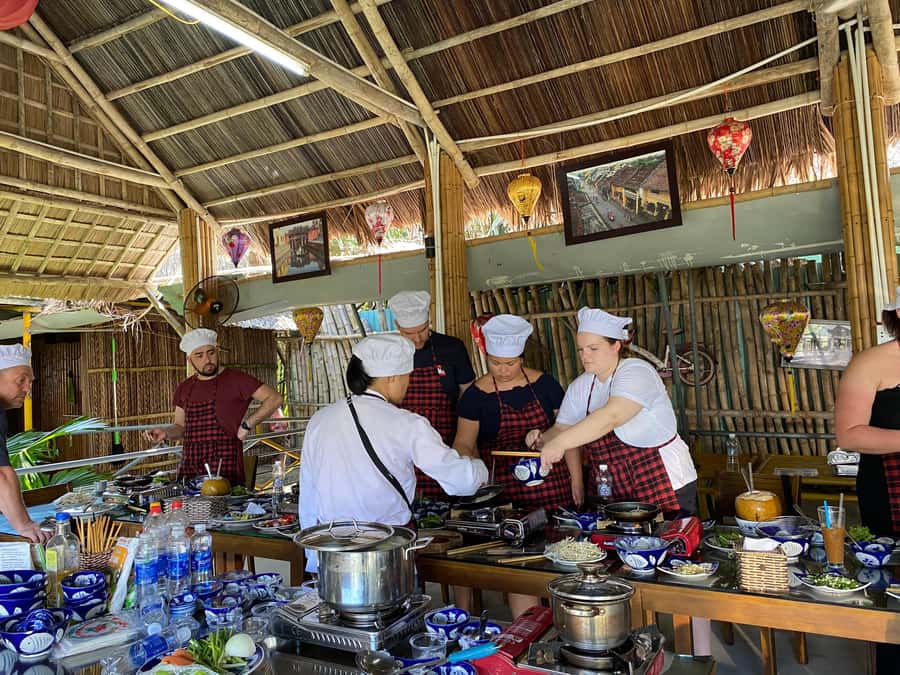
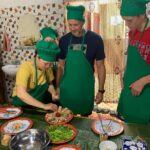
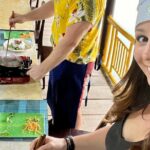
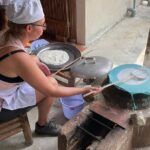
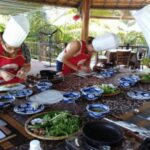
You’re cooking in a garden setting, and that changes the feel of the class. It’s cooler, calmer, and you can smell herbs in a way you just can’t reproduce indoors. It also makes the lesson more grounded: when you’re handling ingredients, you can visually connect them to what you saw on the walk in.
There’s one practical side too. Outdoor classes can take slightly more time to get “rolling,” depending on weather, shade, and how the instructor sets up. That’s one reason the class time is 150 minutes—long enough to handle the real-life pace, not just an ideal schedule.
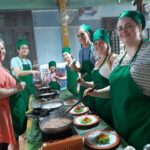
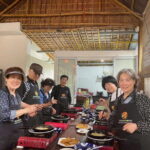
If you’re someone who likes to ask questions while you cook, this is a good setup. The garden environment encourages conversation, and small-group formats (which show up often in feedback) help your instructor notice what you’re doing wrong and correct it in a friendly way.
Learning From the Chef: Patient Teaching, Real Methods
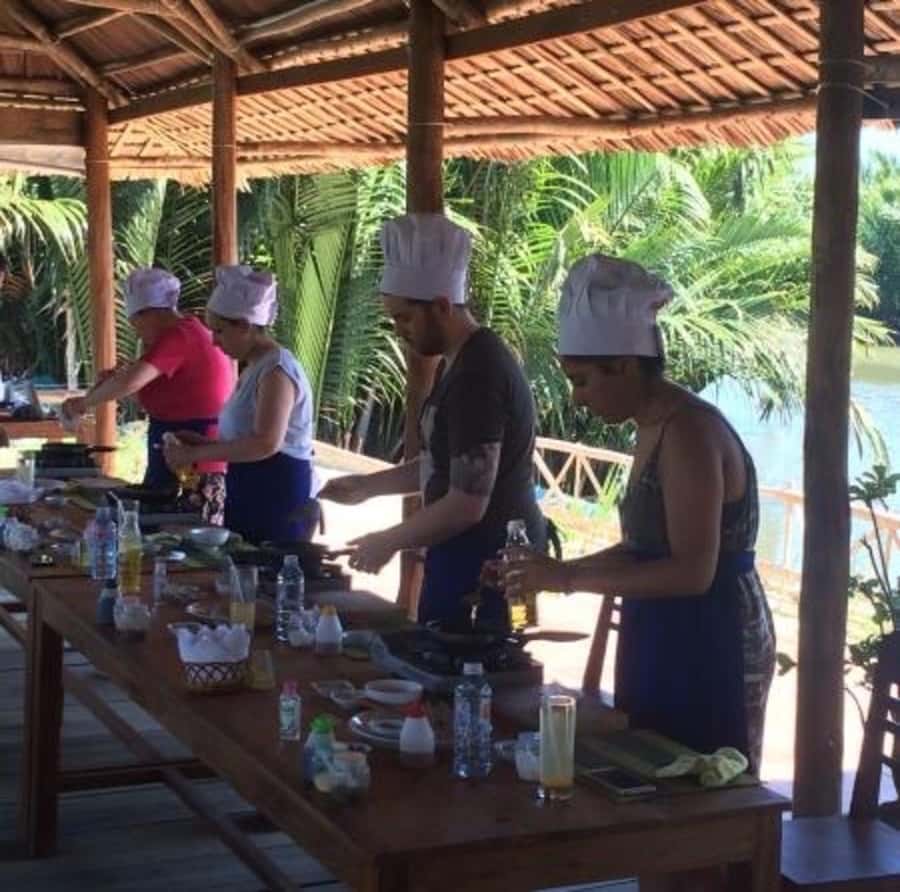
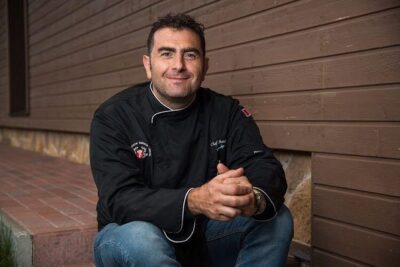
The real value here is how the lesson is taught. You’re cooking with a chef instructor, not just a facilitator. English instruction is live, and the teaching style tends to be patient and structured—step-by-step, with time to get clarification.
Names that have appeared in feedback include:
- Sophia, praised for being informative and patient
- Thanh, described as fun and very patient
- Trang Lê, noted for explaining clearly without rushing
You might not have the same instructor, but the consistency in the feedback is about the same theme: the cooking is taught in a way that helps you actually repeat the recipe later.
Here’s why that matters for you. Vietnamese cooking isn’t only about ingredients—it’s also about timing (when to cook what), texture (how crisp or soft you want something), and balance (saltiness vs. fresh herbs vs. sauce). A good instructor slows down the steps where mistakes usually happen.
And because the class includes recipes, you’re not leaving with only memory. You’ll be able to take your learnings home and try them with more confidence.
The End of Class: Sit Down, Relax, and Eat What You Made
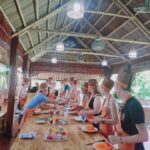
When the cooking wraps up, you sit down and eat everything you prepared. This is a big part of why the class is good value.
You’re not paying for a “training session” where you walk out still hungry. You get a full tasting of the dishes you worked on—plus the chance to chat and compare notes with your group.
People also mention there’s a lot of food. That’s useful information: if you’re tempted to snack beforehand, I’d hold off. Go hungry, then let the meal be the reward.
If you like slow travel moments, this ending is the best part. The garden lesson gives you time to talk, eat, and let the experience settle before you head back.
Price and Logistics: Is $28 Worth It?
At about $28 per person for a 150-minute cooking class, the value comes from a few things that fit together well:
- You get four dishes to learn, not a single take-home demo
- Ingredients and recipes are included, and an instructor guides the process
- You also eat what you cook, which effectively turns the class into part lesson, part meal
If you’ve done cooking classes before, you’ll recognize the usual trade-off: some are short and focused on watching, while others are longer but cost a lot. This one lands in a reasonable middle—enough time to cook real food, and enough structure to learn techniques you can repeat.
Now, logistics matter. A few practical considerations:
- Hotel pickup and drop-off aren’t included, so plan your own way to the meeting point
- Drinks aren’t included beyond the welcome drink
- There can be a 100,000 VND per person cash surcharge on public holidays
- The meeting spot can be a little difficult to find, so give yourself extra time
One more practical note: there are different starting times. Choose the one that matches your energy and your ability to get there without stress.
Who Should Book This Tra Que Herb Village Class?
This class is a great fit if you want an authentic Hoi An experience with real hands-on learning. It’s especially good for:
- Food lovers who want Vietnamese cooking methods, not just sightseeing
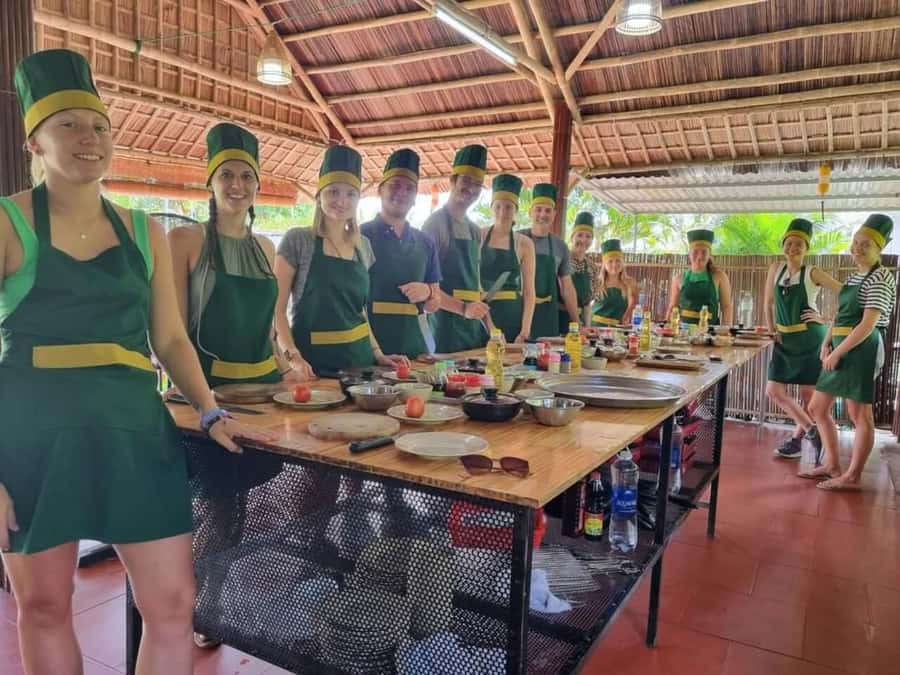
- Travelers who like small-group instruction and questions
- Anyone who enjoys fresh herbs and wants to connect ingredients to flavor
- People comfortable cooking with common local ingredients (some dishes may include pork and shrimp)
It may be less suitable if you need wheelchair access, since it’s not designed for wheelchair users. Also skip it if you’re traveling with pets.
If you’re visiting Hoi An and doing a few structured tours, this one works well as the day’s “activity with a reward.” You learn, you cook, then you eat.
Should You Book the Hoi An Tra Que Cooking Class?
I’d book this if you want a hands-on class that ends with a meal, taught in English, in a herb garden setting tied to local farming. The combination of four dishes, included recipes, and the fact that you eat what you make gives you more than your money’s worth.
The only reason to hesitate is pure logistics: if you’re the type who hates arriving late or getting turned around, plan a little extra time to reach Tra Que Rural Charm Cooking Class. Once you’re there, the experience is built to be fun, social, and practical.
If your schedule is flexible, pick a start time that gives you breathing room. And if you have dietary needs, mention them clearly early, since the menu can change and adjustments have been reported as possible.
FAQ
How long is the Tra Que herb village cooking class?
The class lasts about 150 minutes.
What dishes will I learn to cook?
You’ll learn four different local dishes. The menu includes Hoi An spring rolls and pancakes, plus another special dish from the vegetable village. The exact dishes can change depending on ingredient availability.
Is hotel pickup and drop-off included?
No. Hotel pickup and drop-off are not included.
What’s included in the price?
The price includes a welcome drink, cooking ingredients, the instructor, and recipes.
Are drinks included besides the welcome drink?
No. Drinks are not included beyond the welcome drink.
Is there an extra fee on public holidays?
Yes. There is a surcharge of 100,000 VND per person for public holidays, payable in cash.
Is the class wheelchair accessible and are pets allowed?
Pets are not allowed, and the activity is not suitable for wheelchair users.