REVIEW · HOI AN
Cooking Class with Tra Que Eco Farm & Local Market Discovery
Book on Viator →Operated by Cooking Class at Faifoo Central Restaurant Hoi An · Bookable on Viator
Morning market smells can teach a lot. This hands-on class pairs Tra Que Traditional Vegetable Village with a local market walk, then turns what you learn into a lunch you cook yourself. You’ll learn practical skills like choosing herbs and produce, plus how to talk with sellers and bargain in a friendly way.
What I like most is the pairing of farm-to-market ingredients and the fact that you actually cook four local dishes (not just watch). I also like the small group size, which helps you get real attention while you’re chopping, mixing, and cooking. The one drawback to consider: follow-up items like photos/recipes may depend on a QR code workflow, and if it doesn’t load cleanly for you, you could feel stuck waiting.
You’ll start early, hit two different “ingredient worlds,” and end with a satisfying meal plus dessert. The schedule is tight but not rushed, and it’s built for people who want food knowledge you can use later—at home, in other Vietnamese restaurants, or on your next trip.
In This Review
- Key Highlights You’ll Care About
- Tra Que Vegetable Village: A 300-Year Herb Farm in the Real World
- Hoi An Local Market: How to Bargain and Choose Fresh Ingredients
- Cooking House at Faifoo Central Restaurant: From Ingredients to Dinner
- The Four Dishes: Expect Hands-On Vietnamese Comfort Food
- Price and What You Really Get for $29
- Timing and Pickup: How to Plan Your Half Day Without Stress
- Who Should Book This Cooking Class (and Who Might Want Another Option)
- Should You Book Faifoo’s Tra Que Market Cooking Class?
- FAQ
- What time does the tour start?
- How long is the cooking class?
- Do you get picked up from your hotel?
- What’s included in the $29 price?
- Are entrance tickets included?
- How many dishes will I cook?
- How large is the group?
- Is free cancellation available?
- What drinks are not included?
Key Highlights You’ll Care About
- Tra Que Vegetable Village: see how herbs and daily farm work connect to flavor
- Hoi An market practice: talk with traders and learn how to pick quality produce
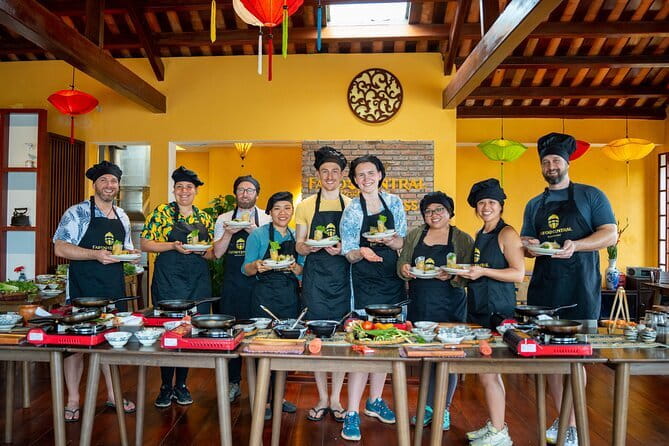
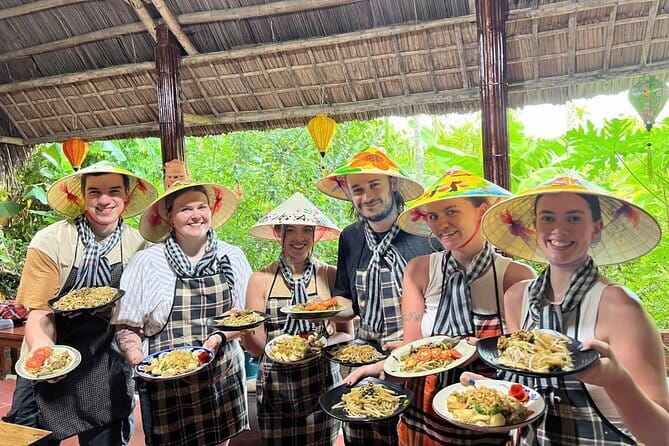
- Hands-on cooking: you cook 4 dishes with guidance from the chef team
- Small group feel: capped at 10 travelers, so you’re not lost in the back
- Lunch + drinks included: a full food plan in a half-day time block
Tra Que Vegetable Village: A 300-Year Herb Farm in the Real World
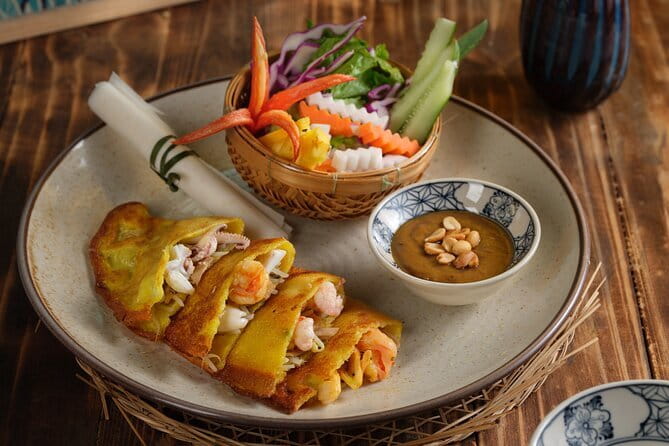
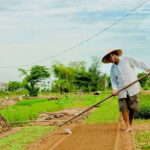
Tra Que Vegetable Village is one of those places where you can feel why Vietnamese cooking tastes like it does. You’re not just looking at plants—you’re seeing day-to-day farm routines tied to herbs, vegetables, and the kind of soil-and-water care that affects flavor.
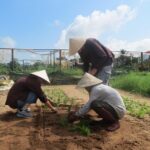
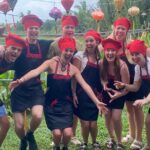
You’ll spend time there with your guide, learning what grows (especially the local herbs) and how farmers work the fields. Even better, the experience tries to make you participate rather than just observe. You might try being a farmer yourself, which is surprisingly helpful for understanding how labor becomes ingredient quality.
Tea fits in here too, and it matters more than it sounds. A small break with tea makes the farm visit feel human-paced. It also gives you a moment to ask questions before you head into the market, where you’ll be shopping with your new knowledge in mind.
A practical tip: this part of the morning is active and outdoors. Wear comfortable shoes you don’t mind getting a little dusty, and be ready for sun and humidity. If you’re the type who likes photos, bring your camera—but also remember your main job is to pay attention. The plants you see in Tra Que will be the ingredients you care about later.
You can also read our reviews of more tours and experiences in Hoi An.
Hoi An Local Market: How to Bargain and Choose Fresh Ingredients
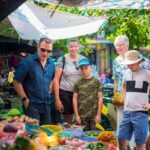
The market stop is where the class turns from sightseeing into skill-building. You’ll get there in the morning when the market is active and people are busy trading, arranging, and restocking.
This is also where your guide helps you do two important things:
1) Communicate with local traders
2) Practice bargaining and selection
That sounds casual, but it’s actually the heart of the “value” of doing a cooking class this way. Vietnamese cooking is ingredient-driven. If you learn how to spot quality—freshness, condition, and which herbs actually smell strong and clean—you’ll cook better later, even outside this class.
Another smart part: you’re not wandering aimlessly. The market walk is designed to set you up for the dishes you’ll make. So when you see herbs and vegetables, you can connect them to flavor rather than treating them like colorful souvenirs.
What I’d suggest for you in this market phase:
- Ask questions about what looks best right now, not what looks best in theory.
- Pay attention to smell as well as appearance. With herbs, scent often tells the truth before your eyes do.
- Don’t try to win every negotiation. The goal here is learning the rhythm of talking and choosing.
Even if you’re not a “market person,” this stop usually clicks because it leads somewhere. You’re walking with purpose, not just browsing.
Cooking House at Faifoo Central Restaurant: From Ingredients to Dinner
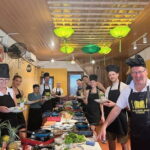
After the farm and market, you’ll move to the cooking house at Faifoo Central Restaurant Hoi An. There’s a welcome drink first, which is a nice reset. The day is active—your brain and your stomach are both ready for a break.
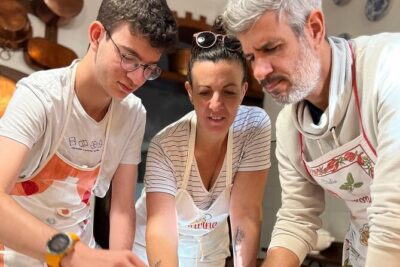
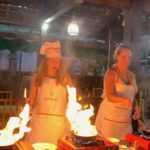
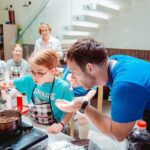
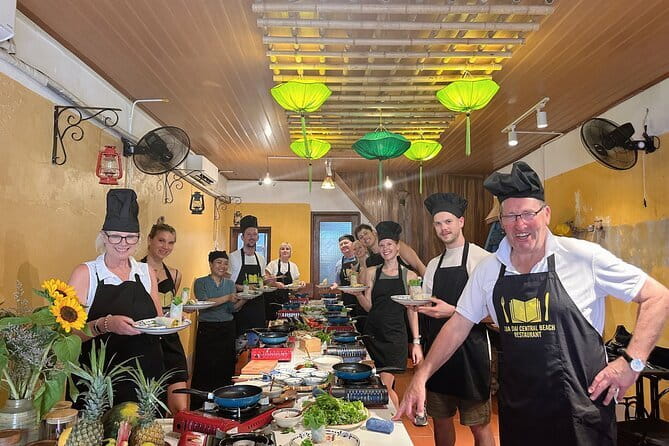
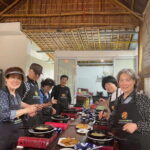
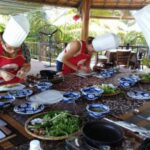
Then you get into the cooking portion. You’ll learn Vietnamese cooking with help from a local chef and guide. Based on how the class is described, the teaching style is friendly and humorous, which helps because hands-on cooking can feel intimidating when you’re standing over a hot pan for the first time.
The key point: you cook. You’re not just watching someone else make the food while you take notes. You’ll hand on cooking yourself, which is where you actually learn technique:
- timing (when to add ingredients)
- heat control (what happens when the pan is too hot or too cool)
- texture (how to keep things crisp or tender)
- seasoning choices (how balance changes as ingredients cook)
This is the type of class that gives you more than recipes. It teaches you a process.
And you’ll likely feel the difference between “tasting a dish” and understanding how it’s built. That’s why this class works as a half-day: it compresses a lot of learning into a short, practical loop—farm → market → stove.
The Four Dishes: Expect Hands-On Vietnamese Comfort Food
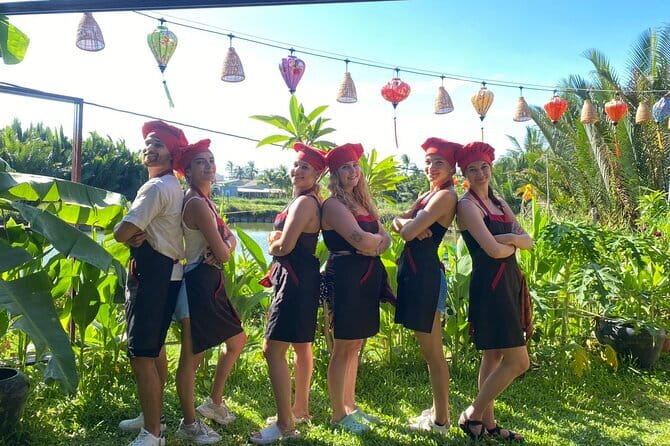
You’ll be taught four different local dishes, and the class is set up so you can participate in the full flow of cooking: prep, cook, then eat what you made.
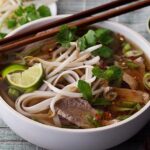
From the dish examples shared, you can expect things like:
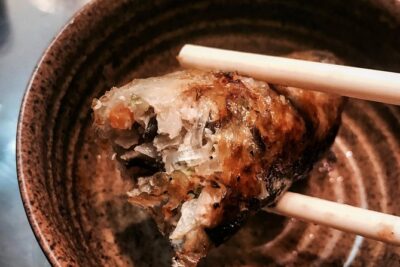
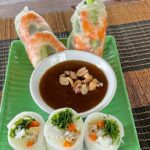
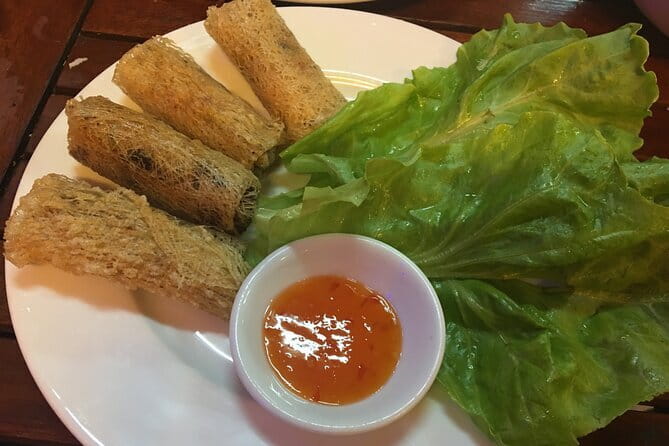
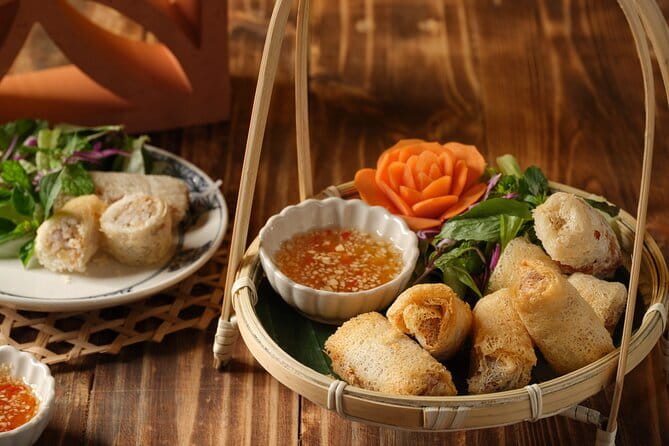
- spring rolls
- rice pancakes
- grilled fish
- a fried dish component (you’ll get the exact one based on the class plan)
Even if the exact menu varies slightly by day, the technique focus tends to be consistent: Vietnamese food relies on fresh herbs, smart prep, and heat control.
Here’s why that matters for you. If you only memorize what goes into each dish, you’ll struggle when you try to cook at home with different brands or ingredient sizes. But if you understand the “why” behind steps—like how herbs are used for flavor rather than bulk, or how grilling and frying each change texture—you’ll be able to adapt.
Also, cooking four dishes in one sitting means you get variety without being overwhelmed. It’s enough to learn a pattern, and enough time to feel proud of what’s on your plate.
Price and What You Really Get for $29
At $29 for around 5 hours, this class is priced like a local experience, not a luxury cooking tour. That’s a big deal in Hoi An, where cooking classes can range from casual to pricey.
What you get built into the cost:
- pickup offered from your hotel area in Hoi An
- an English guide/chef
- entrance tickets for Tra Que Vegetable Village
- lunch included (the food you cook)
- drinks included: a bottle of water and one beer or a soft drink, plus a welcome drink
- dessert included
- transportation included for the day’s moves
Not included: the usual extra drinks like wine/juice/smoothies/cocktails.
To me, the standout value is that the day is structured around three “ingredient stages”: farm knowledge, market selection, and then cooking. Many cheaper classes skip one of those. Here, you’re paying for the full chain of understanding, not just a meal.
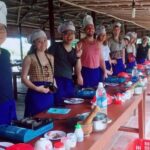
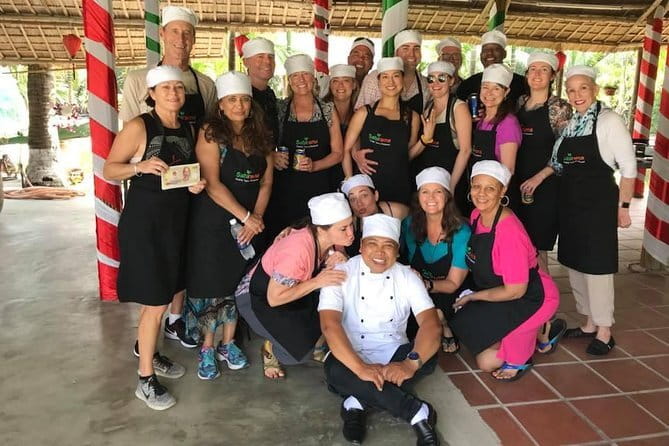
Small group size helps too. With a maximum of 10 people, you’re more likely to get help when you’re unsure about a step.
If you’re the kind of traveler who likes to feel productive on vacation—this delivers. You leave with a full stomach and real skills.
Timing and Pickup: How to Plan Your Half Day Without Stress
The day runs in a clear rhythm:
- morning pickup around 8:15–8:30am
- Tra Que Vegetable Village first
- market stop around 10am
- cooking house start around 11am
- finish around 13:30–14:00, then you return to your hotel
This timing works well because you’re doing the farm and market while conditions are best for outdoor walking and fresh produce picking. You’re also out of the heat before the late afternoon.
What to do to make it smooth:
- Eat a simple breakfast before pickup if you normally get hungry early. You’ll have lunch later, but the morning involves walking and learning.
- Bring a small towel or wipes if you’re sensitive to getting messy. Cooking classes can get hands-on.
- If you’re wearing light clothes, consider sleeves or a hat for sun control.
Also, you’ll get a mobile ticket, and confirmation happens at booking time. That helps you avoid last-minute chaos.
Who Should Book This Cooking Class (and Who Might Want Another Option)
This experience is a great fit if you want:
- a hands-on cooking class
- a farm-to-table type learning day (even if it’s compressed)
- a small group where you can ask questions
- an English-speaking guide/chef for clarity in steps and ingredient choices
It’s also a solid choice for couples and solo travelers. Small group size means you won’t spend the whole time feeling like you’re sitting alone.
Who might hesitate:
- If you mainly want a relaxing tour with minimal participation, a cooking-focused class may feel like a lot of active work.
- If you strongly care about receiving photos and recipes promptly, you should be prepared for follow-up to depend on a QR code process. It sounds simple, but tech hiccups can happen.
One more note from how the chef-team is described: the instructors are often humorous, and that helps the class feel fun rather than strict. If you learn best when you’re comfortable asking questions, you’ll likely do well here.
Should You Book Faifoo’s Tra Que Market Cooking Class?
Yes—if you want a practical food experience in Hoi An, this is a strong pick. The blend of Tra Que farming, a market ingredient walk, and then real hands-on cooking of four dishes is the kind of structure that sticks with you.
Book it if you’d rather learn how to choose herbs and cook Vietnamese food yourself than just eat a nice meal and move on.
I’d only think twice if you’re very sensitive to post-class follow-up (like photos/recipes) and you expect it to land instantly without any QR steps. For most people, though, the cooking and the skills are the payoff, and that portion is the main event.
FAQ
What time does the tour start?
The start time is around 8:30am, with pickup typically 8:15am–8:30am.
How long is the cooking class?
It runs about 5 hours (approx.), finishing around 13:30–14:00.
Do you get picked up from your hotel?
Yes. Pickup is offered in Hoi An.
What’s included in the $29 price?
Transportation, an English guide/chef, entrance tickets for Tra Que Vegetable Village, lunch, a welcome drink, drinks (including 1 bottle of water and 1 beer or 1 soft drink), and dessert.
Are entrance tickets included?
Yes. Entrance tickets of Tra Que Vegetable Village are included.
How many dishes will I cook?
You’ll cook 4 different local dishes during the class.
How large is the group?
There’s a maximum of 10 travelers.
Is free cancellation available?
Yes. You can cancel for a full refund up to 24 hours before the experience’s start time.
What drinks are not included?
Extra drinks beyond what’s listed as included—such as wine, juice, smoothies, lassis, and cocktails—are not included.