REVIEW · HANOI
Vietnamese Home Cooking Class in Hanoi
Book on Viator →Operated by Hanoi Food Tasting Tours · Bookable on Viator
Market first, apron on, Hanoi tastes better. This Vietnamese home cooking class pairs a typical Hanoi market stop with hands-on cooking in a local chef’s home, capped at five people. You also pick a morning (lunch) or afternoon (dinner) session, so the plan fits how you want to spend your day in the Old Quarter area.
I really like the market shopping because it helps you understand what makes Vietnamese food taste the way it does. I also like that you’re not just watching—you learn to make at least four dishes with a local guide and chef, then sit down to eat what you made. One consideration: the menus lean into specific ingredients (including pork, seafood, and beef), so if you have dietary needs, share them up front so your menu can match your comfort level.
You finish the experience with a full meal—lunch or dinner—plus coffee/tea, and the dinner/lunch table often includes traditional rice wine. It’s about 4 hours 30 minutes total, with hassle-free pickup and drop-off from your Hanoi hotel, plus bottled water during the outing.
In This Review
- Key highlights that make this class worth your time
- Market First: Learning Vietnamese Flavors at a Typical Hanoi Stall
- Up to Five in a Local Chef’s Home: Small-Group Coaching
- Three Menu Paths: Bun Cha, Pho, or a Vegetarian Feast
- Hanoian Feast (lunch/dinner style classics)
- Tonkin Origin (north Vietnam comfort food)
- Vegetarian Lover (fully plant-forward)
- From Shared Pickup to Rice Wine: How the 4.5 Hours Unfold
- Value Check: What’s Included in the $41-Class Price
- Who This Hanoi Cooking Class Works Best For
- Should You Book This Hanoi Cooking Class?
- FAQ
- How many dishes will I learn to make?
- Can I choose between a lunch or dinner session?
- Is pickup from my Hanoi hotel included?
- How big is the class group?
- Do you offer a vegetarian menu option?
- What’s the cancellation policy?
Key highlights that make this class worth your time

- Maximum five travelers means more hands-on cooking and fewer waiting turns
- Market shopping with a local guide helps you recognize fresh ingredients and flavors
- At least four dishes learned (not just one or two)
- Pick your menu path: Bun Cha, Pho, or a vegetarian option
- Hotel pickup and drop-off keeps the logistics simple
- Your meal is part of the program, paired with coffee/tea and traditional rice wine
Market First: Learning Vietnamese Flavors at a Typical Hanoi Stall
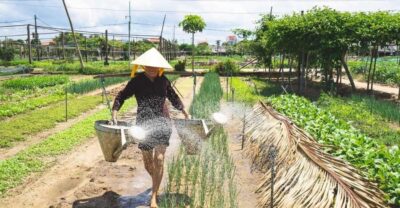
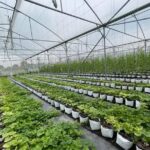
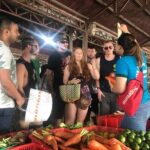
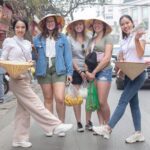
The best part of this class starts before you even turn on the stove: you head to a typical Hanoian market to shop for fresh ingredients. Vietnamese cooking is built on balance—herbs, acid, sweetness, salt, and aromatics working together—so seeing ingredients up close makes the recipes click fast.
In practice, this market stop is where you learn what you’ll actually be using later at your host’s home. You’re not just buying random items. You’re selecting things that shape the dishes you’ll cook, like noodles, herbs, greens, and components for sauces. Even if you cook at home already, this is the moment you get a sense of why Vietnamese dishes taste layered rather than heavy.
A market also trains your instincts for timing. Many Vietnamese ingredients are best when crisp and fresh, not dried out and forgotten. So by the time you get to the kitchen, you’re already thinking about freshness and flavor in a very Vietnamese way.
You can also read our reviews of more tours and experiences in Hanoi.
Up to Five in a Local Chef’s Home: Small-Group Coaching
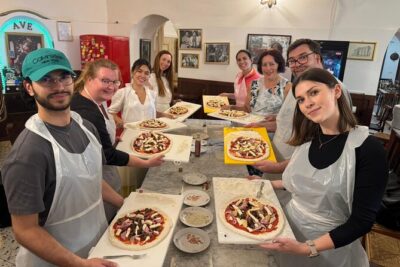
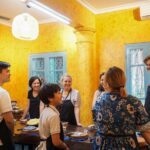
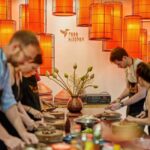
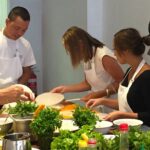
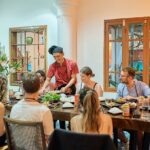
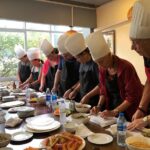
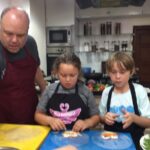
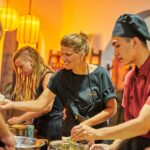
This isn’t a big factory-style cooking show. The class runs as a small-group experience, with up to five people, and it takes place at a local chef’s home. That matters more than it sounds, because it changes how the teaching feels.
With fewer people, you can ask quick questions without feeling rushed. You’re also more likely to get time to handle the cooking steps yourself—cutting, mixing, frying/assembling, and plating. In the real-world feedback from past sessions, there’s a theme of patience and hands-on interaction, which is exactly what you want when you’re learning new techniques.
Pickup and drop-off help too. You get round-trip shared transfer and a pickup from your Hanoi hotel, which means you’re not spending your limited holiday time sorting taxis and directions. In a city where traffic and side streets can get confusing, that’s a real win.
You might meet different instructors depending on the day. Past sessions mention hosts and guides like Mango, Simon, Chris, Jessy, Luke, and Linh—so the vibe can vary, but the common thread is teaching that feels friendly and interactive rather than stiff.
Three Menu Paths: Bun Cha, Pho, or a Vegetarian Feast
One smart thing here: you don’t get stuck with a single “default” menu. You choose between different menu options, each built around classic Vietnamese dishes. You’ll learn to make at least four dishes from your selected menu, which makes your takeaway feel practical.
Here are the three sample menu paths:
Hanoian Feast (lunch/dinner style classics)
- BBQ pork with noodles and fish sauce (Bún Chả)
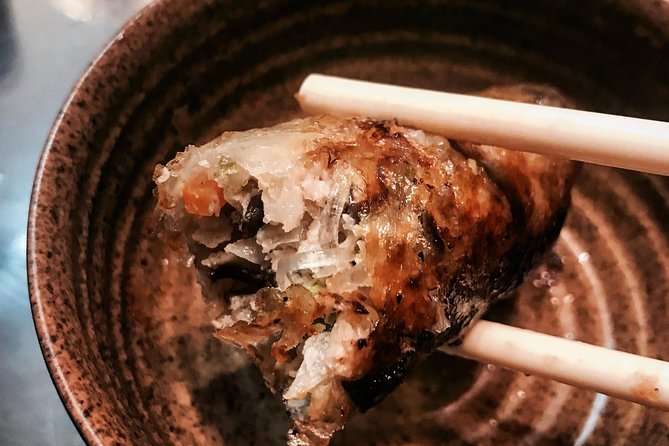
- Fried spring rolls (Nem rán)
- Banana flowers salad with chicken / or green papaya salad with dried beef
- Vietnamese egg coffee
This menu is ideal if you want that Hanoi signature mix: smoky-sweet grilled flavors, crunchy fried textures, and bright salads that cut through the richness.
Tonkin Origin (north Vietnam comfort food)
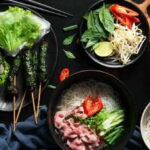
- Traditional noodle soup with beef/chicken (Pho)
- Green mango salad with seafood
- Grilled fish
- Vietnamese egg coffee
If you’re serious about noodles and soup, this is the path. You get both warm comfort food and a fresh, tangy salad component, plus another chance to learn the egg coffee technique.

Vegetarian Lover (fully plant-forward)
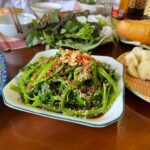
- Spring rolls (fresh or fried)
- Tofu in tomato sauce
- Eggplant with ginger sauce
- Che, a Vietnamese traditional dessert
This one is great when you want Vietnamese flavors without meat or seafood. It’s also a useful option if you’re traveling with someone who doesn’t eat certain proteins.
A practical tip: if you have allergies or strict dietary rules, don’t keep it vague. The experience specifically asks you to advise dietary requirements at booking, so the clearer you are, the easier it is for them to plan your menu accordingly.
From Shared Pickup to Rice Wine: How the 4.5 Hours Unfold
The whole experience takes about 4 hours 30 minutes, and the pacing is designed to feel active without dragging. You’ll start with pickup, then move into the market with your local guide. This is also the stage where you get context about what you’re buying and why certain ingredients matter for Vietnamese flavor.
After shopping, you head to the chef’s home kitchen and start cooking. You’ll make multiple dishes from your chosen menu, typically including both savory items and dessert or coffee components depending on the menu. The teaching style shows up in the details: you’re not just given a recipe card; you’re working alongside the chef and guide, step by step.
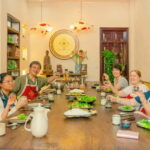
Then comes the part that justifies the class: eating. You sit down for a homemade lunch or dinner, paired with coffee/tea. Traditional rice wine is also included with the meal, which gives you a more complete Vietnamese dining feel—not just snacks while you stand over a cutting board.
One small realism check: you’ll be doing real prep work. So if you’re prone to blisters, have hand issues, or hate getting messy, wear shoes you can move in and expect to do some hands-on cooking.
Value Check: What’s Included in the $41-Class Price
At $41.03 per person, this class doesn’t look cheap until you map it to what’s included. You’re paying for:
- Round-trip shared transfer
- Bottled water
- Local guide
- Local tour (the market visit is part of the experience)
- Cooking class
- Lunch or dinner
- Coffee and/or tea
- A class meal that includes your homemade food, plus traditional rice wine
You’re also not paying separately for the main “experiential” components—market shopping and the meal you earn by cooking. For many people, that’s the difference between a fun afternoon and a pricey activity that ends with just one dish tasted.
The only clear caution from the details provided: food and drinks aren’t included unless specified. In plain terms, if you want extra drinks or add-ons beyond what’s part of the included meal and coffee/tea, you may need to budget for that.
Demand is also worth noting. This activity is often booked about 18 days in advance on average, which usually means it can fill up in busy weeks. If you have a tight schedule, I’d treat it as a plan, not a maybe.
Who This Hanoi Cooking Class Works Best For
This is a great match if you want Vietnam food you can repeat, not just remember. Since you cook multiple dishes yourself and then eat the results, you leave with a stronger mental map of how Vietnamese flavors are built—how salads balance acidity, how noodles get their backbone, and how egg coffee fits into the meal.
It also works well for small groups and solo travelers because the maximum five-person format makes the experience feel personal. If you like asking questions—what ingredient goes where, how a sauce should taste, how to fix a mistake—this setup makes that easier.
Based on past experiences, the instructors tend to be friendly and accommodating to preferences. One session highlighted an instructor with lots of energy, while another praised an instructor’s patience and accommodation for food preferences. Another emphasized city context and local habits, which is a bonus if you’re the type who wants to understand the why behind the food.
Where it may not fit as well:
- If you only want to eat and never cook, you might feel like the prep time is too much.
- If you strongly dislike pork, seafood, or egg-based items, you’ll want to choose the vegetarian option and/or clearly share dietary needs early.
Should You Book This Hanoi Cooking Class?
Yes, if you want a hands-on Hanoi food experience that includes both market context and a real meal. The small-group size, hotel pickup, and multi-dish teaching make it feel like more than a one-off tasting.
Book it especially if:
- You’re curious about Hanoi staples like Bún Chả, spring rolls, and pho
- You want to understand ingredients by seeing them at a local market
- You’d like a clear set of recipes to try later at home
- You’re traveling with dietary needs and want the option to choose a vegetarian menu
Skip it or think twice if:
- You hate prep work or don’t want to handle ingredients
- You need very specific dietary accommodations that go beyond what’s provided in the menu options
FAQ
How many dishes will I learn to make?
You’ll learn to make at least four different Vietnamese dishes during the class.
Can I choose between a lunch or dinner session?
Yes. You can choose either a morning tour (lunch) or an afternoon tour (dinner).
Is pickup from my Hanoi hotel included?
Yes. The experience includes hassle-free pickup and drop-off from your Hanoi hotel, plus round-trip shared transfer.
How big is the class group?
The class has a maximum of five travelers.
Do you offer a vegetarian menu option?
Yes. There’s a vegetarian menu option that includes items like tofu in tomato sauce, eggplant with ginger sauce, spring rolls, and Che.
What’s the cancellation policy?
You can cancel for a full refund if you do it at least 24 hours before the experience’s start time. Free cancellation is available up to 24 hours in advance.