REVIEW · HANOI
Hanoi: Village Farm Tour and Cooking Class with Lunch
Book on GetYourGuide →Operated by Hanoi Eco Tour · Bookable on GetYourGuide
Farm dirt and home-cooked lunch in Hanoi. This is one of those days where the countryside feels real—market sights, farm work, and then a Vietnamese cooking class in a family kitchen. I especially like the hands-on farming (raking, sowing, watering, collecting vegetables) and the way you eat what you make with your hosts.
The schedule is active and a bit unpredictable in the countryside. You’ll want shoes that can handle mud, and this tour isn’t a fit for everyone—it’s not suitable for pregnant women, and it can be canceled in inclement weather.
In This Review
- Key Things to Know Before You Go
- Getting From Hanoi To Dong Bac Country Days
- The Market Walk: Chickens, Ducks, and Real Village Shopping
- The Family Welcome: Green Tea, Fresh Fruit, and the Way They Host
- Hands-On Farm Work: Raking, Sowing, Watering, Collecting
- Learning Cultivating Techniques (The Stuff You’ll Actually Use)
- The Cooking Class in the Family Kitchen: Step-by-Step Vietnamese Meals
- Lunch With Your Hosts (Plus Tea and a Taste of Rice Liquor)
- Organic Pig Farm Visit: What Happens After the Vegetables
- Timing, Transportation, and Why the Day Feels Like More Than an Excursion
- Price and Value: Is $75 Per Person Worth It?
- Who This Tour Fits Best (And Who Might Skip It)
- What to Bring (So You’re Comfortable in the Fields)
- Should You Book This Hanoi Village Farm Tour and Cooking Class?
- FAQ
- How long is the Hanoi Village Farm Tour and Cooking Class?
- Where does the tour take place?
- Is pickup included?
- What language is the tour guide?
- What’s included in the lunch?
- Is this tour private?
Key Things to Know Before You Go
- Village market walk with live animals and everyday goods: See locals selling chickens and ducks in cages, plus meat, vegetables, and household items.
- Hands-on farm time you actually do: You’ll join real planting tasks like raking, sowing, watering, and collecting vegetables.
- Lunch in a local family’s kitchen (not a restaurant demo): You’ll learn step by step, then sit down together to eat.
- Local tea, fruit, and a taste of rice liquor: You’ll get the family welcome before cooking, and you may be offered rice liquor afterward.
- An organic pig farm visit after lunch: You’ll learn how they raise organic pigs from the host family.
Getting From Hanoi To Dong Bac Country Days
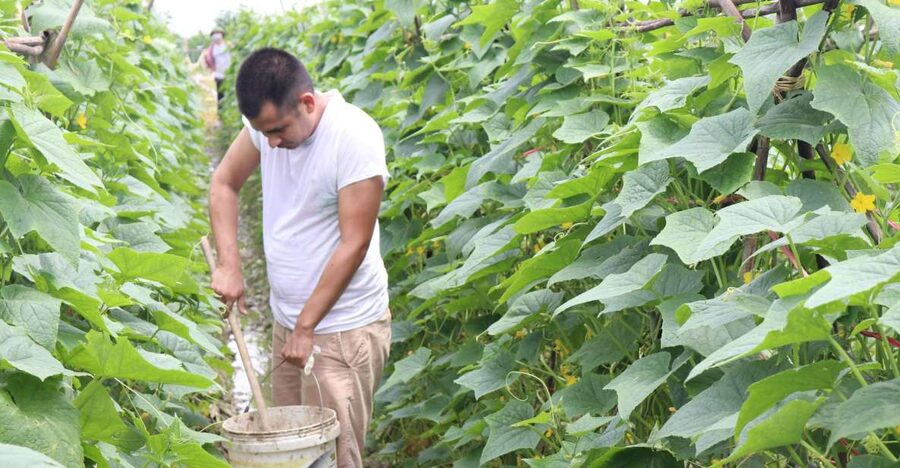
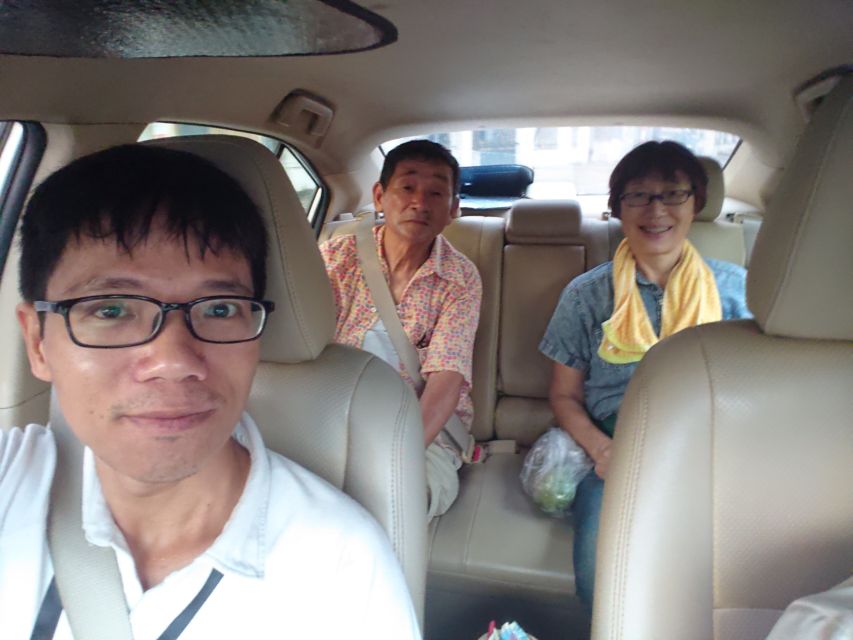
Your day starts with pickup from your hotel in Hanoi. You’ll meet your English-speaking guide and then ride about an hour by air-conditioned car to a vegetable farming area in rural Hanoi (the tour area is described around Dong Bac).
This drive matters more than it sounds. Leaving the city early means you arrive when the farm work is still part of daily life, not a staged performance. It also sets the tone: you’re going out to see how people live, farm, and feed families—not just to check boxes.
Once you’re close, you’ll step out and begin with the village rhythm.
You can also read our reviews of more tours and experiences in Hanoi.
The Market Walk: Chickens, Ducks, and Real Village Shopping
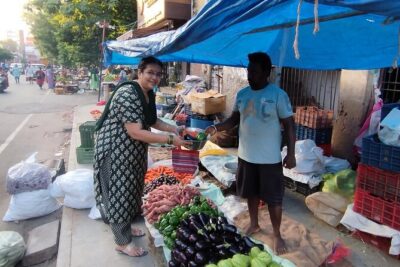
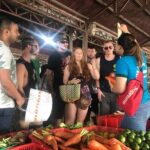
A short walk around the market is the tour’s first culture hit. You’ll pass locals selling chickens and ducks in cages, fresh meat, vegetables, and even household goods. It’s a good contrast to the “quiet countryside” idea—this is practical, loud, and purposeful.
If you travel with kids, I like this part because it’s easy to explain and fun to look at. There’s plenty to point out: how produce is handled, how people buy and trade, and what’s considered a normal market item. And for adults, it’s a fast way to understand what ingredients really matter in Vietnamese meals.
You won’t spend all day here, which is a plus. The market stop is brief enough that you stay energized for the farm portion and the cooking lesson later.
The Family Welcome: Green Tea, Fresh Fruit, and the Way They Host
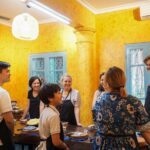
After the drive and market walk, you head to your host family’s house. Before you do anything else, you’ll get a cup of green tea and fresh fruit with them. That calm welcome is a small thing, but it changes the whole experience from “tour” to “guest.”
Then you’ll take a short walk around the village. This isn’t a “see five landmarks” walk. You’re watching local life unfold and passing vegetable farms along the way, so you start connecting what you saw at the market with what the family grows at home.
This is also where the guide’s role becomes important. A good guide helps you notice patterns—how farming fits into daily routines, what people focus on, and what’s worth asking about.
Hands-On Farm Work: Raking, Sowing, Watering, Collecting
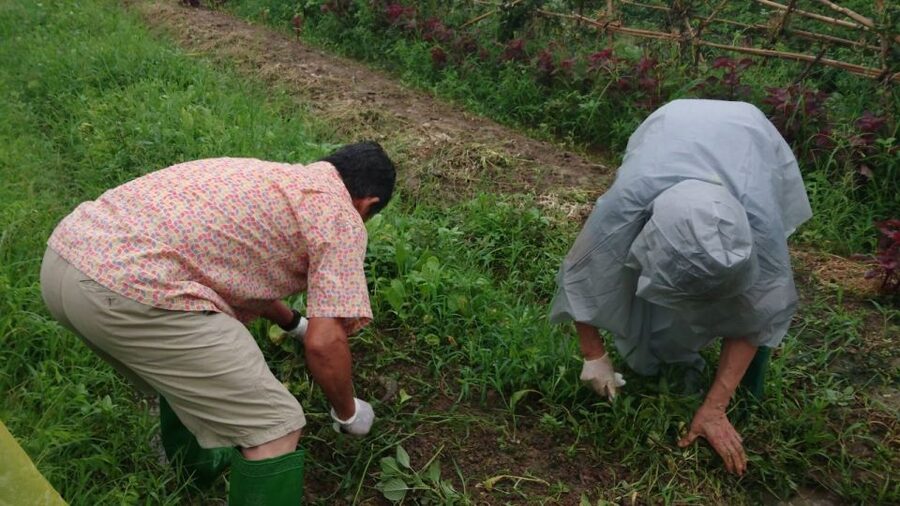
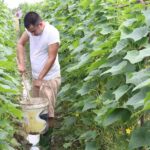
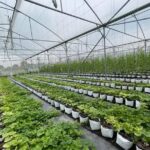
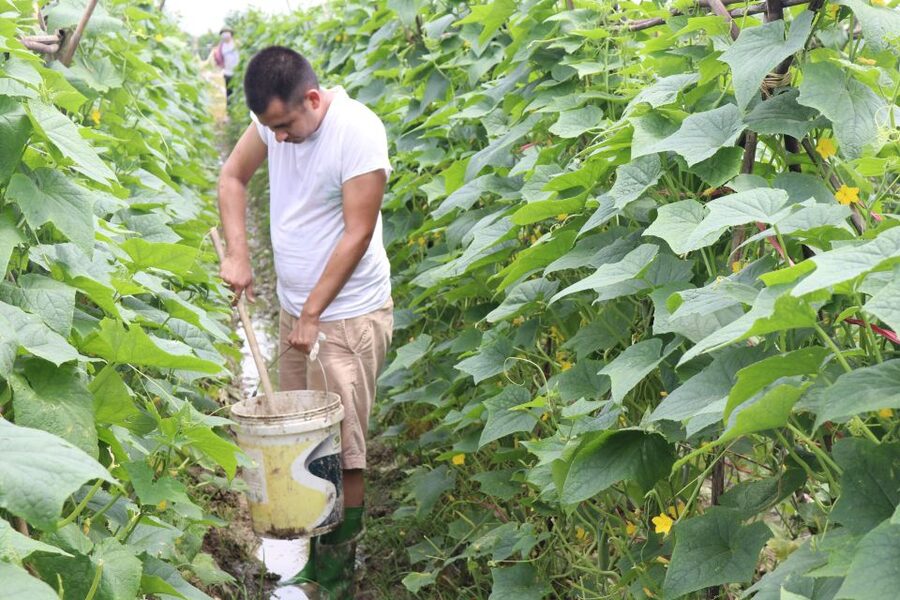
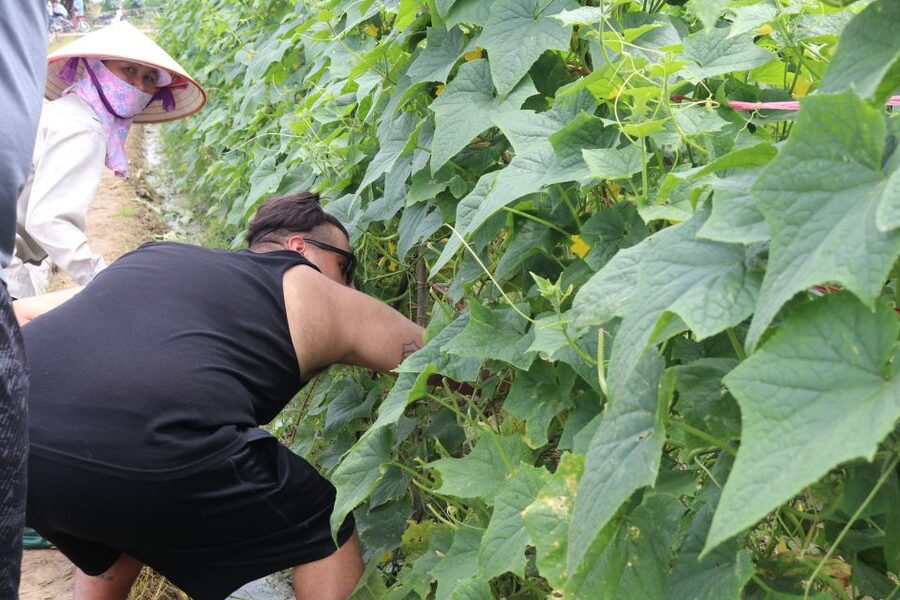
Now comes the part you’ll feel in your clothes. You’ll join a farmer in their vegetable field and get stuck into actual tasks—raking, sowing, watering, and collecting vegetables. Farming equipment is provided, so you’re not expected to bring your own tools.
Why I think this is the best value part of the tour: you’re learning by doing. Cooking classes are fun, but they don’t always teach you where ingredients come from. Here, you get the “from seed to plate” connection early, which makes the lunch later taste better (even if you’re not a big food nerd).
One practical note: you should dress for getting a little dirty. You don’t need formal “mud gear,” but closed-toe shoes and clothes you don’t mind staining are smart. Expect farm work to be hands-on, not delicate.
Also, this isn’t a passive photo stop. If you’re the type who likes to watch rather than participate, you’ll still be able to take breaks, but you’ll get the most from jumping into the rhythm of the field.
Learning Cultivating Techniques (The Stuff You’ll Actually Use)
During the farm time, you’ll learn about the host family’s cultivating and growing techniques. The tour description doesn’t list a science lecture, and that’s fine. What you want here is everyday know-how—how they approach planting, what they pay attention to, and how their choices affect harvests.
This matters because it explains why Vietnamese cooking tastes the way it does. When you understand that vegetables weren’t just “purchased,” you start noticing flavors and textures more honestly. Later, when you’re chopping and cooking, you’ll have a reason for the method you’re using.
And if you’re traveling with kids, this is where the tour can feel extra engaging. In at least one recent group experience, the guide went out of the way to help children participate with fun extras like toy shovels. Even small adjustments like that can turn “watching” into real involvement.
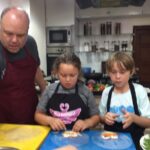
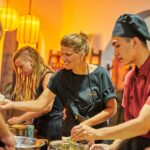
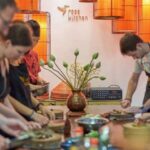

The Cooking Class in the Family Kitchen: Step-by-Step Vietnamese Meals
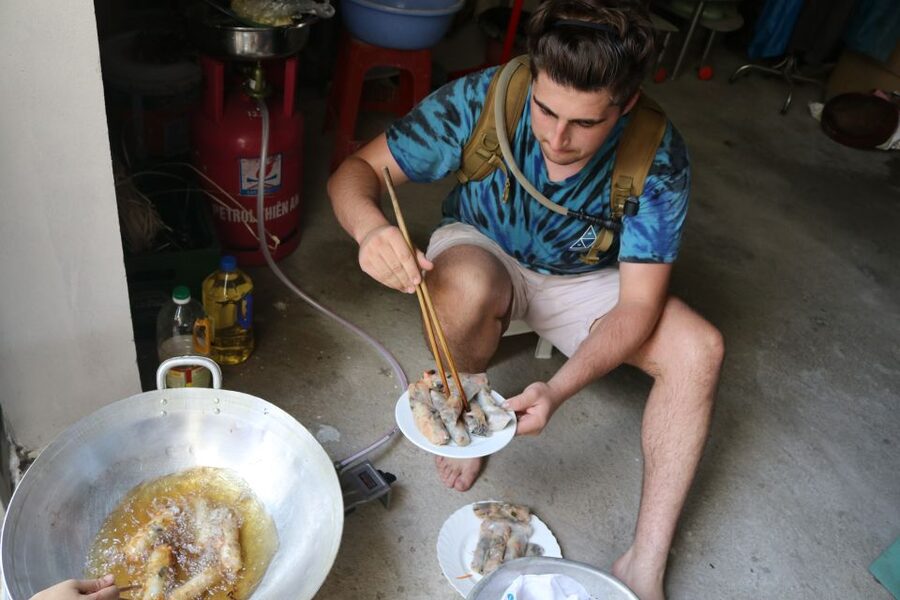
After the farm, you head back to the house for the cooking lesson. This is where the day becomes something you can take home with you: not just memories, but meal skills.
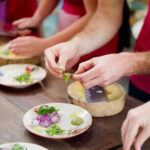
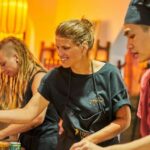
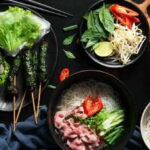
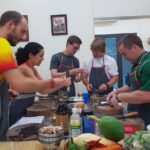
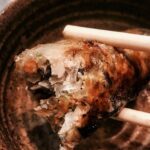
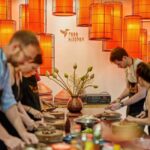
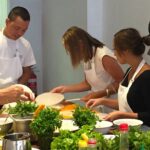
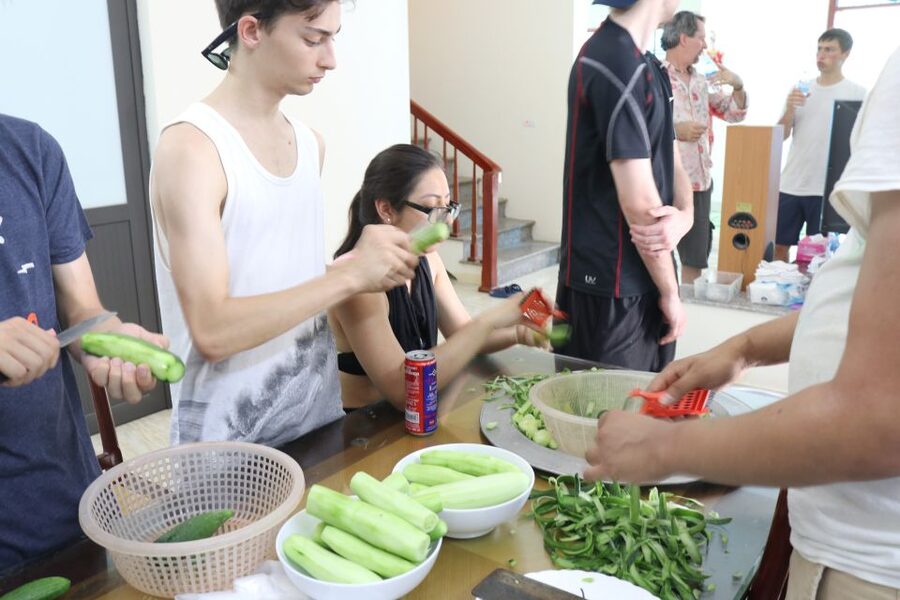
You’ll discover the secrets of authentic Vietnamese cuisine with your host family and learn how to make your lunch step by step. The tour experience is hands-on, so you’re not just watching someone else cook. You’ll be actively involved in preparing the dishes you’ll eat.
This part is also a great place to ask questions. Since you’ve already seen vegetables in the ground and ingredients at the market, you can connect the dots right away. That’s how cooking becomes education instead of a one-time performance.
Lunch With Your Hosts (Plus Tea and a Taste of Rice Liquor)
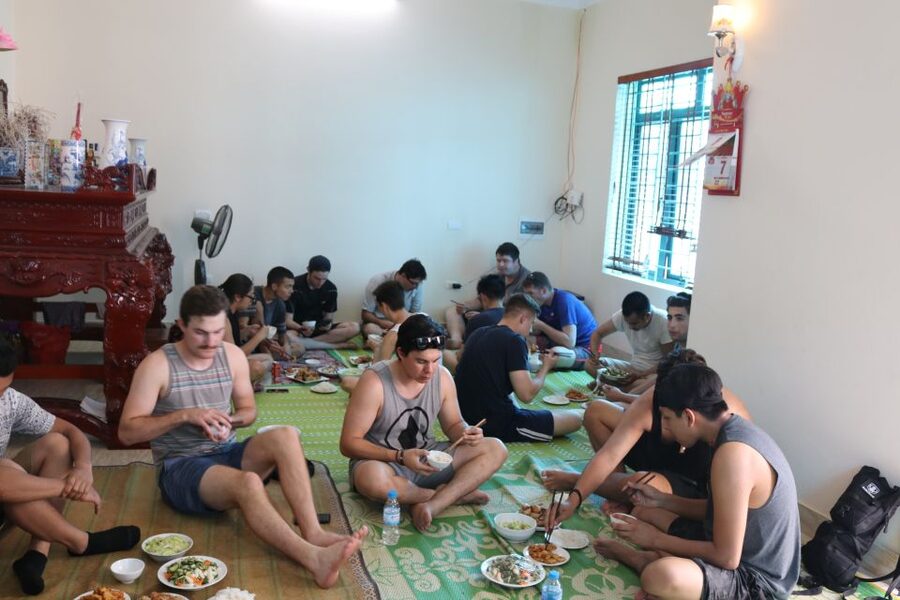
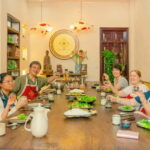
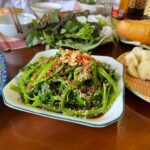
Then you eat. You’ll sit down to a tasty Vietnamese meal with your host family after your cooking lesson. The day’s included welcome items—like green tea and fresh fruit—help set a friendly, unhurried tone.
You may also taste some local rice liquor as part of the experience. Even if you don’t drink much, it’s often one of those small cultural moments that makes the meal feel truly “of the place,” not just food on a plate.
For drinks, the tour includes a free bottle of water and a soft drink for lunch. If you plan to drink more than that, you’ll want to budget or plan ahead since drinks beyond the included ones aren’t listed as part of the package.
Organic Pig Farm Visit: What Happens After the Vegetables
After lunch, you walk with your guide to a local organic pig farm. You’ll chat with your host family and learn about how they raise organic pigs.
This section gives you a fuller picture of rural life. Farming here isn’t just vegetable production; it’s a whole household system where animals, compost, and land management likely play roles in day-to-day living. Even if you only pick up a few key ideas, it’s a refreshing change from purely produce-focused tours.
It’s also a nice pacing shift after cooking. Instead of more kitchen time, you’re back in the open air, seeing another side of the family’s routine.
Timing, Transportation, and Why the Day Feels Like More Than an Excursion
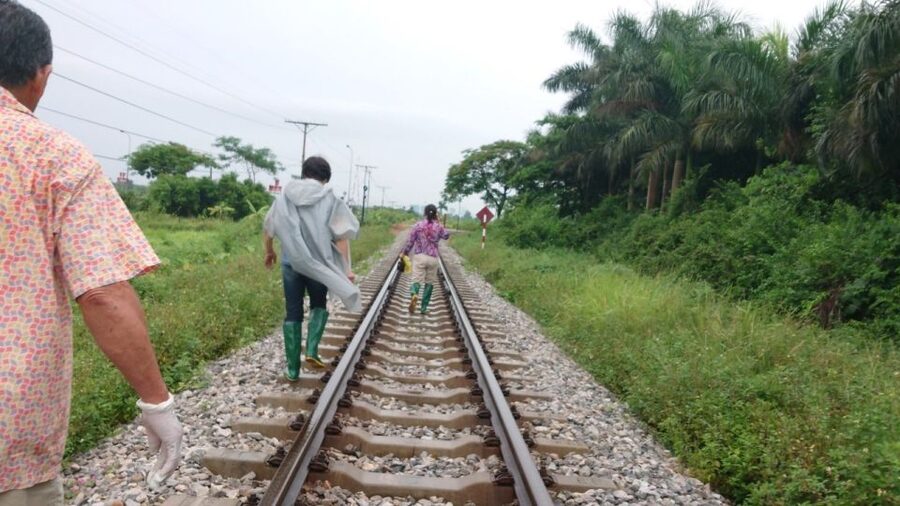
This is an 8-hour experience with pickup at your hotel and a round-trip private transfer by air-conditioned car. Starting times can vary, so you’ll want to check availability for the specific slot you’re booking.
That full-day structure is a big part of the value. You don’t just go to one location—you do a market stop, a farm portion, a cooking lesson with lunch, and then an organic pig farm visit. If you’ve done short city tours before, this feels like a real contrast: less about famous sights, more about normal rural life.
One more practical thing: because it’s private, the experience can be easier to manage if you have specific interests (vegetable farming vs. cooking vs. animals). It’s also generally more comfortable than squeezing into a crowded group setting, especially when the tour gets hands-on.
Price and Value: Is $75 Per Person Worth It?
At $75 per person for an 8-hour private countryside experience, the question isn’t just price—it’s what you get for that time.
You’re paying for a bundle that typically costs more when separated:
- Private round-trip air-conditioned transfer
- An English-speaking local guide
- Farming equipment
- Authentic lunch prepared with your host family
- A water bottle and a soft drink for lunch
On paper, it can look like “a bit pricey” until you add up the day: transport out of the city, guide time, field supplies, and a real cooking lesson with a full meal. In other words, this isn’t just a sightseeing outing—it’s a guest experience plus activity time.
The main thing to watch is what’s not included: drinks beyond the lunch items, and travel insurance/personal expenses. If you go into the day expecting a simple included-lunch experience, you’ll feel fine. If you plan on frequent add-on purchases, you’ll need extra money.
Who This Tour Fits Best (And Who Might Skip It)
This tour is a strong fit if you want an authentic look at countryside life around Hanoi and you like learning through participation. It’s also a good choice if you enjoy food and want cooking context that starts at the market and continues in the fields.
It’s less ideal if:
- You want a mostly passive experience (this is hands-on farm work).
- You’re pregnant (it’s not suitable).
- You’re sensitive to getting a bit dirty (closed-toe shoes and practical clothes are smart).
If you’re traveling as a family, the market and planting activities are often a hit, and the guide can sometimes help kids get involved in a more meaningful way.
What to Bring (So You’re Comfortable in the Fields)
This is practical countryside time. Plan for:
- Closed-toe shoes that can handle mud or wet ground
- Clothes you don’t mind getting stained
- Sun protection (it’s an outdoor day)
- A light layer if you get chilly during the drive or after lunch
You don’t need special gear because farming equipment is provided, but you’ll still want to be comfortable moving your hands and staying outdoors.
Should You Book This Hanoi Village Farm Tour and Cooking Class?
If your idea of a great Hanoi day includes a real village visit, hands-on farming, and a cooking class you eat right away, yes, book it. The structure is built around meaningful experiences: market to field to kitchen to farm-to-family table.
I’d especially recommend it if you’re curious about how everyday rural life feeds into Vietnamese cooking. Seeing vegetables growing and then learning how to cook with your hosts makes the whole day click.
If you hate dirt, can’t do physical activity, or need guaranteed weather conditions, you might want to think twice. The tour can be canceled in inclement weather, and the farm work is not a sit-and-watch activity.
FAQ
How long is the Hanoi Village Farm Tour and Cooking Class?
The experience lasts 8 hours.
Where does the tour take place?
It’s in rural Hanoi, around Dong Bac, Vietnam.
Is pickup included?
Yes. Pickup is included from your hotel.
What language is the tour guide?
The tour guide speaks English.
What’s included in the lunch?
Lunch is included and is an authentic meal prepared with your host family. A free bottle of water and a soft drink are also included for lunch.
Is this tour private?
Yes. All eco-tours are private tours.