REVIEW · HANOI
DIY: Vietnamese Cooking Class
Book on Viator →Operated by Ha Food Tours · Bookable on Viator
Cooking Hanoi turns into something you can taste. This hands-on Vietnamese cooking class guides you from an authentic local market shop to the stove, so you learn why the flavors work—not just how to copy a recipe. I especially like how the experience focuses on classics like pho, bun cha, and nem, and then lets you eat what you make.
The only real thing to plan around is hotel pickup timing. Pickup is included, but it has to be from a hotel in Hanoi’s in-city central area, so you’ll want to double-check your location ahead of time.
In This Review
- Key Things You’ll Remember
- Market Morning (or Late Afternoon) in Hanoi: Why Shopping Matters
- How the Class Works: Hands-On Cooking From Start to Finish
- Your Dish Lineup: Pho, Bun Cha, Nem, and the Vegetarian Set
- Option 1: Bun Cha + Nem and a Salad
- Option 2: Pho + Mango Salad + Grilled Fish
- Vegetarian Menu
- The Meal Part: What You Eat After Cooking
- What Makes the Instructors’ Approach Practical
- Price and Value: Why $50 Can Feel Like a Deal
- Transport, Timing, and Group Size: The Easy-Button Factor
- Who This Cooking Class Is Best For (and Who Should Think Twice)
- Should You Book This Hanoi DIY Vietnamese Cooking Class?
- FAQ
- What dishes will I learn to cook in this class?
- Is there a vegetarian option?
- Does the price include hotel pickup and transport?
- How long is the experience and what time slots are available?
- What’s included besides cooking?
- Can you accommodate allergies or special dietary requests?
Key Things You’ll Remember
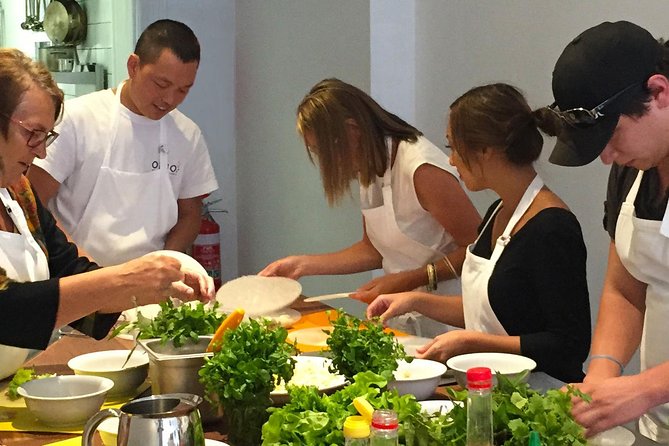
- A real market walk first: You shop for herbs, veggies, and key ingredients, so the cooking has context.
- Hands-on cooking, not watch-and-leave: You’re part of the preparation process, not just standing nearby.
- Menu options that match your cravings: Choose from classic meat-based sets or a vegetarian menu.
- English-speaking guide plus an experienced instructor: Clear instruction makes the steps practical.
- Meals and local wines included: You cook, then feast—plus you get other dishes made by the professional chef.
Market Morning (or Late Afternoon) in Hanoi: Why Shopping Matters
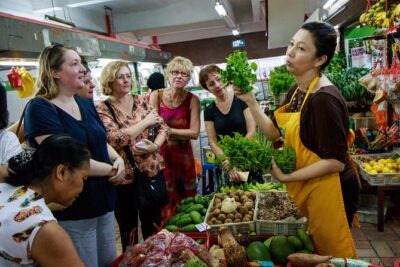
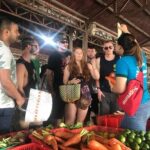
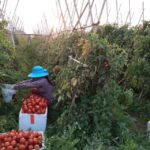
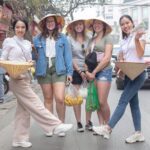
This class starts with the part most cooking tours rush: the market. You’ll head to an authentic local market where you can see, smell, and touch the ingredients that make Vietnamese food taste like Vietnamese food. The value here is simple—once you understand how people buy herbs and build flavors, the dishes make sense when you cook them later.
You also get the kind of guidance that helps you shop smarter on your own afterward. In the market, you’re not just collecting items; you’re learning what ingredients do in the final dish. That’s why this feels more useful than a cookbook session. And it’s why it can be fun even if you consider yourself a beginner.
Another detail that makes the experience comfortable: you’re not doing it cold and hungry. You get a welcome drink, plus tea and coffee later on, and that keeps the morning or afternoon from feeling like a slog.
You can also read our reviews of more tours and experiences in Hanoi.
How the Class Works: Hands-On Cooking From Start to Finish
Timing is straightforward, with two sessions. The morning class runs 9:00 to 13:30, and the afternoon class runs 15:30 to 20:00. Either way, it’s about an approximate 5 hours from pickup through the meal at the end.
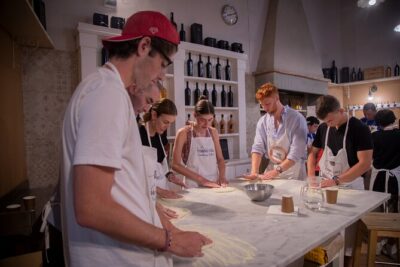
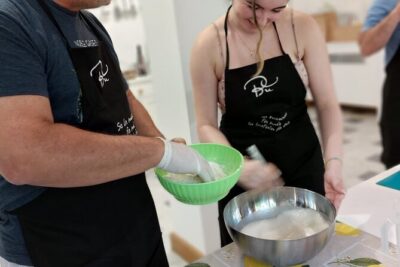
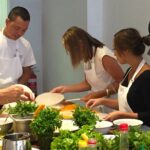
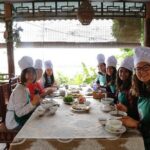
You’ll go in with a group of up to 8 travelers, which is the sweet spot for getting real attention. With that size, you’re more likely to cook, ask questions, and actually get answers while the steps are fresh. The class is fully hands-on, and the instructor and English-speaking guide keep the pace moving without making you feel rushed.
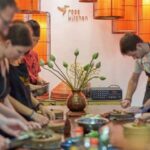
You also get a practical “comfort” factor. Several people highlight that the class is taught in a setting that feels calmer than the chaos of street-level Hanoi, while still keeping the food experience authentic. After the market, you’ll get ready to cook like you’re cooking with a knowledgeable host—organized steps, clear explanation, and support when you need it.
Along the way, you’ll have small comforts that matter for a cooking class: a cold towel and a bottle of water are included, and there are snacks as well. It’s one of those details that keeps your focus on cooking rather than on getting through the session.
Your Dish Lineup: Pho, Bun Cha, Nem, and the Vegetarian Set
The class is built around options, so what you cook depends on the set your session follows. You’ll learn multiple Vietnamese favorites, and the cooking typically includes the dishes below.
Option 1: Bun Cha + Nem and a Salad
If you’re choosing the barbeque noodle vibe, you’ll focus on:
- Bun Cha: BBQ pork with noodles and fish sauce
- Nem: fried spring rolls
- A salad pairing such as banana flowers with chicken or green papaya salad with dried beef
This option is great if you love bold, salty-sour flavors and want to learn how fish sauce and fresh herbs create that signature Vietnamese balance.
Option 2: Pho + Mango Salad + Grilled Fish
If pho is your priority, the set typically includes:
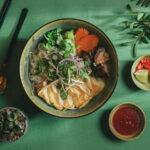
- Pho: chicken soup
- Green mango salad with seafood
- Grilled fish
This is the best choice if you want to understand how Vietnamese soups and fresh salads work together—light but layered, with lots of texture.
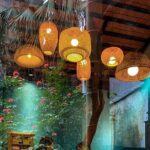
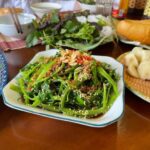
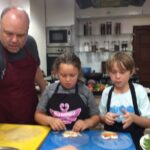
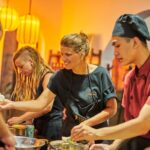
Vegetarian Menu
You don’t have to sit this one out if you eat vegetarian. The vegetarian set includes:
- Spring roll: fresh or fried
- Tofu with tomato sauce
- Eggplant with ginger sauce
- Dessert: che (Vietnamese traditional dessert) or egg coffee
If you’re vegetarian, this matters because it’s not just “missing meat.” The dishes listed are designed as a full meal flow, including dessert.
The Meal Part: What You Eat After Cooking
This tour isn’t one of those experiences where you cook a little, then leave. You get to feast after the prep, which is the whole point of cooking classes.
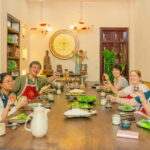
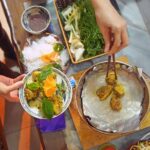
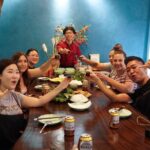
After your hands-on work, you’ll eat the creation your group prepared, and you’ll also enjoy other dishes cooked by the professional chef. That’s a big deal for learning. Seeing one person’s expert approach to additional dishes helps you compare techniques and understand how recipes scale up in real Vietnamese kitchens.
Food-wise, you can expect lunch or dinner depending on the session time. The program includes both meals in the tour inclusions, and practically that means:
- Morning usually lines up with lunch
- Afternoon lines up with dinner
On top of the food, you’ll be offered local wines as part of the meal experience. If you’re cautious with alcohol, you can at least plan your pace, and if you have dietary needs, the tour notes that special requests are available when you inform them in advance.
What Makes the Instructors’ Approach Practical
The best part of this class is how it turns flavor into something you can reproduce. The market portion plus the structured cooking steps mean you aren’t guessing when you get home.
A specific name comes up often: Bon. People describe the chef/instructor as incredible and very informative in both the market walk and the class itself. That lines up with what you want from a cooking teacher—someone who explains ingredients and shows you how to handle them.
Also, you’re not just cooking one dish. You’re typically part of the prep for multiple items and end up cooking several different dishes before you eat. That variety makes it easier to bring home skills, not just one recipe.
And the course design is friendly for home cooks. It’s “just not possible from a cookbook” because Vietnam’s cooking depends on fresh ingredients and correct flavor building, not only on exact measurements.
Price and Value: Why $50 Can Feel Like a Deal
At $50 per person, you’re paying for more than a meal. The pricing makes sense because it bundles the expensive parts of a food experience in one go.
Here’s what’s included:
- Round-trip transfer from your hotel (door-to-door)
- Local market tour
- English-speaking guide and experienced instructor
- Hands-on cooking practice
- Lunch and dinner tied to your session time
- Snacks, tea, coffee, and local wines
- Bottled water, plus small comforts like a cold towel
- Mobile ticket
For you, that means fewer extra costs and less coordination. In many cities, a market tour plus a guided cooking class would cost more once you factor in transportation and the fact that your meal includes what you cooked plus extra dishes.
So the “value” angle isn’t about cheapness. It’s about getting a guided, structured, food-filled experience where you leave with skills—and a full stomach.
Transport, Timing, and Group Size: The Easy-Button Factor
This is one of the smoother experiences to fit into Hanoi because pickup and drop-off are included. Your hotel is the meeting point, and you get round-trip transport from your accommodation.
The practical catch is the one you should watch: pickup is only from in-city central area hotels. If your hotel is outside that zone, you’re expected to inform the provider so they can confirm what’s possible. That’s not a problem—just a planning step so you don’t end up stuck at the curb.
You’ll also find it convenient that the tour is near public transportation, which helps if you end up needing a backup route.
The max 8 travelers group size matters here too. With a small group, transfers stay calmer, and the cooking environment remains hands-on instead of chaotic.
Who This Cooking Class Is Best For (and Who Should Think Twice)
This experience is a great match if:
- You want a real Hanoi food lesson, not only sightseeing
- You like cooking and want repeatable skills for home
- You’re traveling with someone who wants a shared activity that still feels like Vietnamese culture
- You want a guided experience that still feels flexible and interactive
It’s also a solid choice if you’re on a tighter schedule. Two time slots cover both morning and late afternoon/dinner hours, and the whole thing is about 5 hours.
You might think twice if:
- Your hotel is outside Hanoi’s in-city central pickup area and you don’t want to coordinate a different meeting point
- You don’t eat fried foods or you prefer to avoid items like fish sauce-based dishes (the menu can vary by option, and local wines are part of the experience)
Good news: special food requests are possible, including allergies and preferences, as long as you tell them in advance so they can confirm ingredient substitutions.
Should You Book This Hanoi DIY Vietnamese Cooking Class?
If your goal is to go beyond “I ate pho in Hanoi” and come home able to cook something real, this is an easy yes. You get market shopping for context, hands-on cooking for skill, and a full meal at the end for reward. The small group size also makes it feel like you actually learn, not just participate.
The main decision factor for you is logistics: make sure your hotel falls in the central area pickup zone. If it does, the $50 price is a strong value because it includes transport, instruction, market time, and a meal that matches the cooking you did.
If you’re comfortable with that, book it—then go in with curiosity. Ask what ingredients do, not only how to cook them. That’s where the class pays off.
FAQ
What dishes will I learn to cook in this class?
You’ll learn Vietnamese classics such as pho (noodle soup), bun cha (barbeque pork with noodles and fish sauce), and nem (fried spring rolls). The exact set can vary by option, including pho or bun cha choices, plus salads and fish or vegetarian dishes.
Is there a vegetarian option?
Yes. A vegetarian menu is offered, including spring rolls (fresh or fried), tofu with tomato sauce, eggplant with ginger sauce, and dessert such as che or egg coffee.
Does the price include hotel pickup and transport?
Yes. Round-trip transfer from your city accommodation is included, and your hotel is the meeting point. Pickup is noted as only available for hotels in Hanoi’s in-city central area.
How long is the experience and what time slots are available?
There are two sessions: a morning class from 9:00 to 13:30 and an afternoon class from 15:30 to 20:00. Duration is listed as approximately 5 hours.
What’s included besides cooking?
Included items cover the local market tour, welcome drink, cold towel, bottled water, snack, tea and coffee, local wines, and lunch and dinner. You’ll also have an English-speaking guide and an experienced instructor.
Can you accommodate allergies or special dietary requests?
Yes. Special food requests are available for allergies or preferences, as long as you let them know in advance so they can confirm substitutions and ingredients.