REVIEW · PANAMA CITY
Embera Village Cooking Class with Gatun Lake Boat Safari
Book on Viator →Operated by Panama Day Trips · Bookable on Viator
Two boats, one living culture, one day in Panama. I love the small-group setup (15 or fewer) and the way you get both a canoe safari and a hands-on meal with an Embera cooking class. You’ll travel from Panama City through Chagres National Park, stop for wildlife on the water, meet hosts at the village, then end back in the city with a full plate and stories that actually fit what you saw.
The one catch: you should plan on getting wet. Expect splashes during the canoe ride and some walk-through-on-the-way moments, so skip delicate shoes and dress for water.
In This Review
- Key things I’d circle on your day
- From your Panama City hotel to Gatun Lake’s quiet docks
- Gatun Lake boat safari: the “warm-up” that helps you enjoy the main ride
- Entering Chagres National Park by motorized dugout canoe
- The Embera welcome: dance, presentation, and a real introduction
- Cimarron village and the kitchen setup for traditional recipes
- Lunch in papaya leaf style: practical comfort in the middle of a travel day
- Temporary tattoos and crafts: souvenirs with a little more meaning
- The return: canoe back down and wildlife on the islands
- Guides make or break the day: look for the people who explain what you’re seeing
- Price and value: why $144 can feel fair (or not)
- Who should book this Embera cooking class canoe safari
- Should you book it?
- FAQ
- How long is the Embera Village cooking class and boat safari?
- Is pickup included from my hotel in Panama City?
- What should I wear or bring for the canoe ride?
- What’s included with the lunch?
- Is the tour small-group size limited?
- Is the tour guided in English?
- Can I get temporary tattoos or buy crafts?
- What is the cancellation policy?
Key things I’d circle on your day
- A 15-or-fewer group makes it easier to ask questions and move at a human pace
- Two water legs: a short Gatun Lake boat stop plus the Chagres River dugout canoe
- Cooking class lunch served as a 5-course meal, not just a quick bite
- Village welcome + dance so you understand culture in context, not as a photo op
- Temporary tattoos and crafts if you want souvenirs that go beyond trinkets
From your Panama City hotel to Gatun Lake’s quiet docks
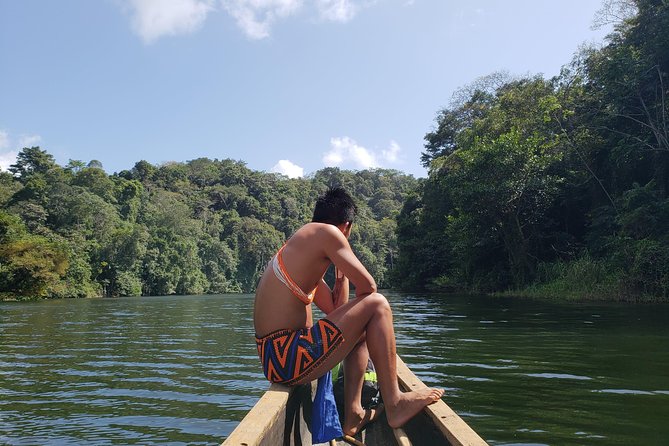
This tour is built for people who want more than city highlights. You start with pickup from selected Panama City hotels, then ride in an air-conditioned minibus with a small group. Because you’re leaving the city for nature and a community visit, timing matters, and traffic can be part of the story.
Your first water stop happens on the banks of Lake Gatun, at Puerto Providencia. You’ll hop on a boat for about 30 minutes, and admission to that part is included. The vibe here is different from the big cruise-ship ports: you’re on water surrounded by jungle, and you can feel the day shifting from “tour day” to “river day.”
If you’re staying near Amador Causeway, Clayton (City of Knowledge), or Playa Bonita, free pickup may not be offered due to heavy traffic. If that’s you, plan on separate transport (for an extra charge) or contact the operator ahead of time so your departure doesn’t get stressful.
Gatun Lake boat safari: the “warm-up” that helps you enjoy the main ride
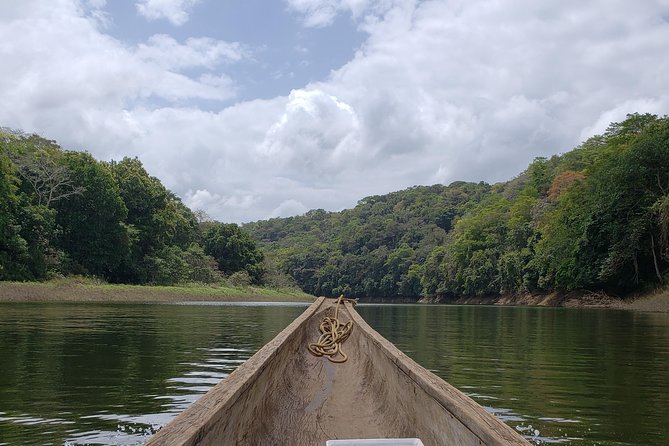
That short Gatun Lake boat segment is more than filler. It helps set your expectations for the rest of the day—this is a water-based experience, and you’ll be moving through a living ecosystem instead of touring from a single bus window.
Also, you’ll later return through waterways and pass islands with wildlife. Even if you only catch small moments—birds, glimpses of forest edges, the way the light hits the water—you get a smoother transition into the dugout canoe portion. In other words: you’ll understand the environment better before you fully enter it.
One practical note: the day includes time outdoors and you’re on boats more than once. Bring a little water-proofing for your phone if you’re the type who needs photos of everything (most of us are).
Entering Chagres National Park by motorized dugout canoe
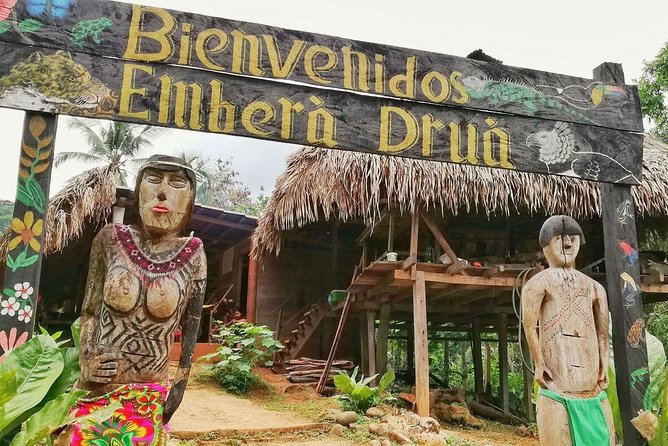
After Gatun, you head toward the Embera area and board a motorized dugout canoe for the ride up the Chagres River. This is the day’s main travel moment, and it’s also the most physical “get with it” part.
On the way, you’ll stop at an impressive waterfall inside the park. That break matters because it breaks the drive-and-go rhythm. It’s also the kind of spot where you’ll understand why people remember this day: you’re moving through dense forest and river corridors that feel far from Panama City.
And yes—the wet part is real. Expect water splashes into the canoe and likely some damp pant legs and shoes. If you’re thinking about wearing sneakers with clean white socks… don’t. Wear shorts, plan for wet, and if you’re comfortable with it, bring a bathing suit so you’re not miserable once the splashes start.
The Embera welcome: dance, presentation, and a real introduction
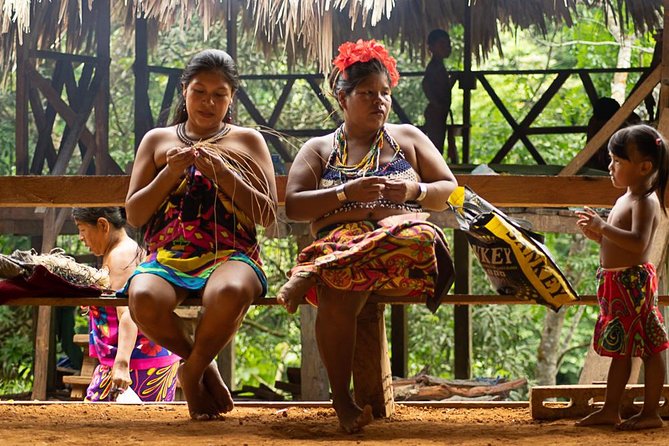
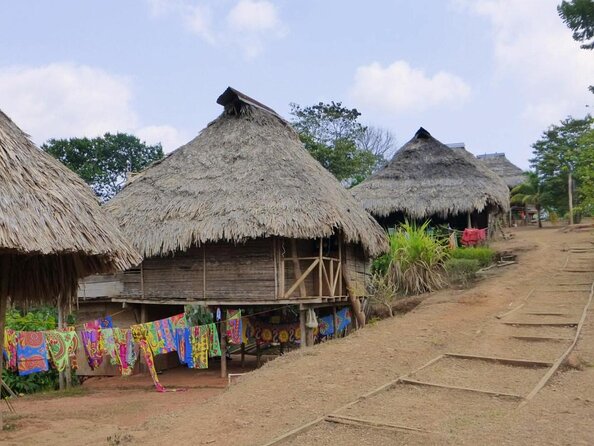
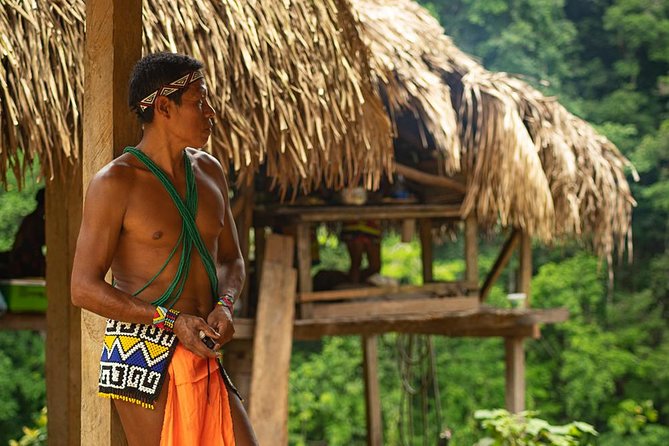
When you arrive at the Embera village area—Embera Drua, hosted through a community visit—you’ll be greeted with a traditional dance and a presentation about Embera culture and modern life in the forest. You’re not just walking around; you’re learning what you’re seeing and why it matters.
This is also where the experience becomes more personal. You’ll meet members of the tribe and have time to walk around and explore at your own pace. You can chat with locals, ask questions, and take photos if you’re invited. That unstructured time is often what makes the difference between a “watch” tour and an actual encounter.
A detail I really like: the day connects history, daily life, and what it means to live in a protected area. You may hear how being within a national park changed rules and daily living. That doesn’t have to turn the mood sour—it can give context for why some things look different than you imagined.
Cimarron village and the kitchen setup for traditional recipes
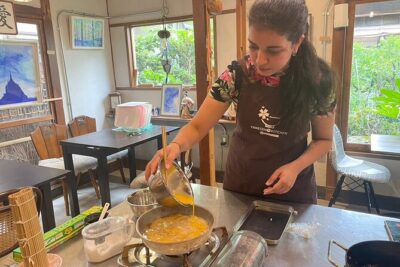
One of the strongest parts of the day is the cooking class portion. You’ll be brought to the village (often described as Cimarron for the cooking introduction) where a host—Xio is named in the experience flow—introduces the traditional recipes. This is where the tour earns its keep.
Instead of dropping you at a village and rushing you through, this part adds a skill-based angle. You get to see ingredients and understand how the meal comes together in local style. And then you eat what you helped learn about.
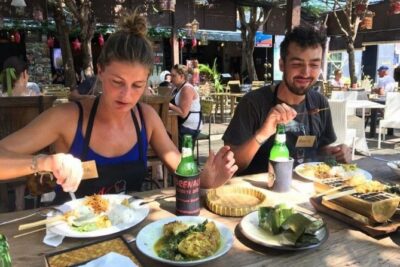
The menu is traditional and straightforward: fresh fruit, plantains, and fried fish. What’s different here is how it’s served—lunch and drink are described as a 5-course meal prepared in the cooking class. It’s filling, not a token plate, and you can taste the same ingredients that show up in everyday life.
Dietary needs can be discussed at booking. If you have restrictions or a sensitive stomach, tell the operator ahead of time so they can plan. (More on food sensitivity below.)
Lunch in papaya leaf style: practical comfort in the middle of a travel day
Eating lunch in the village setting is part of the cultural experience, but it’s also a real stamina checkpoint. You’re outdoors, moving from boat to boat, and walking a bit—so the meal gives you a reset.
Lunch is typically served in a natural setting (including papaya leaf-style presentation in the described flow) and comes with drinks. In addition, bottled water is provided during the tour. That matters because you’re not just eating; you’re recovering from sun, humidity, and time on the water.
One more reality check from people who’ve done it: if you have a sensitive digestive system, you might want to be cautious with heavier items like fried fish or plantains. There’s enough fresh fruit in the lunch spread that you can build your plate to match your comfort level.
Temporary tattoos and crafts: souvenirs with a little more meaning
After lunch, you’ll have options that go beyond just shopping. You can receive temporary traditional tattoos if you like, and you can shop for handicrafts.
I like this part when it’s treated as a conversation, not a transaction. Ask about materials and what the craft is used for. Even if you only buy a small piece, it helps you leave with something that connects to what you learned—not just a generic market item.
Also, keep your expectations realistic. This type of cultural visit can include elements designed for visitors. If you notice anything that feels too “performed,” focus on the people in front of you and the parts that are interactive—questions, dancing welcome, cooking lessons, and time spent walking through the village.
The return: canoe back down and wildlife on the islands
Heading back is mostly the same route in reverse. You step back into the canoe, and the water ride becomes less about anticipation and more about enjoying the scenery you may have missed on the way up.
On the way back, you’ll pass through islands with wildlife and return to Puerto Providencia, then board the bus back into Panama City. That wildlife window can be short, but it’s often the kind of moment where you realize the day wasn’t just one attraction—it was a whole river system you spent time with.
By the time you’re dropped off back at your hotel, you’ll feel like you did something “else”—not just a city tour with a scenic detour.
Guides make or break the day: look for the people who explain what you’re seeing
A big reason this tour earns strong marks is the hosting style of the guide. In the experience flow, names like Enrique, John, Jerin, and Jon come up as people who show up on time, communicate well, and add context on what you’re passing and what you’re seeing at the village.
Good guides do two things here: they handle the logistics so you don’t lose time, and they translate culture without turning it into a lecture. If your guide keeps the day moving but still gives you room to ask questions, you’ll get more out of the canoe and the village visit.
If you’re the type who likes details—where you are, why the waterfall stop matters, what Chagres National Park changes—this is the kind of day where the guide’s narrative helps you connect the dots fast.
Price and value: why $144 can feel fair (or not)
At around $144 for about 5 hours, the value depends on what you want from the day. Here’s why it can feel worth it:
- Round-trip transport from selected hotels plus air-conditioned minibus
- Included admission elements and two separate water-based segments
- A professional English-speaking guide
- Lunch plus drinks described as a 5-course meal cooked as part of the class
- Bottled water and time with a village host, including dance and a presentation
You’re not paying only for a single attraction. You’re paying for transportation out of the city, multiple water rides, and a full meal that’s part of the cultural exchange.
That said, this isn’t the cheapest way to spend a half day in Panama City. If you’re mainly chasing photos and don’t care about cooking, dance, or learning context, you might decide it’s too much. But if you want a complete experience—water travel, food, and people—this price tends to land in the “fair” zone.
Who should book this Embera cooking class canoe safari
This tour is a great match if you:
- Want a more personal day with a small group (15 or fewer)
- Like hands-on food experiences, not just sightseeing
- Don’t mind getting wet and would rather be comfortable than precious
- Enjoy culture explained through daily life—cooking, dance, and village hosting
It’s also a smart choice if you’re only in Panama City for a short time and still want to feel the country beyond the skyline.
You might reconsider if:
- You have major mobility limits (the tour calls for moderate physical fitness, and wet walking can happen)
- You have a very sensitive stomach and don’t feel comfortable with fish/plantains
- You hate unpredictable weather and would feel trapped if rain changes how much you can explore
Should you book it?
I’d book it if you want a full, structured half-day that still leaves room for genuine conversation. The best version of this tour is when you treat it like a day with hosts: ask questions, stay present during the dance and presentation, and enjoy the cooking class lunch as the centerpiece.
If you go, do two things to make the day smoother: pack like you’ll get wet (because you will) and be clear about dietary needs ahead of time. Do that, and this becomes one of the more memorable cultural days you can fit from Panama City.
FAQ
How long is the Embera Village cooking class and boat safari?
It runs about 5 hours (approx.).
Is pickup included from my hotel in Panama City?
Pickup and drop-off are included for selected hotels. If you’re staying near Amador Causeway, Clayton (City of Knowledge), or Playa Bonita, free pickup may not be offered and you may need separate transportation for an extra charge.
What should I wear or bring for the canoe ride?
Plan to get wet. Wear shorts, and bring a bathing suit if you want to be comfortable when water splashes into the canoe. Expect your shoes and pant legs to get damp.
What’s included with the lunch?
Lunch and drink are included as a 5-course meal prepared in the cooking class, with traditional foods like fresh fruit, plantains, and fried fish.
Is the tour small-group size limited?
Yes. The tour is capped at a maximum of 15 travelers.
Is the tour guided in English?
Yes. The tour is guided in English.
Can I get temporary tattoos or buy crafts?
Yes. You can receive temporary traditional tattoos if you want, and you’ll have the option to shop for handicrafts.
What is the cancellation policy?
Free cancellation is available. Cancel up to 24 hours in advance for a full refund; within 24 hours, refunds aren’t available.