REVIEW · HANOI
Hanoi Cooking Class with Local People
Book on Viator →Operated by BCFamilyTour.com · Bookable on Viator
The best souvenir from Hanoi might be what’s on your plate. This small-group cooking class takes you from market shopping to a family kitchen, with a local guide helping you talk with vendors and learn core Vietnamese cooking techniques.
I like the structure: you shop together, you cook together, then you eat what you make with hosts. You also get practical skills, not just a meal—think marinades, spice balance, and dish decoration.
One thing to consider: transportation and timing can feel more public and active than you’d expect. Some departures may include a public bus ride and walking across a major road during peak traffic.
In This Review
- Key Takeaways Before You Go
- Market Morning in Hanoi: Phrases, Shopping, and Street Ingredients
- From Shopping to the Kitchen: How the Cooking Class Really Works
- What You Cook and Eat: The Typical Hanoi Menu
- Value for $50: What You Get for a Half Day
- Logistics and Comfort: Timing, Pace, and What to Pack
- The Human Part: Hosts, Guides, and Real Conversation
- Should You Book This Hanoi Cooking Class?
- FAQ
- What time does the Hanoi cooking class start?
- How many people are in the group?
- Do we visit a market before cooking?
- What dishes are included in the sample menu?
- What drinks are included?
- Are recipe cards included?
- Is free cancellation available?
Key Takeaways Before You Go
- Market time with vendor talk: your guide teaches basic Vietnamese phrases so you can interact confidently
- Hands-on cooking at a local home: you cook from start to finish, not just watch
- Practical flavor lessons: learn how to build key Vietnamese tastes, including the fish-sauce based sauce
- Small group size (max 6): easier conversation with hosts and less crowding in the kitchen
- Photo opportunities and real family atmosphere: you’re welcomed and shown how daily life connects to food
- There can be road and transit bustle: wear comfortable shoes and be ready for active logistics
Market Morning in Hanoi: Phrases, Shopping, and Street Ingredients
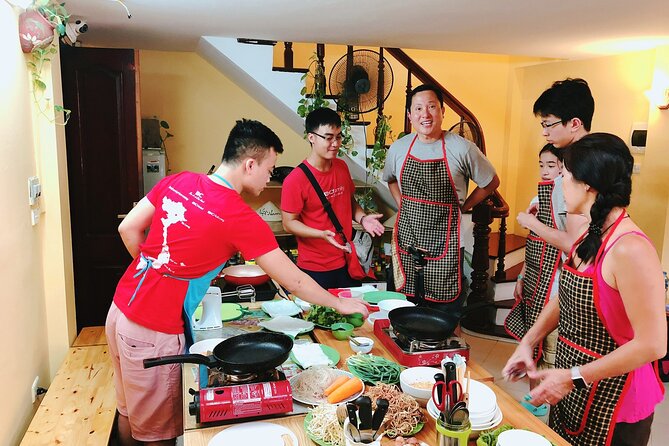
Your day starts at 8:00 a.m. with hotel pickup in the Hanoi Old Quarter. The goal is simple: get you into the food rhythm early, before it gets chaotic.
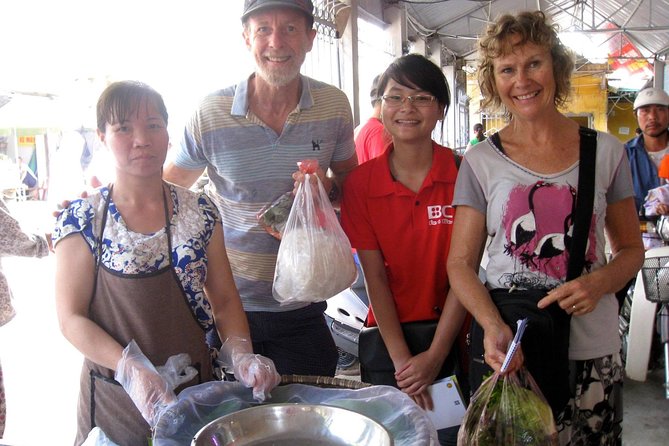
You’ll head to a market that’s close by, and this is where the experience becomes more than a cooking demo. Your guide helps you use basic Vietnamese language with vendors. Even a few useful phrases can turn a transaction into a conversation. It also helps you shop more thoughtfully because you understand what you’re buying and why.
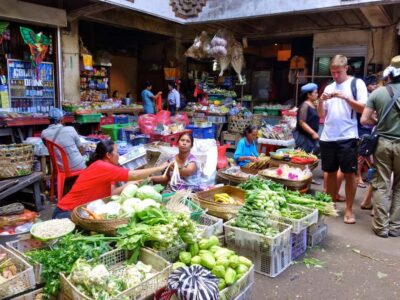
In the market, you’ll typically browse and purchase a mix of staples and fresh ingredients—herbs, spices, vegetables, meat, fish, and fruit. This matters because Vietnamese cooking depends on balance and freshness. If you’ve ever tasted a dish that just felt like it had the right “snap,” a lot of that comes from ingredients picked for flavor and texture, not just heat.
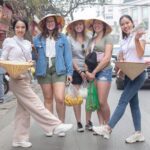
You’ll also see buying and selling routines that feel very local. There are often good photo moments here, but the real win is the human one: you’re watching people work, and your guide helps you translate the experience into something you can use later.
One practical note: based on how some groups are transferred, you might ride a public bus for part of the route and do some walking in busy traffic areas. If you’re sensitive to road crossings or you don’t like tight schedules, plan to keep your patience handy and keep water in your day bag.
You can also read our reviews of more tours and experiences in Hanoi.
From Shopping to the Kitchen: How the Cooking Class Really Works
Around 10:00 a.m., you return to the local home to cook. This is where the tour shifts from street learning to hands-on technique.
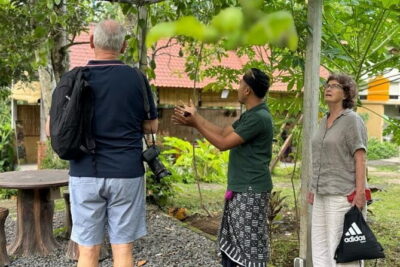
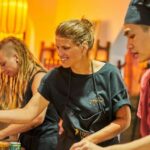
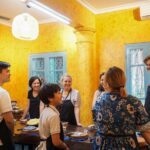
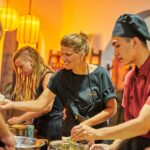
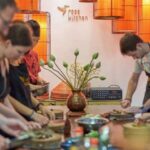
The hosts warmly welcome you and introduce their family members and daily life. You’re not just in a rented kitchen for a performance; you’re in someone’s space. That changes the energy. People tend to take more care when they’re feeding you in their own home.
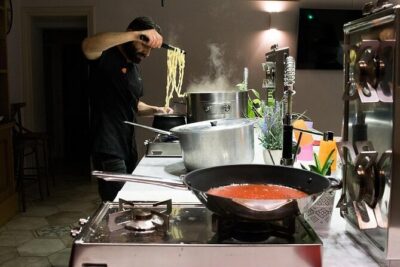
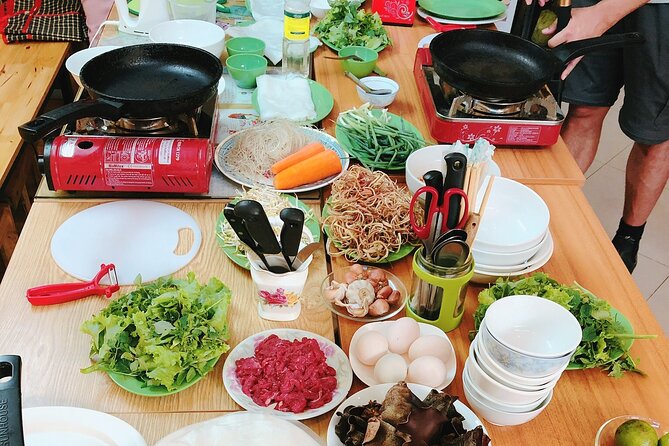
Then your guide takes you through the cooking flow from the beginning. You’ll learn core steps like how to marinate and how to spice food so it tastes right at the end, not just in theory. Marinades are one of the best places to gain repeatable skills, because they’re the backbone of flavor in many Vietnamese dishes.
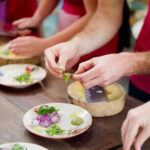
You’ll also learn how to decorate plates. Carrot “flowers,” lemon grass stems, banana leaves, and curved chili shapes aren’t just for Instagram. They teach portion control and plating style, and they help you understand that Vietnamese food is visual as well as flavorful.
One fun detail is the way the class explains an important sauce. You’ll make a sauce based on fish sauce with water, sugar, lime, chili, garlic, and herbs. The lesson here is balance: salty from fish sauce, brightness from lime, sweetness from sugar, heat from chili, and aroma from garlic and herbs. Once you understand that formula, you can adapt it to what you like and what you can find at home.
What You Cook and Eat: The Typical Hanoi Menu
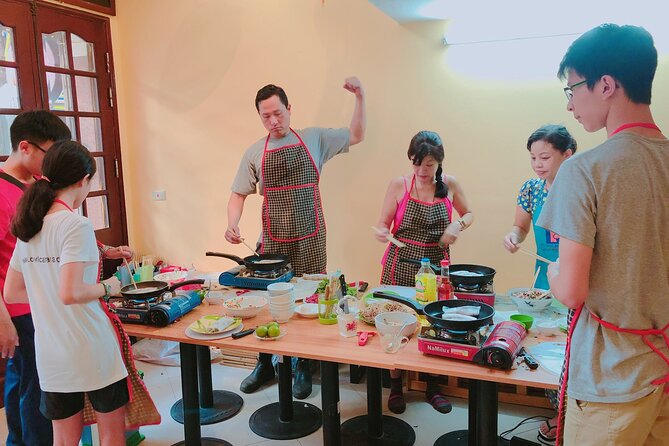
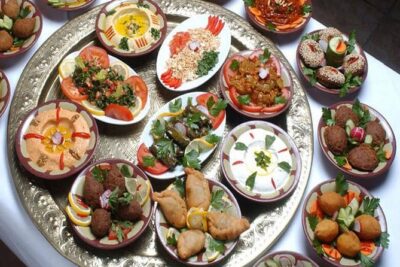
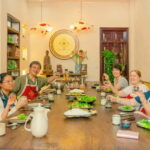
By 12:00 p.m., you sit down to enjoy what you made. This is not a tasting of tiny bites. The meal is built from a typical Hanoi set, and it usually includes:
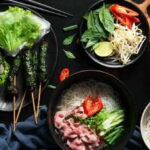
- Phở cuốn: fresh spring roll with rice noodle rolls, often paired with grilled beef and herbs
- Nộm: a Hanoi specialty salad
- Nem Rán: Vietnamese fried spring rolls
- Seasonal vegetables, rice noodles, and fresh fruit dessert
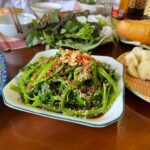
What I like about this menu is that it covers key textures. You get the chew and softness of rice noodles, the crunch and herbs in the salad, and the crispy comfort of fried spring rolls. That’s a smart range for a half-day class because it trains your palate, not just your knife skills.
You’ll also get drinks with the meal. The tour includes local beer or local wine, plus other options like soft drink, coffee, and fresh green tea. So even if you’re not a beer drinker, you still have a comfortable choice.
Dessert is usually simple but satisfying: fresh fruits. It’s a good finish because it cleans the palate after fried food and chili-forward flavors.
Value for $50: What You Get for a Half Day
At $50, this is priced like a true local experience rather than a high-end cooking show. The value comes from three things:
- You’re learning a repeatable process (market → prep → marinade → cook → plate).
- You’re eating a full local menu with hosts, including drinks.
- You’re getting take-home recipe cards so you can recreate at least parts of the dishes later.
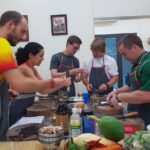
Also, the group stays small—up to 6 travelers. That matters more than you might think. With fewer people, guides can manage questions better, and hosts can guide you through steps without rushing.
If you’re comparing this to cooking classes that mainly focus on entertainment or a quick assembly line, the difference is that you’re doing the work. You get instruction in how to build flavor and how to decorate dishes so they look like Hanoi food, not just “food with effort.”
Logistics and Comfort: Timing, Pace, and What to Pack
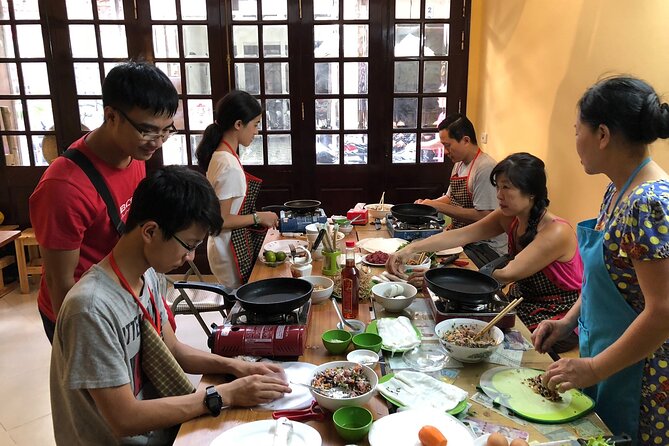
This tour runs about 5 hours. It’s tight in a good way, especially if you want Hanoi flavor without losing your whole day.
The schedule is also clear:
- 8:00 a.m. hotel pickup
- Market time and basic phrase coaching
- Return around 10:00 a.m.
- Cook, then eat around 12:00 p.m.
- Drop-off back to your hotel afterward
Comfort is your friend here. Even if the cooking portion is mostly indoors, the morning can include walking in crowded areas and possible road crossings during transit. Wear shoes you can stand and move in. Keep your hands free for photos and your tote light so you’re not fighting bags while shopping.
If you’re prone to motion sickness, give yourself a cushion. One review noted a public-bus segment, which is the kind of detail that can affect comfort on a morning schedule.

The Human Part: Hosts, Guides, and Real Conversation
This is the best reason to book. Cooking classes are everywhere, but a class in a local home with warm hosts changes the vibe.
Some guides bring a personal connection that makes the day feel more like visiting relatives than following a script. For example, one guide named Luisa took a solo guest to her aunt and uncles place, did market shopping for ingredients, then cooked a full meal together as a family-style experience. That’s the kind of detail that usually means you’ll get a friendlier atmosphere and more conversation, especially around food choices and daily life.
Language-wise, the tour includes an English speaking Vietnamese guide. One review noted that only the guide spoke English while other family members were still friendly and hospitable. Don’t worry about that. Body language, food, and smiles do a lot of work. If you speak a little Vietnamese, even better, but you don’t need much beyond the basic phrases your guide teaches.
A small group also helps the conversation stick. You’ll likely talk about ingredients, cooking habits, and what everyday Hanoi eating looks like.
Should You Book This Hanoi Cooking Class?
You should book if you want:
- A half-day activity that teaches real technique, not just a meal
- Hands-on cooking at a local home
- Market shopping with help practicing basic Vietnamese phrases
- A manageable group size of up to 6
- A full Hanoi-style menu, plus recipe cards to take home
You might skip or choose a different option if:
- You dislike active morning logistics like walking in traffic or riding public transport
- You need a very controlled, private-vehicle style of comfort
- You want a class that is purely cooking-focused with minimal interaction
For most people, this hits a sweet spot: you learn, you eat well, and you leave with both recipes and a better sense of how Hanoi food comes together. If you’re game for a lively morning and you like meeting people through food, this is a smart value at $50.
FAQ
What time does the Hanoi cooking class start?
The pickup in the Hanoi Old Quarter starts at 8:00 a.m., with the day running for about 5 hours total.
How many people are in the group?
The tour has a maximum of 6 travelers, which keeps the experience more personal.
Do we visit a market before cooking?
Yes. You’ll shop for ingredients at a local market with your guide and practice basic Vietnamese phrases with vendors.
What dishes are included in the sample menu?
The menu includes items like phở cuốn (fresh spring roll), nộm (Hanoi specialty salad), nem rán (fried spring rolls), seasonal vegetables, rice noodles, and fresh fruit dessert.
What drinks are included?
You’ll get free drinks with the meal, including Hanoi beer, local wine, soft drink, coffee, and fresh green tea.
Are recipe cards included?
Yes. You’ll receive a step-by-step recipe booklet/cards to take home.
Is free cancellation available?
Yes. You can cancel for a full refund up to 24 hours before the experience start time. After that point, refunds are not available.