REVIEW · HANOI
Market Tour & Cooking class in Ha Noi City
Book on Viator →Operated by Happy Tour · Bookable on Viator
A market tour can change how you eat. This Hanoi class mixes Old Quarter ingredient shopping with a hands-on cooking session led by an English-speaking team, so you learn what goes into Vietnamese dishes and why. I love the chance to get small-group attention while you shop, cook, and ask questions, and I also love the practical payoff: a filling meal based on what you buy yourself.
One thing to consider: parts of this kind of experience can vary by route, including add-ons that involve short boat time and small extra charges. If you’re sensitive to detours or want the focus to stay strictly on food, I’d confirm the day’s exact plan when you book.
In This Review
- Key points to know before you go
- Entering Hanoi through the Old Quarter market
- A quick reality check
- How the guide turns herbs and spices into teachable moments
- The 5-dish cooking flow that keeps you active
- What you should pay attention to
- Vegetable village and garden stops: why it matters for flavor
- A practical reason to care
- Egg coffee in the middle of the meal plan
- Small-group size: the real “premium” you’re paying for
- Who benefits most from the small group
- Price and value: why $45 can work (if you use it right)
- Logistics in Hanoi: where to meet and how to arrive
- Tips to get more out of the market-and-cook format
- Should you book this Hanoi market and cooking class?
- FAQ
- How long is the market and cooking class?
- What’s included in the price?
- What should I pay for separately?
- Where do I meet the group?
- Is it a small group?
- Is the tour taught in English?
- Is egg coffee definitely part of the experience?
- What if the weather is bad?
- Cancellation policy (quick view)
Key points to know before you go
- Old Quarter market trip with useful food vocabulary so you can actually shop (and bargain) for the right ingredients
- English-speaking chef and guide support to reduce the language barrier while you learn herbs and spices
- Hands-on cooking for a 5-dish menu plus a recipe book to take home
- A produce-gardening/vegetable stop to see where herbs and vegetables come from, not just what they taste like
- Ha Noi egg coffee included as a classic sweet finish while your meal is being served
Entering Hanoi through the Old Quarter market
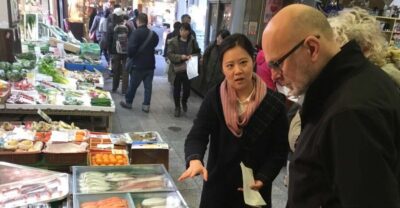
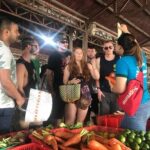
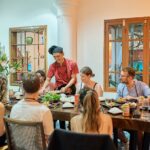
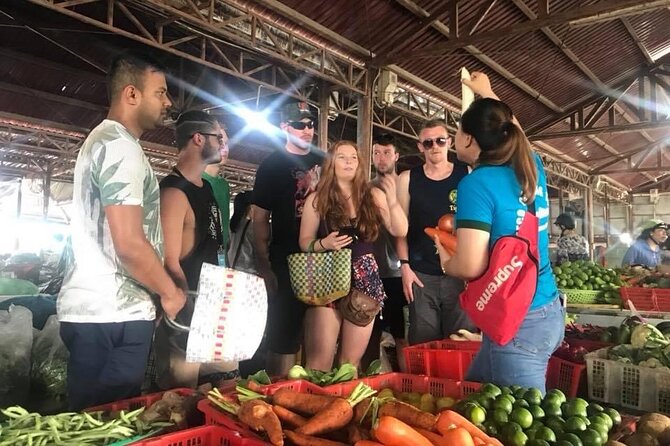
The day starts with a local market walk in Hanoi’s Old Quarter, which is exactly where you want to be if you want Vietnamese food to make sense fast. You’ll go with a guide who helps you connect names on stalls to ingredients in real dishes, including the herbs and spices that often get skipped when you only rely on restaurant menus.
What I like here is the shopping skill you pick up. You don’t just look—you buy. The guide gives you key Vietnamese words so you can point, ask, and bargain for what you need, even if your language skills are basic. It’s one of those small confidence boosts that makes the whole meal feel more personal, like you didn’t just show up—you contributed.
Also, the market isn’t treated like a photo stop. The guide explains what ingredients do in Vietnamese cooking, so when you’re later holding a knife and tasting sauces, you have a reason behind the flavor. If you’ve ever wondered why one noodle bowl tastes like it has a secret, this kind of ingredient-focused approach helps you spot what’s driving the taste.
You can also read our reviews of more tours and experiences in Hanoi.
A quick reality check
Because the class blends food and local life, you’ll want to be comfortable walking and standing. The session is only about three hours, so the pace stays lively. And if you’re the type who hates surprises, ask the guide ahead of time what the day includes beyond the cooking kitchen.
How the guide turns herbs and spices into teachable moments
Once you’ve gathered ingredients, you head back toward the cooking space and the learning starts in a very practical way. You’ll hear the dishes’ principles and general methods first—how flavors are built, how herbs are used, and how Vietnamese cooking balances fresh, savory, salty, and fragrant notes.
This is where the class really earns its value. Instead of giving you one static recipe, you’re shown how the chef thinks. That matters because Vietnamese dishes often rely on herbs you can’t easily substitute with common Western pantry items. Having context makes it easier to recreate at home without turning everything into a guess.
The experience also leans on English support. The cooking is led by an English-speaking chef, and the guide’s role is to help you understand what’s happening as you go. In past classes, guides like Anna and Hon have been singled out for making market herbs, vegetables, and spices easier to understand. Even if your cooking style is more “follow the steps” than “invent flavors,” the explanation helps.
And yes, you’ll get to taste as you cook. This is important: Vietnamese food doesn’t always taste like you expect until you adjust. When you’re guided to taste and correct, you learn faster than if you only watch.
The 5-dish cooking flow that keeps you active
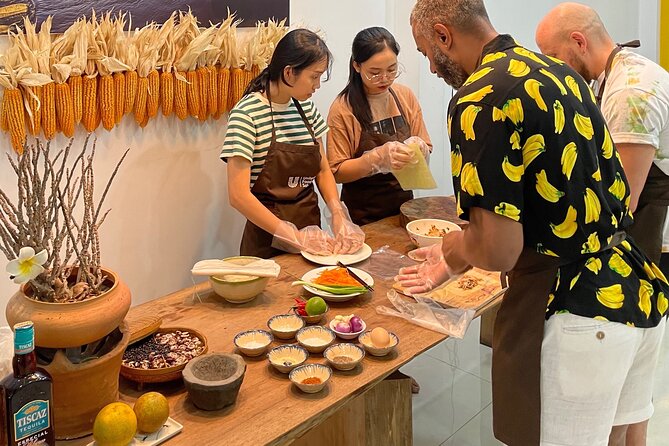
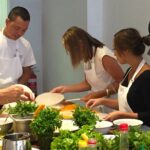
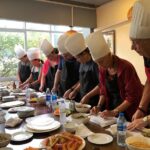
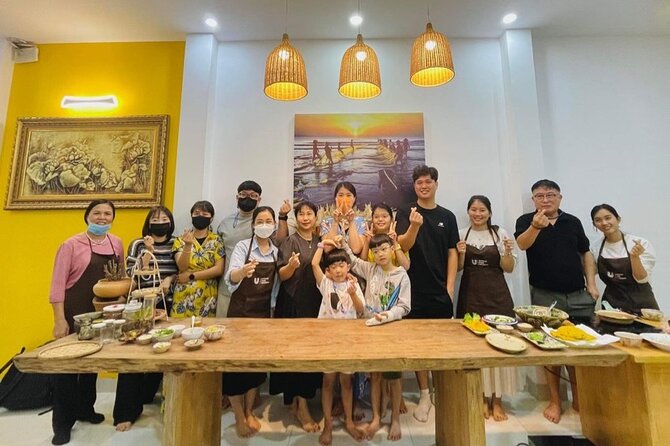
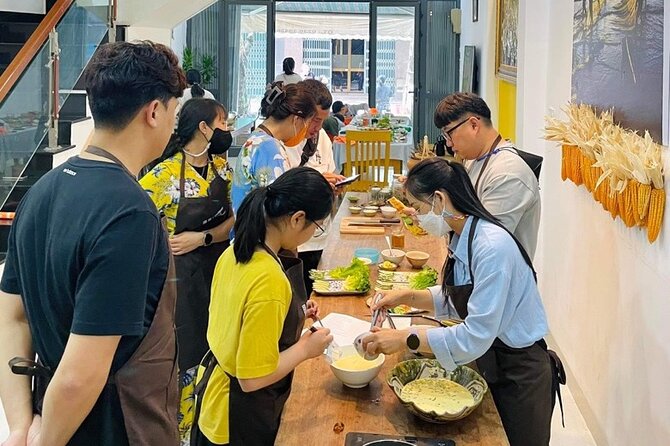
A cooking class can go one of two ways: you stand around while someone else works, or you actually cook. This one aims for the second. After the chef demonstrates how foods are prepared, you cook yourself as the session moves through the menu.
You’re looking at a 5-dish menu over roughly 3 hours, which is a tight schedule. That time pressure is a good thing if you want a real food experience, not a slow demo. Expect a structured flow—listen, watch, then get hands-on—so you leave with both skills and a meal that feels like it came from you.
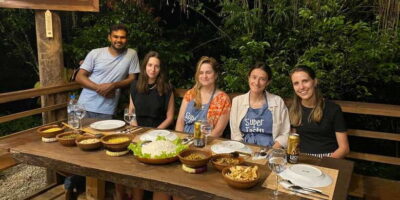
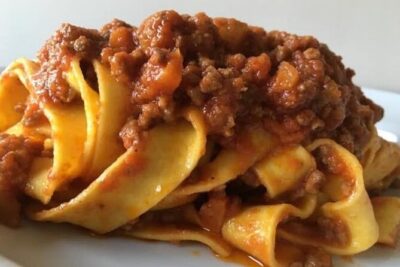
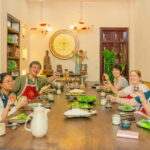
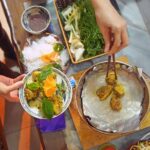
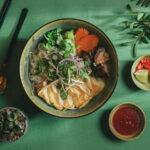
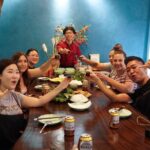
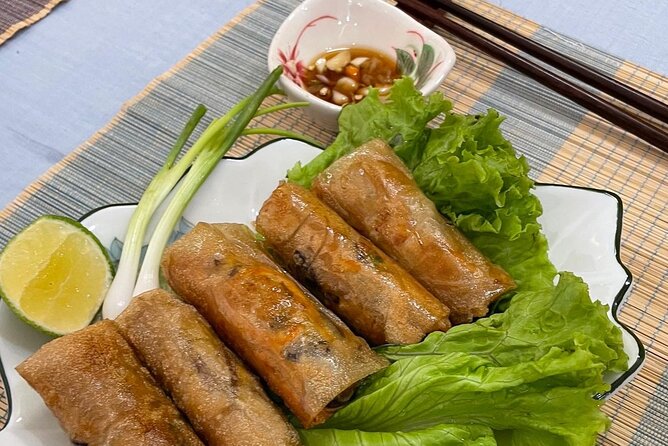
Here’s what makes it feel complete: the class doesn’t end at the stove. You feast on the fruits of your labor afterward, and a traditional meal is included. So even if you’re not a confident cook, you should still get a satisfying table at the end.
What you should pay attention to
If you want to bring the knowledge home, focus on two things while you cook:
- Herb timing (when something fresh gets added, versus cooked or blended)
- Sauce balance (how Vietnamese flavors get adjusted through salty and fragrant elements)
Those are the spots where most people need the coaching. When you get it right, the dish tastes like what you ate during the class—and that’s the whole point of doing this instead of just eating.

Vegetable village and garden stops: why it matters for flavor
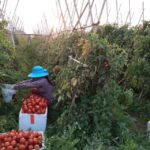
The class includes a stop connected to a vegetable village / farm-garden experience, where you can see how produce and herbs are grown. This part changes your perspective because you’re not just tasting ingredients—you’re seeing their origin and how fresh herbs actually reach kitchens.
In past versions of this experience, people have highlighted an organic garden feel and an easy, relaxed way to taste produce along the route. Even when the stop is short, it gives you a mental link between fields and plates.
A practical reason to care
When you understand how herbs and vegetables are grown and harvested, you cook differently at home. You start to appreciate freshness, and you’re less likely to treat herbs as decorative afterthoughts. Vietnamese cooking uses herbs as flavor, texture, and aroma all at once, so seeing them as real ingredients pays off immediately.
Egg coffee in the middle of the meal plan
Yes, you get Ha Noi egg coffee included. This isn’t an afterthought tossed in at the end like a random snack. It’s part of what makes the experience feel anchored in Hanoi.
Egg coffee is creamy and usually served in a distinctive style, and it pairs well with the rhythm of the class: market walk, ingredient prep, cooking, and then a classic local drink as you wrap up. It also gives you an easy souvenir memory—something specific to Hanoi that you can tell friends about.
If you’re coffee-sensitive, still consider trying it, but ask about alternatives if the chef can adjust. The booking details do not mention non-coffee options, so it’s worth clarifying on the day.
Small-group size: the real “premium” you’re paying for
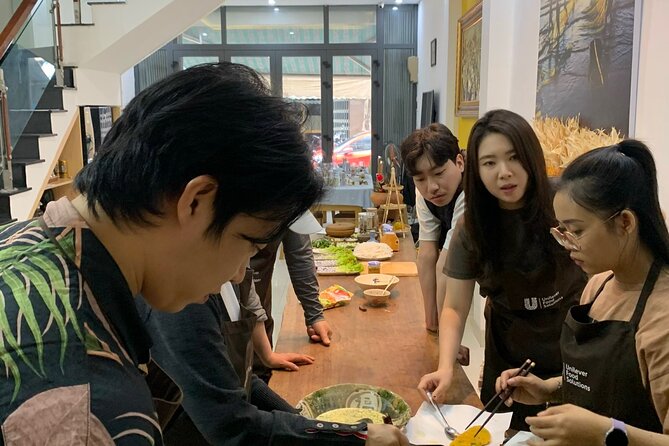
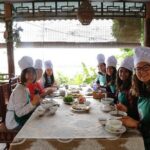
This experience caps at 10 travelers, and that’s not a throwaway detail. In a market-and-cooking day, small groups matter because you need space for questions and time to move between stalls and stations.
With fewer people, your guide can explain what you’re looking at instead of rushing. Your chef can check how you’re chopping, mixing, and tasting. That’s the difference between leaving with photos and leaving with actual know-how.
English support also improves with small groups. It’s easier for the chef to slow down when you need clarification, and easier for you to ask what something means without feeling lost.
Who benefits most from the small group
- Food lovers who want to ask why a flavor works
- Travelers who want a local guide’s help cutting through language barriers
- Anyone who likes cooking but doesn’t want a stressful, advanced class
Price and value: why $45 can work (if you use it right)
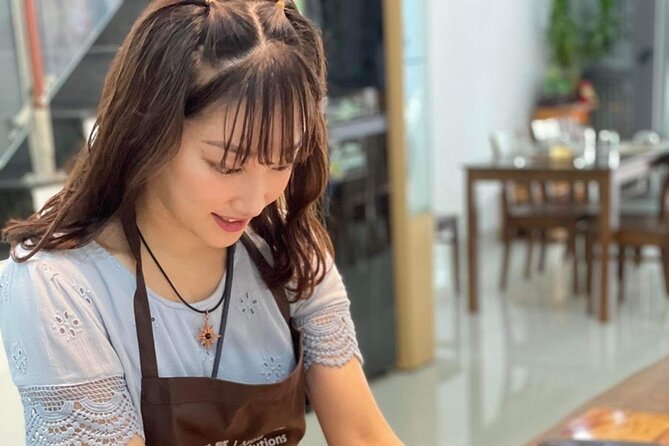
At $45 per person, the value equation looks strong for what’s included:
- Local market trip
- 5-dish menu cooking class
- English speaking chef
- Recipe book
- Traditional meal
- Ha Noi egg coffee
- A guide who helps with ingredient shopping and bargaining basics
What you don’t get: drinks, and there’s no pick up or drop off. You’ll also have any personal expenses not mentioned.
So how do you judge whether it’s worth it? I’d say it depends on your goal:
- If your goal is learning ingredients and technique, this is a great deal because you get both the meal and the instruction.
- If your goal is only to eat without caring about cooking, you might decide it’s more than you need.
My advice: come ready to participate. This class rewards curiosity—ask what’s in a sauce, learn the herb names, and taste with intention. If you do that, $45 feels like a bargain instead of a cost.
Logistics in Hanoi: where to meet and how to arrive
Meeting point is at 8 P. Gia Ngư, Hàng Bạc, Hoàn Kiếm, Hà Nội 08404, Vietnam. The class ends back at the meeting point, so you don’t have to worry about finding your way afterward.
The day also notes that it’s near public transportation, which is helpful in Hanoi where traffic can be chaotic. If you plan to use rideshare or taxi, aim to arrive a few minutes early. Market-style tours can’t always pause for late arrivals.
Also, the day uses a mobile ticket, so you’ll want your phone charged. Service animals are allowed, and most travelers can participate, which is reassuring if you’re wondering whether this will be too physically demanding.
Tips to get more out of the market-and-cook format
This style of tour is short, so small choices help you get more from it.
Bring:
- Comfortable shoes for standing and walking in the market area
- A curious mindset. You’ll be learning ingredient names and functions
Do:
- Watch your guide’s pace. If they pause to explain herbs, take it seriously—it’s often the part that makes your cooking taste better later.
- Use the Vietnamese word help. Even a few correct words makes shopping smoother and more fun.
If you want to avoid a mismatch in expectations, pay attention to the city wording in your confirmation. The provided information includes both Hanoi and Da Nang in different parts, so double-check that your day is clearly planned for Hanoi before you leave. The meeting point listed is in Hanoi, so your in-person experience should align with that.
Should you book this Hanoi market and cooking class?
Book it if you want a Hanoi food experience that teaches you more than you can get by simply eating. This one is built around ingredient shopping, hands-on cooking of a 5-dish menu, and a guided explanation of herbs and spices that are central to Vietnamese cooking. Add in the included egg coffee and the small-group cap, and the day feels efficient and genuinely worth it.
Skip it or reconsider if you dislike active participation. The class works best when you cook and taste along the way. If you’re only looking for a meal with minimal involvement, you may find better value elsewhere.
If you want a first-timer-friendly way to understand Vietnamese flavors, this is a strong choice—especially if you’d like to leave with a recipe book and the confidence to shop for ingredients like a local.
FAQ
How long is the market and cooking class?
It runs for about 3 hours.
What’s included in the price?
The price includes a traditional meal, a 5-dish menu cooking class, an English-speaking chef, a recipe book, a local market trip, and Ha Noi egg coffee.
What should I pay for separately?
Drinks are not included, and pick up and drop off are not included. You’ll also cover any other personal expenses not mentioned.
Where do I meet the group?
You start at 8 P. Gia Ngư, Hàng Bạc, Hoàn Kiếm, Hà Nội 08404, Vietnam. The activity ends back at the meeting point.
Is it a small group?
Yes. The experience has a maximum of 10 travelers.
Is the tour taught in English?
Yes. The chef is listed as English speaking, and the guide support is designed to help with understanding ingredients and shopping.
Is egg coffee definitely part of the experience?
Yes. Ha Noi egg coffee is listed as included.
What if the weather is bad?
This experience requires good weather. If it’s canceled due to poor weather, you’ll be offered a different date or a full refund.
Cancellation policy (quick view)
Free cancellation is available up to 24 hours in advance for a full refund. Canceling within 24 hours does not receive a refund.