REVIEW · POSITANO
Positano: Pasta & Tiramisu Cooking Class at a Local’s Home
Book on GetYourGuide →Operated by Cesarine · Bookable on GetYourGuide
Fresh sfoglia, in a real home kitchen. This Positano pasta & tiramisu cooking class is a hands-on, small-group afternoon with an Italian home cook from Cesarine—plus a warm start with prosecco and nibbles.
I love the straightforward focus: you don’t just watch—you roll pasta by hand and learn how to build two classic pasta preparations from scratch. I also like the way the meal feels like part of the day, not an add-on: you taste what you make with wine or prosecco, then finish with tiramisu.
One thing to think about: it’s held in a private home about 3–6 km from Positano, and you only get the full address after booking (privacy rules). If you’re relying on walking or you need wheelchair access, plan ahead.
In This Review
- Key things that make this class worth your time
- Why a Cesarine home-cook class feels different in Positano
- What you do during the 3-hour session
- Aperitivo warm-up: prosecco and nibbles
- Learning fresh pasta: rolling sfoglia by hand
- Making two iconic pasta types from scratch
- Tiramisu: the sweet finish (and part of the tasting)
- Eating what you made with wine or prosecco
- The hosts: where the fun actually comes from
- Value and price: what $243.56 per person really includes
- Getting there: the private home address and the 3–6 km distance
- Language and pace: Italian instruction with English support
- Is this class for you? Who should book it
- Should you book the Positano pasta and tiramisu class?
- FAQ
- Where is the cooking class held?
- How long is the experience, and how big is the group?
- What food and drinks are included?
- Do I need to speak Italian?
- Is it wheelchair accessible?
- Can I cancel if my plans change?
Key things that make this class worth your time
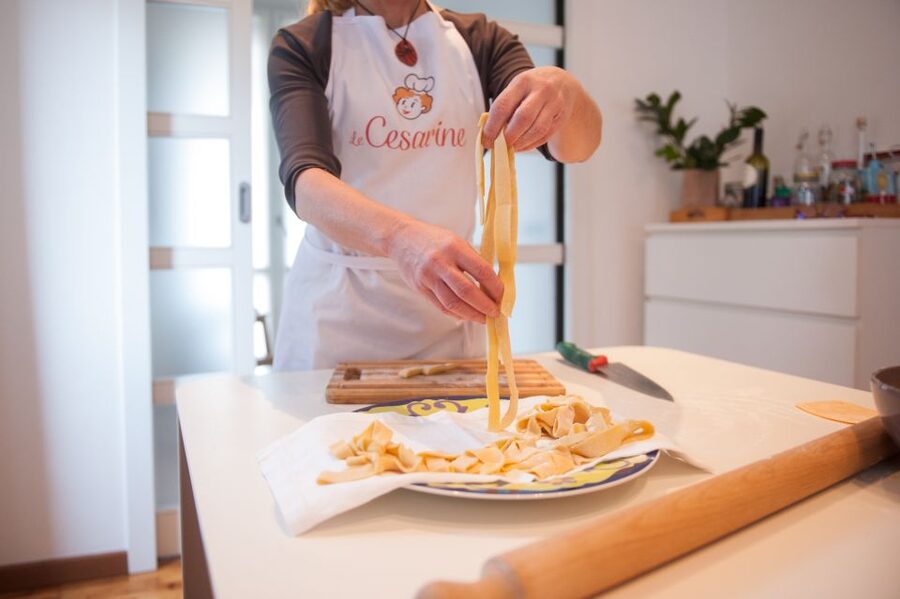
- Hand-rolling sfoglia: You learn the pasta technique with guidance, not a machine-and-pretend setup.
- Two pasta types, not just one: You’ll make and then taste two iconic pasta recipes alongside your dessert.
- Tiramisu, done the Italian way: Dessert is not a side quest; it’s a taught skill and part of the tasting.
- Small-group limit (10 people): More elbow room, more questions answered, less “stand in line and hope.”
- Cesarine home-cook experience: The oldest Italian network of home cooks, available in 500+ cities, invites you into real family-style cooking.
- Aperitivo first: Prosecco and nibbles help you settle in before flour goes everywhere.
Why a Cesarine home-cook class feels different in Positano
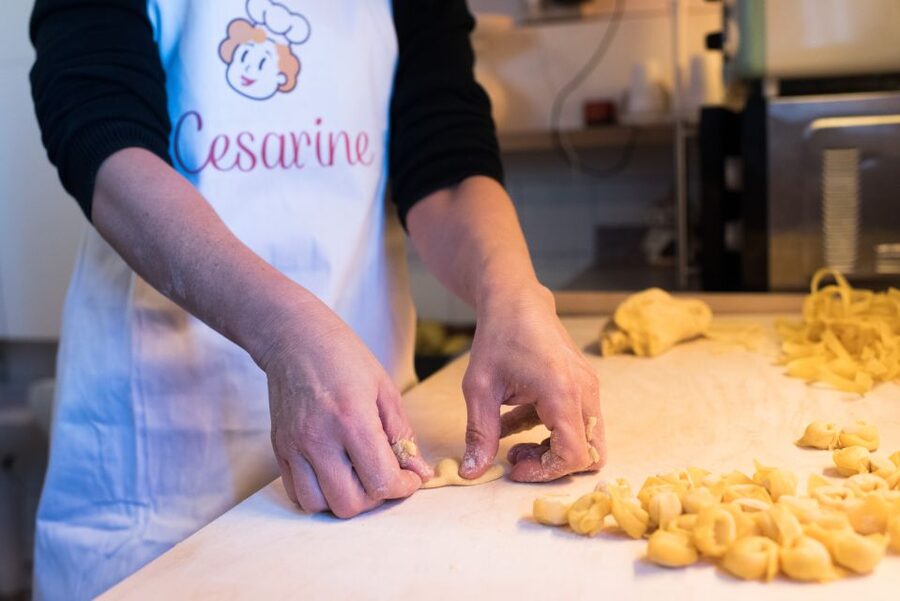
Positano is beautiful, but it’s also easy to burn your time on the postcard stuff—stairs, views, crowds, and the same menu photos everywhere. This is the opposite mood. You’re spending a few hours in a local home kitchen 3–6 km from town, guided by an Italian host (with English support).
Cesarine is built around something simple: home cooks opening their doors and sharing what they actually make. They’re part of an “oldest network” in Italy, with 500+ cities across the country. In practice, that means you’re not collecting souvenirs of food—you’re learning methods that fit the region and the everyday rhythm of Italian cooking.
And yes, you also get to eat. Not in a rushed way. You make the food, then you taste what you made, paired with drinks (wine or prosecco).
You can also read our reviews of more tours and experiences in Positano.

What you do during the 3-hour session
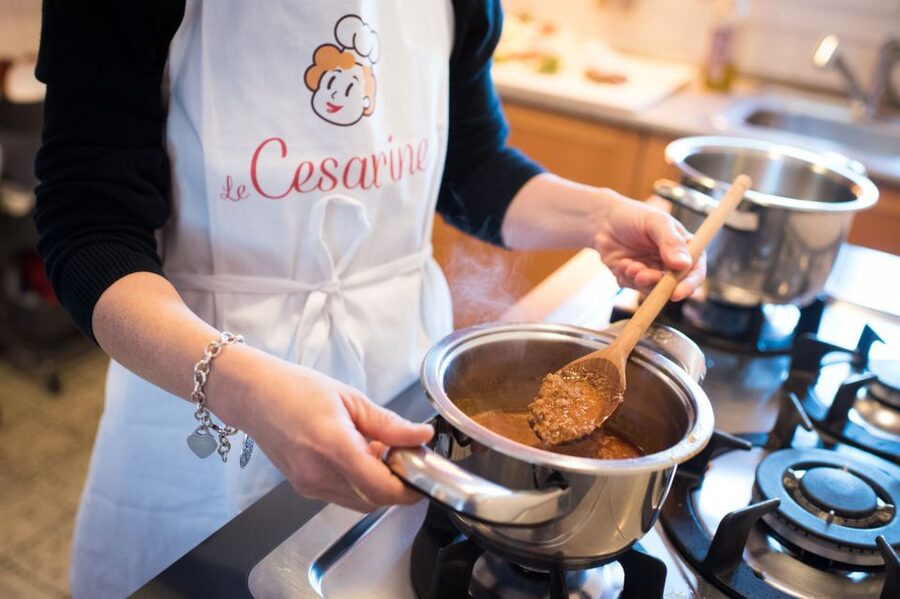
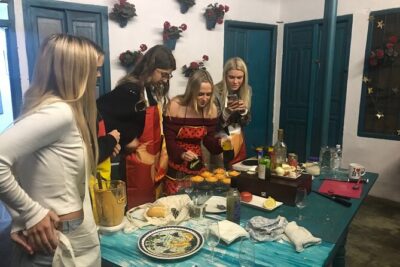
The class runs about 3 hours, and it’s capped at 10 people, so you should expect active participation. The experience is designed around three core parts: start with an aperitivo, make pasta (including fresh sfoglia), then finish with tiramisu and a tasting.
Aperitivo warm-up: prosecco and nibbles
You begin with an Italian Aperitivo—included prosecco plus small bites. It’s not a throwaway detail. Starting this way helps you settle in, meet your host, and get in the right headspace for cooking (and questions).
If you’re the type who likes to understand why something works—like dough texture or sauce timing—this warm-up often gives you a smoother entry into the lesson.
Learning fresh pasta: rolling sfoglia by hand
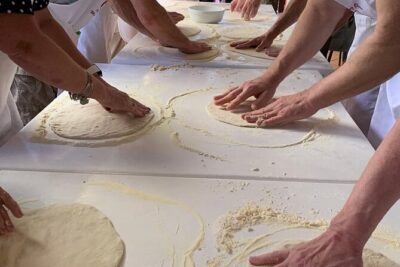
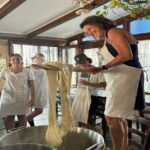
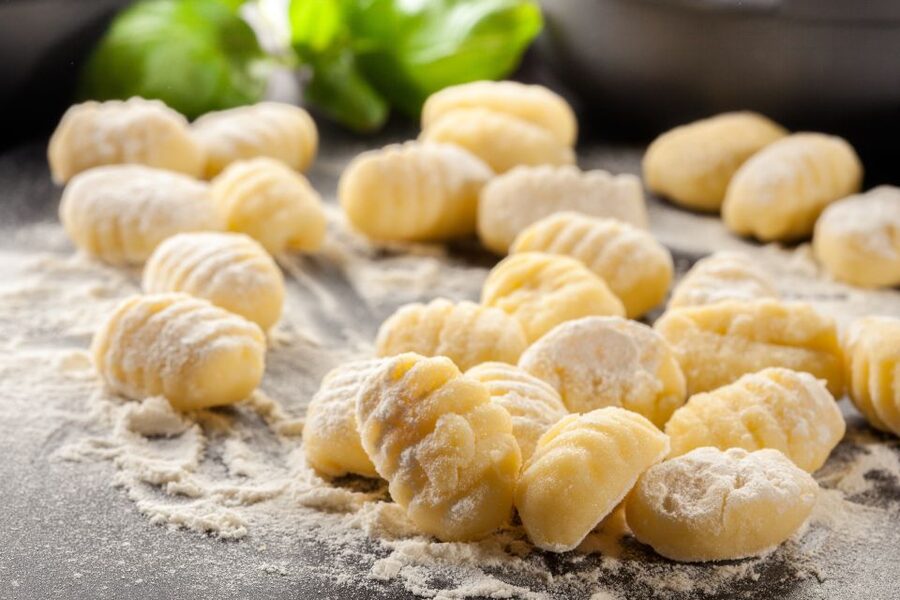
This is the part I most want you to watch for. The class specifically includes learning to roll sfoglia (fresh pasta) by hand. That’s the classic skill: building dough, resting it enough to behave, then rolling it thin without tearing it.
You’ll get step-by-step guidance from your instructor (Italian, with English). In a small-group setting, that matters because hand-rolling is hard to “guess” correctly if you only have one person to help you.
And here’s a practical tip if you’re new: treat the first minute like practice. The dough doesn’t care about your confidence. You’ll find the rhythm faster once you’re doing it instead of thinking about it.
Making two iconic pasta types from scratch
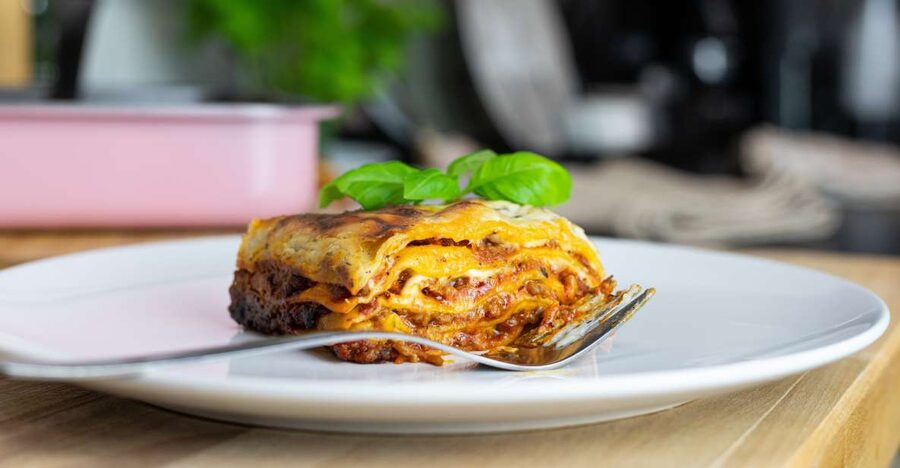
After the sfoglia lesson, you’ll create two different kinds of pasta from scratch. The class is structured so you make them with your host’s direction and then taste them as part of the meal.
The data you’re given is clear on the “two pasta types” promise, but the exact shapes or preparations can vary by session and host. One reason this home style approach works is that different regions and families keep their own versions. Your best bet is to arrive ready to learn the method, not just memorize the menu.
Tiramisu: the sweet finish (and part of the tasting)
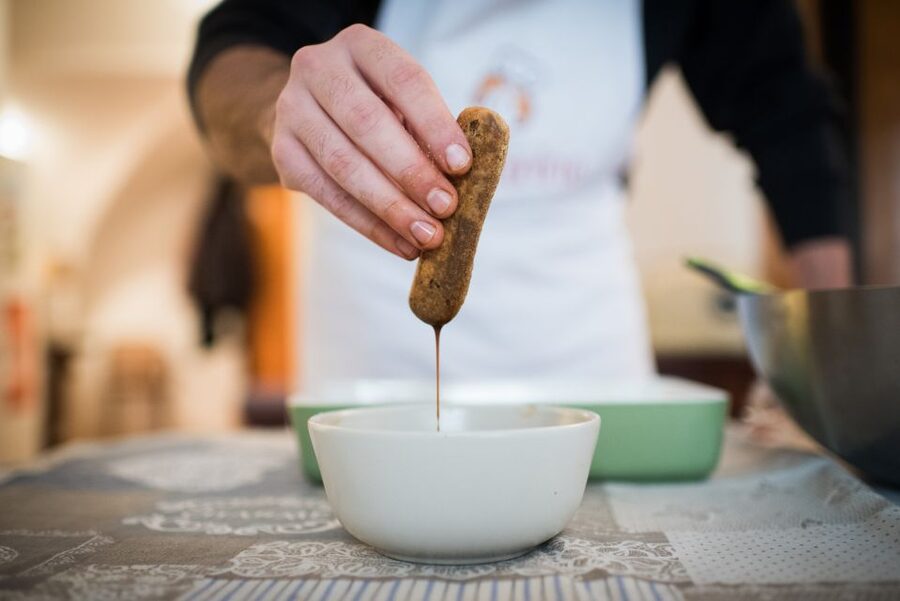
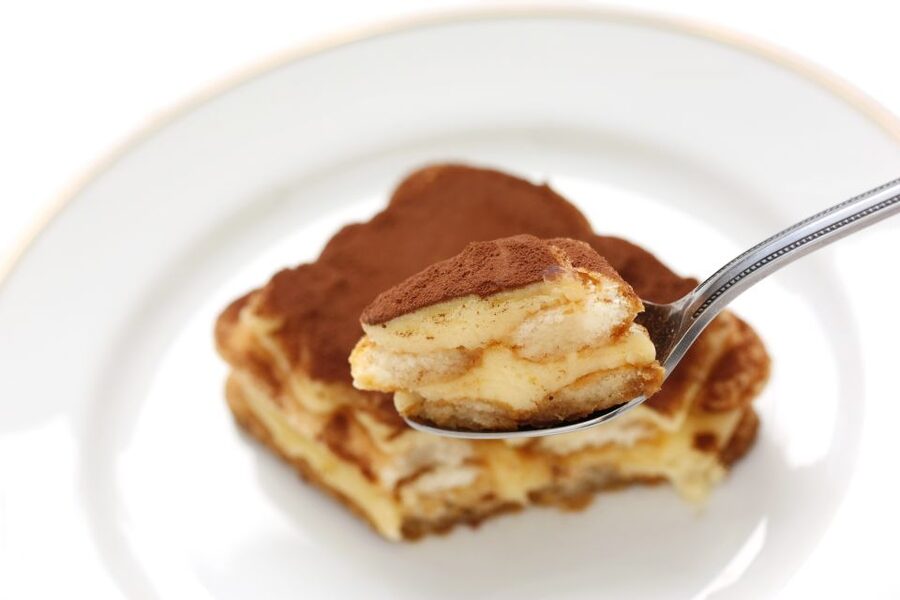
Then comes tiramisu—the iconic Italian dessert included in the class. You’ll learn how to prepare it, not just assemble it.
For me, what makes tiramisu cooking classes valuable is that you learn technique: how ingredients behave, how to get the texture right, and how to balance the overall feel of the dessert. Since tiramisu is part of the tasting, you leave knowing what “good” actually tastes like from your own hands.
Eating what you made with wine or prosecco
Everything you cook is meant to be tasted: the two pasta recipes plus the tiramisu. Drinks are also included—water, wines, and coffee—and during the experience you can enjoy a local wine or a glass of prosecco.
This is one of those “value hides in plain sight” details. You’re not paying for ingredients only; you’re paying for instruction, ingredients, and a proper sit-down meal that uses what you cooked.
The hosts: where the fun actually comes from
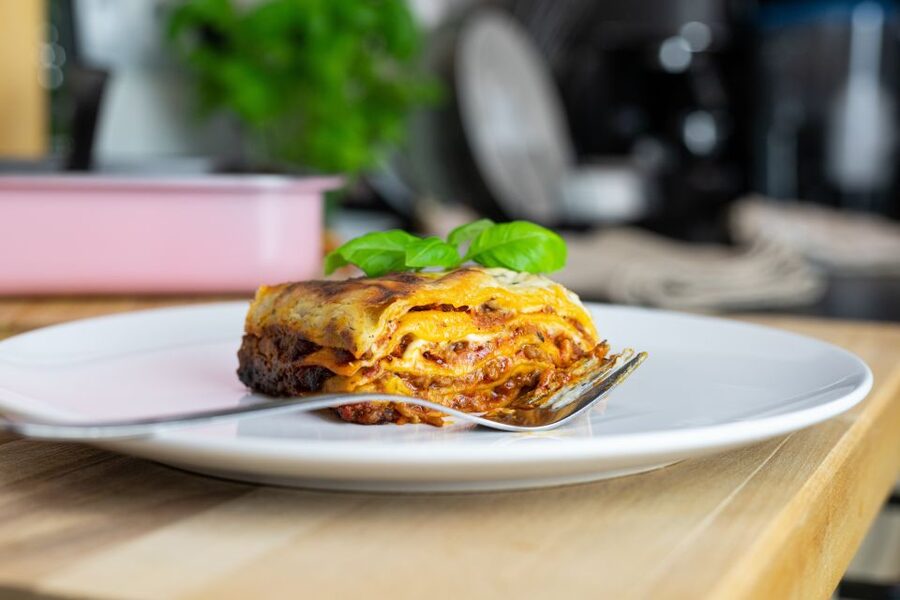
A big chunk of the experience is the human factor. The class names vary by host, but the pattern stays consistent: you’re welcomed into a home kitchen, and you cook with people who clearly enjoy teaching.
In the feedback you provided, a few names show up again and again:
- Rocco and Carla, who are praised for being welcoming, friendly, and genuinely great at making the cooking feel like a shared afternoon.
- Chef Antonio and his wife Andriana, who get credit not only for cooking instruction but also for pairing the meal with wine and talking about it.
- Sergio, repeatedly described as authentic and truly “the real experience.”
- Giacomo and Francesco, praised for being kind, engaging, and setting a great atmosphere.
Even better: at least one host-style detail keeps popping up—some kitchens share recipes in a PDF format after the class. That’s useful if you want to recreate your tiramisu or pasta method later without dragging out a scribbled napkin.
Value and price: what $243.56 per person really includes
At $243.56 per person, this isn’t a bargain-bin cooking class. But for Positano, it often makes sense when you look at what you’re getting:
- Small group (up to 10) in a private home setting
- Instruction from an Italian cook with English support
- Ingredients included for two pasta types and tiramisu
- Tasting of everything you make
- Drinks included: aperitivo (prosecco), wine (plus water and coffee)
Where you win is that this isn’t just a “watch a chef talk” session. You’re hands-on with fresh pasta, and the dessert is taught too. You’re also not paying extra for a separate restaurant meal—the cooking class includes the meal experience.
One caution: one participant noted feeling the session ended up with only one pasta made instead of two. That’s not the standard promise in the experience description, but it’s a good reminder to set your expectation: you’re booking for two pasta types, so bring that question if you’re aiming for a very specific outcome.
Getting there: the private home address and the 3–6 km distance
Because it’s in a private home, you don’t get the full address until after booking. That’s normal for home-based experiences, and it’s meant to protect the household privacy.
What matters for you: the class is 3–6 km from Positano, so you’ll want a plan for getting there smoothly. If you’re staying in the center and relying on foot travel, it might be a long walk depending on your pace and the route. If you have a car or use local transport, you’ll likely feel more relaxed.
Also, the experience is not suitable for wheelchair users (stated clearly), so plan accordingly.
Language and pace: Italian instruction with English support
You’ll have an instructor who speaks Italian and English. That’s a big deal. Fresh pasta technique is partly physical and partly verbal—both matter. You’ll get explanations you can actually follow.
Pace-wise, the class is built around active cooking steps, and the small group size supports that. If you learn better by doing, you’ll be happy here.
Is this class for you? Who should book it
This is a strong match if you want:
- a practical cooking skill (hand-rolled sfoglia is the headline)
- a meal that includes both savory pasta and dessert
- an experience that feels local rather than tourist-performative
It’s also a good choice for couples and small friend groups. With only up to 10 people, you can actually interact with your host instead of shouting over music.
If you want “sit and take photos” entertainment, this probably isn’t your best bet. This class rewards attention, hands-on effort, and a sense of humor when flour shows up where it shouldn’t.
Should you book the Positano pasta and tiramisu class?
Yes, if your goal is to take home real technique and a meal you helped make. The best part isn’t just the pasta and tiramisu—it’s the format: a small-group home-cook experience where you learn methods, taste everything, and spend time with an Italian host in the actual rhythm of family cooking.
I’d think twice if your main need is easy logistics from central Positano (since the address is shared after booking and the home is 3–6 km out) or if you need wheelchair access (this isn’t set up for it). Also, if two pasta types are a non-negotiable goal for you, it’s smart to ask ahead so your expectations match the session flow.
FAQ
Where is the cooking class held?
It’s held in a local home 3–6 km from Positano. For privacy, you receive the full address only after booking.
How long is the experience, and how big is the group?
The duration is 3 hours, and it’s a small group limited to 10 participants.
What food and drinks are included?
You’ll have an Italian Aperitivo (prosecco and nibbles), plus water, wines, and coffee. The class includes pasta (two iconic types) and tiramisu, and you’ll taste everything you prepare.
Do I need to speak Italian?
No. The instructor speaks Italian and English, so you’ll be able to follow along in English.
Is it wheelchair accessible?
No. It’s listed as not suitable for wheelchair users.
Can I cancel if my plans change?
Yes. It offers free cancellation up to 24 hours in advance for a full refund.