REVIEW · POSITANO
Cesarine: Home Cooking Class & Meal with a Local in Positano
Book on Viator →Bookable on Viator
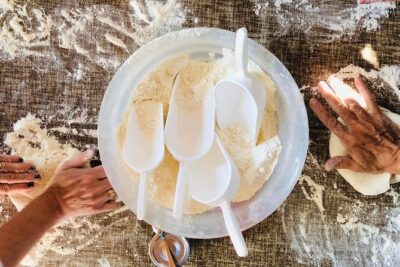
First time I smelled fresh pasta in a home kitchen. Positano’s food scene is famous, but this experience is about getting your hands in the flour and learning the local rhythm of making dishes at home. I loved the chance to cook with a local home cook in a real household setting, and I also liked that you make three courses (starter, fresh pasta, and a classic southern dessert) rather than watching from the sidelines.
The biggest plus is the human side: when the hosts are warm and the teaching is clear, the whole afternoon feels personal. Still, do go in with one consideration in mind: one prior booking noted the class felt more like oversight than hands-on teaching and that the home was extremely hot without air conditioning. If you’re sensitive to heat or want very guided instruction, plan accordingly.
If you want a food experience that feels like an evening with friends in Positano, this one is a strong match.
In This Review
- Key Things I’d Highlight Before You Book
- A Positano Home Kitchen Feels More Real Than a Demo
- Rocco and Carla Set the Tone (And You’ll Feel It)
- What You’ll Cook: Starter, Fresh Pasta, and a Southern Dessert
- The Tasting: Wine and Coffee with a Family-Style Finish
- Timing and Planning: A 3-Hour Session in Positano
- Price and Value: What $207.07 Covers in Real Life
- Hands-On Expectations: What to Do If You Want More Coaching
- Who This Cooking Class Is Best For
- Should You Book Cesarine Home Cooking Class in Positano?
- FAQ
- How long is the Cesarine home cooking class in Positano?
- What dishes will I make during the session?
- Is this a private experience?
- What’s the group size limit?
- Is wine and coffee included?
- Where does the experience start and end?
- When will I receive confirmation?
- Is free cancellation available?
Key Things I’d Highlight Before You Book
- Private, home-based setting where you cook, not just watch
- Three dishes in the same session: seasonal starter, fresh pasta, southern Italian dessert
- Hosts named Rocco and Carla get specific praise for warmth and teaching style
- Family-style tasting with wine and coffee at the end
- Small group size (max 10) that keeps the class feeling manageable
A Positano Home Kitchen Feels More Real Than a Demo
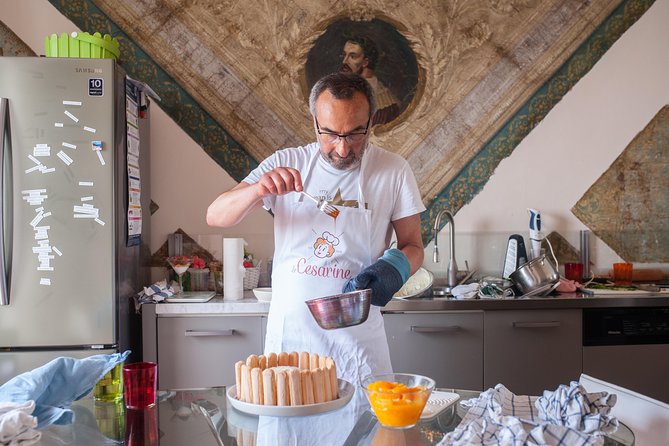
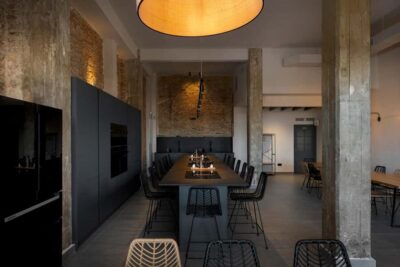
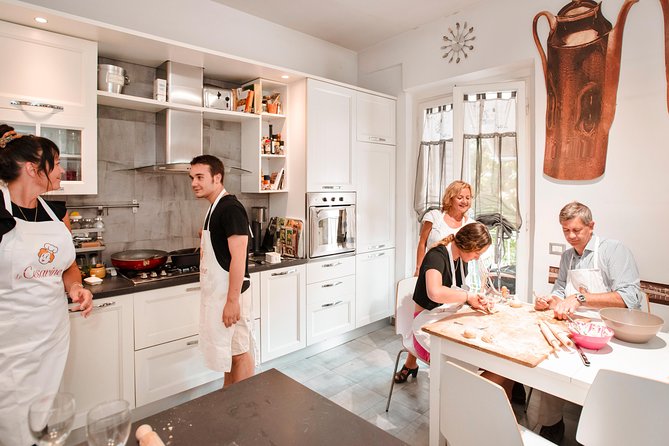
Positano is all curves, views, and photo-worthy streets—but the fastest way to understand a place is through what people eat and how they cook it. This cooking class is built around that idea. You’re not going to a staged venue. You’re stepping into a local home where the goal is shared work: learn, cook, taste, and talk.
I like that the format stays practical. You get instruction while you’re actually making the dishes. That matters in Italy, where a lot of the magic is in small moves—timing, texture, and knowing when to stop. A lesson like this gives you a real chance to internalize those “why” moments, not just memorize steps.
The atmosphere is also part of the value. Several bookings specifically call out hosts Rocco and Carla for being friendly, gracious, and excellent teachers. When a class has that kind of warmth, you’ll relax faster, ask better questions, and enjoy the meal more—because you helped make it.
You can also read our reviews of more tours and experiences in Positano.


Rocco and Carla Set the Tone (And You’ll Feel It)
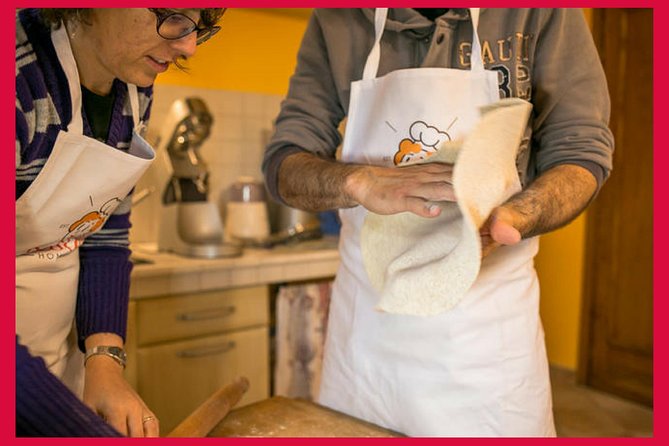
A cooking class succeeds or fails based on the host’s energy and how clearly they guide you. The strong reviews here are consistent: Rocco and Carla come across as warm and welcoming, and they don’t treat the class like a performance. They teach like people who genuinely want you to leave able to cook at home.
That’s a big deal. Even with a great menu, the wrong teaching style turns a class into a chore. When teaching is clear, you’ll understand what you’re doing and why. You’ll also feel more confident handling techniques like fresh pasta. And since the tasting is family-style, you’re more likely to enjoy it instead of rushing through.
One caution from a lower rating: the class may not feel equally hands-on for everyone. Some people felt it was more oversight than teaching. You can’t fully control that, but you can control your expectations. If you want lots of direct coaching every minute, go in ready to participate actively and ask questions—especially when you’re working on pasta.
What You’ll Cook: Starter, Fresh Pasta, and a Southern Dessert
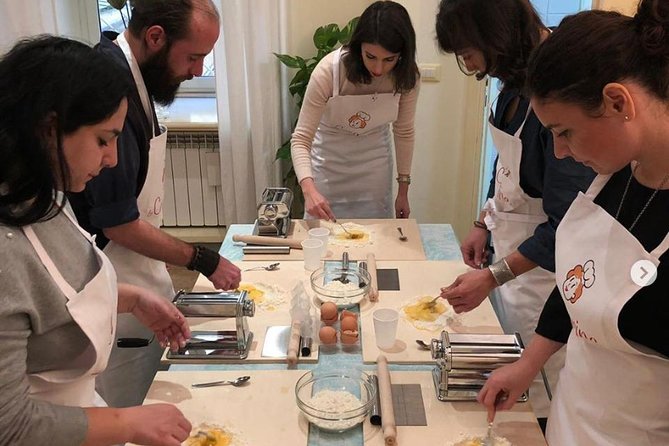
This is a three-part meal experience, and that’s what makes it more than a cooking lesson. You’re not only learning techniques; you’re also building a full plate that makes sense in an Italian home.
Here’s what’s included:
- Seasonal starters
- Fresh pasta (from scratch)
- A classic southern Italian dessert
The pasta piece is the centerpiece. Fresh pasta isn’t just about taste—it’s about texture and handling. In class settings, this is where you learn the small details that make the difference between okay pasta and genuinely good pasta: dough consistency, working the texture, and managing the process so it doesn’t get away from you.
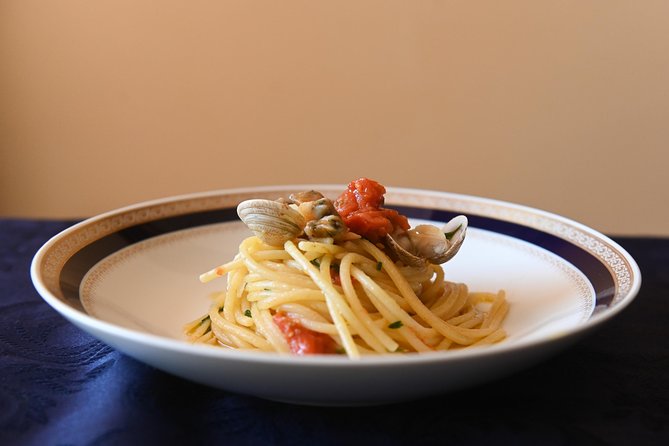
And because the day doesn’t stop at pasta, you’ll round out the meal with a southern Italian dessert. Desserts in this region often feel simpler than they look, but they rely on good ingredients and correct timing. You’ll get to see how a home cook thinks about finishing a meal—something you usually miss in restaurant cooking classes that only teach one dish.
The starter course matters too, because it helps you understand the flow of an Italian meal. Starters set the pace. They also teach you how locals use seasonal ingredients rather than relying on heavy, generic flavors.
The Tasting: Wine and Coffee with a Family-Style Finish
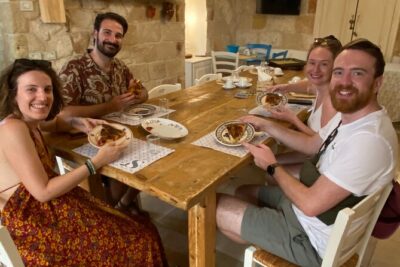
The best cooking classes end with you eating what you made. This one does. After you cook, you sit down for a family-style tasting of the dishes prepared together, accompanied by a glass of local wine and coffee.
Family-style makes a difference. You’ll likely pass dishes around and talk with your hosts while eating, which turns the meal into part of the learning. You also get real feedback: you can taste the result, notice what worked, and connect it back to the steps you just practiced.
The pairing with wine and coffee isn’t just a nice extra. It signals that this is meant to be a full, lived-in meal—not a quick sample platter. If you’ve ever left a cooking class hungry for food, this format helps fix that. You’ll get a satisfying end to the session.
Timing and Planning: A 3-Hour Session in Positano
You’re looking at about 3 hours total. That length is a sweet spot: long enough to learn multiple techniques, short enough to still enjoy the rest of Positano afterward.
Positano can be a little tricky for pacing because the streets and timing can slow you down. So I suggest you treat this as the core activity in your day, not a side stop. Plan your arrival so you’re not rushing in with wet hands and sweaty nerves.
Also note the group limit: up to 10 travelers. Small groups tend to create better flow. You’re less likely to wait forever for someone to explain the next step, and you’ll have more chances to talk with the host.
One practical note: the experience is near public transportation. That’s useful if you don’t want to rely on taxis for this leg of your itinerary.

Price and Value: What $207.07 Covers in Real Life
The price is $207.07 per person, which is not bargain-basement. But in this case, the value comes from what’s included in a home environment.
Here’s what you’re paying for, in practical terms:
- A private home cooking class led by a local
- Instruction while you cook three dishes
- Ingredients and equipment used for the session
- A family-style meal featuring what you made
- Wine and coffee included with the tasting
In many cooking experiences, you pay mostly for the lesson, but the meal afterward is either minimal or separate. Here, the tasting is part of the package. That pushes the value closer to a “hosted evening meal with real instruction” rather than a short demonstration.
I also like the timing: you’re doing this for about three hours. You’re getting a high concentration of learning and eating without turning the day into a half-day production.
One more value angle: this style of class tends to be easier to enjoy if you want something more personal than a standard tour. If you care about how locals actually cook—and not just where to go for photos—this is the sort of activity that earns its cost.
Hands-On Expectations: What to Do If You Want More Coaching
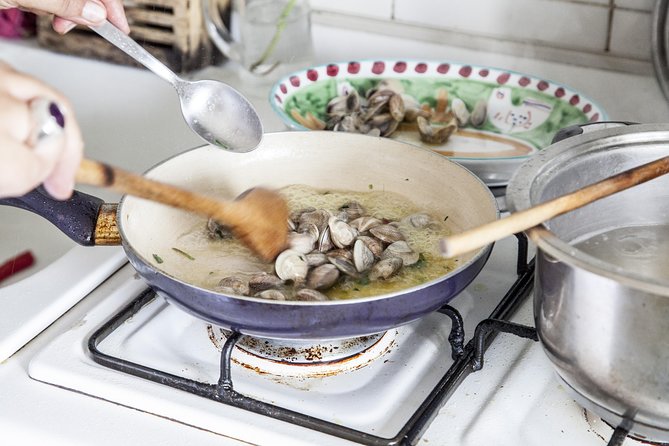
One review raised a clear flag: the class may not always feel hands-on as expected. In that case, the person felt it was more oversight than teaching, and the home was extremely hot.
That doesn’t mean you’ll have the same experience, but it does tell me you should show up with a mindset of active participation. If you want the full benefit, don’t hover. Ask questions early and during the pasta part. The pasta process is where confusion can build quickly, so it’s smart to address it sooner rather than later.
Now about the heat. Positano summers can run hot, and if a home kitchen isn’t set up for air conditioning, you’ll feel it. If you’re traveling in peak warm weather, I’d plan for the reality of sweating through cooking. Wear breathable clothes, bring water when you can, and don’t dress for a chilly indoor studio.
If you’re extremely heat sensitive, you’ll want to consider whether a home kitchen environment is a comfortable fit for you.
Who This Cooking Class Is Best For
This experience fits best when you want food learning plus a human connection. If you’re the type who likes asking questions at dinner and you enjoy trying a technique yourself—this will likely click.
It’s especially good for:
- Couples and small groups who want a private home experience
- Food-focused travelers who want to learn pasta from scratch
- People who enjoy southern Italian flavors and want to understand the basics behind them
- Travelers who want to slow down and eat together, not just rush through landmarks
If you’re expecting a classroom-style lecture with nonstop individual coaching, you might want to temper expectations. The class can be hands-on, but it depends on the flow with the host and group.
Should You Book Cesarine Home Cooking Class in Positano?
I’d book this if you want an authentic, home-based meal experience where the learning and the eating are tied together. The strongest signals are the warmth and teaching praised for Rocco and Carla, plus the fact that you create starter, fresh pasta, and dessert and then eat them with wine and coffee.
I’d think twice if:
- You’re very uncomfortable in hot spaces, or you need air-conditioned comfort
- You specifically want constant direct instruction rather than guided oversight
If you’re flexible, participatory, and excited about fresh pasta and a classic southern dessert, you’re likely to leave with something more useful than photos: real steps you can repeat at home.
FAQ
How long is the Cesarine home cooking class in Positano?
The class runs about 3 hours.
What dishes will I make during the session?
You’ll learn to prepare seasonal starters, fresh pasta from scratch, and a classic southern Italian dessert.
Is this a private experience?
It’s a private hands-on cooking class with a local home cook.
What’s the group size limit?
The experience has a maximum of 10 travelers.
Is wine and coffee included?
Yes. The tasting includes a glass of local wine and coffee.
Where does the experience start and end?
It starts in Positano and ends back at the meeting point.
When will I receive confirmation?
Confirmation is received at the time of booking.
Is free cancellation available?
Yes, you can cancel for a full refund up to 24 hours in advance of the experience’s start time.
If you want, tell me your travel month and whether you prefer very hands-on instruction—I can help you decide if this one matches your style.